A home’s exterior doors do more than provide an entrance. They influence architectural character, natural lighting, security, energy efficiency, and the overall experience of moving between indoor and outdoor spaces. Whether building a custom residence or renovating an existing property, choosing the right exterior doors requires careful consideration of design, materials, climate, and installation quality.
Working with a Custom Home Architect Los Angeles can help homeowners understand how exterior doors contribute to a cohesive architectural design. In Los Angeles, architects frequently consider indoor-outdoor living, expansive glass openings, and contemporary entryways. These design principles can also inspire homeowners in other regions, although local weather conditions and building requirements may call for different materials and installation methods.
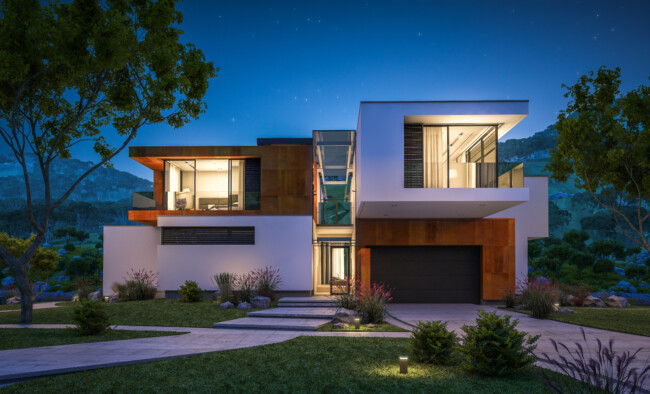
Why Exterior Door Design Matters in Residential Architecture
Exterior doors are among the most frequently used architectural features in a home. A front door establishes the property’s first impression, while patio and secondary doors influence circulation, ventilation, and connections to outdoor areas.
For homeowners planning exterior door installation Atlanta, the selection process should account for the city’s humid subtropical climate, seasonal storms, and varying temperatures. A visually appealing door must also resist moisture, limit unwanted air infiltration, and operate reliably throughout the year.
A successful installation balances these practical requirements with the home’s architectural style. The goal is not simply to replace an existing door but to improve how the entrance performs and fits within the overall design.
Choosing Exterior Doors that Complement Your Home
Different architectural styles call for different door designs. A door that works beautifully in a contemporary residence may feel out of place in a traditional brick home.
Modern and Contemporary Homes
Modern homes often feature clean lines, simple profiles, and large glass panels. Steel, aluminum, fiberglass, and carefully detailed wood doors can complement this aesthetic.
Oversized pivot doors are another popular design feature in high-end contemporary residences. However, their installation requires appropriate structural support, suitable hardware, and careful attention to weather sealing.
For homes exposed to frequent rain or humidity, homeowners should evaluate the door system’s tested performance rather than selecting it based on appearance alone.
Traditional and Transitional Homes
Traditional homes often benefit from paneled doors, decorative glass, sidelights, and classic hardware finishes.
Wood doors can provide warmth and architectural detail, while fiberglass alternatives can replicate the appearance of wood with different maintenance requirements.
Transitional homes offer more flexibility. A simple paneled door with modern hardware, for example, can connect traditional architecture with contemporary interior finishes.
Farmhouse and Craftsman Homes
Farmhouse and Craftsman designs commonly incorporate natural materials, divided-light glazing, and distinctive trim details.
The door’s proportions, surrounding casing, and hardware should complement the home’s existing windows and exterior finishes.
A coordinated entrance often creates a stronger impression than an elaborate door that conflicts with the surrounding architecture.
Understanding Exterior Door Materials
Material selection affects durability, maintenance, insulation, security, and cost. Homeowners should compare complete door systems rather than focusing only on the door slab.
Fiberglass Doors
Fiberglass is a practical option for many residential applications because it resists common moisture-related problems and generally requires less maintenance than unfinished or poorly protected wood.
Fiberglass doors are available in smooth contemporary finishes and textured styles that resemble natural wood.
Performance varies by manufacturer, glazing, core construction, and installation quality, so product specifications remain important.
Wood Doors
Wood offers natural beauty and design flexibility. It can be particularly appealing for custom residences where architectural details and material consistency matter.
However, wood requires appropriate finishing and maintenance. Exposure to rain, humidity, and direct sunlight can affect its appearance and dimensional stability.
Protective overhangs and manufacturer-recommended finishes can help improve long-term performance.
Steel Doors
Steel doors are commonly selected for their strength, availability, and relatively straightforward maintenance.
Many residential steel doors include insulated cores, although their overall thermal performance depends on the complete assembly.
Damaged protective coatings can expose steel to corrosion, making proper finishing and maintenance important.
Aluminum and Glass Door Systems
Aluminum-framed glass systems can create expansive views and strong indoor-outdoor connections.
These systems are frequently associated with contemporary architecture, but homeowners should evaluate thermal breaks, glazing performance, drainage, and weather resistance.
Large glass openings may also require structural modifications and specialized installation.
Climate Considerations for Exterior Door Installation in Atlanta
Atlanta’s climate introduces several practical considerations that should influence door selection and installation.
Moisture and Humidity Protection
Frequent rain and elevated humidity can expose weaknesses in exterior door assemblies.
Proper flashing, sill pans, drainage paths, sealants, and weatherstripping help direct water away from vulnerable building materials.
Installers should follow the door manufacturer’s instructions and applicable building requirements, particularly where the door connects with exterior cladding.
Energy Efficiency
Poorly sealed exterior doors can contribute to drafts and unwanted heat transfer.
Homeowners should consider energy performance ratings, glazing specifications, insulated construction, and the quality of the weather seals.
A well-rated door can still perform poorly if the frame is improperly aligned or the surrounding gaps are inadequately sealed.
Sun Exposure
Doors facing strong afternoon sunlight may experience substantial surface heating.
Dark finishes, certain glazing configurations, and material expansion should be evaluated before installation.
Manufacturer recommendations can help homeowners select finishes and products suitable for the door’s exposure.
Planning Exterior Door Installation During a Renovation
Replacing an exterior door is often more involved than removing the old unit and installing a new one.
The condition of the existing frame, surrounding wall, threshold, and exterior finishes can affect the project scope.
Inspect the Existing Opening
Before ordering a replacement, the contractor should measure the opening and inspect the surrounding materials.
Water damage, deteriorated framing, uneven surfaces, or previous installation problems may require repairs.
A door installed into a damaged or improperly prepared opening is unlikely to deliver reliable long-term performance.
Consider Structural Requirements
Changing the size or location of an exterior opening can affect structural framing.
For example, replacing a standard hinged door with a wider sliding glass system may require a new header or other structural modifications.
Such changes should be evaluated by qualified professionals, with permits obtained when required.
Coordinate with Exterior Finishes
Door installation should be coordinated with siding, brick, stucco, trim, and waterproofing details.
When the surrounding wall assembly is disturbed, the contractor must restore its ability to manage water effectively.
This is especially important when replacing older doors where hidden moisture damage may become visible during removal.

How Architects Approach Exterior Door Placement
Architectural planning considers more than the dimensions and appearance of individual doors.
An architect evaluates how entrances relate to circulation, room layouts, natural light, privacy, views, and the surrounding landscape.
For instance, a large patio door may create an attractive connection between a living room and backyard. However, its location must also accommodate furniture placement, exterior drainage, shading, and convenient access.
Similarly, a front entrance should be easy to identify without sacrificing privacy or disrupting the home’s exterior proportions.
These considerations become particularly important during custom home construction, when door locations can be incorporated into the design before structural work begins.
For an existing home, homeowners may need to work within established structural and architectural limitations.
Common Exterior Door Installation Mistakes
Even high-quality doors can develop problems when installation details are overlooked.
Incorrect Measurements
Ordering a door without accurately measuring the rough opening can create alignment problems and unnecessary modifications.
Measurements should account for the complete door assembly and the manufacturer’s installation requirements.
Inadequate Flashing
Improper flashing can allow water to enter the surrounding wall assembly.
Water intrusion may remain hidden until damage appears around the frame, flooring, or adjacent finishes.
Poor Frame Alignment
A frame that is not properly positioned can cause sticking, uneven gaps, difficult locking, and premature wear.
Installers should verify alignment and operation throughout the installation process.
Overlooking Hardware Quality
Hinges, locks, thresholds, and weatherstripping influence everyday performance.
Hardware should be compatible with the door’s weight, material, intended use, and exposure conditions.
Choosing Appearance over Performance
An attractive door is not necessarily appropriate for every climate or opening.
Homeowners should compare durability, weather resistance, maintenance requirements, and warranty conditions before making a final decision.
Budgeting for Exterior Door Replacement
Exterior door installation costs vary according to door size, material, glazing, hardware, labor, and the condition of the existing opening.
A standard replacement within an undamaged opening is generally less complicated than installing a custom oversized door that requires structural changes.
Additional expenses may include removing the existing unit, repairing damaged framing, modifying trim, updating hardware, or restoring surrounding finishes.
Homeowners should request an itemized estimate that identifies the door product, installation work, waterproofing details, and any anticipated repairs.
It is also worth confirming who is responsible for permits, debris removal, and finishing work.
Comparing proposals based on the complete installation scope provides a clearer picture than comparing door prices alone.
Maintaining Exterior Doors After Installation
Routine maintenance helps preserve appearance and performance.
Homeowners should periodically inspect weatherstripping, hinges, locks, finishes, and visible sealant joints. Doors should open and close smoothly without excessive force.
After heavy rain, check for moisture around the threshold and adjacent interior finishes.
Wood doors may require periodic refinishing, while metal and fiberglass products should be maintained according to their manufacturers’ instructions.
Addressing small problems early can prevent more expensive repairs later.
Final Thoughts
Exterior door installation combines architectural design with practical building performance. The right door should complement the home’s style, provide reliable access, and withstand the environmental conditions it will face.
Design principles used in custom residential architecture, including balanced proportions, natural lighting, and thoughtful indoor-outdoor connections, can inform renovation decisions across different markets. However, successful installation also requires attention to local climate, structural conditions, waterproofing, and product compatibility.
By selecting suitable materials, planning the opening carefully, and working with qualified installation professionals, homeowners can create an entrance that looks attractive and performs reliably for years.
©2026 The Dedicated House. All rights reserved. No part of this blog post may be used or reproduced without the written consent of the copyright owner.
Click the links below for any posts you have missed:
 Protecting Your Home with Quality Roofing and Siding
 How to Plan Cosmetic Skin Treatments in Littleton, Colorado
 How to Choose Countertops for Your Albuquerque, NM Home
 How to Choose the Perfect Luxury Apartment for Your Lifestyle
 What Does a Barndominium Builder Actually Do? From Design to Completion
 What to Do When Your Garage Door Stops Working: A Safe Statesville, NC Homeowner Checklist
I’d love for you to join my email list! You’ll receive a notification straight to your inbox which will include links to my latest home project posts! Simply enter your address below.
Thanks for stopping by! Have a wonderful day/night depending on where you are in the world! Go with God and remember to be kind to one another!
Toodles,

Leave a Reply