Choosing a countertop is about much more than finding a color you like. In Albuquerque, NM, a surface may need to stand up to busy family meals, frequent entertaining, bright high-desert sunlight, and the everyday wear of a hardworking kitchen or bathroom. The best choice balances appearance, durability, maintenance, installation needs, and the full cost of the project.
Homeowners comparing materials can benefit from working with professionals who understand local homes, layouts, and design preferences. Experience with 25+ years Albuquerque countertops can help make the process clearer, from choosing a slab to planning seams, sink cutouts, and final installation details.
Start with How the Space Is Used
Before narrowing down colors, consider what happens on the countertop every day. A kitchen used for elaborate cooking, baking, homework, and gatherings has different demands than a space used mainly for simple meals. Ask how often people cook, whether children or pets use the room, if hot cookware is regularly set down, and whether spills are likely to sit before cleanup.
It is also useful to think about where the busiest work zones are located. The area beside the range, around the sink, and on an island may receive far more use than a secondary counter. A household that regularly prepares meals together may prioritize generous uninterrupted workspace, while a bathroom vanity may place greater emphasis on resistance to cosmetics, soaps, and standing water near the sink.
Heat, moisture, stains, scratches, and impacts should guide the selection. Someone who bakes often may appreciate a broad, durable work surface and a material that handles flour, food coloring, and frequent cleaning. A homeowner who rarely cooks may be comfortable choosing a more delicate natural stone because the surface will receive lighter use. There is no universal best material, only a material that fits the household.
Compare Countertop Materials
Quartz
Quartz is an engineered surface made with mineral material and resin binders. It is widely chosen for its consistent patterns, broad color selection, and relatively simple day-to-day care. Many quartz designs resemble marble, concrete, or natural stone, making them useful for both contemporary and traditional Albuquerque interiors. Follow the manufacturer’s instructions, especially regarding very hot pans and cleaning products.
Granite
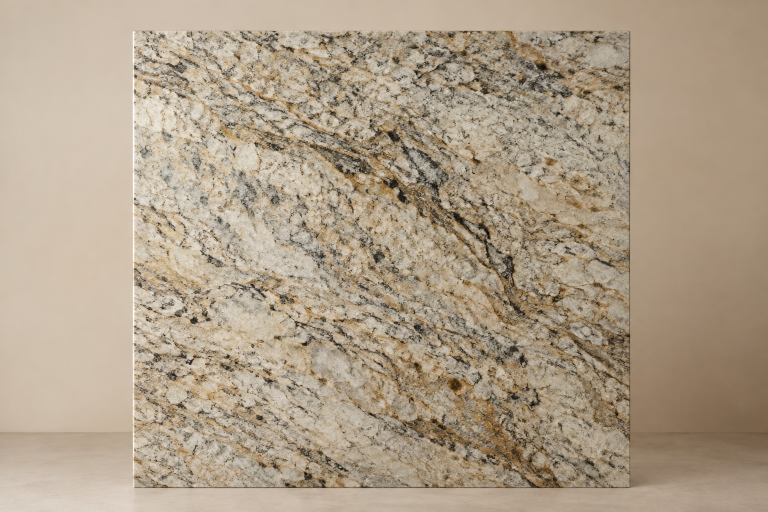
Granite offers natural movement, color variation, and a durable stone surface. Because every slab is different, it is wise to view the actual slab when veining or mineral pattern matters to the finished design. Some granite may need periodic sealing to help reduce staining, depending on the stone and finish.
Quartzite
Quartzite is a natural stone that can provide dramatic movement and a light, marble-like appearance. It can be a strong option for homeowners who want a natural slab but should still ask about sealing and daily care. Confirm the material identification before purchase, since names used in showrooms can be confusing and different stones have different care needs.
Marble, Dolomite, and Limestone
These natural stones are valued for soft color, veining, and an organic appearance. They may be more susceptible to etching, scratching, staining, or other visible changes than harder surfaces. For some homeowners, that patina becomes part of the appeal. For others, especially in a heavily used kitchen, the need for prompt spill cleanup and careful use may outweigh the visual benefit.
Other Options Worth Reviewing
A broader look at kitchen countertop options can help homeowners compare materials beyond stone. Consider these common fits:
- Solid surface: Useful for a smooth, seamless look and can allow some scratches or small damage to be repaired.
- Laminate: A practical budget-minded choice with many colors and patterns, though edges and seams need protection from standing water.
- Butcher block: Adds warmth and can be refinished, but needs routine care and should be protected from excess moisture and heat.
- Concrete: Offers a custom, handcrafted appearance but generally requires appropriate sealing and realistic expectations about variation.
- Stainless steel: Fits modern or commercial-inspired kitchens and resists heat and stains, though it can show fingerprints and scratches.
When comparing options, separate the appearance of a material from its practical requirements. A surface that looks ideal in a display may not be the best match for frequent chopping, heavy cookware, or a preference for low-maintenance cleaning. Asking to see full-size samples, finished edges, and examples of installed work can make differences in texture, sheen, and pattern easier to evaluate.
Match the Surface to Your Cleaning Routine
Daily care is different from long-term maintenance. Most countertops benefit from mild soap, water, and a soft cloth, along with cutting boards for food preparation and trivets for hot cookware. Clean spills promptly, particularly acidic liquids, oils, wine, coffee, and strongly colored foods.
Before using abrasive powders, acidic cleaners, bleach, or other strong chemicals, check the material supplier’s written instructions. Porous natural stones may need sealing on a schedule recommended for the specific product, while many engineered surfaces do not require sealing. Request care information before approving the final selection, not after installation.
It can help to keep the recommended care instructions with other home records after the project is complete. That gives everyone in the household a clear reference for suitable cleaners, sealing guidance, and steps to take if a spill, chip, or stain occurs. Consistent basic care is often easier than trying to correct avoidable damage later.
Plan for the Full Project Cost
The slab price is only one part of a countertop budget. An itemized estimate should address square footage, material availability, edge profiles, sink and cooktop cutouts, backsplashes, delivery, fabrication, installation, old countertop removal, and possible plumbing adjustments. A lower-priced material can still produce a larger bill when the layout has multiple corners, cutouts, or specialty edges.
Keep a contingency amount for cabinet leveling, minor repairs, appliance changes, or other discoveries made during preparation. Clear estimates make it easier to compare proposals fairly and reduce surprises later.
When reviewing estimates, make sure the scope is comparable rather than focusing only on the final total. One proposal may include removal, installation, or backsplash work that another lists separately. Written clarification about what is included can help homeowners plan confidently and avoid assumptions about work that may require an additional charge.
Balance Color, Pattern, and Room Style
Countertops connect cabinets, flooring, backsplashes, wall color, lighting, and hardware. Bring samples when shopping, and view them in daylight as well as under the home’s interior lighting. Albuquerque’s strong natural light can make undertones and veining look very different from the way they appear in a showroom.
A bold slab can work beautifully on an island, while a quieter perimeter surface may give the room flexibility for future updates. Consider finish as well. Polished surfaces reflect light, honed or matte finishes offer a softer appearance, and textured finishes can add visual depth. Choose the look that fits both the room and the level of upkeep you prefer.
Think about visual scale as well as color. Large, dramatic veining can become a focal point in an open kitchen, while a smaller room may feel more balanced with a calmer pattern. If cabinets, tile, or flooring already have prominent movement, selecting a more restrained countertop can keep the finished room from feeling overly busy.
Prepare for Measuring and Installation
- Confirm that cabinets are secure, level, and ready before templating.
- Finalize the sink style, faucet holes, appliance locations, overhangs, and backsplash plan.
- Review potential seam locations before fabrication begins.
- Ask how existing countertops will be removed and disposed of.
- Confirm the installation schedule and any temporary limits on kitchen use.
- Inspect fit, support, seams, edges, and cutout placement once installation is complete.
Accurate measurements matter because stone and engineered slabs are fabricated for a specific layout. Heavy materials may require suitable cabinet support. Also confirm who will handle plumbing disconnection, faucet installation, electrical work, and appliance reconnection.
Before the installers arrive, remove fragile items from nearby cabinets and clear the work area according to the installer’s instructions. Countertop replacement can involve dust, noise, and temporary disruption, especially when old materials are being removed. Planning meals and access to water in advance can make installation day more manageable.
Avoid Common Buying Mistakes
- Choosing solely from a small sample or online photo.
- Ignoring cleaning and sealing requirements.
- Forgetting sink, cooktop, and appliance dimensions.
- Comparing only material prices instead of complete estimates.
- Assuming every natural stone has the same performance.
- Skipping questions about seams, overhang support, warranties, and care instructions.
Another common mistake is delaying important decisions until fabrication is already scheduled. Sink models, faucet placement, edge choices, and backsplash details can affect the final plan. Finalizing those selections early gives the fabricator clearer information and helps reduce last-minute changes that can delay the project.
Use a Simple Selection Checklist
Before making a final decision, use this checklist:
- Does the material suit the way the room is used?
- Can the household manage its cleaning and maintenance needs?
- Does the complete estimate fit the project budget?
- Has the actual slab or a large sample been viewed in person?
- Do the color and pattern work with nearby finishes?
- Are sink, seams, overhangs, delivery, removal, and cleanup included in the plan?
When comparing resistance to stains, scratches, heat, and impact, the testing factors in this countertop buying guide can help homeowners focus on the performance details that matter most.
Make a Choice that Works for Daily Life
The right countertop for an Albuquerque home is not automatically the most expensive or most popular option. It is the one that works with the household’s habits, desired level of maintenance, room style, and realistic project budget. Thoughtful planning before fabrication can help create a surface that remains useful, attractive, and enjoyable for years.
©2026 The Dedicated House. All rights reserved. No part of this blog post may be used or reproduced without the written consent of the copyright owner.
Click the links below for any posts you have missed:
 How to Choose the Perfect Luxury Apartment for Your Lifestyle
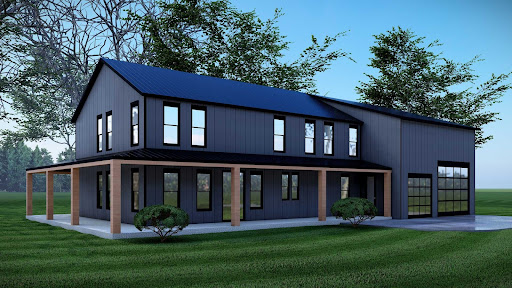 What Does a Barndominium Builder Actually Do? From Design to Completion
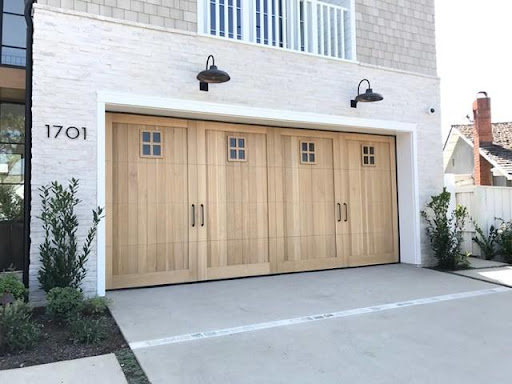 What to Do When Your Garage Door Stops Working: A Safe Statesville, NC Homeowner Checklist
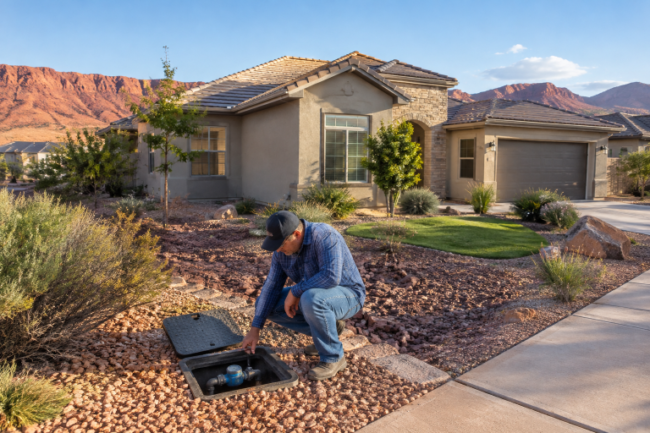 How to Spot Hidden Water Leaks in St. George, Utah Homes
 A Practical Guide to Tax Installments for Canadian Business Owners
 What Does Professional Gutter Cleaning Include? A Homeowner’s Walkthrough
I’d love for you to join my email list! You’ll receive a notification straight to your inbox which will include links to my latest home project posts! Simply enter your address below.
Thanks for stopping by! Have a wonderful day/night depending on where you are in the world! Go with God and remember to be kind to one another!
Toodles,

Leave a Reply