Your home’s exterior is its primary shield. Residential roofing and siding are crucial for protecting your property. They guard against weather, keep interiors comfortable, and boost curb appeal. Over time, these vital systems face wear and tear. Ignoring early signs of damage can lead to bigger, more expensive problems.

In this guide, we will explore how to identify when your roof or siding needs attention. We will compare various material options, helping you choose what is best for your home. We will also cover essential tips for hiring skilled professionals for quality installations and repairs. This includes what to look for in professional roofing services to ensure lasting protection. Our aim is to provide you with the knowledge to maintain a safe, efficient, and beautiful home.

Recognizing the early warning signs of roofing and siding distress is paramount for homeowners. Proactive identification can prevent minor issues from escalating into significant structural damage, costly interior repairs, and even health hazards like mold growth. A comprehensive visual inspection, both from the ground and, if safe, closer up, should be a regular part of home maintenance. Key indicators often manifest as visible damage, signs of moisture intrusion, or general structural wear that compromises the integrity of your home’s envelope.
Evaluating Common Roofing Wear and Storm Damage
Your roof takes the brunt of the elements, and its condition is a critical indicator of your home’s overall health. Over time, or suddenly due to severe weather, several signs can emerge that signal a need for repair or replacement:
- Missing or Damaged Shingles: High winds can lift and tear off shingles, leaving exposed areas vulnerable to water infiltration. Look for bare spots, torn pieces, or shingles that appear out of alignment.
- Curling or Cupping Shingles: As asphalt shingles age, they can begin to curl upwards at the edges (cupping) or curl downwards (clawing). This indicates that the shingles are losing their protective oils and becoming brittle, reducing their ability to shed water effectively.
- Granule Loss: The gritty, sand-like granules on asphalt shingles protect the asphalt from UV rays. If you notice large amounts of granules in your gutters or bare spots on your shingles, it means your roof is nearing the end of its lifespan and its protective capabilities are diminished.
- Hail Impact Damage: Hailstones can cause circular dents or fractures on shingles, often accompanied by granule displacement. While sometimes subtle, this damage can weaken the shingle’s structure and lead to premature failure. A professional inspection is often needed to accurately assess hail damage.
- Attic Leaks or Water Stains: Any signs of water intrusion in your attic, such as stains on the ceiling, damp insulation, or a musty odor, are clear indicators of a roof leak. These leaks can originate from various points, including damaged flashing, worn shingles, or compromised valleys.
- Sagging Roof Deck: A visibly sagging roof line can indicate structural issues, possibly due to water damage to the underlying decking or inadequate support. This is a severe sign that requires immediate professional assessment.
Identifying Siding Deterioration and Moisture Issues
Siding plays a dual role: protecting your home from moisture and contributing significantly to its aesthetic appeal. Deterioration here can compromise both.
- Cracked or Loose Panels: Cracks, splits, or panels that have come loose can allow moisture to penetrate the wall structure, leading to rot, mold, and pest infestations. This is particularly common with vinyl siding that becomes brittle over time or due to impact.
- Dry Rot: Often found in wooden siding, dry rot is a fungal decay that thrives in damp conditions. It causes wood to become brittle and crumble. Look for discolored, shrunken, or easily punctured wood.
- Bubbling or Peeling Paint: While sometimes a paint issue, bubbling or peeling paint on siding can also signal trapped moisture underneath, indicating the siding itself is failing to repel water. This is especially true for wood or fiber cement siding.
- Warping or Buckling: Siding that appears warped, bowed, or buckled can be a sign of moisture absorption, improper installation, or extreme temperature fluctuations. This distortion creates gaps that allow water and pests to enter.
- Pest Intrusion: Holes, nests, or visible insect activity (like termites or carpenter ants) in or around your siding can indicate that the material has been compromised, offering easy access for pests to your home’s interior.
- Increased Energy Bills: While not a direct visual sign, a sudden spike in heating or cooling costs can sometimes be attributed to failing siding that has lost its insulating properties, allowing conditioned air to escape and outside air to infiltrate.

Comparing Modern Exterior Materials: Durability, Cost, and Performance
Choosing the right roofing and siding materials is a significant decision that impacts your home’s longevity, curb appeal, and energy efficiency. Homeowners in October 2026 have a wide array of options, each with unique characteristics regarding durability, cost, and overall performance. Material selection should always consider your local climate, aesthetic preferences, budget, and long-term maintenance goals.
Selecting Materials for Residential Roofing and Siding Systems
Let’s delve into some of the most popular choices for residential roofing and siding:
Roofing Materials:
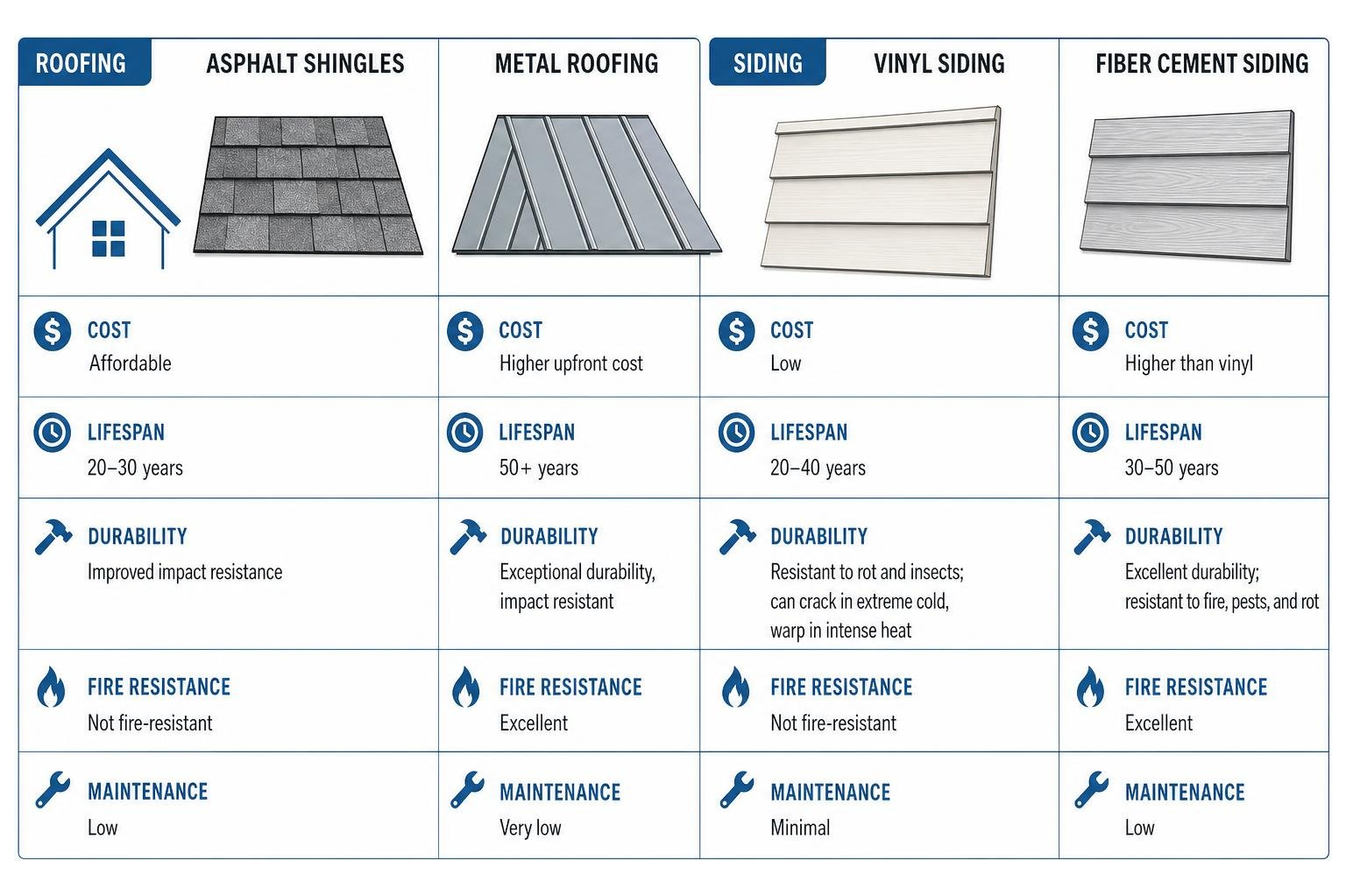
- Asphalt Shingles: These remain the most common roofing material due to their affordability, ease of installation, and wide range of styles and colors. Modern asphalt shingles offer improved impact resistance and come with various warranties. They typically last 20-30 years.
- Metal Roofing: Gaining popularity for its exceptional durability and longevity (50+ years), metal roofing is available in various forms, including standing seam, corrugated panels, and even shingles designed to mimic traditional materials. It offers excellent fire resistance and can be energy-efficient due to its reflective properties. While the upfront cost is higher, its lifespan and low maintenance often justify the investment.
- Other Roofing Options: These include tile (clay or concrete) known for its Mediterranean aesthetic and extreme durability, slate for its natural beauty and centuries-long lifespan (though very expensive), and synthetic options that mimic natural materials with enhanced performance.
Siding Materials:
- Vinyl Siding: A highly popular choice due to its low cost, minimal maintenance, and versatility in colors and styles. Vinyl is resistant to rot and insects and can last 20-40 years. However, it can crack in extreme cold, warp in intense heat, and is not fire-resistant.
- Fiber Cement Siding: Brands like James Hardie have made fiber cement a top contender. Composed of cement, sand, and cellulose fibers, it offers excellent durability, fire resistance, and resistance to pests and rot. It can mimic wood, stucco, or masonry and typically lasts 30-50 years. While more expensive than vinyl, its performance and low maintenance make it a strong value.
- Wood Siding: Offers a classic, natural aesthetic. Options include cedar shingles, clapboard, and engineered wood. While beautiful, wood siding requires regular maintenance (painting/staining) and is susceptible to rot, insects, and fire if not properly treated. Engineered wood products, however, offer enhanced durability and less maintenance than traditional wood.
- Other Siding Options: These include brick and stone veneer for superior durability and curb appeal, stucco for a distinct texture and long lifespan, and aluminum siding, which is lightweight and fire-resistant but can dent.
When comparing materials, consider impact resistance (especially for areas prone to hail), fire ratings (critical for wildfire-prone regions), and the material’s ability to withstand local climate extremes.
Energy Efficiency and Insulation Capabilities
Beyond mere protection, modern roofing and siding play a crucial role in your home’s energy performance. An effective thermal envelope—the barrier separating conditioned indoor air from unconditioned outdoor air—is key to reducing utility costs and improving comfort.
- Attic Insulation: As much as 90% of homes in North America are under-insulated. Upgrading attic insulation is one of the most cost-effective ways to improve energy efficiency. Proper insulation prevents heat transfer through the roof, keeping your home warmer in winter and cooler in summer.
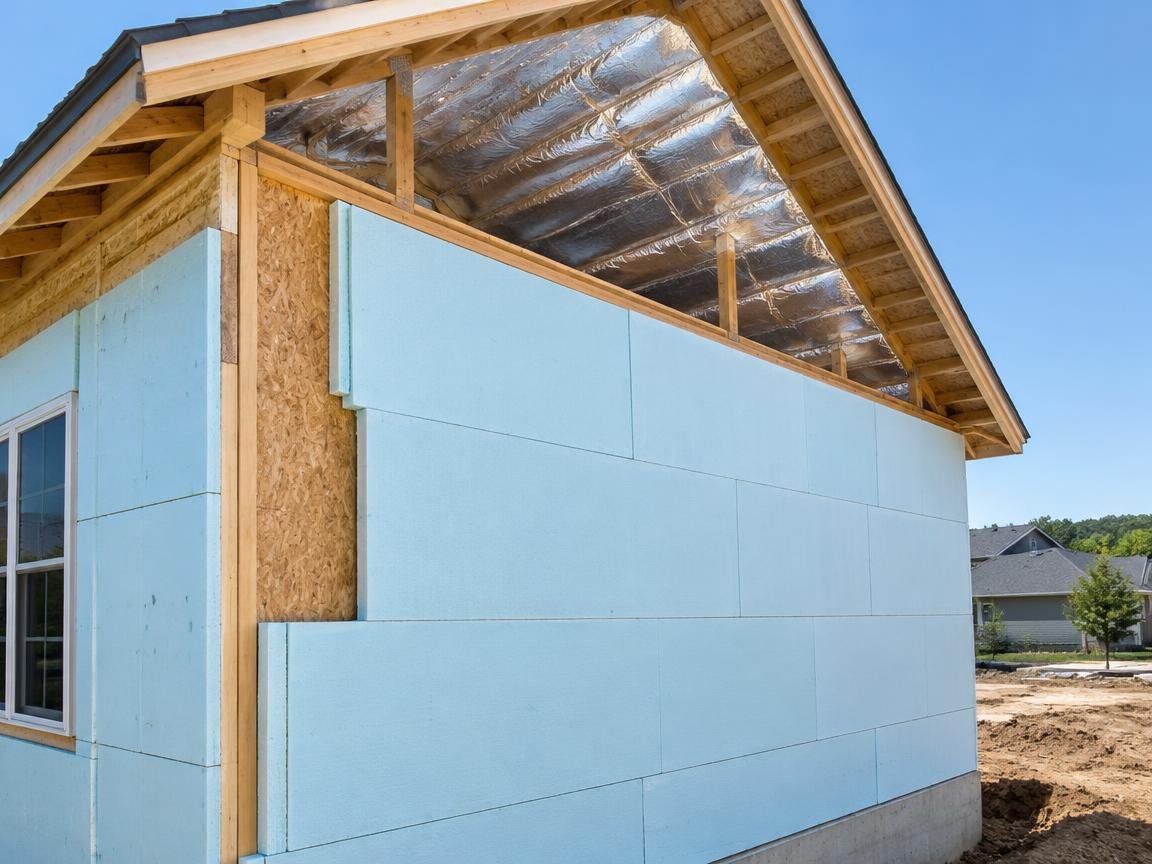
- Continuous Insulation: Installing rigid insulation boards directly on the exterior sheathing before siding application creates a continuous thermal barrier, reducing thermal bridging through wall studs and significantly improving wall R-value.
- Radiant Barriers: Installed in attics, radiant barriers reflect radiant heat, primarily beneficial in hot climates by reducing heat gain from the sun.
- Cool Roofs: Certain roofing materials, especially lighter-colored or specially coated asphalt shingles and metal roofs, are designed to reflect more sunlight and absorb less heat, keeping the attic and home cooler.
- Insulated Siding: Some vinyl and fiber cement siding options come with a layer of foam insulation laminated to the back, providing additional R-value to your walls and enhancing the thermal envelope.
By strategically choosing materials and incorporating insulation, homeowners can achieve substantial utility savings and a more comfortable living environment year-round.
Critical Installation Standards and Project Execution
Even the highest quality materials will fail prematurely if not installed correctly. Proper installation is the cornerstone of a durable, weather-tight, and long-lasting exterior. This involves meticulous attention to detail, adherence to manufacturer specifications, and a deep understanding of building science principles, particularly concerning moisture management and ventilation. Reputable contractors prioritize these standards to ensure your investment is protected.
Essential Components for Weatherproofing and Ventilation
The effectiveness of your roof and siding relies heavily on a system of interconnected components that work together to manage moisture and airflow:
- Housewrap: This synthetic material is installed over the exterior sheathing before siding. It acts as a secondary moisture barrier, preventing water that penetrates the siding from reaching the wall structure, while also allowing water vapor to escape from inside the wall.
- Ice and Water Shield (Ice Barriers): A self-adhering, waterproof membrane installed along eaves, valleys, and around penetrations on the roof deck. It provides superior protection against water penetration from ice dams and wind-driven rain, which are common causes of roof leaks.
- Flashing: Thin pieces of metal (or other materials) installed at critical junctures like roof valleys, chimneys, skylights, and around windows and doors. Flashing diverts water away from vulnerable areas, preventing leaks. Step flashing, for instance, is crucial where a roof meets a vertical wall.
- Ridge Vents and Soffit Ventilation: A balanced attic ventilation system is vital for preventing heat and moisture buildup. Soffit vents allow cooler air to enter the attic, while ridge vents (installed along the roof’s peak) allow hot, moist air to escape. This airflow helps regulate attic temperature, extends the life of your roof, and prevents mold growth.
- Proper Fastening and Overlap: Whether it’s shingles, metal panels, or siding, correct fastening techniques and appropriate material overlap are essential to ensure materials stay in place and shed water effectively. Incorrect fastening can lead to blow-offs, buckling, and water intrusion.
When engaging with a contractor, inquire about their specific installation practices and how they ensure these critical components are correctly integrated. A contractor who emphasizes these details is likely to provide quality professional roofing services that stand the test of time.
The Advantages of Bundling Exterior Remodeling Projects
Homeowners often face the need for multiple exterior upgrades, such as a new roof, siding, and window replacement. Bundling these projects together can offer significant advantages:
- Cost Efficiency: Combining projects can lead to savings on labor, equipment rental (like scaffolding), and waste disposal. Contractors can often offer a better overall price for a larger, integrated project.
- Streamlined Project Management: Instead of coordinating multiple contractors for different jobs, bundling allows for a single point of contact, simplifying communication and scheduling.
- Integrated Flashing and Moisture Protection: When a roof, siding, and windows are replaced simultaneously, the contractor can ensure that all flashing and moisture barriers are seamlessly integrated, creating a superior, continuous weather seal around your home. This is particularly beneficial for preventing future leaks and moisture damage.
- Enhanced Curb Appeal and Cohesion: Replacing multiple exterior elements at once allows for a unified aesthetic. You can choose materials and colors that complement each other perfectly, transforming your home’s appearance with a cohesive design.
- Reduced Disruption: While a large project can be disruptive, bundling means your property is a construction zone for one continuous period, rather than multiple intermittent ones. This can minimize inconvenience for your family and neighbors.
- Long-Term Value: A comprehensive exterior renovation can significantly increase your home’s market value and improve its energy efficiency, leading to long-term savings and a higher return on investment.
Consider discussing the possibility of bundling projects with your chosen contractor to maximize these benefits.
Navigating Contractor Selection, Warranties, and Insurance Claims
Selecting the right contractor is perhaps the most critical step in any residential roofing or siding project. A reputable professional ensures quality workmanship, stands behind their work, and can guide you through complex processes like insurance claims. We understand that this decision can feel daunting, but with the right approach, you can secure a reliable partner for your home improvement needs.
Best Practices for Residential Roofing and Siding Maintenance
Once your new roof and siding are installed, proper maintenance is key to maximizing their longevity and preventing premature issues. Regular upkeep can save you from costly repairs down the line.
- Annual Inspections: Schedule professional inspections, ideally once a year, or after severe weather events. A qualified inspector can identify minor issues before they become major problems, such as loose shingles, cracked caulk, or compromised flashing.
- Gutter Cleaning: Keep gutters and downspouts free of leaves, debris, and shingle granules. Clogged gutters can cause water to back up, leading to fascia damage, ice dams in winter, and water penetration into your walls or foundation.
- Moss and Algae Removal: Moss and algae can trap moisture on your roof and siding, leading to deterioration. Use appropriate cleaning solutions and methods recommended by manufacturers to safely remove growth without damaging materials.
- Sealant Inspection: Regularly check the caulking and sealants around windows, doors, vents, and flashing. Over time, these can dry out, crack, or pull away, creating entry points for water. Reapply sealant as needed.
- Trim Overhanging Branches: Trees with branches overhanging your roof can drop leaves and debris, promoting moss growth, and can cause physical damage during storms. Keeping them trimmed back can significantly reduce wear and tear.
For extensive maintenance needs or complex repairs, seeking expert advice from professionals specializing in residential and commercial roofing can ensure your home remains protected.
Handling Storm Damage and Insurance Claims
Storms, particularly those involving hail and high winds, can inflict significant damage on roofs and siding. Navigating the insurance claim process can be complex, but following these steps can help ensure a smooth resolution:
- Initial Assessment and Documentation: After a storm, safely inspect your property for visible damage. Take clear, well-lit photos and videos of any suspected damage to your roof, siding, gutters, and other exterior components. Document the date and time of the storm.
- Contact Your Contractor First: Before calling your insurance company, it’s often beneficial to have a reputable roofing and siding contractor perform a preliminary inspection. They can provide an expert assessment of the damage, confirm if it’s storm-related, and give you an estimate for repairs. Many contractors offer free storm damage inspections.
- File Your Claim Promptly: Contact your insurance provider as soon as possible after discovering damage. Be prepared to provide details about the storm, the damage observed, and your policy information.
- Meet with the Adjuster: Your insurance company will send an adjuster to assess the damage. It’s highly recommended to have your chosen contractor present during this meeting. They can point out damage that might be missed, explain the repair process, and advocate on your behalf to ensure all damage is properly identified and covered.
- Understand Your Policy and Deductible: Familiarize yourself with your homeowner’s insurance policy, specifically regarding storm damage coverage and your deductible. The homeowner is typically responsible for paying their deductible directly to the contractor.
- Get a Detailed Estimate: Ensure your contractor provides a detailed, written estimate that clearly outlines all necessary repairs, materials, and costs. This estimate should align with the adjuster’s assessment.
- Avoid “Storm Chasers”: Be wary of contractors who appear immediately after a storm, pressure you into signing contracts, or offer to waive your deductible. These can be signs of fraudulent practices. Always choose a local, reputable contractor with a proven track record.
Frequently Asked Questions about Residential Roofing and Siding
Homeowners often have many questions when considering exterior home improvement projects. Here, we address some of the most common inquiries regarding residential roofing and siding.
How long does a standard exterior replacement project take?
The duration of a residential roofing or siding replacement project can vary significantly based on several factors:
- Project Scope: A full roof replacement for an average-sized home might take 1-3 days, while a siding replacement could take 1-2 weeks. If both are done, or if windows and gutters are included, the timeline will extend.
- Home Size and Complexity: Larger homes or those with complex architectural features (e.g., multiple gables, steep pitches, intricate siding patterns) will naturally take longer.
- Material Choice: Some materials are quicker to install than others. For example, asphalt shingle installation is generally faster than metal roofing or intricate fiber cement siding.
- Weather Conditions: Inclement weather (rain, heavy winds, extreme cold) can cause delays, as work often cannot proceed safely or effectively. Reputable contractors will prioritize safety and material integrity, scheduling work around favorable weather.
- Crew Size and Efficiency: The number of skilled workers on a team and their experience level can impact project speed.
- Unexpected Structural Repairs: If underlying rot or structural damage is discovered during the tear-off phase, additional time will be needed for repairs, which can extend the overall timeline.
A good contractor will provide a detailed project schedule and keep you informed of any potential delays.
Why are contractor certifications and warranties important?
Contractor certifications and robust warranties are crucial indicators of quality and reliability:
- Manufacturer Certifications: Many leading material manufacturers (e.g., GAF, Owens Corning, James Hardie) offer certification programs for contractors. These certifications mean the contractor has undergone specific training, demonstrated expertise in installing their products, and meets high standards of professionalism. For example, only a small percentage of roofers nationwide achieve top-tier designations like GAF Master Elite. Certified contractors can often offer enhanced manufacturer warranties that are not available from uncertified installers, providing superior protection for your investment.
- Workmanship Warranties: A reputable contractor will provide their own warranty on their labor and installation. This guarantees that if issues arise due to faulty workmanship, they will return to fix them at no additional cost for a specified period (e.g., 5, 10, or even 20 years).
- Material Warranties: Manufacturers provide warranties on their products, covering defects in the materials themselves. Certified contractors can often offer extended material warranties, sometimes for the lifetime of the product, providing greater peace of mind.
- Installation Standards: Certifications often require adherence to strict installation guidelines, which helps ensure the longevity and performance of your roof and siding, preventing common issues like leaks or premature material failure.
Always ask about both manufacturer and workmanship warranties when hiring a contractor.
Can damaged siding or roofing sections be repaired without a full replacement?
Yes, in many cases, damaged sections of roofing or siding can be repaired rather than requiring a full replacement. However, several factors influence whether a repair is feasible and advisable:
- Extent of Damage: If the damage is localized to a small area (e.g., a few missing shingles, a cracked siding panel due to impact), a spot repair is often possible and cost-effective. Widespread damage, however, typically necessitates a full replacement.
- Age and Condition of Existing Materials: If your roof or siding is old and showing signs of general wear (e.g., widespread granule loss, brittle siding), replacing a small section might not be a long-term solution, as other areas are likely to fail soon.
- Material Matching: Finding an exact match for older roofing or siding materials can be challenging. Colors fade over time, and manufacturers may discontinue specific styles. While a close match might be acceptable for less visible areas, a noticeable difference can detract from your home’s curb appeal.
- Structural Integrity: If the damage extends beyond the surface material to the underlying decking or wall sheathing (e.g., rot, water damage), these structural issues must be addressed, which can turn a simple repair into a more involved project.
- Insurance Considerations: For storm damage, your insurance company might determine that the damage is so extensive that a full replacement is more appropriate than multiple repairs, especially if matching materials is impossible.
A professional contractor can assess the damage and provide an honest recommendation on whether repair or replacement is the best course of action for your specific situation.
Conclusion
Your home’s exterior—its residential roofing and siding—is a complex, interconnected system vital for protection, comfort, and aesthetics. From the earliest signs of wear to the critical decisions about materials and contractors, an informed approach is your best defense against costly future problems. We’ve explored how to identify issues, compare material options for durability and energy efficiency, and understand the paramount importance of proper installation and essential components like flashing and ventilation.
Choosing certified contractors who offer comprehensive warranties and can expertly guide you through insurance claims is non-negotiable for a successful outcome. Moreover, diligent maintenance, including regular inspections and cleaning, is key to maximizing the lifespan of your investment. By prioritizing quality craftsmanship, understanding your options, and engaging with reputable professionals, you ensure your home’s building envelope remains robust, beautiful, and energy-efficient for years to come, securing its long-term value and your family’s comfort.
©2026 The Dedicated House. All rights reserved. No part of this blog post may be used or reproduced without the written consent of the copyright owner.
Click the links below for any posts you have missed:
 How to Plan Cosmetic Skin Treatments in Littleton, Colorado
 How to Choose Countertops for Your Albuquerque, NM Home
 How to Choose the Perfect Luxury Apartment for Your Lifestyle
 What Does a Barndominium Builder Actually Do? From Design to Completion
 What to Do When Your Garage Door Stops Working: A Safe Statesville, NC Homeowner Checklist
 How to Spot Hidden Water Leaks in St. George, Utah Homes
I’d love for you to join my email list! You’ll receive a notification straight to your inbox which will include links to my latest home project posts! Simply enter your address below.
Thanks for stopping by! Have a wonderful day/night depending on where you are in the world! Go with God and remember to be kind to one another!
Toodles,

Leave a Reply