Climbing vines can give a home a charming, natural appearance throughout spring and summer. However, as temperatures begin to drop and winter approaches, homeowners may wonder whether those beautiful green vines are doing more harm than good.
While some climbing plants are relatively harmless when properly maintained, others can create problems for exterior walls, siding, gutters, and window frames. Their growth may conceal moisture damage, interfere with drainage, or make routine home maintenance difficult.
So, should you remove climbing vines from your siding before winter? The answer depends on the type of vine, how it attaches to your home, and the condition of your exterior surfaces.
Understanding these factors can help you make the right decision while protecting your home’s appearance and structural integrity.
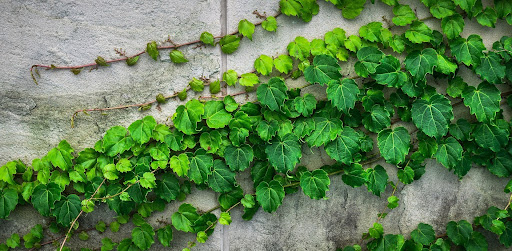
Why Climbing Vines Can Become a Problem
During the growing season, climbing vines can spread rapidly across exterior walls. What begins as a small decorative plant near the foundation may eventually cover large sections of siding.
Although vines can provide shade and visual appeal, uncontrolled growth may create maintenance concerns.
Dense vegetation can conceal cracks, loose siding panels, deteriorating paint, and other developing problems. It may also reduce airflow around certain exterior surfaces, allowing moisture to remain trapped for longer periods.
This becomes particularly concerning before winter, when rain, snow, and freezing temperatures can worsen existing damage.
However, not every vine causes structural problems. Healthy masonry surfaces may tolerate certain climbing plants better than wood siding or deteriorating exterior finishes.
The key is assessing the specific situation rather than assuming every climbing vine must be removed immediately.
Identify the Type of Vine Growing on Your Home
Before attempting removal, identify the plant covering your siding. Different climbing vines grow and attach themselves in different ways.
1. English Ivy
English ivy is a common evergreen climbing plant with dense foliage and woody stems.
It attaches to surfaces through small aerial rootlets. These structures grip rough materials, including brick, wood, and certain masonry finishes.
Established English ivy can be particularly difficult to remove because its attachment points may remain embedded in surface irregularities.
2. Virginia Creeper
Virginia creeper is a fast-growing vine recognized by its leaves, which typically contain five leaflets.
It uses small adhesive pads to attach itself to walls and other surfaces.
During autumn, its foliage often turns bright red before falling.
Although visually attractive, its adhesive attachments can leave marks and may damage weakened paint or delicate finishes during removal.
3. Boston Ivy
Boston ivy is another popular climbing plant frequently seen on brick buildings.
Like Virginia creeper, it uses adhesive structures to cling to surfaces.
While it may grow successfully on sound masonry, removing established growth from painted or deteriorating surfaces requires caution.
4. Poison Ivy
Poison ivy may also climb exterior walls using hairy aerial roots.
Its leaves commonly appear in groups of three leaflets.
Because contact with poison ivy can cause allergic skin reactions, homeowners should avoid handling unidentified vines until they are certain the plant is safe.
Professional assistance may be appropriate when extensive poison ivy growth is involved.
Understand How Vines Attach to Siding
One of the most important considerations is how a climbing vine attaches itself to your home.
Generally, climbing plants use three common methods.
Aerial roots: Plants such as English ivy produce small root-like structures that grip textured surfaces.
Adhesive pads: Virginia creeper and Boston ivy use specialized pads that attach to walls.
Twining stems or tendrils: Other vines wrap around supports, such as trellises, railings, and nearby structures.
These attachment methods influence how easily the plant can be removed.
For example, a vine growing around a freestanding trellis may be easier to manage than ivy attached directly to painted wood siding.
Understanding the attachment mechanism helps prevent unnecessary surface damage during removal.
Check for Hidden Siding Damage Before Winter
Vines can make exterior walls look attractive while hiding problems underneath.
Before winter arrives, inspect accessible areas around the vegetation for warning signs.
Look for:
- Loose, cracked, or warped siding panels
- Peeling paint or deteriorating exterior finishes
- Moisture stains and discoloration
- Soft or rotting wood
- Vines growing behind siding edges
- Blocked gutters and downspouts
- Growth around windows, vents, and rooflines
Pay particular attention to areas where moisture naturally collects.
For example, vines growing behind loose vinyl siding may interfere with proper drainage. Similarly, vegetation covering damaged wooden siding can make it difficult to detect rot.
If you suspect significant damage, arrange an inspection before attempting extensive removal.
Why You Should Never Pull Established Vines off Forcefully
One of the biggest mistakes homeowners make is grabbing an established vine and pulling it away from the wall.
Although this might seem like the quickest solution, forceful removal can damage certain exterior materials.
Strongly attached vines may pull away loose paint, weakened mortar, or deteriorating surface coatings.
On wood siding, established growth can interfere with paint and expose vulnerable areas.
Vinyl siding presents different concerns. Vines that have grown behind panels may pull or distort the siding when removed.
Stucco and older masonry finishes can also be vulnerable, especially when cracks or deterioration are already present.
The safest approach depends on the siding material, the plant species, and how firmly the vine is attached.

How to Remove Climbing Vines More Safely
If removal is necessary, proceed carefully.
Step 1: Assess the Exterior Surface
Begin by examining the condition of your siding.
If the material is fragile, deteriorating, or difficult to access, consider consulting a qualified professional.
Step 2: Cut the Main Stems
For established woody vines, carefully cutting the main stems near the base can separate the upper growth from its root system.
Avoid cutting into siding, flashing, or nearby utility lines.
Remember that cutting the stems does not necessarily kill the underground root system.
Step 3: Allow Attached Growth to Dry
In some situations, allowing the upper vines to die back and dry can make removal easier.
However, dead vines may remain firmly attached, and drying does not guarantee that their adhesive structures will release safely.
Avoid pulling large sections away from vulnerable surfaces.
Step 4: Remove Loose Growth Gradually
Work carefully on accessible areas, removing only vegetation that releases without damaging the underlying material.
Stubborn attachments may require specialized techniques or professional assistance.
Step 5: Address Regrowth
Inspect the base of the plant periodically.
Some vines can produce new shoots from surviving roots or stems. Regular monitoring helps prevent vegetation from spreading across the siding again.
Should You Clean Your Siding After Vine Removal?
Once climbing vines have been removed appropriately, you may notice dirt, discoloration, organic residue, or attachment marks on the exterior walls.
Cleaning can help restore the appearance of the siding and make remaining surface problems easier to identify.
For homeowners researching residential house washing near Emmaus, PA, it is important to choose a cleaning approach suitable for the home’s exterior material and condition.
Vinyl, painted wood, brick, and stucco require different cleaning considerations.
Some surfaces may tolerate carefully controlled rinsing, while others benefit from gentle washing methods. High-pressure water can damage weakened materials or force moisture behind siding.
Professional house washing may be a useful follow-up after safe vine removal, but cleaning should not begin until damaged areas have been inspected and repaired as necessary.
Is Fall the Best Time to Remove Climbing Vines?
Fall can be a practical time to evaluate unwanted vegetation because growth is slowing and deciduous vines are beginning to lose their leaves.
Reduced foliage may make it easier to inspect stems, attachment points, and the condition of exterior walls.
Addressing problem areas before winter can also provide an opportunity to repair damaged siding, clear blocked drainage systems, and prepare the home for seasonal weather.
However, removal should not be rushed simply because colder temperatures are approaching.
If the vine is heavily established or the siding is already damaged, careful planning may be safer than immediate removal.
Avoid working on ladders during wet, windy, or icy conditions.
Prevent Vines from Damaging Your Home in the Future
Homeowners who enjoy the appearance of climbing plants do not necessarily need to eliminate them from their landscaping.
Instead, consider growing vines on independent trellises or other suitable supports positioned away from exterior walls.
Regular pruning can prevent excessive growth around windows, gutters, vents, and rooflines.
Inspect climbing plants throughout the growing season and remove unwanted shoots before they become firmly established.
Keeping vegetation manageable makes future maintenance easier while preserving the natural beauty of your landscape.
Final Thoughts
Removing climbing vines before winter can be a sensible decision when vegetation is covering damaged siding, interfering with drainage, or spreading into vulnerable areas.
However, not all climbing plants are harmful, and aggressive removal can sometimes create more damage than the vines themselves.
Before taking action, identify the plant, examine its attachment method, and evaluate the condition of your exterior surfaces.
©2026 The Dedicated House. All rights reserved. No part of this blog post may be used or reproduced without the written consent of the copyright owner.
Click the links below for any posts you have missed:
 Custom Home Architect Los Angeles Guide to Exterior Door Installation Atlanta
 Protecting Your Home with Quality Roofing and Siding
 How to Plan Cosmetic Skin Treatments in Littleton, Colorado
 How to Choose Countertops for Your Albuquerque, NM Home
 How to Choose the Perfect Luxury Apartment for Your Lifestyle
 What Does a Barndominium Builder Actually Do? From Design to Completion
I’d love for you to join my email list! You’ll receive a notification straight to your inbox which will include links to my latest home project posts! Simply enter your address below.
Thanks for stopping by! Have a wonderful day/night depending on where you are in the world! Go with God and remember to be kind to one another!
Toodles,

Leave a Reply