Dublin’s skyline may not be changing dramatically, but within the rooflines of its residential properties, a quiet revolution is taking place. Attic conversions have transformed from a niche home improvement option into one of the most sought-after renovation projects across the capital. As property prices continue to soar and urban living space becomes increasingly precious, homeowners are looking upwards—quite literally—to find solutions to their spatial challenges.
The surge in attic conversions represents more than just a passing trend. It reflects fundamental shifts in how Dubliners live, work, and value their homes. From young families requiring additional bedrooms to remote workers desperate for dedicated office space, the reasons driving this boom are as varied as the conversions themselves. Understanding why this sector has experienced such remarkable growth provides valuable insight into Dublin’s evolving property market and the changing priorities of its residents.
The Property Price Catalyst
Perhaps no single factor has contributed more to the rise of attic conversions than Dublin’s relentless property price increases. Over the past decade, the capital has witnessed extraordinary growth in both house prices and rental rates, making moving to a larger property financially prohibitive for many families. According to property price indices, Dublin consistently ranks among Europe’s most expensive cities for residential property, creating a perfect storm that has driven homeowners to maximise their existing spaces.
The mathematics are compelling. An attic conversion typically costs between €40,000 and €80,000, depending on the size and specification—a fraction of the cost associated with moving to a larger property when stamp duty, legal fees, removal costs, and the price differential are considered. For a family in a three-bedroom semi-detached house worth €450,000, upgrading to a four-bedroom property might cost an additional €150,000 or more, along with the stress and disruption of relocating. By contrast, converting an attic allows homeowners to add substantial square footage and increase their property’s value without leaving their established neighbourhood, schools, or community networks.
This economic reality has made attic conversions an increasingly attractive proposition for homeowners seeking to expand their living space whilst remaining financially prudent. The investment not only provides immediate practical benefits but also adds considerable value to the property, with estate agents suggesting that a well-executed conversion can increase a home’s value by 15-25%.
The Remote Working Revolution
The seismic shift towards remote and hybrid working arrangements, accelerated dramatically by the global pandemic, has fundamentally altered how people view their homes. No longer merely a place to relax after a day at the office, the modern Dublin home must now accommodate workspaces, video conferencing facilities, and quiet areas for concentration—requirements that many properties simply weren’t designed to meet.
Attic conversions have emerged as the ideal solution to this challenge. The converted space, typically separated from the main living areas by an additional flight of stairs, offers the physical and psychological distance from household distractions that remote workers require. Many homeowners are specifically designing their attic conversions as dedicated home offices, complete with built-in desks, bespoke storage for professional materials, and enhanced internet connectivity.
The implications extend beyond individual workers. Families with two parents working from home have discovered that a single spare bedroom is insufficient, leading to increased demand for multi-functional attic spaces that can serve as offices during working hours and guest rooms or hobby spaces during evenings and weekends. This versatility has made attic conversions particularly appealing in an era where flexibility and adaptability are paramount.
Planning Permission Reforms
The Irish government’s progressive approach to planning regulations has significantly contributed to the sector’s growth. Exempted development regulations, which allow certain attic conversions to proceed without formal planning permission, have removed a substantial barrier that previously deterred many homeowners from pursuing such projects.
Under current regulations, attic conversions that meet specific criteria—including restrictions on alterations to the roof height and pitch, requirements for fire safety standards, and limitations on window projections—can be completed without the time, expense, and uncertainty associated with the planning permission process. This streamlined approach has made attic conversions in Dublin more accessible and appealing, reducing the overall timeline from conception to completion from potentially months to just weeks.
Furthermore, Dublin City Council and surrounding local authorities have generally adopted a supportive stance towards residential improvements that maximise existing housing stock. This regulatory environment reflects a broader policy objective of increasing housing capacity within established urban areas without requiring extensive new construction, aligning perfectly with sustainable development principles.
Environmental and Sustainability Considerations
The growing environmental consciousness among Irish homeowners has also played a significant role in the popularity of attic conversions. Rather than contributing to urban sprawl by developing greenfield sites or demolishing and rebuilding properties, converting existing attic space represents a sustainable approach to accommodating growing housing needs.
Modern attic conversions incorporate contemporary insulation standards, often exceeding building regulations, which can improve the thermal efficiency of the entire property. Many homeowners are taking the opportunity to install sustainable features such as roof windows designed to maximise natural light and reduce energy consumption, solar panels, and improved ventilation systems. This approach aligns with Ireland’s climate action commitments and resonates with homeowners increasingly concerned about their environmental footprint.
The reduced carbon footprint associated with renovating rather than relocating is substantial. Avoiding the environmental costs of construction lorries, demolition, new building materials, and the energy required for new construction makes attic conversions an environmentally responsible choice that appeals to sustainability-minded Dublin residents.
Quality of Life and Family Dynamics
Beyond the practical and financial considerations, attic conversions have become popular because they fundamentally improve quality of life. Growing families with teenagers seeking independence, elderly relatives requiring ground-floor accommodation, or couples desiring separation between adult and children’s spaces have found that attic conversions offer elegant solutions to complex family dynamics.
The additional space can serve myriad purposes: a teenage sanctuary away from younger siblings, a playroom that contains the inevitable chaos of young children, a music practice room, a home gym, or a quiet reading retreat. This flexibility addresses the reality that modern families require diverse spaces for different activities and life stages.
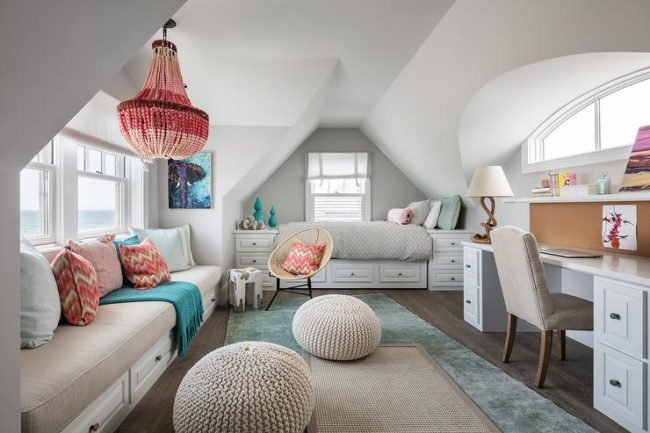
Moreover, the aesthetic possibilities of attic conversions have captured the imagination of Dublin homeowners. Exposed beams, vaulted ceilings, roof light windows offering sky views, and creative use of previously wasted space provide architectural interest often lacking in conventional rooms. Many conversions become the most characterful and desirable spaces in the home, far exceeding their original functional brief.
The Maturation of the Conversion Industry
The sector’s growth has also been self-reinforcing. As demand has increased, a sophisticated industry of specialist contractors, architects, and designers has emerged, offering increasingly competitive prices, shorter completion times, and higher quality workmanship. This professionalization has reduced the perceived risk associated with attic conversions and increased consumer confidence.
Specialist financing options, including renovation loans and mortgage top-ups specifically designed for home improvements, have made funding more accessible. Insurance products and guarantees now provide protection against potential issues, further reducing homeowner anxiety about undertaking such projects.
Looking Forward
The trajectory of Dublin’s attic conversion sector shows no signs of slowing. With property prices remaining elevated, remote working becoming permanently embedded in Irish workplace culture, and sustainability concerns continuing to influence homeowner decisions, the factors driving demand remain firmly in place.
As Dublin continues to densify and urban living space becomes increasingly valuable, the ability to unlock hidden potential within existing properties will only grow in importance. Attic conversions represent not merely a home improvement trend but a fundamental reimagining of how Dublin’s housing stock can adapt to meet contemporary needs. For homeowners, developers, and policymakers alike, the message is clear: sometimes the best way forward is to look up.
©2026 The Dedicated House. All rights reserved. No part of this blog post may be used or reproduced without the written consent of the copyright owner.
Click the links below for any posts you have missed:
 A Practical Guide to Comparing Mountain Homes Before You Buy in Vail, Colorado
 Revitalizing Your Home with Professional House Painting Services
 Large Bedroom Wardrobe Planning: A Room-First Guide to Layout, Storage, and Daily Use
 5 Types of Evidence that Can Strengthen a Personal Injury Claim In Red Bank, New Jersey
 Your Quick Guide to Cleaning Engineered Wood Flooring – Avoid Damage with These 5 Tricks
 Protecting Your Home from Tree-Related Property Damage
I’d love for you to join my email list! You’ll receive a notification straight to your inbox which will include links to my latest home project posts! Simply enter your address below.
Thanks for stopping by! Have a wonderful day/night depending on where you are in the world! Go with God and remember to be kind to one another!
Toodles,

Leave a Reply