After a collision, fall, or other serious incident in Red Bank, the priority should always be safety and appropriate medical care. Once immediate needs are addressed, the information collected can become important if an injured person later considers a personal injury lawsuit. Evidence does not have to be dramatic to be useful. A clear photograph, a treatment note, a witness’s phone number, or a saved receipt may help create a more complete picture of the event and its consequences. In a busy borough where pedestrians, cyclists, commuters, shoppers, and shore-bound traffic can share the same streets, careful documentation can be especially valuable.
Why Evidence Matters After an Accident
A personal injury claim generally involves several practical questions: What happened? What conditions contributed to the accident? What injuries resulted? What treatment was needed? What financial and personal effects followed? Different forms of evidence may help answer different parts of that story. Not every item will apply to every case. A crash on Broad Street may involve vehicle damage, roadway photos, and a police report. A fall at a local business may involve pictures of the area, footwear, surveillance footage, and an incident report. The goal is not to collect everything possible. It is to preserve accurate information that relates to the accident and injury.
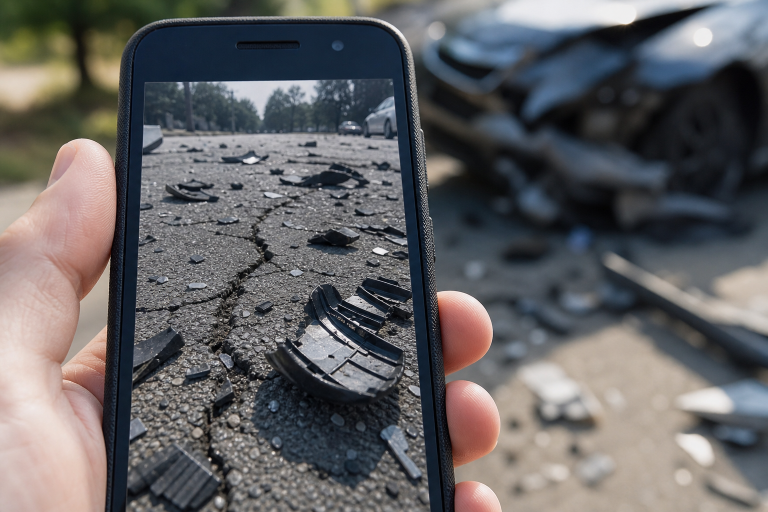
1. Scene Photos and Video
Photos and videos taken soon after an accident can document conditions that may later change. Rain dries, debris is removed, vehicles are repaired, lighting changes, and a temporary hazard may disappear. When it is safe to do so, images can capture details that are difficult to describe from memory.
What to Photograph
- Wide views that show the overall location and surrounding area.
- Close-up images of vehicle damage, broken pavement, spills, damaged equipment, or other hazards.
- Traffic signs, crosswalks, signals, lane markings, and sightlines.
- Weather, lighting, construction activity, and road or sidewalk conditions.
- Visible injuries, damaged clothing, personal property, or safety equipment.
Keep the original image files whenever possible. Avoid relying only on edited, cropped, or social-media versions. If a nearby business, residence, or vehicle may have recorded the event, promptly note the possible camera location, as footage may not be retained indefinitely.
2. Medical Records and Treatment Documentation
Medical evidence helps connect an injury to the accident and shows the care that was recommended or provided. A prompt evaluation can be important because some injuries, including concussions, soft-tissue injuries, and symptoms involving the neck or back, may not be fully apparent at the scene.
Records Worth Keeping
- Emergency department, urgent care, and physician records.
- Diagnostic test results and imaging reports.
- Physical therapy, chiropractic, rehabilitation, or specialist notes.
- Prescription records, medical-device receipts, and appointment summaries.
- A personal journal describing pain levels, sleep problems, mobility limits, and missed activities.
Follow reasonable treatment recommendations and keep scheduled appointments when possible. If an appointment must be missed or treatment is interrupted, make a note of the reason. Accurate records are more useful than trying to recreate a timeline months later.
3. Witness Statements and Contact Information
Independent witnesses may provide observations that neither injured person nor the other party can offer. They may have seen a driver ignore a signal, noticed a dangerous condition before a fall, or heard statements made immediately after an accident. Ask willing witnesses for their full name, phone number, email address, and a brief description of what they observed. It is better to gather contact information than to pressure someone for a detailed statement at the scene. Memories can fade, and a neutral account may become harder to locate if the person’s information is never recorded.
4. Police Reports and Other Official Records
Police reports, incident reports, emergency dispatch records, and reports prepared by a property owner can provide a contemporaneous record that an event was reported. They may identify people involved, list witnesses, describe the location, or note the time and conditions present. For a motor vehicle collision, keep the report number and request a copy through the appropriate channel. New Jersey residents can submit a motor vehicle crash report when police did not attend the scene, subject to the applicable reporting requirements. An official report is not necessarily the final word on responsibility, and it may contain errors or incomplete details. Still, it can be an important starting point. Review it carefully, preserve it with the rest of the file, and note any factual issues that may need clarification.
5. Financial Records and Proof of Daily Impact
An injury can affect more than medical bills. Missed work, transportation costs, household help, medication, and reduced ability to manage ordinary activities may all create practical burdens. Financial records help show the measurable effects of an accident.
Documents to Save
- Medical bills, insurance explanations of benefits, and payment receipts.
- Pay stubs, tax records, work schedules, and employer notes showing missed time.
- Receipts for rides to appointments, parking, medication, braces, or other supplies.
- Repair estimates, replacement receipts, and photographs of damaged property.
- Notes about assistance needed for child care, chores, errands, or personal care.
For example, someone recovering from a leg injury may miss several shifts, pay for transportation to therapy, and need help with groceries or household chores. Individually, these costs may seem small. Together, they can provide meaningful context about how the injury disrupted ordinary life.
How to Preserve Evidence Without Creating Problems
Create one paper folder or secure digital folder for accident-related materials. Save documents by date, back up photos and video, and keep a short written timeline while details remain fresh. Include the date, time, location, weather, people present, treatment received, and major communications. It is also wise to be cautious with public statements. Avoid guessing about fault, exaggerating symptoms, deleting relevant posts, or discussing the details of the incident on social media. Keep communications with insurers factual, and read documents carefully before signing them. When a case involves serious injuries, disputed facts, multiple parties, an insurer’s early settlement offer, or a public entity, legal guidance may help a person understand the records and deadlines that apply. New Jersey residents can also review court self-help materials for general information about navigating civil court matters.
Final Thoughts
Evidence is strongest when it is timely, accurate, and organized. Scene images can preserve details about roadway conditions, vehicle damage, lighting, weather, hazards, and other circumstances that may change shortly after an accident. Medical records can document reported symptoms, diagnoses, treatment, follow-up care, and any recommended restrictions, while witnesses may provide independent observations about what they saw or heard. Official police or incident reports can also preserve important early details about the event. Financial records, including medical bills, receipts, repair estimates, pay records, and documentation of missed work, can help show the real-world impact of an injury or property loss. Keeping these materials together can make them easier to review when communicating with an insurer or legal professional. Taking practical steps after an accident in Red Bank can help preserve important information while allowing the injured person to focus on appropriate medical care and recovery.
©2026 The Dedicated House. All rights reserved. No part of this blog post may be used or reproduced without the written consent of the copyright owner.
Click the links below for any posts you have missed:
 Your Quick Guide to Cleaning Engineered Wood Flooring – Avoid Damage with These 5 Tricks
 Protecting Your Home from Tree-Related Property Damage
 Charlotte Homeowner’s Guide to Spotting Roof Damage After Severe Weather
 Property Division Mistakes to Avoid in NH
 Funding Safe Drinking Water Wells for Rural Communities
 The Connection Between Mental Health, Stress and Substance Abuse
I’d love for you to join my email list! You’ll receive a notification straight to your inbox which will include links to my latest home project posts! Simply enter your address below.
Thanks for stopping by! Have a wonderful day/night depending on where you are in the world! Go with God and remember to be kind to one another!
Toodles,

Leave a Reply