Imagine a life without clean water or proper wastewater disposal. For millions in rural America, this isn’t just a thought—it’s a daily reality if their private well or septic system fails. These decentralized systems are the backbone of rural living, quietly handling our most essential needs.
But these vital systems are often unseen, unappreciated, until a problem arises. Aging infrastructure, environmental concerns, and the sheer cost of repairs or replacement can overwhelm homeowners. The financial burden of a failing septic system or the need for a new private well can be substantial, often reaching tens of thousands of dollars.
We understand these challenges. Ensuring access to safe, reliable water and effective wastewater treatment is crucial for health, property value, and environmental protection. For many rural residents, securing access to clean-water wells and maintaining efficient septic systems is a constant concern.
This comprehensive guide aims to shed light on the various programs and resources available. We will explore how homeowners can get much-needed support to repair, replace, or maintain their septic systems and private wells. Let us help you navigate the options to secure sustainable water solutions for your rural home.
The federal government, recognizing the critical role of decentralized water and wastewater systems in rural areas, offers several programs designed to provide financial assistance. These initiatives often work through state and local partners, acting as vital lifelines for homeowners facing significant costs.
One of the primary avenues for funding is the Environmental Protection Agency’s (EPA) Clean Water State Revolving Fund (CWSRF). While primarily directed at states for large-scale infrastructure projects, states can and do use these funds to establish decentralized wastewater programs, including loans for individual homeowners. The CWSRF acts like an environmental infrastructure bank, providing capitalization grants to all states, which then offer low-interest loans to communities and, in some cases, directly to homeowners for septic system repairs or replacements.
The U.S. Department of Agriculture (USDA) Rural Development also plays a significant role, offering various programs tailored to rural residents. These often come in the form of direct loans or grants aimed at improving housing conditions, which frequently includes addressing failing septic systems or the need for a safe well. Furthermore, the Department of Housing and Urban Development (HUD) Community Development Block Grants (CDBG) can be a source of funding, typically administered at the local government level, to support community development needs, including water and sewer infrastructure improvements for low- and moderate-income residents.
The EPA’s Water Finance Clearinghouse serves as a valuable resource, helping communities and individuals identify potential funding sources for water infrastructure projects. It’s a comprehensive database that connects users with federal, state, and local financing opportunities. Understanding these revolving funds and grant mechanisms is the first step in securing the necessary septic system help or well improvements.

USDA Section 504 Housing Repair Loans and Grants
For many rural homeowners, particularly those with limited incomes, the USDA Section 504 Housing Repair Loans and Grants program stands out as a crucial resource. This program is specifically designed to help very-low-income homeowners in rural areas repair, improve, or modernize their homes, or remove health and safety hazards. A failing septic system or a contaminated private well falls squarely within the scope of eligible health and safety remediations.
As of August 2026, eligible homeowners can receive loans up to $20,000 for necessary repairs. These loans typically come with a very low, fixed interest rate (currently 1%) and a repayment period of up to 20 years, making them accessible even for those on tight budgets. For elderly, very-low-income homeowners (age 62 or older who cannot repay a loan), grants of up to $7,500 are available. These grants can be used to remove health and safety hazards, which often include significant septic system repair cost or well rehabilitation.
To qualify for Section 504 assistance, applicants must meet specific income criteria, generally defined as “very low income” for their area, and be unable to obtain affordable credit elsewhere. The property must be owner-occupied and located in an eligible rural area. This program provides vital septic system help and ensures that seniors and low-income families can live in safe and healthy homes without the overwhelming burden of unexpected repair expenses.
Clean Water Infrastructure Funding for Tribal and Small Communities
Beyond individual homeowner assistance, federal programs also target broader community needs, particularly in Tribal nations and small rural communities where infrastructure challenges can be more pronounced. These communities often face unique hurdles in developing and maintaining robust clean water and wastewater systems.
The EPA’s Clean Water Indian Set-Aside (CWISA) program is specifically designed to provide grants to Tribal governments for wastewater infrastructure projects. This funding helps Tribes address critical water quality issues, construct new systems, or upgrade existing ones, including decentralized wastewater treatment. Similarly, HUD’s Indian Housing Block Grant (IHBG) program offers flexible funding to eligible Indian Tribes and Tribally Designated Housing Entities, which can be used for housing development, rehabilitation, and infrastructure improvements, including water and sewer connections.
The Economic Development Administration (EDA) also offers infrastructure grants that can support water and wastewater projects in distressed communities, often complementing other federal efforts. Furthermore, Community Development Financial Institutions (CDFIs) and various regional non-profit partnerships play a crucial role. These organizations often receive federal funding or leverage private capital to establish revolving loan funds or provide technical assistance to small communities and individual homeowners. They can bridge gaps in traditional financing, offering specialized septic system help and well funding solutions tailored to local needs. These programs are essential for ensuring that all rural residents, regardless of their community’s size or Tribal affiliation, have access to safe and reliable water and wastewater services.
State and Regional Financial Assistance Programs
While federal programs provide a foundational layer of support, many states and regional entities have developed their own robust financial assistance programs to address localized water quality concerns and provide septic system help to their residents. These state-specific initiatives often complement federal funding, offering additional grants, low-interest loans, and technical assistance.
Many states operate their own versions of revolving funds, often capitalized by the federal CWSRF, but with state-specific eligibility and application processes. These funds are crucial for financing water quality initiatives, including projects focused on decentralized wastewater systems and well rehabilitation. For example, some states prioritize funding in areas with impaired water bodies or where a high concentration of failing septic systems poses a public health risk.
These programs can vary widely from state to state. Some might offer direct loans to homeowners, while others work through county health departments or local non-profits. It’s essential for homeowners to research their specific state’s environmental or health department websites to understand the available options. These resources are designed to help homeowners overcome the financial barriers associated with repairing or replacing failing septic systems and ensuring the safety of their private wells.

Integrating Clean Water Infrastructure with Decentralized Wastewater Systems
The health of our private wells is intrinsically linked to the performance of our decentralized wastewater systems, primarily septic tanks and drainfields. When a septic system fails, it doesn’t just create a mess in the backyard; it poses a direct threat to groundwater quality and, consequently, to nearby private drinking water wells. This interconnection underscores the importance of integrating clean water infrastructure efforts with robust septic system help initiatives.
Wellhead protection is a critical concept in this regard. It involves establishing protective zones around private wells to prevent contamination. Proper setback distances between septic drainfields and wells are legally mandated in most jurisdictions to allow for natural filtration of wastewater before it reaches the aquifer. However, aging systems, improper maintenance, or unforeseen environmental factors can compromise these protections.
When septic systems fail, they can leach harmful bacteria, viruses, and nitrates directly into the groundwater. This can lead to serious health risks for those relying on private wells for their drinking water. Therefore, programs that offer septic system help for repairs or replacements are not just about wastewater disposal; they are fundamentally about protecting our aquifer security and ensuring access to safe, clean-water wells. Organizations like the Water Well Trust work to provide affordable, potable water to rural Americans who need it most, often by addressing issues stemming from inadequate or failing wastewater systems. Understanding and maintaining this delicate balance is paramount for the long-term health and sustainability of rural communities.
Targeted State Subsidies and Non-Profit Lending
Beyond broad state programs, many regions and local entities have developed highly targeted subsidies and partnered with non-profit lenders to offer specialized septic system help. These programs are often designed to address specific local environmental challenges or to support particular homeowner demographics.
For instance, the Catskill Watershed Corporation in New York offers a robust Septic System Rehabilitation program. This unique initiative covers a significant portion, sometimes even 100%, of repair or replacement costs for qualifying full-time residents in the watershed, especially for systems over 20 years old. This level of support highlights a strong commitment to protecting a vital drinking water source for New York City.
In Michigan, the Michigan Saves Septic Replacement Loan Program provides income-qualified loans up to $30,000 per project. These loans boast incredibly low interest rates, no higher than 1%, with terms up to ten years, specifically targeting homeowners needing septic system replacement funding. For example, a family of four earning $99,000 or less in August 2026 would likely qualify for these favorable terms. This program also offers market-based loans up to $75,000 for those who don’t meet income qualifications but still need financing.
West Virginia offers its Residential Septic Loan Program, providing up to $10,000 at a 2% interest rate, repayable over 10 years. This program is notable for its flexibility, assisting with both failing septic systems and connections to public sewer lines when available.
Local public health departments are also stepping up. The Cobb & Douglas Public Health Low-Income Septic System Pump/Repair Project in Georgia, for example, subsidizes up to $500 for septic tank pumping and up to $15,000 for repairs or sewer connection for low-income homeowners (at or below 300% of the Federal Poverty Level). These local initiatives, often fueled by federal allocations like ARPA funds, demonstrate a direct commitment to community health and environmental protection.
Additionally, some states offer tax incentives, such as tax credits for septic system upgrades or cesspool conversions, further reducing the financial burden on homeowners. These diverse programs illustrate the varied approaches states and non-profits take to provide essential financial assistance for septic system needs.
Protecting Drinking Water from Decentralized System Failures
The integrity of a rural home’s septic system is directly tied to the safety of its drinking water, especially when relying on a private well. A failing septic system can introduce a host of contaminants into the groundwater, posing serious health risks. Therefore, understanding how to protect drinking water from decentralized system failures is paramount.
One of the most immediate threats from a failing septic system is the introduction of coliform bacteria and other pathogens into the groundwater. These microorganisms, originating from human waste, can cause gastrointestinal illnesses. Beyond pathogens, excess nitrogen from wastewater can also leach into aquifers, leading to elevated nitrate levels in drinking water. High nitrate levels are particularly dangerous for infants, potentially causing “blue baby syndrome.”
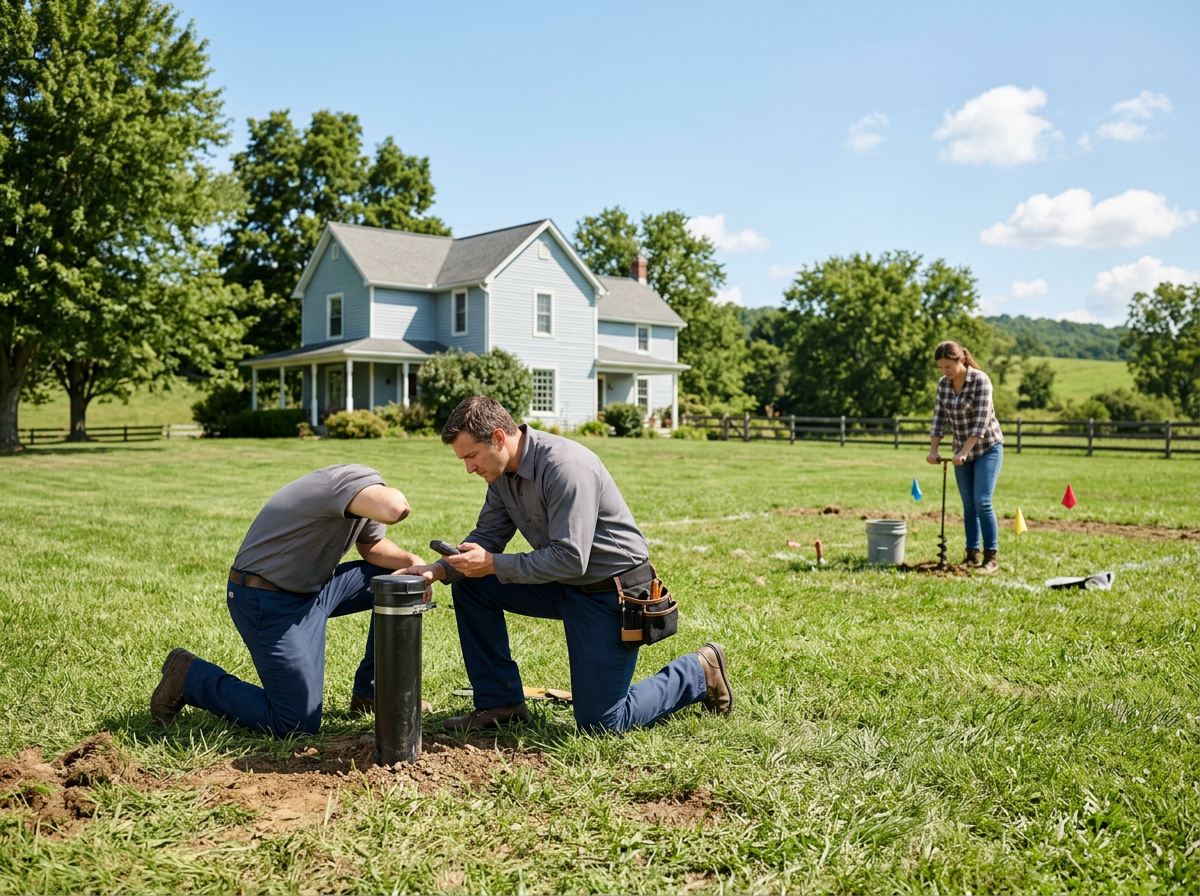
Proper soil percolation is the natural defense mechanism against these contaminants. The drainfield is designed to allow wastewater to slowly filter through the soil, where microorganisms break down pollutants. However, if the soil becomes saturated or clogged, this treatment process fails, and untreated effluent can reach the water table. This is why maintaining adequate drainfield setbacks from private wells is crucial, as is regular well testing.
Warning Signs of Groundwater and Well Contamination
Being vigilant about the signs of potential groundwater and well contamination is a homeowner’s first line of defense. While some signs are obvious, others are more subtle and require proactive monitoring.
One of the clearest indicators of septic system failure impacting groundwater is the presence of surfacing wastewater in the drainfield area. This can manifest as soggy spots, unusually lush or bright green grass (even in dry weather), or foul sewage odors. If you notice any of these, it’s a strong sign that your septic system needs immediate septic system help.
More insidious are internal well contamination issues. Nitrate spikes in routine well water tests are a red flag, often indicating agricultural runoff or, more pertinently, a failing septic system. Pathogen migration, evidenced by the presence of coliform bacteria in water samples, points to direct contamination from waste. A compromised well casing, such as cracks or improper sealing, can also allow surface contaminants to enter the well directly.
We recommend routine well water sampling, especially for bacteria and nitrates, at least annually. If any of these warning signs appear, or if your well water suddenly changes in taste, odor, or clarity, it’s imperative to stop using it for drinking or cooking and contact a certified well driller or health department for immediate biological testing and guidance.
Long-Term Maintenance and Asset Management
Preventing septic system failure and ensuring safe drinking water requires a commitment to long-term maintenance and proactive asset management. Just like any other critical home system, a septic system needs regular care to function properly and avoid costly repairs or replacements.
The most fundamental maintenance task is preventative pumping of the septic tank. While septic systems usually last 30-40 years before needing full replacement, the tank itself needs pumping every 3 to 5 years, depending on household size, water usage, and tank capacity. This prevents the accumulation of solids from overflowing into the drainfield, which is the most expensive component to repair.
Annual well water testing is another non-negotiable aspect of asset management for rural homeowners. This helps detect contamination early, allowing for timely intervention before health risks escalate. Additionally, ensuring proper backflow prevention devices are installed and functional can prevent contaminated water from entering the potable water supply.
Working with certified contractors for both septic system maintenance and well services is crucial. These professionals have the expertise to identify potential issues, perform necessary repairs, and ensure compliance with local regulations. Keeping detailed records of all inspections, pumping dates, and repairs will not only help track the system’s history but also be invaluable if you ever need to sell your property. By embracing these practices, homeowners can significantly extend the lifespan of their systems, protect their investment, and safeguard their family’s health.
Frequently Asked Questions About Rural Water Funding
Navigating the various funding options for septic system help and private well improvements can be complex. Here, we address some of the most common questions homeowners have about securing financial aid for their rural water infrastructure.
What government programs provide grants for private drinking water wells?
Several government programs offer assistance for private drinking water wells, often intertwined with septic system aid. The USDA Section 504 Housing Repair Loans and Grants program, as discussed, provides grants up to $7,500 for very-low-income elderly homeowners to remove health and safety hazards, which can include repairing or replacing a contaminated well.
Another significant resource is the USDA Rural Decentralized Water Systems Grant Program. This program provides grants to qualified non-profit organizations that then establish revolving loan funds. These funds offer loans with a 1% fixed interest rate, a 20-year maximum term, and a maximum of $15,000 per household, specifically for individual household wells and septic systems. Homeowners would apply through these non-profit lenders, making access to septic system help and well funding more manageable.
How do septic system failures impact rural drinking water supplies?
Septic system failures pose a direct and significant threat to rural drinking water supplies, especially for homes relying on private wells. When a septic system malfunctions, untreated or inadequately treated wastewater can leach into the ground, carrying pathogens (bacteria and viruses) and excess nutrients, particularly nitrates.
These contaminants can then migrate through the soil and into the groundwater aquifer that supplies private wells. Pathogens can cause acute gastrointestinal illnesses, while high nitrate levels can be particularly dangerous for infants, leading to methemoglobinemia (blue baby syndrome), and may also be linked to other health issues in adults. This is why proper setback rules between septic systems and wells are critical, and why regular wellhead testing is essential to detect contamination early and protect public health.
Who is eligible for decentralized water infrastructure financial aid?
Eligibility for decentralized water infrastructure financial aid, including septic system help and well funding, typically focuses on specific criteria designed to assist those most in need. Generally, programs prioritize very-low-income households and rural seniors.
Income qualifications are a common factor, with some programs, like the Cobb & Douglas Public Health project, extending eligibility up to 300% of the Federal Poverty Level to encompass a broader range of struggling homeowners. Most assistance programs also require the property to be owner-occupied, meaning it’s the primary residence of the applicant, and not a rental or commercial property. The property must also be located in an eligible rural area, as defined by the specific federal or state program. It’s always best to contact your local county health department or USDA Rural Development office to confirm specific eligibility requirements for programs in your area.
Conclusion: Securing Sustainable Water for Rural Communities
The challenges of maintaining safe drinking water and effective wastewater treatment in rural communities are substantial, but the resources available for septic system help and well improvements are growing. From federal programs like USDA Section 504 loans and grants to state-specific initiatives and local non-profit lending, a robust network of support exists to help homeowners navigate these critical infrastructure needs.
By understanding the various funding mechanisms, recognizing the signs of system failure, and committing to long-term maintenance, rural residents can protect their financial investments, safeguard their health, and contribute to broader watershed resilience. The interconnectedness of our private wells and septic systems means that responsible management of one directly impacts the safety and sustainability of the other.
We encourage all rural homeowners to proactively engage with their local health departments, USDA Rural Development offices, and state environmental agencies. These entities are your primary contacts for determining eligibility, understanding application processes, and connecting with certified professionals. Through public-private partnerships and a community-wide commitment to clean water, we can ensure that every rural home has access to the safe, sustainable water solutions it deserves, fostering healthier and more equitable communities for generations to come.
©2026 The Dedicated House. All rights reserved. No part of this blog post may be used or reproduced without the written consent of the copyright owner.
Click the links below for any posts you have missed:
 The Connection Between Mental Health, Stress and Substance Abuse
 Why Addiction Recovery Often Requires More than Simply Stopping Drugs or Alcohol
 Common Upholstery Cleaning Mistakes and How to Avoid Them
 The Appeal of Simplified Living Without Giving Up Comfort
 When Your Living Space Needs More Personality and Less Clutter
 Making Your College Apartment Work for Your Lifestyle
I’d love for you to join my email list! You’ll receive a notification straight to your inbox which will include links to my latest home project posts! Simply enter your address below.
Thanks for stopping by! Have a wonderful day/night depending on where you are in the world! Go with God and remember to be kind to one another!
Toodles,

Leave a Reply