Furniture takes a beating every single day in busy households. Dust, food crumbs, and accidental spills quickly dull the appearance of your favorite couch or armchair.
Many homeowners jump into spot treating without knowing the proper techniques. Taking the wrong approach can ruin sensitive fabrics beyond repair. Avoiding simple errors keeps your furniture fresh, clean, and durable for years.
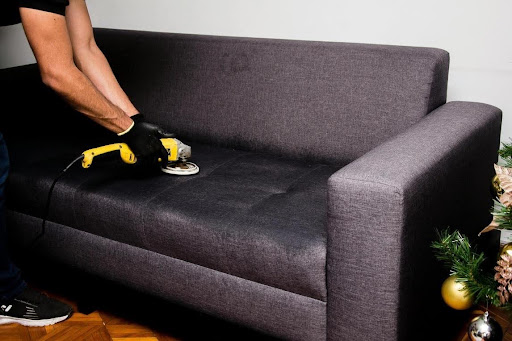
Skipping Spot Tests Before Cleaning
Applying a chemical formula straight onto a stained cushion is a recipe for disaster. Dyes in woven fibers react unpredictably to unfamiliar solutions. Testing your formula on a hidden corner prevents massive patches of ruined fabric.
A guide from Iowa State Extension mentions testing any stain treatment in a hidden spot to verify that color stays intact. Skipping this step risks bleeding colors across your furniture frame. Bleeding dyes turn minor spots into permanent eyesores.
Take 5 minutes to dab a tiny drop of soap on the back skirt or under a cushion. Wait 10 minutes, then press a dry towel against the area. If dye transfers to the towel, stop immediately and seek alternative options.
Knowing When to Call Professionals
DIY methods work wonders on small daily messes, but complex fabrics require trained hands. Deeply embedded dirt or antique velvet can suffer severe damage from amateur attempts.
Homeowners often waste hours battling stubborn set-in marks on delicate furniture. When homemade remedies fail to yield results, hiring experts to get cleaning done properly saves both time and money. Professional crews bring industrial extraction tools that pull out ground-in dirt without damaging delicate weave fibers.
Investing in expert care every 12 to 18 months preserves the original texture of high-use seating. Professional equipment extracts deep allergens without leaving heavy moisture behind. It keeps your living space looking pristine without risking costly replacement fees.
Professional cleaning is a good choice when upholstery has deep stains, strong odors, or delicate fabrics. Trained cleaners can identify the fabric type and choose the right products. They use special tools to remove dirt and moisture better than basic equipment.
Professional checks can also find hidden wear or damage before it gets worse. Scheduling expert cleaning at the right times helps protect furniture, keep it looking good, and make it last longer.
Scrubbing Stains Instead of Blotting
When juice spills, your first move might be to scrub hard. But that pushes the liquid deeper into the padding. It also frays the threads on plush fabrics.
An educational guide says rubbing spreads stains and damages the fiber. Instead, dab gently with upward pressure. That keeps the liquid on the surface.
Blotting lifts the spill and leftover soap without spreading it, according to a local guide.
Patience works better than force. Gentle dabbing keeps the fabric intact and stops ring marks from forming.
Start cleaning from the outside edge of the stain and work toward the center. That keeps the stain from spreading. Use a clean part of the cloth for each pass. That way you don’t put the stain back on the fabric.
Test any cleaner on a hidden spot first. Make sure it doesn’t change the color or damage the fabric. Once the stain is gone, let the area dry fully before you sit on it again.
Overwetting the Upholstery Fabric
Soaking a cushion might seem like a fast way to clean it. But too much water soaks into the inner foam where air can’t reach. Moisture trapped inside can cause bad odors that are hard to get rid of.
A cleaning guide from the University of Georgia warns against getting fabric or carpet too wet when using solvents. Soaked padding can lead to mold growth inside the furniture.
The EPA also says you need to use a special extractor vacuum zto remove water from upholstery. Trapped water can damage the frame and springs over time.
Use a spray bottle to mist the fabric instead of pouring water on it. Run fans to help the furniture dry faster after you spot clean. Quick drying protects both the filling and the outer fabric.
Before you begin cleaning, check the manufacturer’s label. It tells you which methods are safe for your upholstery. Different fabrics can be damaged by too much water, heat, or certain cleaners. Work in small sections so you can control how much liquid you use.
Open windows or use fans to help the furniture dry after cleaning. Let cushions dry completely before you use them again. This is especially important if the inner padding got wet.
Applying Excessive Heat or Harsh Solvents
Steam cleaners work great on tile and grout. But high heat can damage delicate upholstery. It bakes protein stains like milk or blood into the fabric.
A carpet cleaning guide says using the wrong products can cause color loss, shrinkage, and rough texture. Synthetic fabrics can melt under extreme heat and leave shiny streaks on cushions.
Another guide recommends avoiding harsh chemicals or steam on items that react badly to heat. Stick to safe methods when cleaning upholstery:
- Check manufacturer care labels
- Avoid applying boiling water
- Skip bleach, ammonia, or degreasers
Always match your cleaning approach to the specific fiber type listed on the tag under your sofa frame. Correct matching prevents permanent structural breakdown of the fabric.
Reaching for Heavy Synthetic Detergents
Strong chemical scents may make things smell clean, but heavy synthetic soaps leave sticky residue behind. That residue attracts dirt and makes furniture look dull in just a few days.
The National Park Service suggests using unscented, eco-friendly soap instead of heavy laundry detergents. Mild formulas rinse out cleanly and don’t leave stiff residue on soft fabrics.
For spot cleaning, mix mild dish soap with warm water. Rinse the spot with a damp cloth afterward to remove all soap. A clean rinse keeps fabrics soft and comfortable for everyday use.
Keeping Upholstery Clean and Protected
You don’t need to be a pro to clean upholstery. But the wrong move can cause permanent damage. A few simple habits help: test cleaners first, blot spills, go easy on water, and skip harsh chemicals. Always read the care label before you start.
For tougher jobs, call in the pros. Regular cleaning removes dirt, protects the fabric, and keeps your furniture looking good. Do it right, and your favorite pieces will last much longer.
For more practical cleaning tips, explore our other helpful guides and discover simple ways to keep your home looking its best.
©2026 The Dedicated House. All rights reserved. No part of this blog post may be used or reproduced without the written consent of the copyright owner.
Click the links below for any posts you have missed:
 The Appeal of Simplified Living Without Giving Up Comfort
 When Your Living Space Needs More Personality and Less Clutter
 Making Your College Apartment Work for Your Lifestyle
 6 Leading Residential Addiction Treatment Centers In Denver, Colorado
 Maximizing Comfort: Home Energy Efficiency Upgrades
 The Fundamentals of Site Development and Excavation
I’d love for you to join my email list! You’ll receive a notification straight to your inbox which will include links to my latest home project posts! Simply enter your address below.
Thanks for stopping by! Have a wonderful day/night depending on where you are in the world! Go with God and remember to be kind to one another!
Toodles,

Leave a Reply