In 2026 and beyond, commercial interior design is evolving to meet not just aesthetic demands but also practical, sustainable, and wellness-oriented goals. In a competitive talent market, organizations recognize that workspace design can influence productivity, employee satisfaction, and even client perceptions. The latest trends focus on spaces that are functional, sustain human well-being, and align with corporate responsibility. For forward-thinking organizations ready to adapt, experts at https://www.workscapedesigns.com are invaluable for understanding and implementing these changes.
Modern interiors are no longer just about style. Flexibility, biophilic elements, technology, sustainability, and sensory engagement now anchor design strategies. This transformative shift is helping businesses design spaces that are resilient, future-proof, and reflective of organizational culture. Employees and visitors alike expect environments that are both inspiring and intuitive, making purposeful design essential for long-term growth.
Whether reconfiguring office layouts to accommodate evolving work styles or incorporating hospitality-inspired comforts to enhance employee retention, leaders in commercial interiors are setting new benchmarks. This article explores these trends, so organizations can proactively plan and invest in spaces that help them thrive. The journey toward next-generation commercial interiors starts with informed, intentional choices derived from current research and insights.
As you explore these key trends, consider their impact not just on your business’s functionality but also on the ability to attract and retain top talent in a rapidly changing work environment. Adopting early and thoughtfully is a decisive factor in maintaining a competitive edge.
Flexible Workspaces
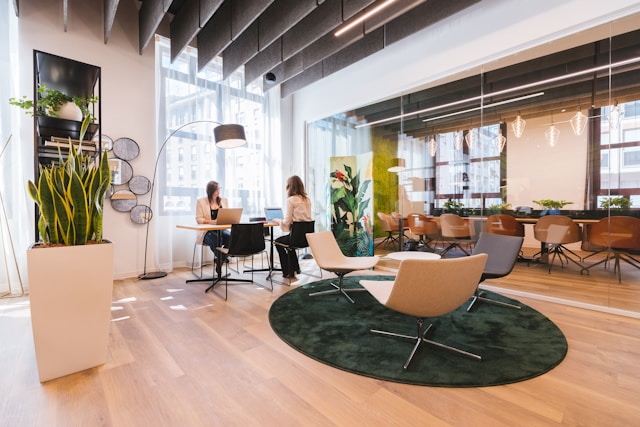
Hybrid work is fundamentally changing office layouts. Spaces that seamlessly shift between group collaboration, focused work, and relaxation are essential. Modular furniture and movable dividers offer a solution for organizations that require agility without sacrificing overall design flow. Companies are increasingly relying on designs that enable rapid adaptation as team dynamics or business needs change.
Additionally, flexible workspaces help maximize an organization’s real estate investment. Desk hoteling and reservation systems maximize utility while avoiding overcrowding. Moveable privacy screens and demountable partitions allow for spontaneous collaboration or solo focus. By investing in these adaptive strategies, organizations can easily scale or reorganize teams, making spaces future-ready for growth and technology adoption. In this fluid environment, employees have greater autonomy over their work settings, boosting satisfaction and engagement.
Biophilic Design
Biophilic design, or the practice of integrating natural elements such as plants, water features, and natural light, has proven benefits for well-being. Materials such as wood, stone, and organic textiles are paired with living walls and broad windows, creating spaces that reduce stress and foster creativity. Organizations are leveraging these natural features to foster environments where employees feel energized, connected, and at ease.
This connection to nature is increasingly supported by scientific studies linking biophilic spaces to reduced anxiety, lower absenteeism, and even improved cognitive function. The integration of biophilic design goes beyond plants and daylight; it also means arranging spaces to maximize sight lines to natural elements, using organic shapes, and incorporating calming color palettes inspired by the outdoors. Sensory elements, such as flowing water or curated sounds, further contribute to a tranquil, engaged office atmosphere.
Technology Integration
Today’s commercial interiors embed technology without disrupting aesthetics. Automated lighting, smart thermostats, and touchless entry systems are becoming baseline expectations. Sophisticated audiovisual and conferencing setups are designed to blend seamlessly into the environment, making remote collaboration easier and more effective. Integrated control systems that unify lighting, climate, security, and multimedia functions are increasingly valued for their ability to balance functionality with clean, modern design.
As artificial intelligence (AI) and the Internet of Things (IoT) continue to evolve, commercial spaces are expected to adopt even more intuitive and responsive technology solutions. From occupancy sensors that automatically adjust airflow and temperature to app-driven room booking and environmental controls, these innovations optimize comfort and efficiency. Integrating technology with design ensures seamless user experiences, minimizing friction and supporting both hybrid and in-person work environments. Forward-looking organizations are also exploring augmented reality for virtual meetings and prototyping, as well as safer, more hygienic surfaces enabled by advanced smart materials. Together, these innovations are helping create adaptable workplaces that respond to user needs in real time while supporting productivity, sustainability, and long-term operational efficiency.
Sustainable Materials
Sustainability is a significant decision driver. Eco-conscious clients are seeking flooring, wall treatments, and furnishings made from recycled, reclaimed, or rapidly renewable resources. Low-emission finishes and durable goods further reduce environmental impact. As industries make environmental, social, and governance (ESG) commitments, designers now prioritize materials and processes that align with these values and demand increasing supply chain transparency.
The focus on sustainable materials also means eliminating waste and considering end-of-life recycling. Modular furniture that can be reconfigured or reused, and digital product passports that track a product’s material composition and recycling path, are gaining traction. Certification programs, such as LEED and WELL, are key indicators of a company’s commitment to sustainability and employee well-being, making them increasingly desirable in design and construction specifications. These efforts not only reduce ecological footprints but also improve employee morale by aligning corporate values with contemporary ethical standards.
Sensory-Based Design
Designers are moving beyond how spaces look to consider how they feel, sound, and even smell. Focusing on the senses, they use varied textures, ambient and task lighting, and layered acoustics to boost comfort and performance. Acoustic panels help reduce distractions, while subtle scents or air-purifying systems promote overall wellness. This emphasis ensures that interior environments are not only productive but also comforting and inviting.
More companies are incorporating tactile surfaces and biophilic soundscapes, while lighting designers are exploring circadian lighting that mimics natural daylight rhythms. Personalized controls enable users to modify settings for optimal comfort, reducing sensory fatigue. As research in neuroscience and human-centered design expands, expect sensory-based design to become even more sophisticated in commercial settings, delivering tailored environments for immersive focus or energizing teamwork.
Hospitality-Inspired Elements
Businesses are learning from the hospitality sector, transforming offices into inviting hubs that increase satisfaction and productivity. Coffee lounges, wellness rooms, and thoughtfully designed break areas inspired by boutique hotels are becoming common features. These touches welcome guests and build a sense of community, which can positively influence recruitment and retention efforts.
In addition to comfort, hospitality-inspired environments offer flexibility for informal meetings, creative brainstorming, or quiet rejuvenation. Wellness amenities such as fitness centers, meditation pods, and healthy snack stations are increasingly seen as must-haves in the modern workplace to foster better work-life balance. The attention to detail in hospitality helps organizations create memorable, positive experiences for everyone who interacts with the space.
Bold Brand Identity
Organizations want their physical spaces to make a strong statement about their culture and values. Custom murals, brand color palettes, and signature design elements transform commercial interiors into recognizable extensions of the company identity. This intentional approach not only strengthens internal culture but also leaves a lasting impression on clients and partners from the moment they arrive.
Designers are increasingly collaborating directly with brand strategists to ensure that every visual cue and functionality aligns with the organization’s story. Intentional graphics, curated art installations, and even unique architectural features help distinguish spaces in the marketplace. A bold, cohesive interior speaks loudly about a company’s ambitions, laying the groundwork for brand loyalty and deeper connections with both customers and employees.
Conclusion
The future of commercial interior design will continue to be shaped by flexibility, sustainability, technology, and sensory engagement. Prioritizing people, planet, and purpose, the most successful organizations will be those that invest in design strategies evolving alongside workforce and societal expectations. Thoughtful adoption of these trends enables spaces that are attractive, practical, and supportive of holistic well-being, setting the stage for long-term success.
As these trends accelerate, keeping a proactive approach is vital. Forward-thinking leaders should periodically assess workspace performance, employee feedback, and emerging innovations to stay ahead. Monitoring industry developments ensures interior environments remain not only visually relevant but fundamentally effective at supporting business goals. By embracing a continuous-improvement mindset, organizations can position themselves as employers and partners of choice well into the future.
©2026 The Dedicated House. All rights reserved. No part of this blog post may be used or reproduced without the written consent of the copyright owner.
Click the links below for any posts you have missed:
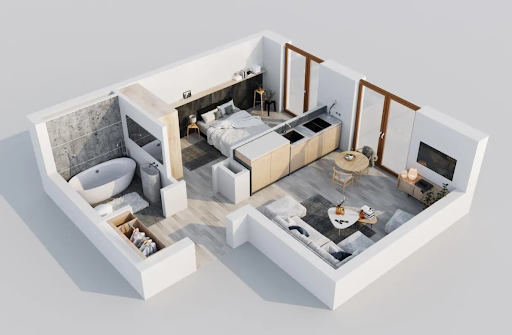 Best 3D Rendering Studios for Real Estate Marketing Agencies
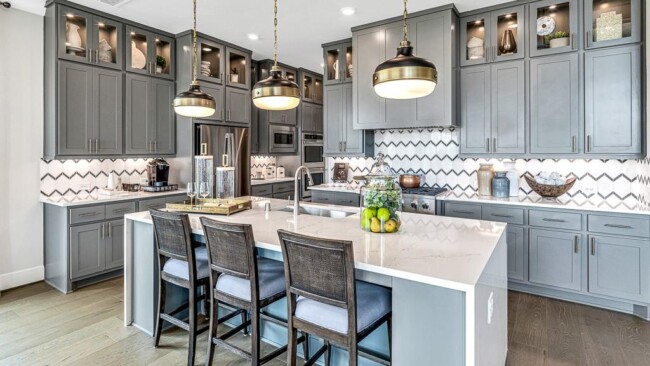 Maintaining Comfort in Residential Properties
 The Annual Service Your Heater Is Quietly Begging For
 Building the Future Outside In: Modern Exterior Upgrades for Smarter, Stronger Homes
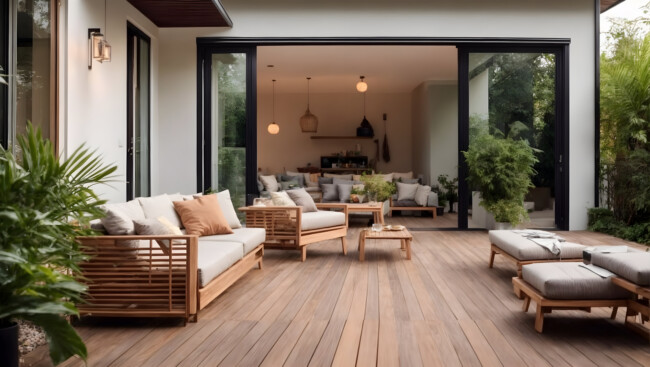 Rise of Indoor-Outdoor Living and What It Means for Homeowners
 The Repair Estimate that Made One Seller Choose Cash Instead
I’d love for you to join my email list! You’ll receive a notification straight to your inbox which will include links to my latest home project posts! Simply enter your address below.
Thanks for stopping by! Have a wonderful day/night depending on where you are in the world! Go with God and remember to be kind to one another!
Toodles,

Leave a Reply