Our homes are our sanctuaries, the places where we unwind, recharge, and truly live. But what truly defines comfort within these spaces? More than just aesthetics, residential property comfort profoundly impacts our daily well-being, health, and happiness. In this extensive guide, we delve into the multifaceted aspects of creating and sustaining truly comfortable living environments.

We will explore how cutting-edge energy-efficient features can transform Chicago homes, enhancing thermal stability and air quality while reducing costs. We’ll compare traditional and high-performance green homes, examine how modern building systems ensure year-round comfort, and discuss the unique advantages of furnished apartments for transitional residents, including options like those found in Uptown Chicago pet-friendly apartments. We will also highlight the critical role of property management in maintaining long-term tenant satisfaction. Join us as we uncover the essential elements for achieving optimal residential comfort.
Comfort in a residential property is a holistic experience that encompasses far more than just a pleasant temperature. It’s about creating an environment that supports our physical health, mental relaxation, and overall productivity. When we discuss residential comfort, we’re considering several interconnected factors: thermal comfort, indoor air quality, acoustic control, and visual comfort. These elements collectively shape our daily well-being, especially given that Americans spend over 90% of their time indoors. This significant indoor time makes the quality of our living spaces paramount to our health and happiness.

Thermal comfort refers to our satisfaction with the surrounding temperature and humidity. Ideally, indoor temperatures should remain between 70°F and 80°F (21°C and 27°C), with relative humidity between 30% and 70%. Deviations from this range can lead to discomfort, stress, and even health issues. Indoor air quality (IAQ) is equally crucial, focusing on the presence of pollutants and allergens, as well as on proper ventilation. Poor IAQ can exacerbate respiratory problems, reduce cognitive function, and diminish overall comfort. Effective ventilation systems, coupled with measures to prevent moisture accumulation and eliminate toxins, are vital for maintaining healthy indoor air.
Acoustic control plays a significant role in fostering a peaceful home environment. Unwanted noise from outside or within the building can disrupt sleep, concentration, and relaxation. Designing spaces with sound-dampening materials and construction techniques helps create quiet sanctuaries. Visual comfort involves the quality and quantity of natural light, views to the outdoors, and the aesthetic appeal of the interior design. Well-designed lighting and decor can reduce eye strain, improve mood, and make a space feel more inviting.
A comfortable home provides a sense of security, privacy, and personal space, allowing residents to relax and thrive truly. This foundation of well-being is what many seek in their ideal living space, whether it’s a permanent residence or a temporary arrangement. For those interested in understanding how these principles are applied in various residential contexts, exploring resources such as those detailing Valley Pacific residential comfort can offer valuable insights into comprehensive comfort solutions.
High-Performance Green Homes vs. Traditional Construction
The landscape of residential construction is evolving, with a growing emphasis on high-performance green homes that offer superior comfort and efficiency compared to traditional construction. This shift is particularly relevant in areas like Chicago, where extreme weather demands robust building performance.
At its core, a high-performance green home is designed as an integrated system that prioritizes energy efficiency, durability, and occupant well-being from the ground up. In contrast, traditional homes often meet only minimum code requirements, leading to compromises in long-term comfort and operational costs.
Here’s a comparison of key differences:
Feature Traditional Homes (Typical Existing) High-Performance Green Homes (e.g., 2021 IECC, Passive House) Energy Efficiency Meets minimum code; higher energy consumption for heating/cooling. Significantly lower energy use (up to 90% reduction vs. typical existing homes). Building Envelope Prone to air leakage; inconsistent insulation. Airtight construction; continuous insulation (e.g., R-19 walls, R-44 attics). Insulation Standard batt insulation; thermal bridging is common. Advanced insulation techniques; eliminates thermal bridging; higher R-values. Air Sealing Minimal or uncontrolled air sealing; significant air leakage (50%+). Comprehensive air sealing, reducing air leakage by 50% or more. Windows Single or double-pane; standard U-factors. High-performance double- or triple-paned windows with low-E coatings. Ventilation Often uncontrolled (infiltration); reliance on opening windows. Controlled mechanical ventilation (ERVs/HRVs) for fresh, filtered air. HVAC System Conventional, often oversized; less efficient. High-efficiency, right-sized HVAC (mini-splits, heat pumps); smart controls. Indoor Air Quality Variable; susceptible to outdoor pollutants; potential for moisture issues. Superior; fresh, filtered air; humidity control; low-VOC materials; mold prevention. Temperature Stability Fluctuations common; drafts; hot/cold spots. Consistent temperatures; reduced drafts; even heating/cooling. Durability Standard construction; potential for moisture damage, shorter lifespan. Enhanced moisture management; robust materials; longer structural integrity. Sound Control Limited sound reduction. Superior acoustic performance (e.g., ICFs with STC > 50). Certifications None beyond code compliance. ENERGY STAR, LEED, Passive House, HERS Index scores. Energy Savings and Comfort: Homes built to the 2021 International Energy Conservation Code (IECC) use approximately 40% less energy for heating and cooling than those built to the 2006 IECC. High-performance homes with continuous insulation and airtight envelopes can reduce heating and cooling energy use by up to 90% compared to typical existing homes. For instance, energy-efficient homes with high-performance windows and insulation can maintain comfortable indoor temperatures while using 30–50% less HVAC energy. In Chicago, the 2022 Chicago Energy Change Code mandates new construction to be about 40% more energy-efficient than previous codes, underscoring the city’s commitment to greener buildings.
Building Envelope and Durability: The building envelope—the roof, walls, windows, and foundation—is critical. In green homes, advanced insulation and comprehensive air sealing create a tight envelope that minimizes air leakage by 50% or more. This not only improves comfort by eliminating drafts but also significantly lowers energy bills. Enhanced durability and moisture management are also hallmarks of high-performance homes, contributing to a longer lifespan and reduced maintenance needs.
Key Building Systems for Year-Round Residential Property Comfort
Modern building systems are instrumental in achieving year-round residential comfort, particularly in climates with significant seasonal variations. These technologies offer precise control, superior efficiency, and improved indoor environments.
Energy Recovery Ventilators (ERVs) and Heat Recovery Ventilators (HRVs): These systems are vital for maintaining indoor air quality without sacrificing energy efficiency. ERVs and HRVs continuously bring in fresh outdoor air while exhausting stale indoor air. Critically, they recover a significant portion of the heat (or coolness) from the outgoing air and transfer it to the incoming fresh air. This process ensures a constant supply of filtered, fresh air, reducing indoor pollutants and humidity, all while minimizing energy loss. They are essential for airtight, high-performance homes to prevent stuffiness and maintain a healthy environment.
Smart Thermostats: Beyond simple temperature control, smart thermostats learn residents’ occupancy patterns and preferences, automatically adjusting heating and cooling schedules to optimize comfort and conserve energy. Many offer remote control via smartphone apps, allowing residents to pre-condition their homes before arrival. Features like geofencing can even detect when residents are away and adjust settings to save energy, then resume comfort settings as they approach home.
High-Efficiency Mini-Splits and Variable-Speed Heat Pumps: These systems represent a significant leap in HVAC technology.
- Ductless Mini-Splits: Ideal for zoned climate control, mini-splits allow individual rooms or areas to be heated or cooled independently. This means a consistently hot main bedroom can be made comfortable without over-cooling the rest of the house. Their ductless design eliminates energy losses associated with traditional ductwork, and their ultra-quiet operation enhances peace and relaxation. Many units include features like sleep mode, 4D airflow for customizable distribution, and “I FEEL” functions that sense temperature directly at the remote.
- Inverter Technology: A core component of modern mini-splits and heat pumps, inverter technology allows the compressor to adjust its speed rather than cycling on and off continuously. This results in more stable temperatures, reduced energy consumption, and quieter operation.
- Variable-Speed Heat Pumps: These systems can precisely match heating and cooling output to the building’s needs, offering superior comfort and efficiency. They can perform effectively even in extreme cold, with some models maintaining 100% cooling capacity at -22°F (-30°C) and up to 75% heating capacity at that temperature. Specialized features like smart pan heaters prevent ice buildup, ensuring reliable winter operation down to -13°F or even -15°F for professional series models.
These modern systems, including through-the-wall packaged heat pumps common in multifamily properties, are often pre-charged and pre-wired for simplified installation, providing flexible, efficient solutions for year-round comfort and reduced operating costs. They often boast high SEER2 (Seasonal Energy Efficiency Ratio), EER2 (Energy Efficiency Ratio), and HSPF2 (Heating Seasonal Performance Factor) ratings, indicating their superior energy performance.
The Role of Advanced Materials in Sound and Thermal Insulation
The choice of building materials significantly impacts a home’s comfort, particularly in terms of sound and thermal insulation, as well as overall resilience. Advanced materials offer solutions that go beyond basic functionality, creating truly comfortable and secure living spaces.
Insulated Concrete Forms (ICFs): ICFs are a prime example of a material that excels in multiple aspects of residential comfort. These hollow foam blocks, filled with concrete, provide continuous insulation and an effective air and moisture barrier.
- Superior Thermal Performance: ICF walls boast high R-values (e.g., R-23), helping maintain stable indoor temperatures and significantly reducing energy consumption. Homes built with ICFs can require 44% less energy to heat and 32% less energy to cool compared to wood-framed homes. The high thermal mass of concrete also helps regulate indoor temperatures by slowly absorbing and releasing heat, improving the mean radiant temperature and providing a more consistent feel.
- Exceptional Sound Control: One of the most immediate benefits of ICF construction is its ability to reduce noise. ICF-constructed homes can achieve Sound Transmission Class (STC) ratings above 50, dramatically reducing exterior noise from traffic, neighbors, and severe weather, creating a quieter, more peaceful indoor environment.
- Enhanced Durability and Resilience: Beyond insulation and soundproofing, ICFs offer superior structural integrity, making homes more resistant to natural disasters. They have high fire-resistance ratings (e.g., 2-4 hours) and can withstand winds exceeding 200 mph and projectile debris over 100 mph, providing a significant safety advantage and peace of mind for residents.
These advanced materials contribute to a comfortable home that is not only energy-efficient but also quiet, safe, and built to last.
Energy-Efficient Upgrades for Chicago Homes
Chicago’s climate presents unique challenges, with demanding winters and humid summers. Consequently, energy-efficient upgrades are not just about saving money; they are essential for maintaining comfort year-round. The city’s commitment to sustainability is reflected in the 2022 Chicago Energy Change Code, which requires new construction to be approximately 40% more energy-efficient than previous codes.

High-Performance Windows: Upgrading to double- or triple-paned windows with low-emissivity (low-E) coatings is a critical step. These windows significantly improve a home’s thermal performance by reducing heat transfer. In winter, they retain heat, and in summer, they block heat from entering, leading to more stable indoor temperatures and reduced reliance on HVAC systems. This can cut HVAC energy use by 30-50%.
Advanced Insulation and Air Sealing: A well-insulated and airtight building envelope is fundamental. This involves adding advanced insulation to walls (e.g., R-19), attics (e.g., R-44), and floors. Crucially, comprehensive air sealing measures prevent uncontrolled air leakage, which can account for a significant portion of energy loss. Properly sealed and insulated homes can reduce air leakage by 50% or more, eliminating drafts, ensuring consistent comfort, and lowering utility bills.
Local Programs and Incentives: Chicago residents can leverage various city programs and utility offerings to make these upgrades more accessible. Initiatives like Green Homes Chicago, the Retrofit Chicago Residential Partnership, and programs from ComEd and Peoples Gas provide resources, assessments, and sometimes incentives for energy-efficiency improvements. These programs can help homeowners and renters identify opportunities for upgrades, from smart thermostats to high-efficiency appliances (which use 15% less energy than standard models).
By focusing on these upgrades, Chicago homes can achieve superior comfort, lower operating costs, and contribute to a healthier environment.
Smart Climate Controls and Zoned Systems
The evolution of climate control technology has brought unprecedented levels of comfort and efficiency to residential properties. Smart climate controls and zoned systems are at the forefront of this revolution, offering personalized comfort while optimizing energy use.
Smart Thermostats: These intelligent devices go beyond simple programming. They learn from our habits, sensing when we’re home or away and adjusting temperatures accordingly. Many can be controlled remotely via smartphone apps, allowing residents to fine-tune settings or pre-condition their living space before arrival. This predictive capability and user-friendly interface ensure that comfort is always prioritized without wasting energy. For instance, a smart thermostat can learn that a room is typically unoccupied during work hours and reduce heating or cooling, then gradually bring it back to a comfortable temperature just before someone returns.
Ductless Mini-Splits for Zoned Comfort: Traditional central HVAC systems often struggle to distribute temperature evenly, leading to hot and cold spots. Ductless mini-splits offer a precise solution by creating independent temperature zones. Each indoor unit can be controlled separately, allowing residents to set different temperatures in different rooms based on occupancy and preference. This localized heating and cooling capability not only enhances individual comfort but also significantly improves energy conservation by conditioning only the spaces that need it. For example, a home office can be kept at a comfortable temperature during working hours, while bedrooms remain cooler, and unoccupied areas are set to a more energy-saving temperature. The inverter technology in these units ensures continuous operation at variable speeds, maintaining stable temperatures with minimal energy fluctuations, further contributing to both comfort and efficiency.
Indoor Air Quality and Ventilation in Extreme Climates
Maintaining excellent indoor air quality (IAQ) and effective ventilation is paramount for residential comfort, especially in extreme climates like Chicago’s, where windows may remain closed for extended periods. Poor IAQ can lead to health issues, discomfort, and reduced productivity, making proper air management a critical component of a comfortable home.
Mechanical Ventilation with Heat/Energy Recovery: In modern, airtight homes, uncontrolled air leakage is significantly reduced to boost energy efficiency. However, this also means less natural ventilation. Mechanical ventilation systems, such as Energy Recovery Ventilators (ERVs) and Heat Recovery Ventilators (HRVs), become essential. These systems continuously exchange stale indoor air with fresh outdoor air, filtering out pollutants and allergens. Crucially, they recover a substantial portion of the energy (heat in winter, coolness in summer) from the outgoing air and transfer it to the incoming fresh air. This ensures a constant supply of clean, fresh air without significant energy loss, maintaining both comfort and efficiency. ASHRAE, a leading HVAC industry body, suggests a ventilation rate of 0.35 air changes per hour for new homes to ensure adequate fresh air.
Humidity Control: Maintaining relative humidity between 30% and 70% is vital for comfort and health. High humidity can lead to mold growth, dust mites, and a sticky, uncomfortable feeling, while excessively low humidity can cause dry skin, respiratory irritation, and static electricity. Modern HVAC systems, especially high-efficiency heat pumps and mini-splits, often include advanced dehumidification functions that actively manage indoor moisture levels. Exhaust fans in bathrooms and kitchens also play a crucial role in removing localized moisture and odors.
Particulate Filtration and VOC Reduction: High-quality air filters (MERV-rated) in HVAC systems can capture dust, pollen, pet dander, and other airborne particulates, significantly improving IAQ. Furthermore, selecting building materials, paints, and furnishings with low or zero volatile organic compounds (VOCs) helps minimize chemical off-gassing and contributes to a healthier indoor environment. By integrating these strategies, homes in extreme climates can achieve optimal IAQ, ensuring residents breathe cleaner air and experience enhanced comfort year-round.
Furnished Apartments: Elevating Comfort for Transitional Residents
For individuals navigating short-term stays, corporate relocations, or transitional periods, furnished apartments offer a unique blend of convenience and comfort that hotels or unfurnished rentals often cannot match. This “turnkey living” solution simplifies the moving process, allowing residents to settle in immediately without the hassle of furniture shopping, moving logistics, or utility hook-ups.
A furnished apartment typically comes equipped with essential furniture—from bedroom sets and living room essentials to dining pieces—along with major appliances, kitchenware, linens, and electronics. Often, utilities (electricity, gas, water) and high-speed Wi-Fi are included in the rent, streamlining monthly budgeting and eliminating the need for separate accounts. This comprehensive setup means residents can arrive with little more than a suitcase and instantly feel at home, establishing a routine without delay.
Compared to hotels, furnished apartments offer significantly more space, often with separate living, dining, and sleeping areas, providing a true residential experience. The presence of a full kitchen enables meal preparation, which can lead to healthier eating habits and substantial cost savings compared to restaurant dining. Amenities like in-unit laundry facilities are common, adding a layer of practical comfort rarely found in hotel rooms. For those with pets, many furnished apartments, including pet-friendly apartments in Uptown Chicago, offer accommodating policies, though breed and weight restrictions, along with associated fees, are typical.
The flexibility of lease terms is another major advantage. While most furnished apartments require a minimum stay of 30 days, they offer more adaptability than traditional year-long unfurnished leases, making them ideal for project workers, students, interns, remote workers, or individuals undergoing home renovations. This blend of hotel convenience and residential living makes furnished apartments an attractive option for a diverse range of temporary or transitional residents seeking immediate comfort and a seamless move-in experience.
Essential Amenities and Services to Prioritize
When choosing a furnished apartment, certain amenities and services can significantly enhance comfort and convenience, transforming a temporary living situation into a truly enjoyable experience. Prioritizing these features ensures residents have everything they need for a seamless, comfortable stay.
Connectivity and Convenience:
- High-speed Wi-Fi: In today’s connected world, reliable, high-speed internet is non-negotiable for work, entertainment, and communication. It’s often included as a standard amenity.
- Modern Appliances: A fully equipped kitchen with modern appliances (refrigerator, oven, microwave, dishwasher) and small appliances (coffee maker, toaster) is crucial for daily living.
- In-unit Laundry: Access to a washer and dryer within the apartment saves time and effort, eliminating trips to laundromats or shared facilities.
- Utilities Inclusion: Having utilities (electricity, gas, water) bundled into the rent simplifies budgeting and avoids the administrative hassle of setting up new accounts.
Lifestyle and Personalization:
- Pet-Friendly Policies: For residents with furry companions, confirming pet policies is paramount. While many furnished apartments are pet-friendly, inquire about breed restrictions, weight limits, the number of pets allowed (usually 1 or 2), and any associated fees or deposits.
- Quality Furnishings and Interior Design: Beyond basic functionality, the furniture’s aesthetic appeal and comfort contribute significantly to the overall living experience. A well-designed space can enhance mood and relaxation.
- Building Security: Features such as controlled access, surveillance, and on-site staff contribute to a sense of safety and peace of mind, which are fundamental to comfort.
By focusing on these essential amenities and services, renters can ensure their furnished apartment provides a truly comfortable, convenient, and stress-free living environment.
Selecting the Right Chicago Neighborhood for Modern Rentals
Choosing the right neighborhood in Chicago for a modern rental, whether furnished or unfurnished, is crucial for maximizing comfort and convenience. Each area offers a distinct lifestyle, amenities, and proximity to various attractions. For those prioritizing energy efficiency, it’s also beneficial to consider neighborhoods with a focus on sustainable development.
Downtown Hubs for Urban Convenience:
- The Loop: Ideal for professionals, offering unparalleled access to business districts, cultural institutions, and public transit. Modern high-rises often feature contemporary amenities.
- River North & Streeterville: Known for their vibrant dining scenes, upscale shopping, and proximity to Lake Michigan. These neighborhoods boast a high concentration of luxury high-rise apartments, many with advanced building systems and amenities.
Residential Charm with Modern Touches:
- Lincoln Park & Gold Coast: These areas offer a more residential feel with beautiful architecture, tree-lined streets, and access to parks and the lakefront. They blend historic charm with renovated properties that often incorporate modern comforts and energy-efficient upgrades.
- Uptown: A diverse neighborhood known for its historic music venues and growing number of renovated apartment buildings that offer modern comforts, often including pet-friendly options.
Emerging Green and Energy-Efficient Neighborhoods: For renters specifically seeking energy-efficient or high-performance apartments, certain neighborhoods are leading the way:
- Logan Square, Hyde Park, West Loop, Ravenswood, and South Loop: These areas are increasingly seeing new construction and retrofits that prioritize sustainability, incorporating features like superior insulation, high-performance windows, and smart HVAC systems.
- Medical District and Woodlawn: These neighborhoods have notable initiatives in green construction and extensive retrofits, offering a growing number of eco-friendly housing options.
When making a choice, consider factors beyond just the apartment itself:
- Transit Access: Proximity to CTA (train and bus) stations is vital for navigating the city efficiently.
- Neighborhood Walkability: Access to grocery stores, restaurants, parks, and other daily necessities on foot enhances convenience and quality of life.
- Green Spaces: Parks, lakefront access, and community gardens contribute to mental well-being and offer recreational opportunities.
By researching these neighborhoods and their specific offerings, renters can find a modern rental that aligns perfectly with their comfort, lifestyle, and sustainability preferences.
Sustaining Long-Term Comfort Through Professional Management
The initial comfort provided by a well-designed and equipped residential property is only as good as the ongoing care and maintenance it receives. This is where professional property management plays a pivotal role in sustaining long-term comfort and ensuring tenant satisfaction. Effective property management acts as the backbone of a comfortable living experience, addressing issues proactively and maintaining the property’s integrity.
Preventive Maintenance: A key aspect of professional management is implementing a robust preventive maintenance schedule. This includes regular servicing of critical systems, such as HVAC units, plumbing, and electrical components. For instance, routine HVAC maintenance and timely filter replacement are essential for maintaining optimal indoor air quality and thermal comfort while extending equipment lifespan. This proactive approach helps prevent major breakdowns, which can cause significant discomfort and disruption for residents.
Rapid Response and Issue Resolution: Even with preventive measures, issues can arise. Professional property managers ensure there are clear channels for residents to report maintenance concerns and that these concerns are addressed promptly and efficiently. A rapid response to a leaky faucet, a malfunctioning appliance, or an HVAC issue can prevent minor inconveniences from escalating into major problems, directly impacting tenant satisfaction. Tenants are more likely to renew leases when they feel their property is professionally maintained and their concerns are heard.
Property Preservation: Beyond immediate repairs, property management is responsible for the overall preservation of the building and its amenities. This includes maintaining common areas, landscaping, and ensuring all facilities are in excellent working order. A well-maintained apartment building, from its lobby to its outdoor spaces, conveys a sense of care and quality that enhances the living experience for all residents. This attention to detail, focusing on “soft-touch areas” that tenants interact with daily, can significantly influence their perception of comfort and value.
Professional property management ensures that the investment in comfort—whether through energy-efficient upgrades or high-quality furnishings—continues to deliver benefits throughout a resident’s tenancy, fostering a positive living environment and promoting long-term satisfaction.
Frequently Asked Questions About Residential Property Comfort
What humidity levels are ideal for maintaining indoor comfort?
For optimal indoor comfort and health, relative humidity levels should ideally be maintained between 30% and 70%. Within this range, residents generally feel most comfortable, and the risk of issues like mold growth, dust mites, and respiratory irritation is minimized. Effective moisture control, often achieved through proper ventilation and dehumidification functions in modern HVAC systems, is crucial for sustaining healthy indoor air quality.
How do ductless mini-splits improve zoned comfort?
Ductless mini-splits enhance zoned comfort by allowing individual control over heating and cooling in different areas or rooms of a residential property. Unlike central HVAC systems that distribute air through a single thermostat, mini-splits have independent indoor units, each with its own thermostat. This enables residents to set specific temperature settings for different zones based on occupancy and preferences. Their inverter technology also ensures continuous, variable-speed operation, maintaining stable temperatures while improving energy efficiency and eliminating energy losses associated with traditional ductwork.
What should renters expect in a fully furnished apartment lease?
Renters choosing a fully furnished apartment should typically expect a comprehensive package that includes essential furniture, major appliances, kitchenware, linens, and electronics. Lease terms often specify a minimum stay, commonly 30 days, offering more flexibility than standard unfurnished leases. It’s common for utility packages (electricity, gas, water) and high-speed Wi-Fi to be included in the rent, making budgeting easier. Renters should also inquire about the property’s maintenance services, pet policies (including any restrictions or fees), and a detailed inventory of included furnishings to ensure clarity upon move-in.
Conclusion
Achieving and maintaining comfort in residential properties is a complex yet rewarding endeavor that touches every aspect of our daily lives. From the foundational design of high-performance green homes that prioritize energy efficiency and superior indoor air quality, to the smart building systems that offer year-round thermal stability, every element contributes to our well-being.
The convenience of turnkey living in furnished apartments, coupled with essential amenities and strategic neighborhood selection in cities like Chicago, provides unparalleled comfort for transitional residents. The sustained comfort and satisfaction of residents hinge on proactive property management and diligent maintenance practices. By embracing sustainable building practices, leveraging modern technology, and ensuring responsive property care, we can create living spaces that are not just houses or apartments, but true sanctuaries that foster long-term health, happiness, and peace of mind.
©2026 The Dedicated House. All rights reserved. No part of this blog post may be used or reproduced without the written consent of the copyright owner.
Click the links below for any posts you have missed:
 The Annual Service Your Heater Is Quietly Begging For
 Building the Future Outside In: Modern Exterior Upgrades for Smarter, Stronger Homes
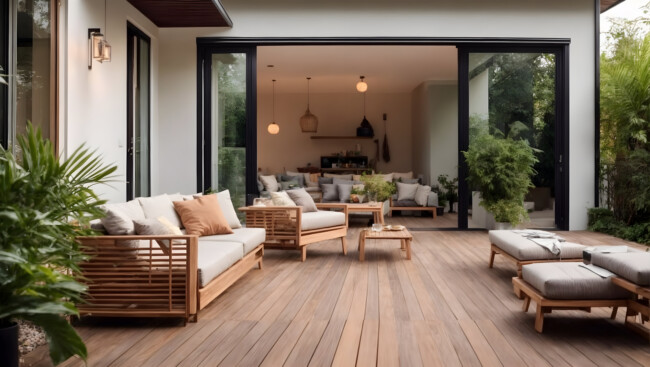 Rise of Indoor-Outdoor Living and What It Means for Homeowners
 The Repair Estimate that Made One Seller Choose Cash Instead
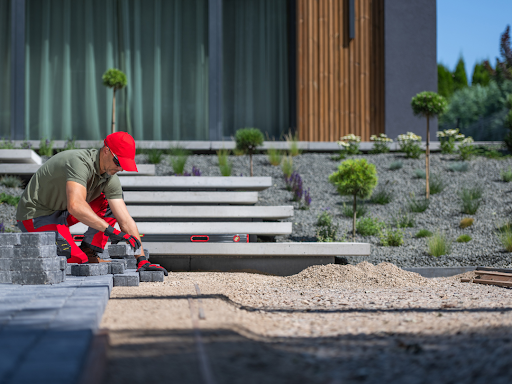 Home Improvement Strategies Every Homeowner Should Know to Prevent Flooding and Water Damage
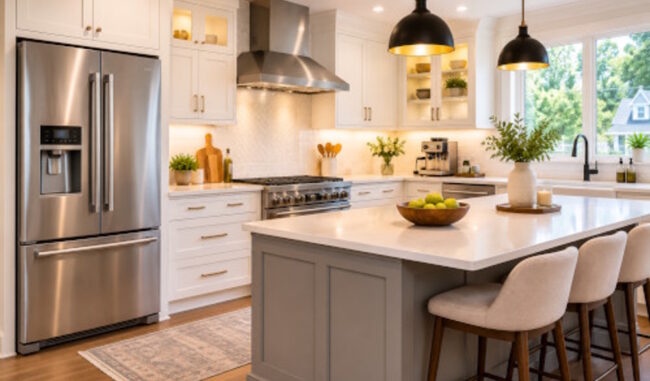 Kitchen Decorating Ideas that Work with Your Appliances in Johns Creek
I’d love for you to join my email list! You’ll receive a notification straight to your inbox which will include links to my latest home project posts! Simply enter your address below.
Thanks for stopping by! Have a wonderful day/night depending on where you are in the world! Go with God and remember to be kind to one another!
Toodles,

Leave a Reply