Picture this: you wake up to the sound of water trickling in your basement, only to discover that a single overnight storm has undone years of hard work and investment. For countless homeowners across North America, this is not a hypothetical, but a lived reality. Flooding and water damage rank among the most financially devastating situations a property owner can face, yet most cases are entirely preventable through the right combination of home improvement strategies and consistent upkeep.
To build that kind of resilience, it is best to get regular sump pump and drain cleaning every year alongside targeted structural improvements, because prevention is always more cost-effective than restoration. This article walks through the most impactful home improvement strategies for protecting your property, from identifying what causes residential flooding to reducing your own risk before a problem develops.

Understanding How Residential Flooding Happens
Flood prevention starts with understanding what you are actually defending against. Flooding in residential properties often builds gradually through overlooked vulnerabilities.
The most common causes of indoor flooding and water damage include:
- Heavy rainfall that overwhelms surface drainage and infiltrates through window wells, foundation cracks, or improperly graded lots
- Rapid snowmelt in spring, which saturates the ground faster than drainage systems can accommodate
- Sewer backups caused by municipal system overloads or deteriorating private lateral lines.
- Sump pump failures during peak demand, typically during the very storms that require them most
The Financial Cost of Water Damage
Water damage consistently ranks as the second most common cause of home insurance claims in North America, trailing only wind and hail. According to industry insurance data, the average payout is around $13,954 per claim, and a single inch of floodwater can cause up to $25,000 in damage. Understanding how quickly water damage escalates when action is delayed reinforces why prevention and rapid response are both essential components of any flood protection plan.
Why Prevention Outweighs Restoration Every Time
Water damage restoration is disruptive, expensive, and time-consuming, with structural drying and mould treatment potentially taking weeks to complete. Proactive home improvement strategies cost a fraction of the cost of restoration while delivering lasting protection, making flood prevention a smart financial decision for homeowners.
Structural Home Improvement Projects that Reduce Flood Risk
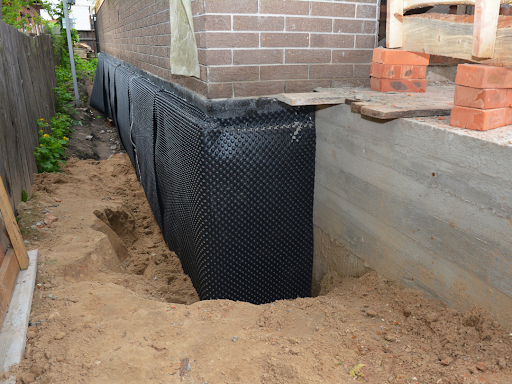
Addressing the physical vulnerabilities in your home is the most direct approach to flood prevention. Several targeted home improvement projects eliminate the pathways through which water most commonly enters.
Basement Waterproofing
Cost-effective waterproofing of the basement targets common entry points for water in residential properties.
Key approaches involve:
- Installing interior drainage membranes and repairing weeping tile systems to channel water away from the foundation
- Applying exterior waterproof coatings and a drainage board during excavation for a comprehensive barrier
- Sealing visible foundation cracks to prevent seepage during heavy rainfall and snowmelt events
A thorough understanding of how to waterproof a basement properly, from crack sealing and coating application to drainage system installation, gives homeowners a clear framework for prioritizing which improvements will have the greatest impact on their specific property.
Backwater Valve Installation
A backwater valve is one of the most practical and underutilized flood prevention tools for homeowners in sewer-backup-prone areas.
Installing one offers several important benefits:
- Automatically blocks sewage from re-entering the home when municipal systems become overloaded.
- Protects basement floor drains and fixtures from contaminated backflow during major storms
- Many Canadian municipalities offer rebate programmes to offset installation costs, making this a cost-effective waterproofing measure.
Grading Corrections and Drainage Infrastructure Upgrades
The slope of the ground surrounding your foundation directly determines where surface water flows during a storm. Correcting this is a fundamental home improvement strategy that is overlooked.
To effectively manage water flow, consider these key measures:
- Ensure the ground slopes away from the home at a minimum of six inches over the first ten feet.
- Replace collapsed or undersized weeping tile systems that can no longer handle modern water volumes.
- Repair cracked foundation walls to prevent water management systems from being bypassed entirely.
Applying the four best practices for waterproofing a foundation, including proper grading, downspout extension, exterior membrane installation, and sump pump maintenance, addresses flood risk at the structural level where it matters most.
Landscaping and Exterior Improvements for Water Management
The exterior environment surrounding your home plays a larger role in flood prevention than most homeowners realize. Strategic landscaping reduces the volume of water that reaches the foundation in the first place.
Effective exterior water management strategies worth considering:
- Installing permeable paving on driveways and walkways to allow rainwater to infiltrate the ground
- Creating rain gardens using deep-rooted native plants that absorb and filter large volumes of water
- Extending downspouts a minimum of six feet from the foundation to redirect roof drainage
- Grading garden beds away from the foundation to prevent pooling against exterior walls
These improvements complement structural waterproofing and, when paired with consistent routine maintenance habits, form a layered approach to long-term flood prevention.
Routine Maintenance Habits that Keep Water Management Systems Reliable
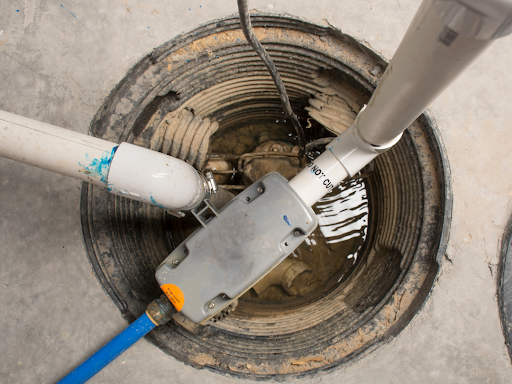
Even the most well-designed water management systems will fail without consistent upkeep. Routine maintenance habits are what separate a protected home from one quietly accumulating risk every season.
At a minimum, homeowners should clean eavestroughs and downspouts at least twice per year, inspect window wells for debris that can trap water against basement windows, test sump pump operation before spring melt and fall storms, and check backwater valve flaps annually to confirm they open and close without obstruction.
Why Annual Sump Pump and Drain Cleaning Matters
Of all the routine maintenance habits a homeowner can adopt, choosing to have their sump pump and drains cleaned regularly each year is among the most impactful.
Key reasons regular cleaning is crucial:
- Sump pumps are most likely to fail during extended storms when sediment and scale have built up over months of inactivity
- Professional sump cleaning removes buildup that reduces pump efficiency and restricts drainage line flow
- A clean, well-maintained system operates at full capacity when high-volume water events demand it most
When a sump pump does show signs of wear or reduced performance, understanding the indicators that signal the need for reliable sump pump repair helps homeowners act before a minor issue becomes a basement flood.
Inspecting for Early Signs of Water Intrusion
Annual inspections of the basement, foundation walls, and crawl spaces can catch water intrusion before visible damage or mould develops. Look for efflorescence on concrete surfaces, hairline cracks in foundation walls, and musty odours near the base of walls. Addressing these early indicators through cost-effective waterproofing repairs is significantly less expensive than recovering from a full basement flood.
Investing in Protection: Why Flood Prevention Is Worth Every Dollar
When you consider the full financial and personal cost of a flooding event, the value of proactive home improvement strategies becomes immediately clear. Repair costs, temporary accommodation, damaged belongings, and the stress of navigating insurance claims all compound well beyond what any initial estimate captures. Flood prevention is a home improvement project and a long-term financial strategy that safeguards the single largest asset most families will ever own.
Overall, the most effective approach combines structural upgrades with consistent routine maintenance habits that keep those systems performing year after year. Thus, it is recommended to get regular sump pump and drain cleaning every year, alongside seasonal inspections and exterior water management improvements, because this combination addresses flooding risk at every level. Homeowners who treat flood prevention as an ongoing practice are the ones who sleep soundly through the heaviest storms, confident their home is built to stay dry.
©2026 The Dedicated House. All rights reserved. No part of this blog post may be used or reproduced without the written consent of the copyright owner.
Click the links below for any posts you have missed:
 Kitchen Decorating Ideas that Work with Your Appliances in Johns Creek
 How to Create a Warm and Welcoming Dining Room
 Demystifying the Home Buying Process: A Step-by-Step Educational Guide for First-Time Buyers
 Small Details, Big Impact: How to Make Your House Feel Like Home
 Best Practices for Creating Effective Name Badges
 Taking Control After Water Damage: A DIY Restoration Roadmap
I’d love for you to join my email list! You’ll receive a notification straight to your inbox which will include links to my latest home project posts! Simply enter your address below.
Thanks for stopping by! Have a wonderful day/night depending on where you are in the world! Go with God and remember to be kind to one another!
Toodles,

Leave a Reply