A storm-related roof leak or overflowing appliance can compromise a home within hours. Water damage rarely occurs conveniently, and the window for preventing structural problems closes quickly.
Responding promptly means the difference between manageable cleanup and extensive water damage restoration. Homeowners who understand proper response protocols can better protect their property. They can make informed decisions about when DIY efforts suffice and when professional intervention becomes necessary.

Step 1: Stop the Source of Water
The priority in any water emergency involves identifying and stopping the source before additional harm accumulates. Every minute, the flow continues and increases the extent of destruction and the associated repair costs. Most residential properties have a shut-off valve located near the water meter or where the main line enters the building.
When overflowing appliances cause flooding, unplug the unit and shut off its dedicated water supply line. Damaged roofs or broken windows during storms also need temporary measures like emergency tarping or boarding until permanent repairs can be arranged.
Residents should switch off the breaker box before entering a flooded space. In cases where the breaker box sits in a flooded area, contact the utility company to disconnect service.
Step 2: Document Everything for Insurance
Building a thorough photographic and written record strengthens insurance claims while establishing the full scope of loss for adjusters. Water damage represents one of the most common and costliest disasters a home can experience, generating billions in annual claims. The documentation process should begin before any cleanup or removal of damaged items.
Property owners should save all receipts for temporary repairs and replacement purchases, as these out-of-pocket expenses often qualify for reimbursement under homeowner policies. Remember that many insurance plans impose strict notification windows, and delays can complicate the claims process or result in denied coverage.
Step 3: Remove Standing Water Quickly
The health hazards of standing water extend beyond visible structural issues. Research shows that stagnant pools breed mosquitoes within days while harboring bacteria. Prompt removal addresses these biological risks while accelerating the overall water damage restoration timeline.
Wet or dry vacuums can handle modest amounts effectively in smaller spaces, while portable pumps become necessary for basements or crawl spaces. Contaminated water from sewage or hazardous materials needs special disposal considerations. For example, porous items like soaked carpets can continue releasing humidity into the air, which slows structural drying.
Step 4: Dry and Dehumidify the Home
Strategic deployment of fans, dehumidifiers and natural ventilation creates the conditions necessary for thorough drying. Positioning fans to maximize airflow across wet surfaces enhances evaporation rates, while dehumidifiers continuously extract humidity from the air to prevent reabsorption into building materials.
Homeowners should aim for a humidity level of 30% to 50% to prevent mold growth during structural drying. Inexpensive hygrometers provide reasonably accurate humidity readings, and the process should continue for several days, even after surfaces appear dry.
Step 5: Clean and Sanitize Affected Areas
The approach to cleaning varies significantly based on what got wet and the contamination level involved. Tile and sealed concrete generally respond well to thorough cleaning and disinfection. Meanwhile, water-soaked insulation loses thermal effectiveness while creating an ideal environment for mold spore colonization.
In addition, saturated drywall experiences structural weakening and promotes microbial growth. Solid wood furniture tolerates moisture exposure better than particle board components, which swell irreversibly. On the other hand, glass and metal only need thorough cleaning and complete drying.
Step 6: Prevent Mold Before It Starts
Mold can colonize wood and furniture when these materials remain wet for 24 hours or more. This narrow window makes prevention critically time-sensitive, as established colonies require more complex remediation than initial water damage cleanup.
Spaces behind baseboards and within wall cavities present the greatest detection challenge because they accumulate dampness while receiving minimal air circulation. Addressing isolated problems in these hidden areas costs less than remediating established colonies that have spread throughout a structure.
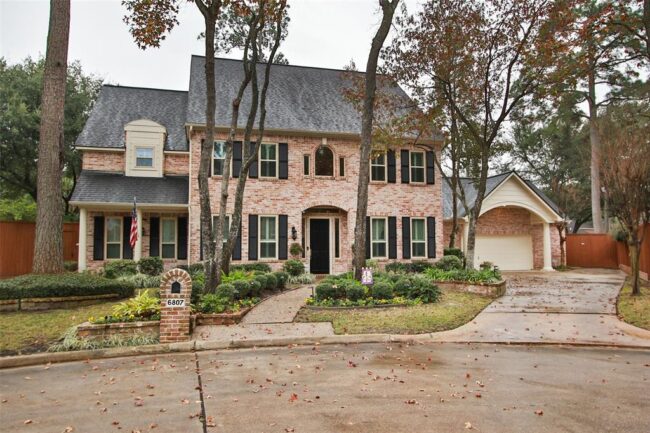
When DIY Water Damage Restoration Is No Longer Enough
Certain scenarios exceed homeowner capabilities despite the best intentions. Recognizing these situations protects property owners from inadvertently worsening problems or exposing themselves to serious health hazards. For example, black water contamination from sewage backups presents immediate health dangers that DIY methods cannot adequately address. It requires specialized handling protocols and proper disposal procedures beyond typical homeowner resources.
Widespread flooding can also affect multiple rooms or entire floors, generating volumes that overwhelm consumer-grade equipment. Professional water damage restoration companies can deploy truck-mounted extractors and industrial dehumidifiers that process moisture at levels impossible to achieve with residential equipment. Safety considerations should always take precedence in these situations. When structural issues affect floors or load-bearing elements, engineering assessment becomes essential.
How Do Homeowners Find the Best Water Damage Restoration Companies in Their Area?
Selecting a qualified restoration company ensures proper mitigation protocols and offers peace of mind during stressful situations. These companies represent diverse approaches to water damage restoration.
Rhode Island Restoration: North Providence, Rhode Island

Rhode Island Restoration boasts local expertise and 24/7 emergency response for residential and commercial properties. Its Institute of Inspection, Cleaning and Restoration Certification (IICRC) accreditation speaks to technical competency, but its integrated service model sets it apart operationally.
Rather than subcontracting different phases, it handles assessment, emergency mitigation, repairs and reconstruction in-house. The company bills insurance carriers directly to eliminate up-front costs. Because it handles the insurance adjusting process and the physical restoration work, projects begin immediately without waiting for retainer payments.
Key Features
- 24/7 emergency response with comprehensive mitigation, restoration and reconstruction services
- IICRC-certified technicians with extensive experience handling insurance claims and water damage restoration projects
ServiceMaster Restore: Nashville, Tennessee

https://servicemasterrestore.com/
The ServiceMaster Restore franchise network extends across the U.S. It provides 24/7 emergency availability through local franchises that follow standardized protocols while maintaining community presence.
The company’s structured restoration methodology progresses systematically through assessment, mitigation and restoration phases. Its decades of experience in disaster recovery provide deep expertise in handling residential and commercial losses.
Key Features
- Nationwide franchise network providing around-the-clock emergency restoration
- Full-service disaster recovery, including water, mold and weather damage
PuroClean: Burlington, New Jersey

PuroClean’s approach to water damage mitigation is built upon its commitment to immediate support. The company specializes in rapid moisture removal using advanced technology designed to minimize secondary damage.
Its moisture mapping technology allows technicians to identify hidden water that visual inspection might miss. This technology-forward approach extends through project completion, with final verification ensuring complete drying before reconstruction begins.
Key Features
- Advanced moisture detection, water extraction and structural drying technology
- Insurance claims assistance with clear homeowner communication throughout the restoration process
Paul Davis Restoration: Jacksonville, Florida

Paul Davis Restoration offers full-service residential restoration. Its solutions span the entire recovery timeline, from emergency water removal to structural drying to final property repair.
Beyond structural restoration, the company operates specialized contents cleaning and restoration services. These capabilities help homeowners salvage valuable belongings that might otherwise require replacement.
Key Features
- End-to-end restoration, from emergency mitigation to complete reconstruction
- Specialized content cleaning and restoration to recover furniture and personal belongings
ATI Restoration: Anaheim, California
ATI Restoration’s core competency is its experience in handling large-scale disasters and complex restoration projects. The company brings particular expertise to large-loss residential situations and disaster restoration scenarios.
This specialization becomes especially valuable following major weather events. When hurricanes, floods or other natural disasters overwhelm regional restoration resources, the company’s ability to rapidly deploy specialized teams provides crucial support.
Key Features
- Expertise in large-loss residential and disaster recovery projects
- Rapid deployment teams with structural drying, environmental remediation and reconstruction capabilities
Comparing Top Restoration Services at a Glance
Homeowners evaluating restoration companies typically weigh several service attributes when making selection decisions. The following comparison highlights how each featured company addresses these common consideration factors.
| Company | Best For | Core Services |
| Rhode Island Restoration | Homeowners seeking full-service local restoration | Water damage restoration, flood cleanup and structural drying |
| ServiceMaster Restore | Nationwide emergency restoration | Mold remediation, weather damage repair and sewage cleanup |
| PuroClean | Rapid water mitigation and moisture control | Water extraction, structural drying and dehumidification |
| Paul Davis Restoration | Homeowners needing restoration and rebuilding | Water removal, content restoration and property repair |
| ATI Restoration | Large-loss and disaster recovery projects | Environmental remediation, disaster recovery planning and structural drying |
Frequently Asked Questions About Water Damage Restoration
These questions address practical concerns that frequently arise when homeowners evaluate water damage situations and consider whether professional restoration services are necessary.
What is the average response time for emergency water removal?
Most professional restoration companies maintain 24/7 emergency availability, though actual response times fluctuate based on geographic location, weather conditions and service demand. Major weather events can extend these time frames as companies prioritize the most severe cases.
Can homeowners get a free estimate for water damage cleanup?
Restoration companies commonly provide free inspections or estimates for residential water damage assessment. These evaluations help property owners understand the scope of work required. Requesting written estimates before authorizing work creates documentation useful for insurance claims.
How long does it take to dry a home after water damage?
Drying timelines vary dramatically based on damage severity and conditions. Multiple factors influence these timelines, including total water volume, materials affected, ambient temperature and humidity levels, and whether commercial-grade drying equipment is deployed.
Making the Right Choice for a Home’s Recovery
Addressing small problems promptly keeps water damage incidents from turning into major restoration projects. Severe situations involving widespread flooding or persistent moisture require expert water damage restoration services to protect property and occupants adequately. Certified companies bring specialized equipment, trained technicians and proven protocols. The most resilient approach combines ongoing preventive maintenance with a clear restoration plan developed before emergencies occur.
©2026 The Dedicated House. All rights reserved. No part of this blog post may be used or reproduced without the written consent of the copyright owner.
Click the links below for any posts you have missed:
 Maid Services: What They Actually Include (and How to Choose the Right One)
 Why Would You Use Z Flashing on Your House Construction Project?
 The Complete Above-Ground Pool Maintenance Checklist for Beginners
 Upgrading Your Home’s Utility Spaces and Climate Control
 7 Best Heavy-Duty Extension Cords for DIY Home Renovations
 One Cold Bonus Room and the 20 Degree Gap No Furnace Could Close
I’d love for you to join my email list! You’ll receive a notification straight to your inbox which will include links to my latest home project posts! Simply enter your address below.
Thanks for stopping by! Have a wonderful day/night depending on where you are in the world! Go with God and remember to be kind to one another!
Toodles,

Leave a Reply