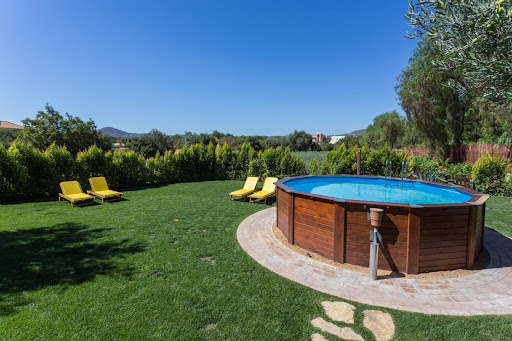
Owning an above-ground pool is one of the easiest ways to enjoy summer without leaving home. However, keeping your pool clean, safe, and ready for swimming requires regular maintenance. The good news is that pool care doesn’t have to be complicated. With a simple routine and the right tools, even first-time pool owners can keep their water crystal clear throughout the season.
This complete above-ground pool maintenance checklist will help beginners understand the essential tasks to extend their pool’s lifespan, protect equipment, and create a healthier swimming environment.
Why Regular Pool Maintenance Matters
Consistent maintenance does more than improve the appearance of your pool.
It helps:
- Prevent algae growth
- Maintain balanced water chemistry
- Extend the lifespan of your liner and equipment
- Improve filtration efficiency
- Reduce costly repairs
- Create a safer swimming experience
Instead of waiting for problems to develop, following a routine schedule makes pool ownership much less stressful.
Daily Above-Ground Pool Maintenance Checklist
Daily tasks only take a few minutes but can prevent larger issues later.
Remove Surface Debris
Use a leaf net or skimmer to remove insects, leaves, grass, and floating debris before they sink to the bottom.
Check the Water Level
The water should remain around the midpoint of the skimmer opening. Levels that are too low can damage the pump, while overly high water reduces skimming efficiency.
Inspect the Pump
Listen for unusual noises and verify that water is flowing properly through the return jet. Catching equipment issues early often prevents expensive repairs.
Weekly Maintenance Tasks
Weekly maintenance is the foundation of a healthy above-ground pool.
Test Water Chemistry
Use test strips or a liquid test kit to monitor:
- pH
- Chlorine
- Total alkalinity
- Calcium hardness (if recommended for your pool)
Balanced water protects swimmers while preventing corrosion, staining, and cloudy water.
Brush the Pool Walls
Even if algae isn’t visible, brushing the walls and floor removes dirt and microscopic buildup before it becomes a problem.
Vacuum the Pool
A manual or automatic vacuum removes debris that your filtration system cannot catch on its own.
Empty the Skimmer
Regularly clean the above-ground swimming pool skimmer basket to maintain strong water circulation and prevent debris from reaching the pump.
Clean the Filter
Your filter is the heart of your pool’s circulation system.
Depending on your filter type:
- Sand filters should be backwashed when pressure increases.
- Cartridge filters should be rinsed thoroughly.
- DE filters require periodic cleaning and fresh filter media.
Always follow the manufacturer’s maintenance recommendations for your specific equipment.
Monitor Water Circulation
Proper circulation helps distribute chemicals evenly while preventing stagnant water.
Run your filtration system for approximately 8 to 12 hours each day during peak swimming season. Extremely hot weather or heavy pool use may require longer filtration times.
Inspect hoses and fittings for leaks while the system is operating.
Monthly Pool Maintenance Checklist
Every month, take time for a more detailed inspection.
Check the Pool Liner
Look for:
- Small tears
- Wrinkles
- Fading
- Loose seams
Addressing minor liner issues early can prevent larger repairs later.
Inspect the Pool Frame
Examine all metal supports and connectors for rust, corrosion, or loose hardware. Tighten bolts if necessary and replace damaged components promptly.
Clean Around the Pool
Leaves, mulch, and standing water surrounding the pool can attract insects and introduce additional debris into the water.
Keeping the surrounding area tidy also improves safety by reducing slipping hazards.
After Heavy Rain or Storms
Storms often introduce dirt, pollen, and organic debris that affect water quality.
After severe weather:
- Remove debris immediately.
- Test and rebalance the water.
- Vacuum the pool if needed.
- Run the filter longer than usual.
- Inspect equipment for damage.
Quick action helps prevent algae blooms following periods of heavy rainfall.
End-of-Season Maintenance
As swimming season comes to an end, proper closing procedures help protect your investment during the off-season.
Complete these steps:
- Thoroughly clean the pool.
- Balance the water chemistry.
- Remove accessories.
- Drain equipment as recommended.
- Cover the pool securely.
Winterizing properly makes opening the pool next spring much easier.
Common Beginner Mistakes to Avoid
Many new pool owners accidentally create extra work by making avoidable mistakes.
Some of the most common include:
- Ignoring routine water testing
- Running the pump for too few hours
- Adding chemicals without testing first
- Forgetting to clean the filter
- Waiting until the water becomes cloudy before taking action
- Skipping regular brushing and vacuuming
A consistent schedule is far more effective than trying to fix problems after they appear.
Create a Simple Maintenance Routine
One of the easiest ways to stay on top of pool care is to divide tasks into daily, weekly, and monthly routines. Setting reminders on your phone or keeping a printed checklist nearby helps build good habits.
As you gain experience, maintenance becomes second nature and usually requires less time than most beginners expect.
Learning how to care for an above-ground pool may seem overwhelming at first, but following a consistent maintenance checklist keeps the process simple. Regular cleaning, balanced water chemistry, healthy filtration, and routine inspections all work together to protect your investment while providing a clean, enjoyable place for family and friends to swim.
By staying proactive instead of reactive, beginner pool owners can enjoy clear water, fewer maintenance headaches, and a swimming season filled with confidence.
©2026 The Dedicated House. All rights reserved. No part of this blog post may be used or reproduced without the written consent of the copyright owner.
Click the links below for any posts you have missed:
 Upgrading Your Home’s Utility Spaces and Climate Control
 7 Best Heavy-Duty Extension Cords for DIY Home Renovations
 One Cold Bonus Room and the 20 Degree Gap No Furnace Could Close
 Getting An Unreliable Toilet Ready Before Guests Arrive
 A Homeowner’s Guide to Recycling Remodel Debris the Right Way
 The Short Checklist Every Homeowner Needs Before Roof Installation Day
I’d love for you to join my email list! You’ll receive a notification straight to your inbox which will include links to my latest home project posts! Simply enter your address below.
Thanks for stopping by! Have a wonderful day/night depending on where you are in the world! Go with God and remember to be kind to one another!
Toodles,

Leave a Reply