When we consider home improvements, our focus often gravitates towards the more visible areas like kitchens and bathrooms. However, the unsung heroes of our homes – utility spaces – offer some of the most impactful upgrades, significantly enhancing both daily living and long-term property value. By June 2026, the trend is clear: homeowners are increasingly recognizing that a well-designed utility area is not just a convenience but a valuable asset.
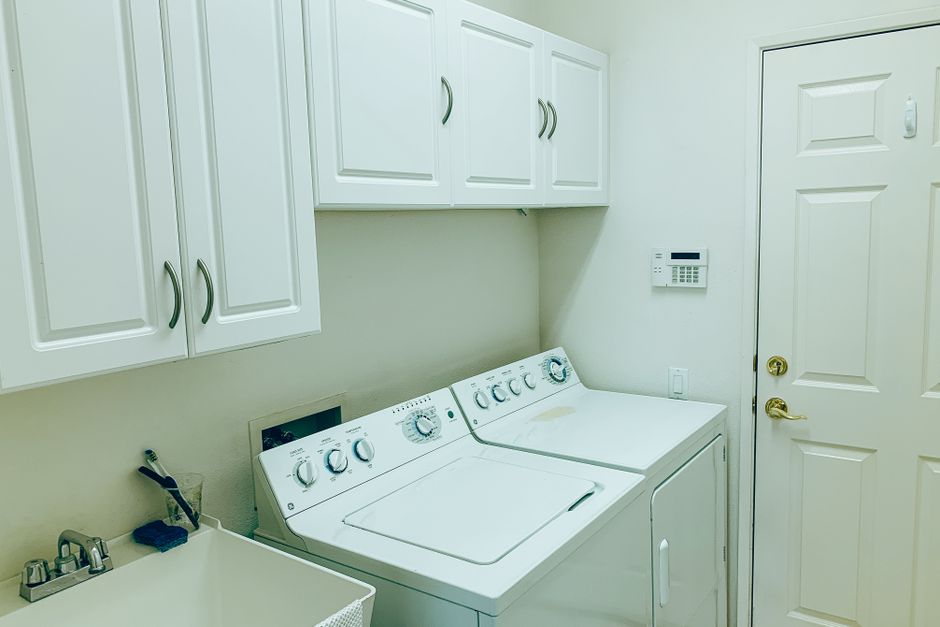
One of the most compelling reasons to invest in these spaces is their direct impact on home resale value. Prospective buyers in today’s market are looking for homes that offer both comfort and practical efficiency. A thoughtfully organized laundry room or a versatile utility area signals a home that is well-maintained and designed for modern life. Statistics show that around 72 percent of newly built homes in the US are already incorporating dedicated utility spaces, often on the first floor, highlighting their growing importance. This trend underscores the expectation that a functional utility area is a standard feature in contemporary homes.
Beyond resale, these upgrades profoundly affect our daily routines. Imagine a laundry room where every item has its place, or a garage utility area that handles messy tasks without compromising other parts of your home. Strategic storage solutions, such as floor-to-ceiling cabinets and well-placed shelving, are crucial for maximizing space and minimizing clutter. Utilizing vertical space effectively can transform even small areas into highly functional zones, preventing tripping hazards and improving overall organization. For instance, locking cabinets are essential for safely storing cleaning supplies and tools, keeping them out of reach of children and pets.
Upgrading the foundational elements of these spaces also adds significant value. Consider the flooring in a high-traffic utility area. Durable, easy-to-clean surfaces are paramount. Investing in quality floor coatings can protect against spills, stains, and wear, ensuring the space remains functional and attractive for years to come. For options that stand up to the demands of a busy utility area, exploring specialized Utility space floor upgrades can provide excellent long-term benefits. These types of upgrades might seem minor, but they contribute to a home’s overall perceived quality and durability, making them attractive to potential buyers.
Investing in strategic utility space upgrades is about creating a home that works smarter, not just looks better. It’s about recognizing the daily demands placed on these areas and transforming them into efficient, organized, and aesthetically pleasing environments that enhance comfort and deliver tangible returns on investment.
Designing High-Function Laundry Rooms and Work Zones
Our laundry rooms and dedicated work zones are undeniably some of the hardest-working areas in our homes. The average household spends a significant amount of time on laundry each week—approximately eight hours, according to ThisOldHouse.com—collectively washing, drying, and folding 35 billion loads annually. With such frequent use, it’s imperative that these spaces are designed for maximum efficiency and ease. A key component of any high-function utility space is the utility sink. Far from being a mere afterthought, a well-chosen utility sink can be a game-changer, protecting more delicate kitchen and bathroom fixtures from harsh chemicals, paint, or muddy items.
A utility sink is a modest investment that touches daily life in profound ways. It speeds up cleanups, protects finishes in other parts of the home, and adds a hard-working zone that can even look great in photos when it’s time to sell. Modern utility sinks are designed to handle everything from pre-soaking stained garments and washing paintbrushes to serving as a dedicated pet wash station.
When selecting a utility sink, material durability is crucial. Thermoplastic basins are a popular choice due to their resistance to bleach, paint, and other harsh chemicals, preventing chipping or staining. Stainless steel offers a sleek, professional look and excellent durability, though it’s important to choose grades that resist rust. Fireclay and cast iron, while heavier, provide a robust and classic aesthetic. Pairing the right basin with a functional faucet, such as a pull-out sprayer or a gooseneck design, enhances versatility, allowing for easy rinsing of large items or even quick pet baths.
For homeowners with pets, integrating a dedicated pet wash station can be an incredibly valuable upgrade. This often involves a deeper utility sink, perhaps with an elevated platform or a ramp for smaller animals, combined with a handheld sprayer. This thoughtful addition not only makes pet care easier but also prevents muddy paw prints from tracking through the house, further protecting other areas of your home.
Here’s a comparison of common utility sink materials and their characteristics:
Material Durability Maintenance Aesthetic Common Uses Thermoplastic Excellent resistance to chemicals, chipping Easy to clean, low maintenance Functional, practical Laundry, garage, workshop, pet washing Stainless Steel Highly durable, rust-resistant (if good grade) Easy to clean, can scratch Modern, industrial Laundry, garage, workshop, commercial settings Fireclay Very durable, resistant to chips and scratches Easy to clean, can be heavy Classic, farmhouse, elegant Laundry, mudroom, craft room Cast Iron (enameled) Extremely durable, heavy, chip-resistant enamel Requires careful cleaning to prevent enamel damage Traditional, sturdy Laundry, workshop, heavy-duty applications By carefully considering the material, faucet type, and specific needs of your household, a utility sink can become a central, indispensable feature of your high-function laundry room or work zone.
Essential Features for Utility Space Upgrades
Moving beyond the basic utility sink, several key features can elevate the functionality and appeal of your utility spaces. The depth of the basin, for instance, is paramount. A utility sink with at least 13 inches of depth is highly recommended, as it can comfortably accommodate bulky items like buckets, large pots, or even small pets, significantly reducing splashing and making messy cleanups much more manageable.
Integrating cabinet bases beneath your utility sink provides valuable closed storage, perfect for stowing away cleaning supplies, detergents, or pet care items, keeping the space tidy and organized. This also offers the opportunity to add a countertop surface around the sink, creating a practical area for folding laundry, potting plants, or tackling craft projects. For smaller spaces, a sleek, modern cabinet base can conceal plumbing while offering a clean aesthetic.
Splash control is another often-overlooked but crucial element. A small backsplash, whether integrated into the sink design or added separately, can protect walls from water damage and make cleaning easier. For high-splash areas, consider materials that are waterproof and simple to wipe down.
Finally, don’t underestimate the power of intelligent storage and organization. Pegboards installed above a workbench or sink can keep tools, brushes, and other frequently used items within easy reach, freeing up counter space. Open shelving and cubbies are excellent for storing towels or frequently accessed supplies, while floor-to-ceiling locking cabinets can house less attractive items or hazardous materials safely. The goal is to create a space where everything has a home, making tasks more efficient and less frustrating. Pre-drilled faucet holes and standard 1 1/2 inch drains on many utility sinks also ensure compatibility with readily available off-the-shelf parts, simplifying installation and future maintenance.
Optimizing Layouts for Utility Space Upgrades

An optimized layout is the cornerstone of a truly high-functioning utility space, especially in laundry rooms where efficiency is key. Thoughtful design can transform a cramped or chaotic area into a streamlined zone that makes daily chores feel less like a burden.
One of the most effective space-saving solutions, particularly in smaller homes or apartments, is the use of stacked washer-dryers. This vertical arrangement frees up valuable floor space, allowing for other essential features like dedicated folding areas or additional storage. When opting for stacked units, consider adding a pull-out shelf between the machines. This simple addition provides a convenient surface for pre-treating garments, folding clothes directly out of the dryer, or resting laundry baskets, significantly enhancing the practicality of the setup.
Beyond the washing and drying, incorporating dedicated drying zones is a luxury that homeowners increasingly desire. Nobody enjoys having laundry draped over furniture or blocking walkways. Concealed airers that fold away when not in use, retractable drying racks, or even ceiling-hung rails offer flexible solutions for air-drying delicate items without cluttering living spaces. A hanging rail positioned above a worktop or utility sink is ideal for drip-drying shirts or other items, with baskets placed beneath for sorting or temporary storage. These dedicated zones not only keep your home tidier but also protect your clothes from potential damage caused by improper drying.
The design philosophy for these spaces often mirrors that of a bespoke kitchen, focusing on seamless integration and aesthetic continuity. Matching cabinetry, thoughtful lighting, and even decorative elements can elevate a utilitarian space into an extension of your home’s overall design. By planning the layout around your daily routines and integrating smart solutions, you can create a laundry room or work zone that is both highly efficient and a pleasure to use.
Integrating Climate Control and Energy Efficiency
Beyond the visible elements of utility spaces, the underlying infrastructure, particularly climate control and energy efficiency systems, plays a critical role in a home’s overall value, comfort, and operational cost. In June 2026, homeowners are more attuned than ever to the long-term benefits of energy-efficient upgrades, especially concerning HVAC, plumbing, and electrical systems.
Modern HVAC systems are at the forefront of these efficiency efforts. Upgrading to high-efficiency models, such as heat pumps, can drastically reduce energy consumption for heating and cooling. Heat pumps, in particular, offer significant advantages over traditional HVAC systems by transferring heat rather than generating it, leading to lower utility bills and a reduced carbon footprint. These systems are also highly versatile, providing both heating and cooling from a single unit, and can be particularly effective in climates that experience both hot summers and cold winters.
Beyond energy savings, advanced climate control systems contribute to superior indoor air quality and moisture control. Utility rooms, especially laundry areas, can be prone to humidity and the potential for mold growth. Proper ventilation, often integrated with the HVAC system, is essential to manage moisture levels effectively. This not only protects the integrity of the home but also creates a healthier living environment. For comprehensive care and optimal performance of these vital systems, regular HVAC utility & AC maintenance is indispensable, ensuring longevity and efficiency.
Energy-efficient upgrades extend beyond HVAC. Modern plumbing systems with low-flow fixtures and on-demand water heaters conserve water and energy. Electrical upgrades, such as smart home automation systems and updated panels, can improve energy management, enhance safety, and future-proof a home for technologies like electric vehicle charging. Many of these upgrades may also qualify for state or federal rebates and tax credits, making the investment even more appealing. For instance, the Inflation Reduction Act continues to offer substantial benefits for California homeowners investing in energy-efficient home improvements, including heat pump installations.
The impact of these energy-efficient upgrades on home value is undeniable. A home with a modern, efficient HVAC system and updated utilities is more attractive to buyers, who recognize the immediate and long-term savings on operating costs. It signals a home that is not only comfortable but also responsible and forward-thinking.
Planning, Permits, and Professional Execution
Embarking on utility space upgrades, especially those involving significant structural, plumbing, or electrical changes, requires careful planning and often professional expertise. Navigating building codes, local permits, and contractor selection can seem daunting, but it’s a critical step to ensure your project is safe, compliant, and successful.
First and foremost, understanding local building codes and securing the necessary permits is non-negotiable. These regulations are in place to ensure safety and structural integrity. Attempting to bypass them can lead to costly fines, rework, and even jeopardize your home insurance coverage. Whether you’re moving a wall, adding new electrical circuits, or altering plumbing lines for a utility sink, a permit is likely required. Your local planning or building department is the best resource for specific requirements in your area.
Once you have a clear understanding of the scope and regulatory requirements, selecting the right professional contractors becomes paramount. For specialized tasks like HVAC installation, plumbing work, or electrical upgrades, always engage licensed and insured professionals. These experts not only possess the necessary skills and knowledge but also understand local codes and can help ensure your project meets all legal standards. When choosing a contractor, look for those with a strong track record, positive references, and clear communication. Don’t hesitate to ask for multiple bids and detailed proposals to compare services and costs.
Effective project planning is key to avoiding common pitfalls. This includes setting a realistic budget that accounts for materials, labor, and a contingency fund (typically 10-20% of the total cost for unforeseen issues). Scheduling the work efficiently, especially if multiple trades are involved, can minimize disruption to your daily life. Bundling utility upgrades with other cosmetic remodels, for example, can often save time and money by coordinating trades and minimizing repeated disruptions.
Finally, safety compliance should be at the forefront of every utility upgrade. This means ensuring all electrical work meets current National Electrical Code standards, plumbing is installed to prevent leaks and ensure proper drainage, and any structural changes are sound. Professional contractors will adhere to these standards, providing peace of mind that your upgraded utility spaces are not only functional and beautiful but also safe and durable for years to come.
Frequently Asked Questions about Utility Space Upgrades
Homeowners often have similar questions when considering improvements to their utility areas. Here, we address some of the most common inquiries to help you make informed decisions.
What are the most valuable utility space upgrades for home resale?
The most valuable utility space upgrades for home resale tend to be those that enhance both functionality and aesthetics while addressing core home systems. Finishing a laundry room, transforming it from a neglected corner into a well-organized, attractive space with proper storage, countertops, and an efficient layout, offers excellent returns. Installing a versatile utility sink is another highly valued upgrade, as it protects other fixtures and simplifies messy tasks. Furthermore, investing in energy-efficient HVAC systems, such as modern heat pumps, and updating plumbing and electrical infrastructure significantly boosts home value by promising lower operating costs and improved comfort. Smart storage systems throughout utility areas also appeal to buyers seeking an organized and clutter-free living environment.
How do modern climate control systems improve utility room functionality?
Modern climate control systems, particularly advanced HVAC and ventilation solutions, drastically improve utility room functionality in several ways. They ensure optimal moisture control, which is critical in laundry rooms to prevent humidity buildup that can lead to mold, mildew, and damage to walls or appliances. Effective ventilation removes airborne particles, lint, and odors, contributing to better indoor air quality throughout the home. Heat pump efficiency means these spaces can be kept at a comfortable temperature year-round, making chores more pleasant. Moreover, integrating smart thermostats allows for precise temperature and humidity management, further enhancing comfort and energy savings. These systems transform utility rooms into more comfortable, healthier, and more durable spaces.
Where is the best location to install a utility sink?
The best location for a utility sink depends largely on your lifestyle and the primary purpose you envision for it.
- Laundry Rooms: This is perhaps the most common and practical location, ideal for pre-treating stains, hand-washing delicates, or soaking items.
- Garages: A garage utility sink is perfect for cleaning up after DIY projects, washing gardening tools, or rinsing muddy sports equipment, keeping dirt out of your main living areas.
- Mudrooms: If your home has a mudroom, a utility sink here can serve as a convenient spot for cleaning muddy boots, pet paws, or dirty outerwear before entering the house.
- Basement Workshops: For hobbyists or those with a dedicated workspace, a basement utility sink provides easy access to water for cleaning tools, mixing paints, or other workshop needs. Consider proximity to existing plumbing lines to potentially reduce installation costs, but prioritize the location that will offer the most practical benefit for your household’s needs.
Conclusion
As we navigate June 2026, the understanding of what makes a home truly valuable continues to evolve. Beyond aesthetic appeal, homeowners and buyers alike are increasingly prioritizing functionality, efficiency, and comfort, especially within the often-overlooked utility spaces. From the strategic placement of a deep utility sink to the integration of advanced energy-efficient HVAC systems, every upgrade contributes to a home that works smarter, not just harder.
Investing in these areas is an investment in daily comfort, streamlined routines, and long-term property value. By planning carefully, understanding local regulations, and partnering with skilled professionals, you can transform your utility spaces into highly functional, aesthetically pleasing, and energy-efficient zones. These upgrades not only make your daily life easier but also position your home as a desirable, well-maintained asset for years to come, truly enhancing its hidden workhorses.
©2026 The Dedicated House. All rights reserved. No part of this blog post may be used or reproduced without the written consent of the copyright owner.
Click the links below for any posts you have missed:
 7 Best Heavy-Duty Extension Cords for DIY Home Renovations
 One Cold Bonus Room and the 20 Degree Gap No Furnace Could Close
 Getting An Unreliable Toilet Ready Before Guests Arrive
 A Homeowner’s Guide to Recycling Remodel Debris the Right Way
 The Short Checklist Every Homeowner Needs Before Roof Installation Day
 Top Custom Woodworking Trends Shaping 2026
I’d love for you to join my email list! You’ll receive a notification straight to your inbox which will include links to my latest home project posts! Simply enter your address below.
Thanks for stopping by! Have a wonderful day/night depending on where you are in the world! Go with God and remember to be kind to one another!
Toodles,

Leave a Reply