There was a time when a dated kitchen or tired bathroom could make a home feel like a bargain. For plenty of American buyers, fixer-uppers offered a chance to get into a desirable neighborhood, renovate over time, and build equity along the way.
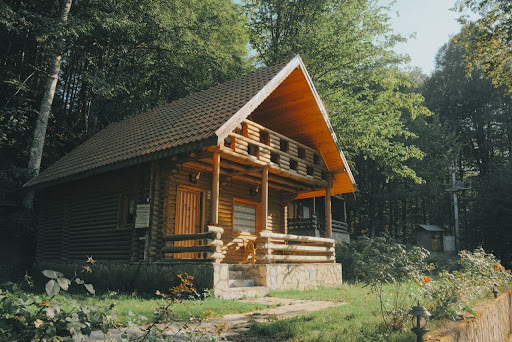
That calculation is getting harder to make.
Across the U.S. housing market, buyers are taking a closer look at what a home will require after closing. A lower purchase price can lose some of its appeal when it comes with a long renovation list, uncertain contractor costs, and months of disruption. Move-in ready homes are gaining attention because they offer something buyers increasingly value: fewer immediate decisions and fewer expensive surprises.
Buyers Are Looking Past Homes that Need Work
The appeal of a fixer-upper usually starts with price. A house that needs cosmetic updates may sit below comparable homes that have renovated kitchens, newer bathrooms, or updated systems.
The problem starts when buyers calculate what happens next.
A dated home may need fresh paint and flooring, or it may need a roof, HVAC replacement, electrical work, plumbing repairs, and structural attention. Those costs can quickly change the economics of the purchase.
There is also competition for skilled tradespeople in many U.S. markets. Finding a dependable contractor, getting multiple bids, scheduling the work, and waiting for materials can turn a seemingly simple renovation into a lengthy project.
For buyers already managing mortgage payments, property taxes, insurance, and everyday expenses, that extra workload can make a move-in ready property feel like the safer financial choice.
What Counts as Move-In Ready?
Move-in ready does not mean flawless, newly built, or filled with high-end finishes.
In real estate, the phrase generally describes a home that is in suitable condition for immediate occupancy without major repairs or renovations. It might have an older kitchen or cosmetic details a buyer wants to change later.
That distinction is important.
A buyer may happily live with countertops they would not have chosen or paint colors they plan to update someday. Living with those details is very different from discovering a failing furnace or an aging roof during the first few weeks of ownership.
If you’re trying to avoid a long list of repairs, Sota Home Buyers gives you a straightforward option when you’re deciding what to do with a home that needs a lot of work.
Convenience Has Become Part of Value
American home shoppers are not only comparing square footage and asking prices. They are also comparing how much effort each property will require.
A move-in ready house can mean moving in on Saturday and focusing on furniture, boxes, school schedules, commutes, and neighborhood life by Monday.
That convenience has real value for buyers who are working full time, raising children, relocating for a job, or moving from another state.
Fewer Immediate Financial Unknowns
Renovation estimates are still estimates. Once demolition begins, hidden water damage, outdated wiring, mold, or other problems can appear.
A home that has already had major systems repaired or replaced can give buyers a more predictable starting point. An inspection remains essential, though buyers may feel more comfortable knowing fewer major projects are waiting behind the front door.
Renovation Costs Are Changing the Bargain
The fixer-upper equation depends heavily on the difference between the purchase price and the eventual cost of improvements.
If a home sells for $50,000 less than a renovated property, it may initially look like an obvious opportunity. Once the buyer adds a kitchen renovation, bathroom work, flooring, exterior repairs, and a contingency fund, that discount can shrink quickly.
Then there is the cost of living through the renovation.
A family may have to eat around a kitchen remodel. A bathroom renovation can limit usable space. Larger projects may require temporary housing or storage. Delays can create another layer of expense.
That is why more buyers are looking at all-in cost, rather than asking only, “How much is the house?”
What Today’s Buyers Want from a Home
Condition is also tied to how people use their homes.
Buyers are looking for functional kitchens, comfortable living areas, updated bathrooms, practical storage, efficient heating and cooling, and outdoor spaces that are ready to use. A home does not have to look like a luxury model to attract attention.
It simply needs to work.
Recent improvements can make a noticeable difference. A newer roof, updated HVAC system, modern appliances, fresh flooring, and well-maintained exterior can remove several concerns from a buyer’s mental checklist.
In a competitive market, those details can influence which homes make it onto a buyer’s shortlist.
Fixer-Uppers Still Make Sense for Some Buyers
None of this means every fixer-upper is a bad purchase. Renovation properties still attract buyers who know how to manage construction, have cash available for improvements, or want the freedom to create a highly personalized home.
An outdated property can also open doors in neighborhoods where fully renovated houses rarely come on the market.
Location matters, too. A buyer may prefer a home that needs work in an established neighborhood over a polished property farther from work, family, schools, or community amenities.
The key is knowing whether the project is manageable. A home needing new paint and flooring is one thing. A property requiring major structural repairs is a completely different financial commitment.
A Simple Way to Compare Your Options
Start with two numbers: the purchase price and the realistic post-purchase cost.
For a fixer-upper, include contractor labor, materials, permits, appliances, temporary housing if needed, and a cushion for unexpected repairs. Then compare that figure with move-in ready homes in the same general market.
Next, consider your timeline. If you need a functioning home immediately, months of renovation may not fit your plans.
A professional inspection should also be part of the process. Pay close attention to major systems, including the roof, foundation, electrical components, plumbing, HVAC, windows, and drainage.
Finally, consider your own tolerance for disruption. A renovation can be rewarding, yet it can also consume weekends, money, attention, and patience.
Why Ready-to-Live Homes Are Getting More Attention
For today’s U.S. buyers, value is becoming about more than getting the lowest possible price.
A move-in ready home can offer convenience, clearer short-term expenses, and fewer major decisions immediately after closing. A fixer-upper can offer customization and a potentially lower entry price, though the savings need to survive a realistic renovation budget.
That is where today’s housing-market shift becomes interesting. Buyers are not necessarily giving up on projects. They are becoming more careful about which projects are worth taking on.
In a market where every dollar and every weekend matters, a home that is ready from day one can feel like more than a property purchase. It can feel like buying back some time.
Frequently Asked Questions
- What does move-in ready mean in the housing market?
Answer: Move-in ready generally refers to a home that is in suitable condition for immediate occupancy without the need for major repairs or renovations. It may have some cosmetic details that buyers want to update later, but it shouldn’t require significant work or repairs right away.
- Why are buyers choosing move-in ready homes over fixer-uppers?
Answer: Buyers are increasingly choosing move-in ready homes because they offer fewer immediate decisions, reduced financial unknowns, and the convenience of moving in right away. With rising renovation costs and the hassle of managing repairs, many buyers find that a ready-to-live home provides a safer financial choice.
- Are fixer-uppers still a good option for some buyers?
Answer: Yes, fixer-uppers can still be a good option for buyers who are experienced with renovations, have cash available for improvements, or want to create a personalized home. Some buyers may also prefer an outdated property in a desirable neighborhood where renovated homes are rare.
- How can buyers compare the costs of a fixer-upper vs. a move-in ready home?
Answer: Buyers can compare costs by looking at the purchase price and estimating the realistic post-purchase costs for a fixer-upper, including contractor labor, materials, and potential temporary housing. It’s also important to consider the timeline for needing a functioning home and to conduct a professional inspection to assess major systems.
©2026 The Dedicated House. All rights reserved. No part of this blog post may be used or reproduced without the written consent of the copyright owner.
Click the links below for any posts you have missed:
 Pricing a Tulsa Home Right the First Time (So It Doesn’t Sit)
 A Smarter Moving Plan: Match Each Belonging with the Packing Protection It Needs
 2026 Home Design Trends: What to Expect and How to Adapt
 The Details that Make a Room Feel Finished: Quiet Doors, Smooth Windows, Straight Blinds
 Building a Steadier Financial Life on Self-Employment Income

I’d love for you to join my email list! You’ll receive a notification straight to your inbox which will include links to my latest home project posts! Simply enter your address below.
Thanks for stopping by! Have a wonderful day/night depending on where you are in the world! Go with God and remember to be kind to one another!
Toodles,

Leave a Reply