A room can look complete and still feel unfinished. The paint is fresh, the furniture is in place, and the lighting finally works, but the door rubs every time someone enters. A window needs an extra lift before it will lock. The blinds hang at a slight angle that becomes impossible to ignore once everything else is orderly.
These are small problems, yet they shape how a room feels in daily use. A polished home is not only a collection of attractive surfaces. It is also a place where the parts you touch every day move quietly and predictably.
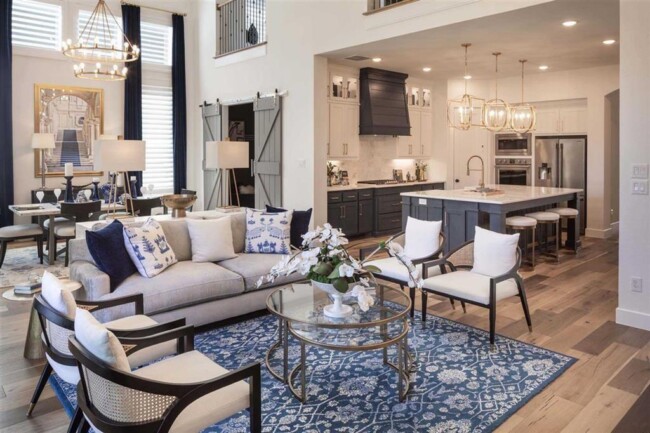
A Door Sets the Tone Before the Room Does
The first interaction with a room is often the door. If it drags across the floor, rattles in the frame, or needs a hard pull to latch, that friction becomes part of every entrance and exit. New paint and hardware may improve the appearance, but they will not correct a door that no longer sits properly.
Watch where the resistance begins. A door that rubs near the top may behave differently from one that catches along the floor. Check whether the latch meets its opening without lifting or pushing the door. These details are more useful than a broad description such as “it does not close right.”
Cold air around an exterior door can also make a finished space feel less comfortable. Door weatherstripping replacement may be appropriate when the existing material is flattened, torn, or no longer makes even contact. A homeowner does not need to name the exact product, but it helps to note where air can be felt and whether the gap changes when the door is latched. A professional can then replace worn seals around an exterior door with the fit of the entire door in mind.
Windows Should Not Require a Personal Technique
Many households quietly adapt to a difficult window. One person knows to lift the sash before turning the lock. Another presses the frame at a certain point. Guests simply avoid opening it. These workarounds make a problem feel normal, but they also hide how much effort the window now requires.
Operate it slowly and notice where the movement changes. Does it become harder near the top? Does one side rise before the other? Does the lock line up only after you push the sash inward? The purpose of this check is not to take the window apart. It is to describe what happens without forcing it.
Time and weather can add useful context. If the window moves normally on a cool morning but binds after direct afternoon sun, make a note of that pattern. If several windows in the same room changed after decorating work, mention what was painted, covered, or moved. A close photograph can show a changing gap, but a second photograph of the whole opening helps another person understand where that detail sits.
There is also a practical difference between one difficult window and several that behave the same way. The first may point to a local issue at that opening. A repeated change deserves a broader look at what the windows have in common, without asking the homeowner to diagnose it.
For Chicago-area homeowners, Capa Home can be a practical resource when a window, door, blind, or screen keeps an otherwise finished room from working comfortably. A short description of the movement, sound, or visible gap gives the repair conversation a useful starting point.
Straight Blinds Depend on More than Fabric and Color
Window treatments occupy a large visual area, so even a slight tilt can interrupt the calm of a room. Begin by checking the headrail and brackets. If the top is level but the bottom rail leans, the issue may be inside the blind. If the entire treatment follows an uneven sill, the opening or mounting surface may be contributing.
Move the blind through its normal range. It should raise without one side racing ahead and tilt without the slats catching each other. If a cord is frayed, a wand spins without moving the slats, or the headrail shifts in its brackets, stop before repeated use causes more damage.
The decorating decision comes later. Once the blind works properly, it is easier to judge whether the room needs softer fabric, a different color, or an additional privacy layer. Repairing function first keeps the design choice from becoming a disguise.
Screens Matter Even When They Are Barely Seen
A screen is easy to overlook because it is meant to disappear. That makes a loose corner, bowed frame, or torn mesh especially distracting in a newly refreshed room. It can interrupt the view, let insects in, and make opening the window feel less worthwhile.
Look at the screen from inside and outside if both views are safely accessible. Check whether the frame sits evenly and whether the mesh is pulling away at an edge. Do not stretch loose mesh by hand or force a bent frame back into the opening. The goal is to understand whether the damage is limited to the mesh or includes the frame.
Finish with a Real-Use Walkthrough
Before calling the room complete, use it the way someone normally would. Enter and close the door. Open the window, lock it, lower the blind, and look through the screen. Listen for rubbing and rattling. Notice whether you need to move furniture or reach awkwardly around a lamp.
This final pass often catches problems that photographs miss. A chair may block a crank handle. A curtain panel may catch in the door. A blind may look straight when fully lowered but rise unevenly. None of these details requires a dramatic redesign, but each deserves a deliberate answer.
The most satisfying rooms tend to share one quiet quality: nothing fights back. Doors close without a shove, windows do not need a trick, blinds settle evenly, and screens stay where they belong. When those everyday movements support the decorating rather than interrupting it, the room finally feels as finished as it looks.
©2026 The Dedicated House. All rights reserved. No part of this blog post may be used or reproduced without the written consent of the copyright owner.
Click the links below for any posts you have missed:
 Building a Steadier Financial Life on Self-Employment Income

 Healthy from the Ground Up: How to Take Care of Your Feet
 How to Maintain Your Drains for Long-Term Efficiency
 Beyond the Blueprint: What Makes a Home Truly Well Built
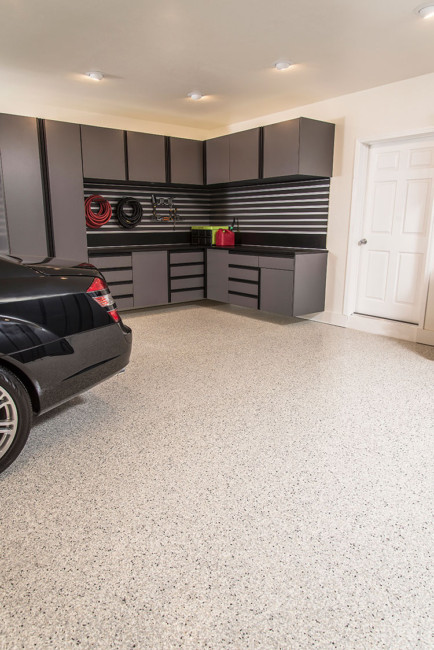 Upgrading Your Space with Epoxy Garage Floors
I’d love for you to join my email list! You’ll receive a notification straight to your inbox which will include links to my latest home project posts! Simply enter your address below.
Thanks for stopping by! Have a wonderful day/night depending on where you are in the world! Go with God and remember to be kind to one another!
Toodles,

Leave a Reply