Dogs are surprisingly good at hiding pain. It’s an old survival instinct, and it means most owners only notice something’s wrong when their dog skips the stairs, stops meeting them at the door, or flinches when touched near the hips. If you live in Boston, you’ve probably seen it get worse in winter, when cold, damp mornings leave older dogs stiff and slow to get going.
The good news? There’s a lot you can do at home to make your dog more comfortable. This guide covers how to spot the signs, the simple things that actually help, and the point where home care should hand over to your vet.
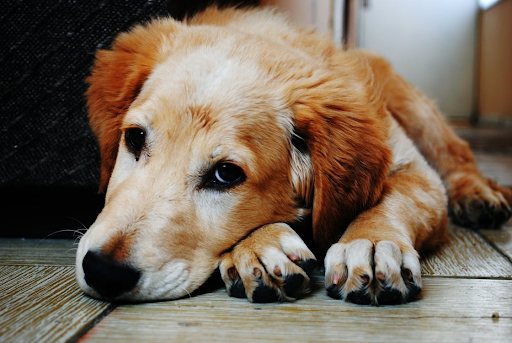
Learn the Quiet Signs of Pain
Dogs rarely yelp unless the pain is sudden. More often, it shows up as small changes in how they move and behave:
- Limping, or a stiff walk after a nap
- Licking the same spot, often a joint, again and again
- Panting or pacing when they should be resting
- Snapping or pulling away when you touch a certain area
- Eating less or losing interest in play
Here’s a tip that helps a lot: Keep a quick note on your phone. Write down what you notice and when. Patterns, like stiffness that’s worse in the morning, give your vet useful clues.
Know When It’s Not a Home-Care Situation
Some pain needs a vet the same day. Go in right away if your dog can’t stand, has been hit or had a fall, has a swollen belly, keeps crying out, or suddenly drags its back legs. Home care is meant for mild, ongoing aches like arthritis or a minor strain, and only after your vet has ruled out anything serious.
One firm rule: never give your dog human painkillers. Ibuprofen, naproxen and acetaminophen can damage a dog’s stomach, kidneys or liver, even in small amounts.
Simple Ways to Ease Your Dog’s Pain at Home
Once your vet has given the all-clear, small daily changes can make a real difference. If you’d like a closer look at specific remedies, this guide to natural pain relief for dogs at home by MedcoVet explains options such as joint supplements and at-home red light therapy, and when each one makes sense. Their licensed clinicians can also help you shape a plan around your dog’s actual condition.
Make the House Easier to Get Around
Slippery floors are hard on sore legs. Lay rugs or yoga mats along the paths your dog uses most. A ramp or sturdy step by the couch, bed or car saves a painful jump. A thick orthopedic bed that supports the joints is worth the money, especially for seniors. Raised food and water bowls can also take some strain off the neck and front legs.
Use Cold and Warmth the Right Way
Cold is best for a fresh injury or swelling. Wrap an ice pack in a thin towel and hold it on the spot for 10 to 15 minutes. Gentle warmth works better for old, stiff joints because it helps loosen tight muscles. Never put ice or a heating pad straight on the skin, and stay with your dog the whole time.
During a Boston winter, a padded coat for short walks and a warm bed away from drafty doors can make those stiff mornings a lot easier.
Keep Them Moving, Gently
Rest helps, but too much of it makes joints stiffer. Try swapping one long walk for two or three short, slow ones on soft ground like grass. A gentle massage of the big muscles along the back and thighs, rather than the sore joint itself, can ease tension and help your dog relax.
Watch Their Weight
This one gets overlooked, yet it matters a lot. Every extra pound adds load to sore joints. A large UK study of more than 455,000 dogs found that dogs above the average weight for their breed had about 2.3 times higher odds of being diagnosed with osteoarthritis. Ask your vet for a target weight, measure meals, and go easy on treats.
Ask Your Vet About Supplements and Therapies
Omega-3 fish oil, glucosamine and green-lipped mussel are common joint supplements, and some owners add gentle at-home therapies between vet visits. Check with your vet before starting anything new, though. The right dose depends on the product and your dog’s weight, and some supplements can clash with medicines your dog already takes.
Keep Track of How Your Dog Is Doing
Pain changes over time, so check in once a week. Is your dog getting up more easily? Walking a bit further? Sleeping through the night? If things aren’t better after a week or two, or they’re getting worse, book a vet visit and bring your notes along.
Conclusion
Helping a dog in pain at home comes down to a few steady habits. Notice the small changes, make your home safer to move around, use cold and warmth correctly, keep their weight in check, and keep your vet in the loop.
None of this is complicated, but done consistently, it can give your dog many more good days. Your dog can’t tell you where it hurts, but they will show you. Paying attention is half the job.
©2026 The Dedicated House. All rights reserved. No part of this blog post may be used or reproduced without the written consent of the copyright owner.
Click the links below for any posts you have missed:
 Decorating for the Seasons: How to Refresh Your Home Without Replacing Everything
 How to Choose Paintings for Your Living Room
 Practical Ways to Manage Fine Dust and Debris After Major Home Additions
 Designing a Restorative Nursery and Postpartum Haven at Home
 Before You Sign: A Homeowner’s Contractor Red Flags Checklist
 The First 48 Hours After Property Damage: What Homeowners Should Do
I’d love for you to join my email list! You’ll receive a notification straight to your inbox which will include links to my latest home project posts! Simply enter your address below.
Thanks for stopping by! Have a wonderful day/night depending on where you are in the world! Go with God and remember to be kind to one another!
Toodles,

Leave a Reply