Most nurseries are planned for photographs rather than midnight reality. Pristine white bouclé rugs look stunning on social media feeds, but spit-up doesn’t care about aesthetic perfection. When a newborn arrives, the room needs to function as a recovery wing for parents just as much as a sleeping space for an infant. A new parent often spends up to eight hours a day seated in one spot. That shift in perspective changes everything. It dictates chair selection, lighting levels, and the walking path to the crib. Real rest begins with practical layouts, not staging.
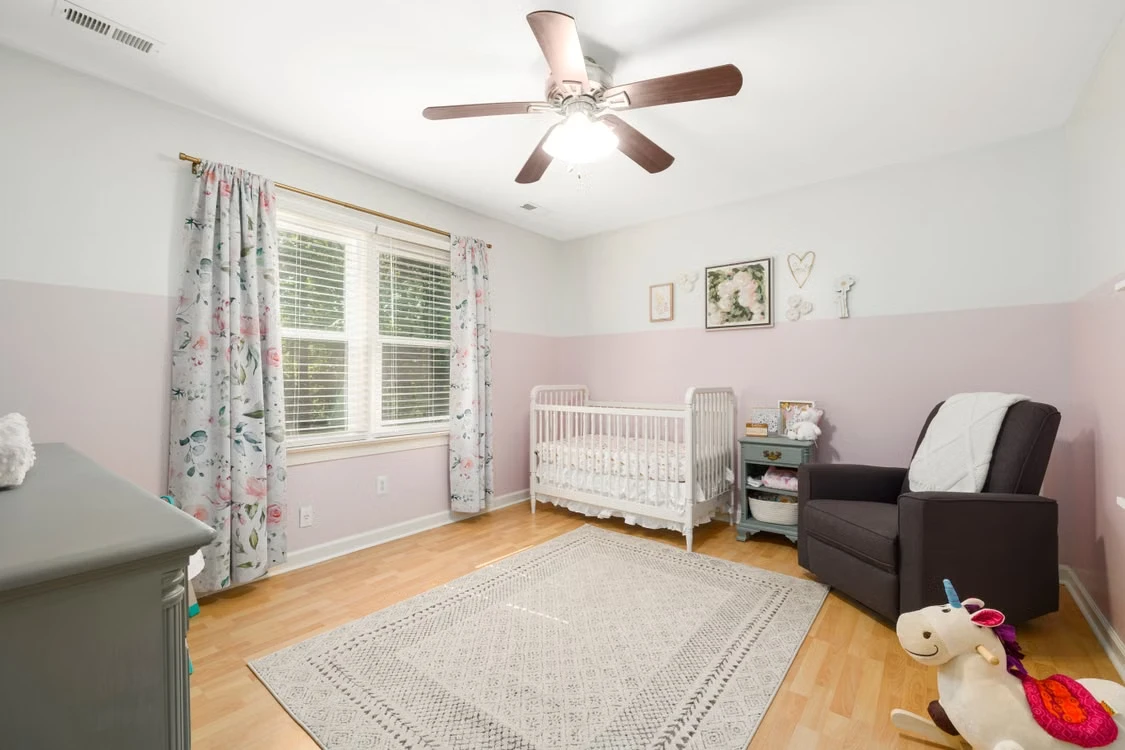
Consider the floor plan. If the path from the glider to the changing pad requires stepping around an ornate laundry hamper, toes get stubbed in the dark. Squeaky floorboards directly in front of the crib have ruined countless hard-won bedtimes. Test the traffic flow before bringing the baby home. Walk the room in socks with eyes half-shut. If an elbow catches a curtain rod or a hip bumps a shelf, relocate the furniture immediately. Functional comfort has to win.
Building a Functional Support Perimeter
A truly restorative space extends beyond physical walls into the surrounding community. When exhaustion peaks at three in the morning, practical relief becomes the ultimate luxury. Smart families map out lifelines long before the nursery paint dries. Typing search terms like baby care near me into a phone while pacing a hallway with a colicky infant creates unnecessary panic. Identifying verified postpartum doulas, vetted daytime helpers, or local drop-in care centers beforehand gives parents an instant relief valve. Knowing trusted hands are available allows a mother to relax her shoulders and actually rest.
Lighting and Sound Architecture
Harsh overhead fixtures have no business in a nursery. An incandescent bulb blazing at two in the morning shocks infant eyes and maternal melatonin production alike. Ever tried falling back asleep after getting blasted by seventy watts of daylight-spectrum glare? It rarely works. Swap standard wall switches for smooth dimmer sliders, or install smart bulbs that mimic the warm amber glow of sunset. Red-spectrum nightlights offer enough visibility for diaper changes without signaling daytime wakefulness. Small lighting shifts protect circadian rhythms for the whole household.
Acoustic balance requires equal intentionality. Modern homes feature plenty of hard surfaces like polished hardwood, tile, and bare plaster. Those materials bounce sound like a racquetball court. Add a dense wool rug paired with a thick felt pad underneath. Hang floor-length linen drapes lined with blackout fabric. These soft layers trap ambient noise, softening the clatter of a dropped bottle or a family member shutting a bedroom door down the hall. A quiet room protects everyone’s sleep.
Ergonomics for Adult Recovery
Nursery furniture often caters exclusively to tiny bodies, leaving aching adult frames cramped and sore. That wooden rocker handed down through generations might carry sentimental value, but it’ll punish a healing lower back after forty straight minutes of soothing. One Texas interior designer noted that most nursery redesigns happen because parents bought a stiff, trendy armchair that wrecked their posture. Invest in a glider built for physical recovery. Wide armrests support tired forearms during feedings. High-density seat foam prevents that sinking feeling that makes standing up feel like an Olympic lift. An ergonomic footrest relieves lingering swelling.
Keep daily supplies within arm’s reach of that seating station. Place a sturdy side table directly beside the chair. Stock it with a large insulated tumbler of ice water, high-protein snacks, clean burp cloths, and an extra-long phone charging cord. Bending down to grab an item off the floor while balancing a sleeping newborn invites disaster. A three-tier metal rolling cart makes a remarkably practical companion. Roll it to the sofa during the day, then wheel it back to the nursery at dusk.
Cultivating Sensory Peace
Visual clutter creates mental static. When sleep deprivation sets in, open shelving crammed with novelty toys and decorative shoes feels irritating rather than charming. Dust-gathering knick-knacks only demand cleaning when energy runs low. Choose closed storage instead. Woven baskets with snug lids conceal piles of swaddles, sleep sacks, and opened wipes. Warm greige or earthy sage paint grounds the nervous system. Keep horizontal surfaces clear. A clean tabletop signals to an overstimulated brain that the space is steady, calm, and under control.
Air circulation and moisture levels directly influence how soundly a baby sleeps. Stagnant, parched air leads to nasal congestion and frequent nighttime awakenings. Run a quiet cool-mist ultrasonic humidifier to maintain indoor humidity levels between forty and fifty percent. Keep room temperatures regulated between 68 and 72 degrees Fahrenheit. Pair the nursery setup with a dedicated white noise machine placed at least six feet away from the crib. A continuous low rumble masks sudden barking dogs or neighborhood traffic with ease.
Healing Beyond the Physical Environment
Even the most thoughtfully designed sanctuary cannot prevent the hormonal drop that follows childbirth. Estrogen and progesterone plunge rapidly within days of delivery, leaving many new mothers grappling with sudden tearfulness, anxiety, and exhaustion. While peaceful surroundings and supportive partners soften the edges of the fourth trimester, home design cannot fix clinical distress. Recognizing when standard baby blues cross into serious postpartum mood disorders is vital. Reaching out to a healthcare professional for clinical depression treatment provides structured, compassionate help when a quiet nursery alone cannot lift the heavy fog. Parental well-being forms the foundation of every thriving home.
Designing for Long Term Simplicity
Look past the first few months when selecting materials and furniture. Choose cribs that convert into toddler beds and sturdy dressers fitted with removable changing trays. Machine-washable slipcovers eliminate panic when inevitable leaks occur. Life with an infant remains messy, unpredictable, and physically demanding. Setting up spaces that forgive accidents and simplify basic daily tasks gives new parents room to catch their breath. When an environment intentionally protects the caregiver, the entire household feels grounded, patient, and restored.
©2026 The Dedicated House. All rights reserved. No part of this blog post may be used or reproduced without the written consent of the copyright owner.
Click the links below for any posts you have missed:
 Before You Sign: A Homeowner’s Contractor Red Flags Checklist
 The First 48 Hours After Property Damage: What Homeowners Should Do
 Keeping Pests Out During a Home Renovation
 What Heavy Rain Can Reveal About Your Home’s Drainage and Foundation
 How to Bring More Nature into Your Home
 How Local Real Estate Expertise Can Help You Make Better Home-Selling Decisions
I’d love for you to join my email list! You’ll receive a notification straight to your inbox which will include links to my latest home project posts! Simply enter your address below.
Thanks for stopping by! Have a wonderful day/night depending on where you are in the world! Go with God and remember to be kind to one another!
Toodles,

Leave a Reply