A change in season can make you look at your home differently. The bright cushions that worked well in summer may feel out of place during colder months, while a room that felt cozy in winter might need a lighter touch when spring arrives. The good news is that you do not need to buy new furniture or completely redesign your space to give it a fresh look.
If you live in Seattle, where the weather can change quite a bit throughout the year, small updates can help your home feel comfortable in every season. Here are six simple ways to change your decor while keeping the pieces you already love.

1. Change Your Cushions and Soft Furnishings
One of the easiest ways to refresh a room is to change its soft furnishings. Cushions, throws, curtains, and rugs can bring new colors and textures into a space without requiring major changes.
During spring and summer, lighter fabrics and brighter colors can make a room feel fresh. You might choose soft green cushions, floral patterns, or light cotton throws. As fall and winter approach, swap them for warmer shades such as rust, deep blue, brown, or burgundy. Knitted blankets and thicker fabrics can also make a living room feel more inviting.
You do not need to replace everything at once. Keep a small collection of seasonal cushion covers and throws, then store the ones you are not using. This makes it easier to change the look of your room without filling your closets with extra items.
2. Bring Seasonal Colors into Your Existing Decor
Color can change the mood of a room, even when the furniture stays exactly the same. Rather than repainting your walls every few months, use smaller decorative pieces to bring seasonal colors into your home.
For spring colors, try soft greens, pale pinks, cream, and light yellow. Summer can welcome brighter shades, while fall works well with earthy colors such as orange, brown, and warm red. In winter, deeper shades and touches of metallic finishes can create a cozy feel.
You can introduce these colors through vases, table runners, artwork, candles, and cushion covers. Try to repeat one or two colors in different parts of the room so the changes feel connected. Too many unrelated colors can make the space look busy.
3. Use Natural Elements to Reflect the Season
Nature offers plenty of decorating ideas throughout the year. Fresh flowers, branches, leaves, pinecones, and seasonal fruit can all make simple but attractive decorations.
In spring, a vase of fresh flowers can brighten a dining table or sideboard. Summer may call for fresh greenery or a bowl of colorful fruit in the kitchen. During fall, dried leaves, small pumpkins, and branches can add warmth to your decor. In winter, pinecones and evergreen branches can bring a seasonal touch indoors.
You do not have to spend much on these details. Some can come from your garden or a local market. Just choose items that suit the room and avoid covering every available surface. A few thoughtful decorations often look better than a large collection of items competing for attention.
4. Update Small Decorative Pieces
Sometimes, a room needs only one or two new details to feel different. A new table lamp, ceramic vase, decorative bowl, or piece of wall art can give a familiar space a fresh look.
A few well-chosen accessories can also help bring different parts of a room together. These are the kinds of pieces you might find at a Seattle decor store, especially one that carries home accessories, lighting, and gifts alongside furniture.
For example, DIGS has a mix of modern home goods, table lamps, decorative accessories, and furniture. Looking at how these items work together can give you ideas for updating your space with smaller pieces rather than buying an entirely new set of furnishings.
Before buying anything, look around your home. You may already have decorations in another room that could work better in your living room or bedroom. Moving a few items around can sometimes create the change you want at no extra cost.
5. Change Your Lighting to Suit the Season
Lighting affects how a room feels, especially as daylight hours change. During brighter months, you may want to make the most of natural light by keeping windows clear and using light curtains. In fall and winter, extra lamps can make darker evenings feel more comfortable.
Try moving a table lamp to a darker corner or adding a floor lamp beside your favorite reading chair. Warm white bulbs can create a softer mood in the evening, while dimmable lights let you adjust brightness depending on what you are doing.
You can also change lampshades or add small candles to create a different look. Just remember to place candles safely and keep them away from curtains, furniture, and other materials that can catch fire.
6. Rearrange Your Furniture and Seasonal Displays
You may not need new furniture at all. Sometimes, moving a few pieces can make your home feel like a different space. A chair moved closer to a window can create a pleasant reading spot, while a coffee table rearranged with a small seasonal display can give the living room a fresh focal point.
Try changing the way you arrange books, framed photos, and decorative objects on shelves. You could also create a small display on a console table and update it as the seasons change. Store decorations carefully when they are not in use. Clear boxes, labeled containers, and protective wrapping can help prevent damage and make it easier to find what you need next season.
Final Words
Seasonal decorating does not have to mean constant shopping or major changes. A different set of cushions, a few natural decorations, or a small furniture rearrangement can make your home feel fresh again.
Start with what you already own, then add only the pieces that improve the space. This way, your home can reflect the changing seasons while keeping the comfort and character that make it yours.
©2026 The Dedicated House. All rights reserved. No part of this blog post may be used or reproduced without the written consent of the copyright owner.
Click the links below for any posts you have missed:
 How to Choose Paintings for Your Living Room
 Practical Ways to Manage Fine Dust and Debris After Major Home Additions
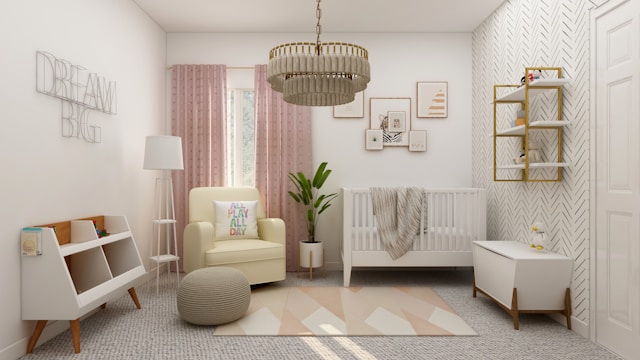 Designing a Restorative Nursery and Postpartum Haven at Home
 Before You Sign: A Homeowner’s Contractor Red Flags Checklist
 The First 48 Hours After Property Damage: What Homeowners Should Do
 Keeping Pests Out During a Home Renovation
I’d love for you to join my email list! You’ll receive a notification straight to your inbox which will include links to my latest home project posts! Simply enter your address below.
Thanks for stopping by! Have a wonderful day/night depending on where you are in the world! Go with God and remember to be kind to one another!
Toodles,

Leave a Reply