There is a moment in almost every kitchen or bathroom renovation where the cabinetry decision takes over everything else. The tile is selected, the countertop is narrowed down, and then someone opens the cabinetry conversation and the scope of what is actually being decided becomes clear. Door style, construction method, material, finish, interior organization, hardware, tolerances, lead times. It is the decision that touches every other decision in the room.
It is also the one where Florida’s conditions matter more than most clients initially expect.
What Florida Actually Asks of Cabinetry
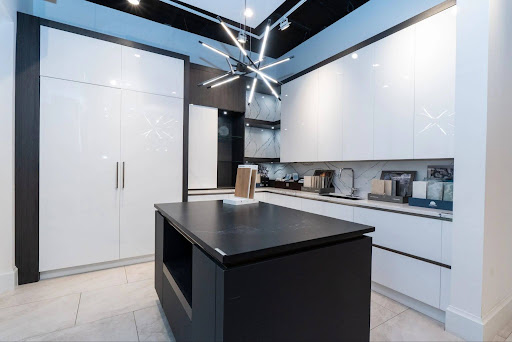
Humidity is the variable that separates a well-specified Florida cabinet from one that looks fine on delivery and starts failing two years later. Southwest Florida’s average relative humidity runs between 74% and 80% year-round. In coastal homes with sliding doors open to the lanai for much of the day, kitchen and bathroom environments can swing considerably higher.
What this means practically: MDF that is not properly sealed will absorb moisture and swell at the joints over time. Frameless construction with thin panel backs requires careful attention to the interior finish specification. Solid wood and plywood boxes, properly built and finished, handle Florida’s conditions reliably because they are dimensionally stable and less vulnerable to the moisture cycling that weaker materials cannot sustain.
For designers and builders specifying cabinetry across multiple units or in oceanfront and bay-front properties, this is not a footnote. It is a starting point.
What Is the Difference Between Custom and Semi-Custom Cabinets?
The industry uses both terms loosely enough that they can mean almost anything depending on who is saying them. Here is what actually separates the two in practice.
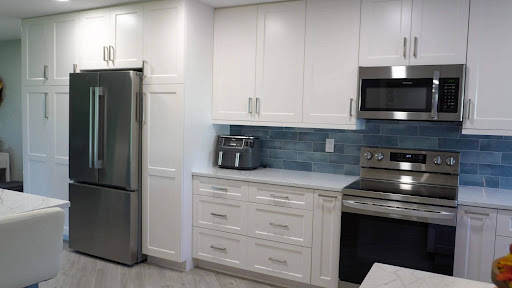
Semi-custom cabinetry is manufactured in fixed increments, typically in 3-inch width modules, with a defined range of finishes, door styles, and interior options. You are selecting from what exists. The lead times are shorter and the price points are lower because the manufacturing process is more standardized. For multifamily developments, rental units, and fast-moving commercial builds, semi-custom is often the right specification. Fabuwood, for example, is designed for exactly this kind of project: consistent quality, efficient production, and reliable repeatability across many units.
Custom cabinetry is built to the exact dimensions of the space, with no module constraints. This matters in older Florida homes with out-of-plumb walls, in rooms with unusual architectural features, and in any project where the design intent requires a specific proportion or detail that a modular system cannot accommodate. Curved cabinets, unusual interior configurations, glass fronts with specific profiles, integrated appliance panels, and specialty finishes all require true custom production. Elmwood and Cabico, which Florida Design Works specifies for luxury residential and design-forward projects, operate at this level.
The honest guidance is this: if the project can be served well by semi-custom, it usually should be. If the space or the design requires something that semi-custom cannot deliver, custom is not an extravagance, it is the correct specification.
Construction that Holds Up
Florida Design Works’ standard cabinetry construction uses solid wood frames and doors with plywood boxes. That combination is not universal in the industry, but it is the right baseline for Florida conditions. Plywood boxes resist moisture-driven swelling better than MDF-based alternatives, and solid wood frames offer the structural integrity and finish quality that high-end residential and commercial projects require.
For projects where the interior of the cabinet is as important as the exterior, all-plywood construction is available, which creates a seamless, finished interior that works particularly well in glass-front applications and open-shelf configurations.
The hardware specification is part of the construction conversation, not an afterthought. Soft-close hardware on drawers and doors is standard, which matters practically in kitchens and bathrooms that see heavy daily use. In coastal environments where salt air accelerates corrosion on lower-quality hardware, the specification of the hinge and drawer slide matters as much as the box construction.
What Are the Best Material and Finish Options for Custom Cabinets
The selection range across Florida Design Works’ cabinetry program covers solid wood, exotic veneers, MDF, laminate, and melamine, with more than 1,500 door styles, finishes, and paint colors available across the lines carried. That range is wide enough to support contemporary coastal interiors, traditional built-in millwork, and everything between.
A few things worth knowing when navigating finish decisions in the Florida market:
Paint-grade finishes in high-gloss and semi-gloss perform differently in spaces with significant direct sunlight. In south and west-facing kitchens along the Gulf Coast, a high-gloss painted cabinet can create glare that becomes fatiguing in daily use. Satin and matte finishes handle direct light more gently and show less of the surface imperfections that humidity can introduce over time.
Wood veneer in a wire-brushed or lightly textured finish is one of the most consistent performers in Florida coastal interiors right now. It reads as warm and natural without the maintenance concerns of painted surfaces in humid environments, and it relates visually to the engineered hardwood and stone-look materials that are commonly specified alongside it.
Dark painted cabinetry in lower cabinets with lighter upper cabinets or open shelving is a configuration that has earned its place in Florida kitchen design for practical reasons beyond aesthetics: the lower cabinets take more physical contact and cleaning, and darker finishes in a durable paint grade hold up better to that daily use without showing wear the way a lighter finish can.
Construction Styles and What They Mean for the Finished Room
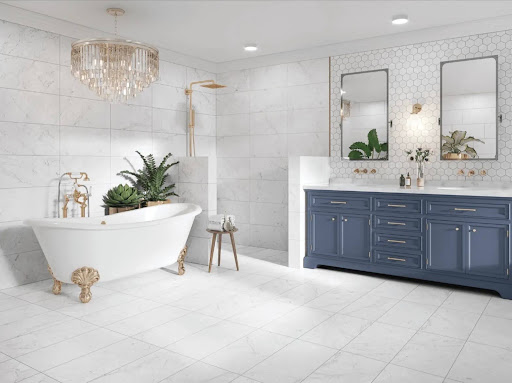
European frameless construction maximizes interior storage depth and delivers the clean, flush appearance that suits contemporary Gulf Coast interiors. With no face frame, the full interior width of the cabinet is accessible, and the doors sit flush across the cabinet front, which creates a minimal, planar quality that works particularly well in open-plan kitchens where the cabinetry runs along a full wall.
Full overlay and partial overlay are both face-frame constructions where the door covers varying amounts of the frame. Full overlay creates a look closer to frameless from the exterior while retaining the structural benefit of a face frame. Partial overlay is common in traditional and transitional cabinetry and tends to work well in spaces where the frame itself is a design element.
Inset cabinetry, where the door sits flush within the face frame rather than overlapping it, is the most demanding construction in terms of precision. The tolerances are tight, and in a Florida environment where humidity causes minor dimensional changes in wood over seasons, the fit of an inset door requires careful attention from both the fabricator and the installer. For the right project and the right client, it produces a quality that is unmistakable. It is simply not the right specification for every situation.
What Working with the Right Supplier Actually Means
On an active job site, cabinetry is one of the dependencies that everything else sequences around. The countertop cannot be templated until the cabinets are installed. Appliance delivery aligns with cabinet delivery. Tile work in adjacent areas gets scheduled around cabinet installation access.
When cabinetry documentation is incomplete, lead times shift unexpectedly, or the delivered product does not match the specification, the downstream consequences extend well beyond the cabinet line item. For builders managing schedules across multiple projects and designers protecting their design intent through fabrication and delivery, the supplier relationship matters as much as the product itself.
Florida Design Works works from plans and specifications, provides detailed submittals, maintains consistent quality across single and multi-unit projects, and offers support through design development, fabrication, and delivery. The team is equipped to handle the full project scope for luxury custom residential builds through commercial interiors and multifamily developments.
The Sarasota showroom is the most comprehensive location, with full cabinetry, countertop fabrication, tile, and project management support for larger projects. The Fort Myers and Naples showrooms serve the southwest Florida market with cabinetry and design consultation capabilities suited to the project mix in each market.
Frequently Asked Questions
Do you work directly with builders, designers, and architects?
Yes, and most cabinetry projects involve trade professionals from the start. The team is comfortable working from architectural drawings, design intent documents, and specifications, and can provide submittals appropriate for the project documentation requirements.
Can Florida Design Works handle multi-unit or commercial projects?
Yes. The cabinetry lines include options suited to different project types and scales. Fabuwood is frequently specified for multifamily, rental, and fast-moving commercial builds where consistency and value are both priorities. Custom lines like Elmwood and Cabico are reserved for luxury residential and hospitality projects where the design brief requires more.
Where is the cabinetry fabricated?
Florida Design Works works with established North American manufacturers. Lead times and fabrication locations vary by line, which is part of the supplier conversation at the specification stage.
What construction standard should I specify for a Florida coastal home?
Solid wood frames and doors with plywood boxes is the reliable baseline. It handles Florida’s humidity cycling better than MDF-based alternatives and holds up to the daily demands of a working kitchen or heavily used bathroom over the long term.
Can you accommodate unusual dimensions or custom details?
Yes. True custom cabinetry has no module constraints, which means curved cabinets, unusual room geometries, glass fronts with specific profiles, integrated appliance panels, and specialty interior configurations are all within scope. These are the situations where custom production earns its value over semi-custom alternatives.
©2026 The Dedicated House. All rights reserved. No part of this blog post may be used or reproduced without the written consent of the copyright owner.
Click the links below for any posts you have missed:
 How to Blend Function and Style in an Open-Concept Living Area
 Planning Garden Changes Around a Mature Tree
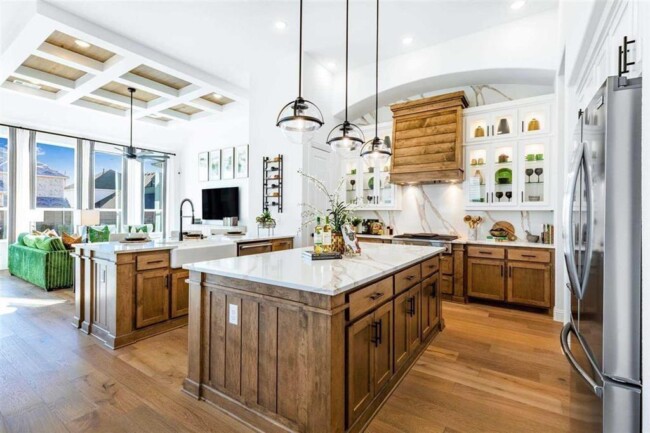 Move-In Ready Homes Are Beating Fixer-Uppers in the U.S. Housing Market
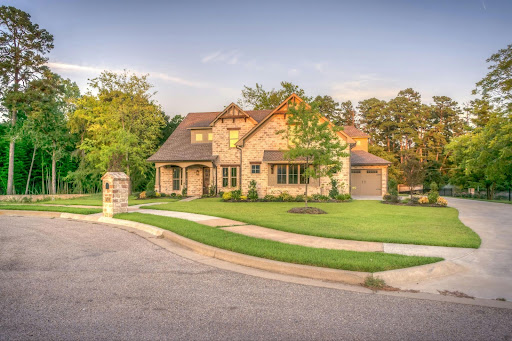 Pricing a Tulsa Home Right the First Time (So It Doesn’t Sit)
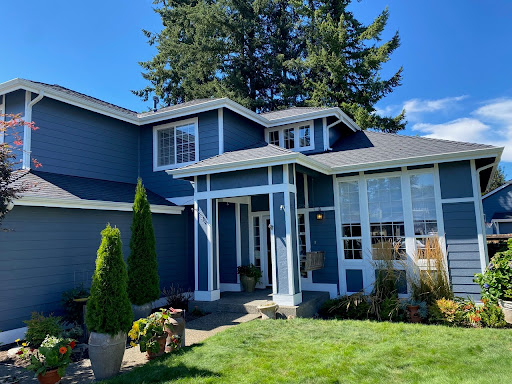 A Smarter Moving Plan: Match Each Belonging with the Packing Protection It Needs
 2026 Home Design Trends: What to Expect and How to Adapt
I’d love for you to join my email list! You’ll receive a notification straight to your inbox which will include links to my latest home project posts! Simply enter your address below.
Thanks for stopping by! Have a wonderful day/night depending on where you are in the world! Go with God and remember to be kind to one another!
Toodles,

Leave a Reply