I love a home that feels cared for. You know the feeling the moment you walk in. Everything smells fresh, the rooms feel comfortable, and there’s a sense that the house is in good hands. But some of the things that quietly chip away at that feeling never announce themselves. They don’t drip from the ceiling or flood the basement. They just sit behind a wall or under a floor, slowly doing damage where nobody can see it.
Hidden moisture is one of those things. It’s so easy to miss that most of us don’t think about it until there’s a real problem, which is exactly why it’s worth knowing what to look for ahead of time.
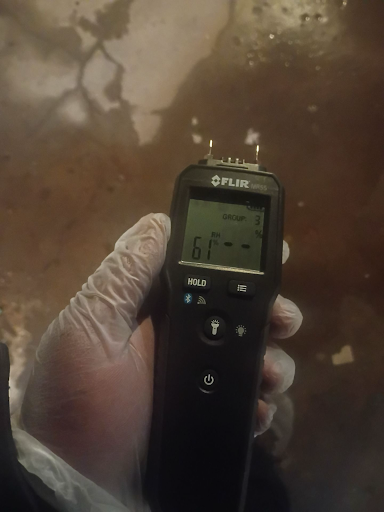
Why Hidden Moisture Is Such a Sneaky Problem
When we picture water damage, we usually picture something dramatic. A burst pipe. A storm sending water in under the door. But a lot of moisture problems are slow and silent instead. A small leak under a sink. Condensation building up inside a wall. A little seepage in the foundation that only shows after heavy rain.
Materials like drywall, insulation, and wood soak moisture up and hold onto it. So by the time you actually see a stain or catch a whiff of something off, the water has usually been there a while. That’s also right around when mold likes to move in. The EPA notes that mold can start growing on damp materials in as little as 24 to 48 hours.
Because so much of this happens out of sight, it’s genuinely hard to size up on your own. The folks who do this for a living, the companies that specialize in water damage and mold remediation, use moisture meters and thermal imaging to find water you’d never catch by eye. There are plenty of them around, and it’s worth leaning on one that takes the time to explain what’s actually going on rather than just handing you a quote. One I’ve found genuinely educational and trustworthy on all of this is Sunrise Water Damage. It’s also worth doing a little reading of your own. The CDC’s page on mold and dampness and the EPA guide I linked above both lay out, in plain language, what causes moisture problems and when they turn serious.
The Signs Most of Us Walk Right Past
These are the quiet clues I always tell friends to watch for. None of them seem urgent on their own, which is the whole reason they slip by.
A musty smell is the big one. You walk into a room, or open a closet, and there’s that faint earthy, damp smell. Maybe it fades when you crack a window and then drifts back. That smell is one of the most reliable signs that moisture is hiding somewhere close, even when you can’t see a single thing wrong.
Then there’s paint and wallpaper that starts misbehaving. Bubbling, peeling, little blisters in the paint, all of that usually means moisture is pushing through from behind. Wallpaper lifting at the seams is the same story.
Stains are another one. Yellowish or brownish patches on a ceiling or wall, especially the kind that slowly spread, mean water is traveling somewhere it shouldn’t.
A few others worth a glance: floors that cup or buckle even though the surface feels dry, a room that always feels clammy and heavy compared to the rest of the house, and condensation showing up in places it has no business being. A little fog on the bathroom mirror after a shower is fine. Moisture clinging to windows, walls, or pipes in other rooms is not.
A Few Easy Places to Check Yourself
You don’t need any special tools for a quick once-over. I like to do this with the change of seasons, especially heading into the wetter months.
Peek under your sinks and look for dampness, swelling, or staining on the cabinet floor. Check around the base of the toilets and tubs. Look at the basement walls and floor after a hard rain. Glance at the ceilings underneath bathrooms and around any skylights.
And don’t skip the spots we all forget. Behind the washing machine. Around the water heater. Under the dishwasher. Those are the quiet troublemakers.
If it all looks and smells dry, wonderful. If something seems off, then you’ve caught it early, and early is the whole point.
When It’s Time to Bring in Help
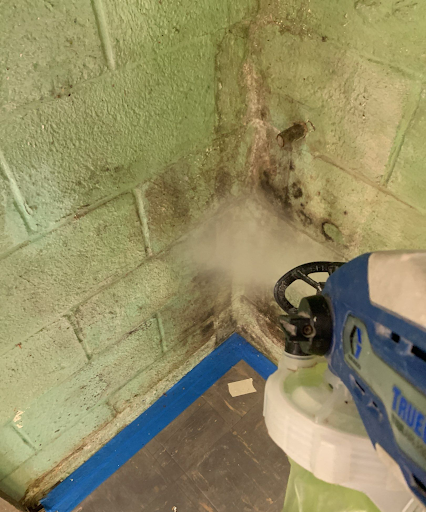
I’ll be straight with you about this part. The surface stuff you can usually handle on your own. Tighten a connection, run a dehumidifier, open things up and improve the airflow. But once moisture has worked its way into walls, subflooring, or insulation, it gets really hard to tell how far it’s spread or whether mold has already started, and that’s the point where I’d stop guessing and let a professional run the proper tests. Catching it at that stage almost always costs less, and stresses you out less, than waiting until the damage finally announces itself.
A Little Attention Goes a Long Way
A healthy, comfortable home isn’t one that never has problems. It’s one where somebody is paying a little attention. A quick sniff in the closet. A glance under the sink. Noticing the one room that always feels a touch damp and actually following up on it.
Hidden moisture is so much easier to deal with when you find it early, and now you know what those quiet signs look and smell like. Trust your nose, trust your eyes, and don’t talk yourself out of checking something that feels off. Your home will thank you for it.
©2026 The Dedicated House. All rights reserved. No part of this blog post may be used or reproduced without the written consent of the copyright owner.
Click the links below for any posts you have missed:
 Discovering Modern Comfort in Uptown Chicago
 Listing Your Home vs. Calling a Cash Buyer (A Simple Side-by-Side)
 Creating Multi-Purpose Garden Spaces for Work, Relaxation and Storage
 Ensuring Indoor Comfort: The Importance of Professional HVAC and Air Quality Services
 Designing a Bathroom that Suits a Period Home Without Feeling Dated
 Why Bespoke Interior Design Is About More than Just Having Nice Taste
I’d love for you to join my email list! You’ll receive a notification straight to your inbox which will include links to my latest home project posts! Simply enter your address below.
Thanks for stopping by! Have a wonderful day/night depending on where you are in the world! Go with God and remember to be kind to one another!
Toodles,

Leave a Reply