We expect a lot from our homes these days. Backyards used to be places we only bothered with on sunny weekends, mostly just to cut the grass. Now, we treat them as extra rooms. Getting a garden to handle working from home, weekend lounging, and storing all your tools is tricky but completely doable.
You do not need to concrete over the lawn or spend a fortune. A solid starting point is rethinking the buildings you already have, or plan to get. An ordinary shed, for instance, does not have to be a dark box for rusty rakes.
Add some decent shelving and battery-powered lights, and it turns into a very practical potting area that doubles up as secure storage. The trick is giving everything a proper place.
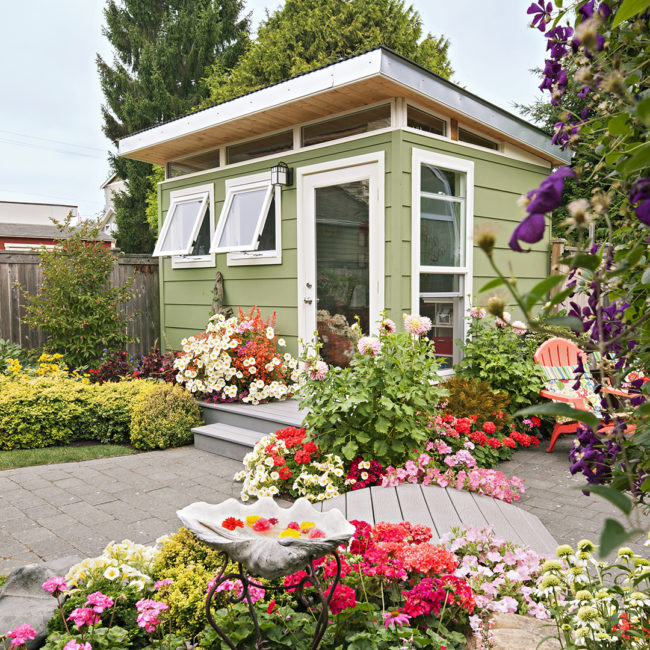
How Do You Effectively Zone a Multi-Purpose Garden?
You effectively zone a garden by using physical dividers like low hedges, gravel paths, and different paving materials to clearly separate your work areas from your relaxing spots.
This stops the whole space from feeling messy. A lot of people just dump a table and some chairs right in the middle of the grass (usually because it seems like the easiest option).
Try pushing the different functional areas out towards the fences. You could use some wooden trellis panels to hide the compost bin and wheelbarrow from the main seating area.
Balancing Professional Focus with Outdoor Leisure
Working from home is just normal life for a lot of us in 2026. Trying to do your job from the kitchen table gets old very quickly. You need physical separation from the house to actually get things done.
If you plan to work outside all year, proper log cabins make a massive difference. Investing in a high quality model means you have a solid timber space that keeps the noise out and the warmth in.
When you finish working, you just lock the door and walk across the patio. That tiny commute helps your brain switch off.
Smart Storage Solutions for a Tidy Space
A garden trying to do three jobs at once will fail if it is covered in clutter. Nobody wants to relax next to a pile of muddy boots and half-empty bags of compost.
Try this if you are tight on space:
- Buy a waterproof bench for the patio that opens up so you can shove the cushions inside.
- Put heavy hooks on the outside walls of your outbuildings to hang up the hosepipe.
- Use tall, narrow storage units rather than wide ones to save floor space.
Sorting out garden storage is mostly trial and error. It usually takes a few weekends of moving things around before you find a setup that actually works (sometimes four or five attempts if you have kids’ toys to hide).
Bringing It All Together
You do not need a landscape architect to make a garden work for you. It just takes a bit of logical thinking.
Treat it like organising a small kitchen. Keep the things you use every day easy to reach, and hide the bulky stuff out of sight. You can sketch a rough plan on paper before you buy anything, this will save a lot of headaches later on. If you get the zones right, your garden will be useful every single month of the year.
©2026 The Dedicated House. All rights reserved. No part of this blog post may be used or reproduced without the written consent of the copyright owner.
Click the links below for any posts you have missed:
 Ensuring Indoor Comfort: The Importance of Professional HVAC and Air Quality Services
 Designing a Bathroom that Suits a Period Home Without Feeling Dated
 Why Bespoke Interior Design Is About More than Just Having Nice Taste
 Transform Your Home Into a Personalized Spa Sanctuary: Key Benefits and Insights
 Why Regular Plumbing Inspections Matter
 What Is Considered a Long Distance Move?
I’d love for you to join my email list! You’ll receive a notification straight to your inbox which will include links to my latest home project posts! Simply enter your address below.
Thanks for stopping by! Have a wonderful day/night depending on where you are in the world! Go with God and remember to be kind to one another!
Toodles,

Leave a Reply