Improving indoor air quality (IAQ) is a multifaceted endeavor, but it fundamentally rests on three core strategies: source control, improved ventilation, and effective filtration. Our HVAC systems play a pivotal role in each of these areas, acting as the central nervous system for our home’s atmospheric health.
| Strategy | Description | HVAC’s Role to maintain optimal IAQ.
Balancing Energy Efficiency with HVAC and Air Quality
The drive for energy efficiency in modern homes often leads to tighter building envelopes, which can inadvertently trap pollutants. This is where advanced HVAC solutions come into play. Energy Recovery Ventilators (ERVs) and Heat Recovery Ventilators (HRVs) are crucial technologies that allow us to introduce fresh outdoor air without compromising the indoor temperature or humidity, maintaining energy efficiency. These systems recover a significant portion of the thermal energy from the outgoing stale air, transferring it to the incoming fresh air. Modern ERVs and HRVs can recover 70-80% of this thermal energy, making them highly efficient.
For instance, in a humid climate like Florida’s Space Coast, an ERV is particularly beneficial as it also manages moisture transfer, preventing excessive humidity from entering the home with the fresh air. This is vital for homes in Melbourne, FL, where high humidity is a year-round concern. These systems can also be integrated with demand-controlled ventilation, using CO2 or VOC sensors to automatically adjust ventilation rates based on actual occupancy and pollutant levels, further optimizing both IAQ and energy use. For comprehensive HVAC solutions that consider both comfort and efficiency, homeowners often seek out expert installation and service. You can learn more about professional AC installation services by visiting a trusted local provider like Anna’s Cocoa Beach AC Install.
Advanced Filtration and Purification Technologies
Beyond the basic functions of an HVAC system, specialized filtration and air cleaning technologies offer enhanced protection against a wide array of indoor pollutants. These advancements are critical for ensuring the air circulating through our homes is as clean as possible.
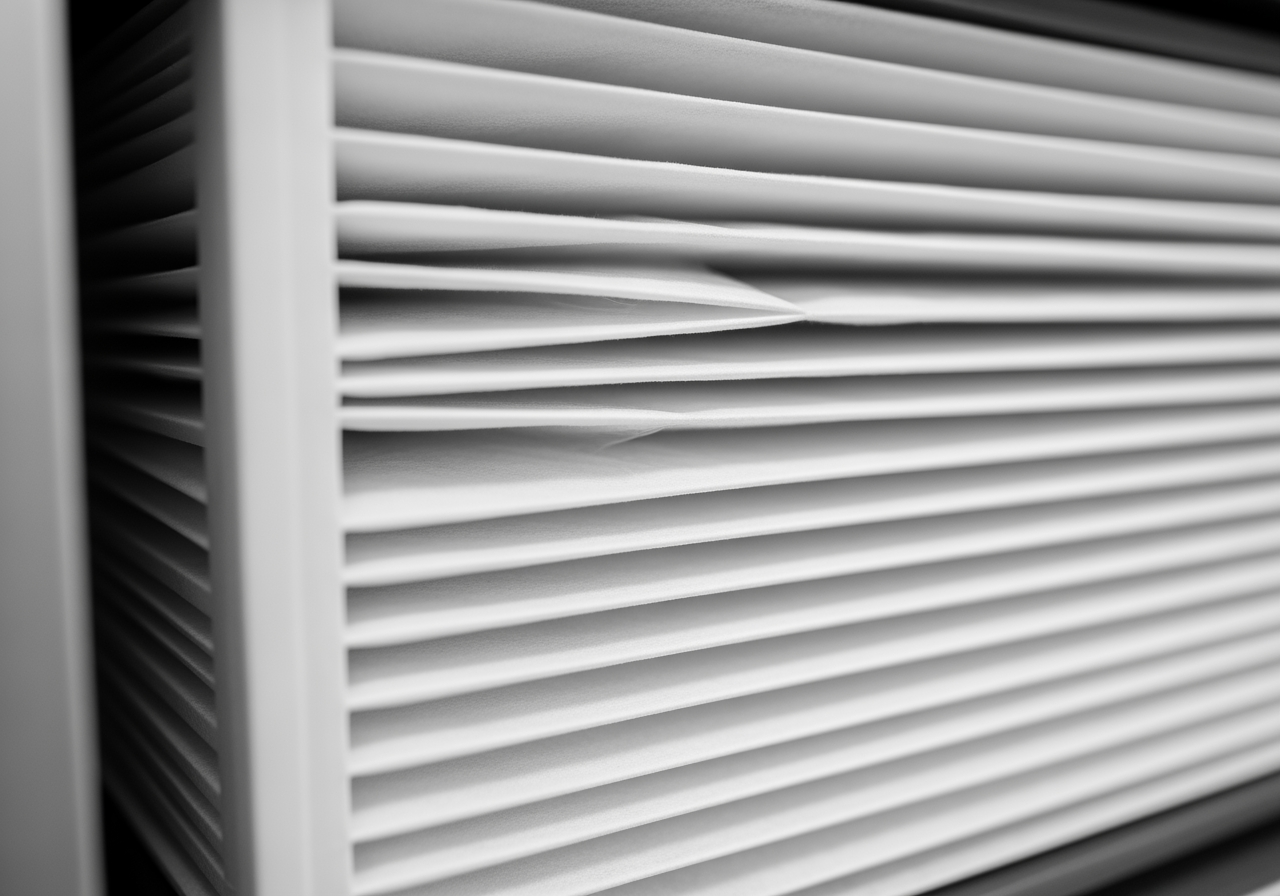
MERV-Rated Filters
The Minimum Efficiency Reporting Value (MERV) rating system measures a filter’s ability to capture airborne particles. Filters with higher MERV ratings are more effective at trapping smaller particles. While residential systems often come with lower MERV filters (MERV 1-4), upgrading to a MERV 11 or even MERV 13 filter can significantly improve IAQ. A MERV 13 filter, for example, is highly efficient, capturing over 90% of particles between 1 and 3 microns in size. This includes common allergens like pollen, mold spores, and pet dander, as well as fine dust and even some bacteria.
However, it’s important to note that higher MERV ratings can increase airflow resistance. This means your HVAC system’s blower motor might have to work harder, potentially impacting its efficiency and lifespan if the system isn’t designed to handle the increased pressure drop. Consulting with an HVAC professional is essential to ensure your system can accommodate a higher-efficiency filter without adverse effects.
HEPA Filtration
High-Efficiency Particulate Air (HEPA) filters are the gold standard for air purification, capable of capturing 99.97% of airborne particles as small as 0.3 microns. This level of filtration is often found in hospitals and cleanrooms. While true HEPA filters are too restrictive for most residential HVAC systems’ central airflow, portable HEPA air purifiers are an excellent addition for specific rooms, especially for individuals with severe allergies or respiratory conditions. Some specialized whole-house HEPA systems exist, but they typically require dedicated air handlers.
UV-C Germicidal Lights
Ultraviolet-C (UV-C) germicidal lights are another powerful tool in the fight for cleaner indoor air. Installed within the HVAC system, typically near the evaporator coil or in the ductwork, these lights emit UV-C radiation that neutralizes biological contaminants like mold, bacteria, and viruses. They are particularly effective at preventing microbial growth on the moist surfaces of the evaporator coil, which can otherwise become a breeding ground for these pathogens.
UV-C lights kill living organisms but do not filter out inanimate particles like dust, pollen, or pet dander. Therefore, they are best used as part of a layered approach, complementing high-efficiency filtration and proper ventilation to achieve comprehensive air purification. When integrated correctly into the return plenum, UV-C lights can effectively treat the air as it circulates, providing an additional layer of protection against airborne illnesses.
Managing Humidity and Outdoor Pollutants
Effective indoor air quality management extends beyond just filtering particles; it also involves carefully controlling humidity levels and mitigating the impact of outdoor air pollution. Both factors significantly influence our health and comfort indoors.

Humidity Control: The Sweet Spot for Health
Maintaining optimal indoor relative humidity is paramount for good IAQ. Experts recommend keeping indoor humidity levels between 30% and 50%. This range is critical for several reasons:
- Mold Suppression: Mold thrives in environments with relative humidity above 60%. By keeping humidity within the ideal range, we significantly reduce the risk of mold growth on surfaces and within the HVAC system itself. Mold spores can trigger allergies, asthma attacks, and other respiratory issues.
- Discouraging Pests: Dust mites, common allergens, flourish in high humidity. Keeping humidity below 50% helps to control dust mite populations, which can alleviate allergy symptoms.
- Bacterial and Viral Activity: Research suggests that a relative humidity between 30%–50% also discourages the survival and spread of certain bacteria and viruses, contributing to a healthier indoor environment.
- Comfort and Property Protection: Proper humidity levels enhance comfort, preventing the sticky feeling of high humidity or the dry skin and static electricity associated with low humidity. It also protects wooden furniture, flooring, and other household items from warping or cracking.
In regions like Palm Bay, FL, where outdoor humidity is consistently high, whole-home dehumidifiers integrated with the HVAC system are invaluable. While air conditioners remove some moisture as a byproduct of cooling, a dedicated dehumidifier provides precise control, especially during milder weather when the AC isn’t running frequently enough to manage humidity.
Combating Outdoor Pollutants: Wildfire Smoke, Dust, and Inversions
Our homes are not entirely sealed off from the outside world, and outdoor air pollution can significantly impact indoor air quality through HVAC systems. Recent years have highlighted the growing threat of events like wildfire smoke, which can travel hundreds or thousands of miles.
- Wildfire Smoke: Studies show that wildfire smoke, rich in fine particulate matter (PM2.5), can infiltrate buildings four to five times more than pollution from inversions and wind-driven dust events. This is particularly problematic if HVAC systems use air-side economizers, which draw in large quantities of outdoor air for cooling when conditions are favorable. While energy efficient, these systems can become a conduit for smoke unless properly managed with high-efficiency filtration (MERV 13 or higher) and temporary sealing of outdoor air dampers during severe smoke events.
- Dust and Inversions: While dust events and winter inversions (common in some inland areas) also bring PM2.5, their impact on indoor air quality through HVAC systems tends to be less severe. For example, ammonium nitrate particles, a major component of inversion pollution, have been observed to turn into a gas phase indoors due to temperature and humidity differences, effectively disappearing from the air. However, high-efficiency filters still offer protection against these particles.
Understanding the specific outdoor air quality challenges in your area, combined with appropriate HVAC settings and filtration, is key to protecting your indoor environment.
Smart Sensors and HVAC and Air Quality Monitoring
In the rapidly evolving landscape of home technology, smart sensors and monitoring systems are transforming how we manage indoor air quality. These tools provide real-time insights, enabling us to move from reactive problem-solving to proactive health management within our homes.
The Power of Real-Time Data
Traditional methods of assessing IAQ often involved professional testing, which provided a snapshot but lacked continuous oversight. Today, affordable and sophisticated smart sensors allow homeowners to continuously monitor key indoor air pollutants:
- PM2.5 Sensors: These detect fine particulate matter, which includes dust, pollen, pet dander, and smoke particles. High PM2.5 levels are linked to respiratory and cardiovascular issues. Real-time monitoring allows homeowners to see the immediate impact of activities like cooking or outdoor pollution events.
- CO2 Monitoring: Carbon dioxide (CO2) levels are an excellent indicator of ventilation effectiveness. Inadequate ventilation leads to CO2 buildup, which can cause drowsiness, headaches, and impaired cognitive performance. Studies have shown that CO2 levels above 1,500 ppm in bedrooms during sleep can cause measurable cognitive impairment. Smart sensors can alert homeowners when CO2 levels rise, prompting them to increase ventilation.
- VOC Detection: Volatile Organic Compounds (VOCs) are gases emitted from various products like paints, cleaning supplies, new furniture, and building materials. Many VOCs are harmful and can cause short-term health effects and long-term health problems. VOC sensors help identify sources and prompt action, such as increased ventilation or source removal.
By integrating these sensors into a comprehensive monitoring system, homeowners gain unprecedented visibility into their air quality. This data empowers them to make informed decisions about ventilation, filtration, and source control, optimizing their HVAC system’s performance for IAQ. The ability to monitor air quality remotely and receive alerts on a smartphone has become a standard expectation in modern smart homes, including those in dynamic communities like Melbourne, FL.
Optimizing HVAC and Air Quality with Smart Controls
Smart controls, often integrated with smart thermostats and home automation platforms, take IAQ monitoring a step further by enabling automated responses and fine-tuned adjustments to the HVAC system:
- Blower Motor Settings: Smart thermostats allow for precise control over the HVAC fan. Running the fan on “on” mode, rather than just “auto,” continuously circulates and filters the air, even when the system isn’t actively heating or cooling. This can significantly improve air circulation, reduce temperature stratification (uneven heating/cooling), and increase the frequency of air filtration, which is particularly beneficial for allergy sufferers.
- Demand-Controlled Ventilation: When integrated with CO2 or VOC sensors, smart controls can automatically activate mechanical ventilation (like an ERV or HRV) only when pollutant levels exceed a set threshold. This “demand-controlled ventilation” ensures fresh air is introduced precisely when needed, balancing IAQ with energy efficiency.
- Filter Life Tracking: Some smart systems can track the operational hours of the HVAC system and provide reminders for filter replacement, or even integrate with pressure sensors to detect when a filter is clogged and needs changing.
- Remote Monitoring and Control: Homeowners can monitor their IAQ and adjust HVAC settings from anywhere via a smartphone app. This is invaluable for preparing a home before arrival or responding to unexpected outdoor air quality alerts.
The synergistic relationship between smart sensors and HVAC controls creates an intelligent, responsive system that continuously works to maintain optimal indoor air quality, comfort, and energy efficiency. As of May 2026, these integrated solutions are becoming increasingly sophisticated, offering homeowners unprecedented control over their indoor environment.
Maintenance Practices for Long-Term IAQ
Even the most advanced HVAC system will fail to deliver optimal indoor air quality without consistent and proper maintenance. Regular upkeep is not just about extending the life of your equipment; it’s fundamentally about ensuring the system effectively cleans and conditions the air you breathe.
Duct Cleaning and Sealing
The ductwork acts as the circulatory system of your home’s air. Over time, ducts can accumulate dust, debris, pet dander, pollen, and even mold. When the HVAC system operates, these contaminants can be circulated throughout your home.
- Duct Cleaning: Professional duct cleaning removes these accumulated pollutants, preventing them from becoming airborne. This is especially important if you’ve recently renovated, have pets, or notice excessive dust or musty odors. When considering professional duct cleaning, it’s wise to choose a service that adheres to industry standards. For instance, you can find more information about maintaining air quality through professional services at resources like NADCA HVAC Air Quality.
- Duct Sealing: Leaky ducts are a major culprit for poor IAQ and energy waste. The average home loses 20-30% of conditioned air through duct leaks. These leaks not only allow conditioned air to escape but also pull in unfiltered air from unconditioned spaces like attics, crawlspaces, or basements, introducing dust, insulation fibers, mold spores, and other contaminants directly into your living areas. Professional duct sealing dramatically improves both energy efficiency and IAQ.
Coil Cleaning and Condensate Drain Inspection
The evaporator coil, located inside your indoor HVAC unit, cools the air and removes humidity. This process creates condensation, which collects in a drain pan and exits through a condensate line.
- Coil Cleaning: Over time, the coil can get dirty, reducing its efficiency and becoming a breeding ground for mold, bacteria, and algae due to its moist environment. Regular professional cleaning prevents these biological contaminants from growing and being distributed into your home’s air.
- Condensate Drain Inspection: The condensate drain line can become clogged with algae or debris, causing water to back up, overflow the drain pan, and potentially lead to water damage, mold growth, and even system shutdown. Regular inspection and cleaning of this drain are vital.
Filter Replacement Cycles
Perhaps the simplest yet most critical maintenance task is regularly replacing your HVAC air filter. This is your system’s first line of defense against airborne particles.
- Frequency: Standard 1-inch filters typically need replacement every 30-90 days, depending on factors like household size, presence of pets, allergies, and local air quality. Homes with pets or allergy sufferers may need monthly changes, while a single-occupant home without pets might stretch it to three months. Neglecting filter changes restricts airflow, strains the HVAC system, and allows pollutants to bypass the filter.
- Professional Tune-ups: Scheduling annual or semi-annual professional HVAC tune-ups ensures all components are inspected, cleaned, and calibrated. Technicians check refrigerant levels, electrical connections, motor performance, and overall system efficiency. This proactive approach not only maintains optimal IAQ but also prevents costly breakdowns and extends the system’s lifespan. In coastal areas like Brevard County, the salt air can accelerate corrosion on outdoor units, making regular professional inspections even more critical.
By adhering to these maintenance practices, homeowners can ensure their HVAC system functions as an effective tool for maintaining excellent indoor air quality, contributing to a healthier and more comfortable living environment.
Frequently Asked Questions about HVAC and Air Quality
We often receive questions from homeowners seeking to understand better how their HVAC systems contribute to a healthy indoor environment. Here are some of the most common inquiries regarding HVAC and air quality.
How often should I replace my HVAC filters to maintain air quality?
The frequency of HVAC filter replacement is not a one-size-fits-all answer; it depends on several factors. For standard 1-inch to 3-inch filters, a general guideline is every 30 to 90 days. However, this schedule should be adjusted based on your home’s specific conditions:
- Pets: Homes with furry companions tend to accumulate more pet dander and hair, necessitating more frequent changes, often every 30-60 days.
- Allergy Sufferers: If anyone in your household has allergies, asthma, or other respiratory sensitivities, changing filters every 30 days, especially during peak allergy seasons, can significantly improve their comfort.
- Occupancy: More people living in a home generally means more dust, skin flakes, and other particles, requiring more frequent filter changes.
- Local Air Quality: If you live in an area prone to wildfire smoke, high pollen counts, or general urban pollution, you might need to change filters more often.
- Filter Type: Higher-efficiency pleated filters (MERV 8-13) can sometimes last longer (3-6 months) due to their greater dust-holding capacity, but always check manufacturer recommendations and monitor for airflow restriction.
The best practice is to visually inspect your filter monthly and replace it when it appears dirty or when airflow seems restricted.
Can my HVAC system effectively remove wildfire smoke and outdoor smog?
Yes, your HVAC system can play a crucial role in reducing indoor exposure to wildfire smoke and outdoor smog, but its effectiveness largely depends on the type of filtration and how the system is managed.
- High-Efficiency Filters: Upgrading to a MERV 13 or higher filter is essential. These filters are designed to capture the fine particulate matter (PM2.5) that characterizes smoke and smog. However, ensure your HVAC system can handle the increased airflow resistance of a higher-MERV filter without straining the blower motor.
- Sealing Outdoor Dampers: During severe smoke events, it’s advisable to temporarily close or seal any outdoor air dampers on your HVAC system (especially common in commercial buildings or homes with mechanical ventilation systems like ERVs/HRVs that draw in outdoor air) to prevent unfiltered smoke from entering.
- Portable HEPA Purifiers: For an added layer of protection, particularly in high-use rooms like bedrooms or living areas, portable HEPA air purifiers are highly effective at capturing PM2.5 particles that might bypass your central system or infiltrate through leaks.
- Duct Sealing: Ensuring your ductwork is properly sealed prevents unfiltered air from attics or crawlspaces (which might be affected by outdoor smoke) from being drawn into your living spaces.
While an HVAC system with the right filtration can significantly mitigate indoor smoke and smog, no system can create a completely sealed, sterile environment. A multi-pronged approach combining filtration, strategic ventilation, and potentially portable purifiers offers the best defense.
What is the ideal indoor humidity level for health and comfort?
The ideal indoor relative humidity level for both health and comfort is generally between 30% to 50%. Maintaining humidity within this range offers numerous benefits:
- Mold Prevention: Mold thrives in environments with relative humidity above 60%. Keeping levels below this threshold significantly inhibits mold growth, protecting your home’s structure and preventing mold-related health issues like allergies and respiratory irritation.
- Respiratory Health: Both excessively high and low humidity can irritate the respiratory system. Optimal humidity helps keep mucous membranes moist, which is important for defending against airborne pathogens.
- Dust Mite Suppression: Dust mites, a common allergen, flourish in humid conditions. Maintaining humidity below 50% helps to control their populations.
- Comfort: Humidity levels within this range contribute to a comfortable indoor environment, preventing the sticky feeling of high humidity or the dry skin, irritated sinuses, and static electricity associated with low humidity.
- Preservation of Property: Proper humidity levels protect wooden furniture, flooring, and musical instruments from warping, cracking, or other moisture-related damage.
In humid climates, an air conditioner naturally helps to dehumidify as it cools. However, a dedicated whole-home dehumidifier integrated with your HVAC system provides more precise and consistent control, especially when the weather is mild and the AC isn’t running enough to manage humidity effectively. Conversely, in dry climates, a whole-home humidifier can prevent issues associated with low humidity.
Conclusion
As we navigate through May 2026, the intersection of HVAC technology and indoor air quality continues to be a critical focus for homeowners. We’ve seen that our HVAC systems are far more than just temperature regulators; they are the primary guardians of our indoor air health. By understanding the three pillars of IAQ—source control, ventilation, and filtration—and how our HVAC systems integrate with each, we can make informed decisions that profoundly impact our living environments.
From leveraging advanced filtration technologies like MERV 13 filters and UV-C lights, to meticulously managing humidity and guarding against outdoor pollutants like wildfire smoke, every component plays a vital role. The advent of smart sensors and controls further empowers us, offering real-time insights and automated adjustments that optimize both air quality and energy efficiency.
A holistic approach to IAQ, underpinned by diligent maintenance practices such as regular filter changes, duct cleaning, and professional tune-ups, is essential. Investing in these areas is an investment in the health, comfort, and well-being of everyone in your home. For homeowners in Melbourne, FL, and beyond, prioritizing HVAC and air quality means embracing a future of cleaner, healthier, and more comfortable indoor living.
©2026 The Dedicated House. All rights reserved. No part of this blog post may be used or reproduced without the written consent of the copyright owner.
Click the links below for any posts you have missed:
 Designing a Bathroom that Suits a Period Home Without Feeling Dated
 Why Bespoke Interior Design Is About More than Just Having Nice Taste
 Transform Your Home Into a Personalized Spa Sanctuary: Key Benefits and Insights
 Why Regular Plumbing Inspections Matter
 What Is Considered a Long Distance Move?
 A Metal Roof in a Northern Climate Makes You Safe and Cozy
I’d love for you to join my email list! You’ll receive a notification straight to your inbox which will include links to my latest home project posts! Simply enter your address below.
Thanks for stopping by! Have a wonderful day/night depending on where you are in the world! Go with God and remember to be kind to one another!
Toodles,

Leave a Reply