Winters don’t go easy on a roof in a northern climate. Ten below windchills in January. Heavy wet snow in March. Spring temperatures that bounce above and below freezing for weeks. By the time April arrives, your shingles have been through a workout that would give Arnold Schwarzenegger sore muscles.
That’s why more homeowners in northern climates are looking past asphalt and asking about metal.
Metal roofing isn’t new. It’s been on barns, churches, and rural homes across Europe and North America for over a century. What’s changed is the technology, the look, and the price point. Today’s metal roofs come in profiles that suit a heritage home as easily as a modern new build. And the performance numbers in a cold climate are hard to ignore.

Snow and Ice Behave Differently on Metal
The biggest day-to-day benefit of metal in the north is how it handles snow. Asphalt shingles trap snow on the roof. The snow melts during sunny afternoons, refreezes overnight, and the cycle repeats. That’s how ice dams form at the eaves, and how meltwater finds its way under the shingles and into your insulation.
Metal sheds snow. The surface is smooth, the panels are continuous, and gravity does most of the work. Snow slides off in sheets instead of building into an ice ridge over your front door. Less ice damming means less risk of interior water damage every February.
For steep roofs, snow guards can be added at the eaves so the snow releases in smaller, more predictable amounts.
It Lasts Two or Three Times Longer than Shingles
A typical asphalt roof lasts 20 to 25 years. Architectural shingles push that to 30 if the install was done well.
A properly installed metal roof done by a great contractor will last 50 years or more. That’s a single roof over the entire time most homeowners live in their house. It’s 50-plus years without tear-offs, disposal fees, or 40 ft ladders in the driveway.
The math gets interesting when you compare lifecycle costs. Yes, metal might cost 30 to 50 percent more than shingles upfront. But you’re buying one roof instead of two or three. For anyone planning to stay in their home long-term, or pass it on with a serious value-add, the numbers favour metal.
Energy Efficiency Cuts Both Ways
In summer, modern metal roofs reflect heat away from the house. That keeps attics cooler and reduces AC load.
In winter, the benefit is more subtle but just as real. Metal panels combined with proper attic insulation and ventilation hold heat inside the home where it belongs. Less heat escaping through the roof means less snowmelt on the roof surface, which means fewer ice dams. The system works together.
Heating bills in Ottawa aren’t getting cheaper. A roof that helps you keep more of the heat you’ve paid for is worth considering.
Built for the Wind
Northern climates get hit with windstorms most winters. For example, the May 2022 derecho in Ottawa, Canada took shingles clean off thousands of roofs across the city. Metal panels installed properly are rated for wind speeds well past anything Ottawa typically sees. Many systems carry warranties for winds up to 190 km/h.
That matters for insurance too. Some carriers offer “hardening” discounts for impact-resistant roofing materials. It’s worth a call to your provider before you sign off on a quote.
Low Maintenance, Low Hassle
Metal doesn’t crack in cold snaps. It doesn’t curl, cup, or lose granules in the gutters. It doesn’t grow moss on the north side. There’s no mid-life shingle repair, no patching, no callbacks every spring.
You’ll need to do regular exterior maintenance like keeping the gutters clear and checking the flashings every few years. Compared to the babysitting an aging asphalt roof needs, metal is as close to set-and-forget as you can get.
A Bonus for Winter Installs
One benefit worth mentioning: metal can go on in winter. Asphalt shingles get brittle below about 5 degrees Celsius and can crack during install. Metal panels don’t have that limitation. If your roof is failing in January and can’t wait until spring, a metal install is often the only safe option.
Is a Metal Roof Right for Every House in the North?
Not always. A small bungalow with another 15 years left on the existing shingles doesn’t need a metal roof yet. A flat-roofed mid-century home is usually better served by modified bitumen or EPDM. And budget matters. Sometimes architectural shingles are the smarter call for the property and the timeline.
The honest answer is that the right roof depends on your house, your plans, and your budget. The wrong answer is a contractor who pushes one material no matter what’s in front of them.
©2026 The Dedicated House. All rights reserved. No part of this blog post may be used or reproduced without the written consent of the copyright owner.
Click the links below for any posts you have missed:
 How to Maintain a Pest-Free Home in the Carolinas: Essential Tips for Waxhaw and Nearby Communities
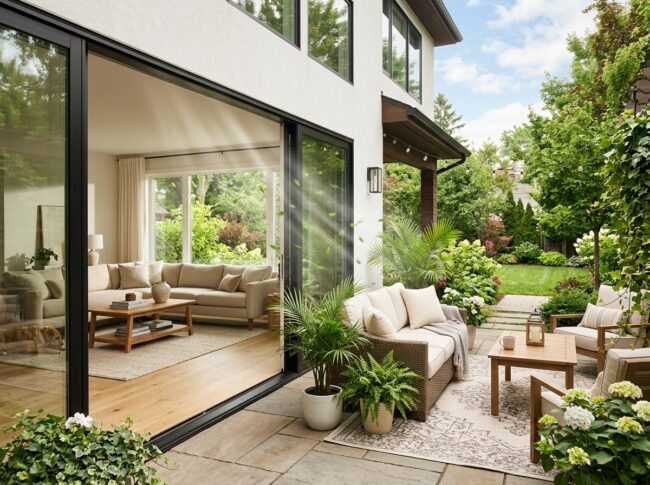 Improving Indoor Air Quality and Expanding Outdoor Living Spaces
 Modern Trenchless Solutions for Sewer and Drain Repair
 24/7 Emergency HVAC Mechanical Services
 Professional Climate Control Services
 Comprehensive HVAC and Plumbing Solutions
I’d love for you to join my email list! You’ll receive a notification straight to your inbox which will include links to my latest home project posts! Simply enter your address below.
Thanks for stopping by! Have a wonderful day/night depending on where you are in the world! Go with God and remember to be kind to one another!
Toodles,

Leave a Reply