A house is one of the largest investments most people will ever make, and yet it is easy to forget that a home is less like a finished product and more like a living system. Roofs shed water, foundations breathe with the seasons, caulk lines expand and contract, and wood swells and shrinks with humidity. Left unattended, small issues quietly compound until they become expensive emergencies. The good news is that the vast majority of costly home repairs are preventable with a little attention spread across the calendar. This guide walks through a practical, season-by-season maintenance rhythm that keeps a home healthy, comfortable, and holding its value.

Why Seasonal Maintenance Matters More Than You Think
The reason maintenance is best handled seasonally is simple: the forces that wear a house down are themselves seasonal. Freeze-and-thaw cycles in winter pry apart masonry and widen cracks. Spring rains test gutters and grading. Summer heat bakes sealants and stresses cooling systems. Autumn drops a blanket of leaves that clog every drainage path you own. By aligning your attention with these natural cycles, you catch problems while they are still cheap and minor.
There is also a financial logic to it. Industry estimates generally suggest setting aside roughly one to four percent of a home’s value each year for upkeep. Spending a little of that proactively on inspections and small fixes almost always costs less than reacting to a failure. A fifteen-dollar tube of caulk applied today is far cheaper than the drywall, insulation, and framing repairs that follow a leak left to fester for a year.
Spring: Recovery and Inspection
Spring is the season of assessment. After months of cold, wind, and moisture, your home needs a thorough once-over to identify any damage winter left behind.
Start with the roof. From the ground, use binoculars to scan for missing, cracked, or curling shingles, and look for any flashing that has lifted around chimneys and vents. Inside, check the attic for water stains, daylight coming through the roof deck, or signs of condensation that can lead to mold.
Move to the gutters and downspouts next. Clear out the debris that accumulated over winter and flush them with a hose to confirm water flows freely and exits well away from the foundation. Downspouts should discharge at least four to six feet from the house. Poor drainage here is one of the most common causes of wet basements.
Spring is also the time to inspect the exterior envelope. Walk the perimeter and look for cracked caulk around windows and doors, peeling paint that exposes bare wood, and any gaps where pests could enter. Test exterior faucets for freeze damage by turning them on and watching for leaks inside the wall. Finally, have the air conditioning system serviced before the first heat wave arrives, when HVAC technicians are booked solid.
Summer: Projects and Prevention
Long days and dry weather make summer the ideal window for bigger projects and exterior work. This is when painting, sealing, and deck maintenance are most successful because surfaces are dry and coatings cure properly.
Decks and fences deserve particular attention. Inspect for loose boards, popped nails, and railings that wobble, then clean and reseal the wood to protect it from UV damage and moisture. A deck that is sealed every two to three years will outlast one that is neglected by many years.
Summer is also the season to think about the systems working hardest in the heat. Check that your air conditioning is keeping up and replace filters monthly during heavy use. Inspect window and door weatherstripping, since the same seals that keep cold out in winter keep cool air in during summer. Examine the foundation for new cracks, which can appear as soil dries and shifts, and keep an eye on trees and shrubs, trimming any branches that overhang the roof or rub against siding.
For projects that go beyond a homeowner’s comfort level, such as electrical upgrades, structural repairs, or anything involving heights and ladders, it is worth searching for reputable handyman services near you to handle the work safely and correctly. Knowing the limits of a DIY approach is itself a form of good maintenance.
Autumn: Preparing for the Cold
Autumn is arguably the most important maintenance season because the work you do now determines how well your home weathers winter. The goal is to seal the house against cold and prepare its systems for heavy demand.
Begin with the heating system. Schedule a furnace inspection and replace the filter so the system runs efficiently and safely through the coldest months. Test your thermostat, and if you have not already, consider a programmable model that trims heating costs.
Next, focus on keeping water out. Clean the gutters again after the leaves have fallen, because clogged gutters in winter lead to ice dams that force water under shingles and into the home. Drain and shut off exterior faucets and irrigation systems to prevent pipes from bursting when temperatures plunge. Inspect and reseal any gaps around windows, doors, and where pipes or wires penetrate exterior walls.
Don’t overlook safety devices in the rush to weatherproof. Autumn is a natural time to test every smoke and carbon monoxide detector and replace batteries, especially since heating systems and fireplaces come back into use. If you have a fireplace or wood stove, have the chimney inspected and cleaned to prevent dangerous creosote buildup.
Winter: Monitoring and Comfort
Winter maintenance is less about projects and more about vigilance. The house is under stress, and your job is to watch for trouble and keep things running.
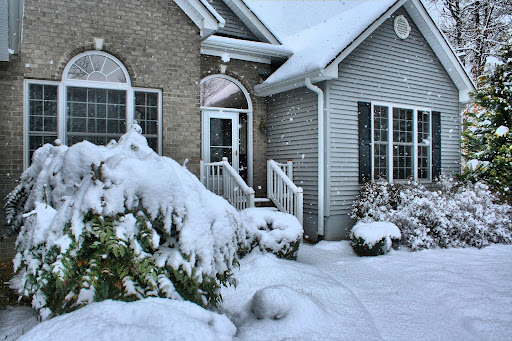
Keep an eye on the roof after heavy snowfall, watching for ice dams forming along the eaves. Inside, monitor for cold drafts and condensation on windows, which can signal humidity problems. On extremely cold nights, let faucets drip slightly and open cabinet doors under sinks on exterior walls to keep pipes from freezing.
This quieter season is also a good time to handle indoor tasks that are easy to postpone the rest of the year: checking for drafts around outlets, testing your sump pump if you have one, and tackling small interior repairs like sticking doors, loose cabinet hardware, or worn weatherstripping.
Building a Maintenance Habit that Lasts
The hardest part of home maintenance is not the work itself but remembering to do it. The simplest solution is to build a recurring calendar. Pick one weekend at the start of each season and walk through the relevant checklist. Keep a running log of what you inspected, what you fixed, and what you noticed for next time. Over a few years this record becomes genuinely valuable, helping you spot recurring problems and proving to future buyers that the home has been cared for.
It also helps to keep a small kit of basics on hand: a caulk gun, a good ladder, a moisture meter, exterior and interior caulk, spare furnace filters, and a flashlight. Having the right tools within reach removes the friction that causes small jobs to be put off indefinitely.
Ultimately, caring for a home is less about heroic repairs and more about consistent, modest attention. A house that is watched closely tells you what it needs long before a crisis arrives. By matching your effort to the seasons, you spread the work into manageable pieces, avoid the worst surprises, and protect both your comfort and your investment for decades to come.
©2026 The Dedicated House. All rights reserved. No part of this blog post may be used or reproduced without the written consent of the copyright owner.
Click the links below for any posts you have missed:
 Selling in a Slower Market: The Indianapolis Homeowner’s Playbook for 2026
 Florida Home Design Trends for 2026: Creating Coastal, Connected, and Sustainable Spaces
 Selling a House with Uneven Floors and Sticking Doors
 How Heavy Rain Can Affect Your Home’s Foundation
 Comprehensive Home Comfort: HVAC, Plumbing, and Electrical Solutions
 The Best Sewer Line Cleaning Machine for Your Business
I’d love for you to join my email list! You’ll receive a notification straight to your inbox which will include links to my latest home project posts! Simply enter your address below.
Thanks for stopping by! Have a wonderful day/night depending on where you are in the world! Go with God and remember to be kind to one another!
Toodles,

Leave a Reply