Selling a house is already a lot to handle. Add in sloping floors and doors that groan or refuse to close, and you might feel like your home is working against you. These are common issues in older homes, and plenty of buyers walk away the moment they notice them. That does not mean you are stuck, though. Knowing what you are dealing with and how to handle it can make a real difference in how your sale goes.
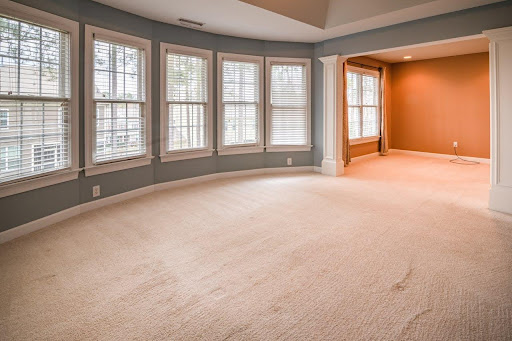
Uneven floors and sticking doors are more than cosmetic problems. They often point to deeper issues in the structure of a home. Buyers, inspectors, and real estate agents all know what to look for, so it is better to get ahead of things than to hope no one notices.
What Causes Floors to Slope and Doors to Stick
Most of the time, these two problems come from the same source. When the ground beneath a home shifts or settles unevenly, the structure above starts to move with it. This puts pressure on door frames, which causes doors to bind or stop latching properly. Floors begin to dip or slope as the support underneath gives way.
Moisture is another big factor. Wood expands when it absorbs water, and over time, that expansion warps floors and door frames. Homes in humid climates or areas with poor drainage are especially prone to this. A slow leak under the house can do a surprising amount of damage before anyone notices.
Older homes with pier and beam foundations tend to develop these problems as the piers sink or shift over the years. Slab foundations can crack and heave, which causes similar issues. Either way, the result is a home that feels and looks worn in ways that are hard to ignore.
Selling As-Is vs. Making Repairs First
Once you know what is causing the problems, you have a choice to make. You can either fix things before listing or sell the home in its current condition. Both paths are valid, and the right one depends on your budget, timeline, and how much equity you have in the property.
If you want to skip repairs entirely and close fast, working with a cash buyer is worth looking into. We Buy Houses Fayette County buyers purchase homes in any condition, which means you do not have to spend money on foundation work, floor leveling, or door frame repairs before the sale.
If you go the traditional route, you will likely need to disclose the issues upfront and price the home accordingly. Some buyers will negotiate heavily after an inspection. Others will walk away. Fixing major structural problems can cost thousands, so it is worth getting a few contractor quotes before deciding which path makes more financial sense for you.
How Much Disclosure Is Required
Disclosure rules vary by state, so it is worth knowing exactly what your local laws require. In most places, sellers are legally required to tell buyers about known material defects. Uneven floors and sticking doors often fall into that category, especially when they are linked to foundation or structural issues.
Being upfront about these issues does not have to hurt your sale. Many buyers appreciate honesty and are more likely to move forward when they feel the seller is being straight with them. Trying to hide problems almost always backfires once an inspector shows up.
Repairs that Can Move Buyers
Not all repairs are created equal when it comes to resale value. Some fixes make a big visual difference without costing a fortune. Others are expensive and do not add nearly as much as they cost. Here are a few targeted repairs that tend to help when selling a home with these problems:
- Shimming or adjusting door hinges to reduce sticking without a full reframe
- Adding area rugs to downplay floor dips in visible areas
- Getting a structural inspection done so you can share a professional report with buyers
- Fixing any active moisture issues, like leaks or drainage problems, before listing
- Having a contractor quote for leveling, so buyers know the actual cost to repair
Doing even a few of these things shows buyers you are not hiding anything and that the home has been cared for. That can go a long way in negotiations.
Pricing a Home with Structural Quirks
Getting pricing right is one of the trickier parts of selling a home with visible defects. Price too high, and buyers will compare your home to move-in ready options and pass. The price is too low, and you leave money on the table. A good starting point is to look at what similar homes in your area sold for, then factor in the estimated repair cost.
An experienced local agent can help you find that sweet spot. They have seen how buyers in your market respond to these kinds of issues and can give you realistic expectations. If you are working with an investor or cash buyer, they will typically run their own numbers and come in with an offer that reflects the repairs they plan to make.
Do not expect to get full market value when there are structural concerns, but do not give the home away either. Getting a couple of competing offers, even from cash buyers, helps you see what the actual market will pay.
What Buyers Are Really Thinking When They See These Issues
When a buyer walks into a house and spots a sloping floor or a door that drags along the floor, a few things go through their mind right away. Most of it comes down to risk. They want to know how bad it is, how much it will cost to fix, and whether the seller knew about it. Here is how many buyers process these kinds of defects:
- They wonder if there is a larger foundation issue hiding behind what they can see
- They start mentally adding repair costs to the asking price
- They want to know if the problem is getting worse or has stabilized
- They feel better when they see documentation, disclosures, or contractor reports
Buyers who are experienced with older or fixer-upper homes tend to take these issues in stride. First-time buyers, on the other hand, often get spooked. Knowing your likely buyer pool helps you decide how much explaining and preparation to do before showings begin
Preventing Setbacks During the Sale
Selling a house with uneven floors and sticking doors is something people do every day. It takes a bit more planning than a straightforward sale, and you may need to adjust your expectations on price or timeline. That said, there is a real market for homes in all conditions, and finding the right buyer makes all the difference.
Take the time to understand what is causing the problems in your specific home. Get at least one professional opinion on the scope of any structural issues. Decide early whether you want to fix, disclose, or sell as-is. Each route has trade-offs, and being clear on your own priorities will help you make the right call.
Homes with quirks and age-related wear are not hopeless. With honest pricing, solid disclosure, and the right buyer, you can close your sale and move forward without months of delays or costly repairs hanging over your head.
FAQ
Q1: What causes uneven floors and sticking doors in a house?
Answer: Uneven floors and sticking doors are often caused by the shifting or settling of the ground beneath the home, which puts pressure on door frames and can lead to structural issues. Moisture can also contribute to these problems, as wood expands when it absorbs water, warping floors and door frames over time. Older homes with pier and beam foundations or slab foundations are particularly susceptible to these issues.
Q2: Should I repair uneven floors and sticking doors before selling my house?
Answer: It depends on your budget, timeline, and how much equity you have in the property. You can choose to fix the issues before listing, which may attract more buyers, or sell the home as-is, potentially to a cash buyer who purchases homes in any condition. If you opt to sell as-is, be prepared to disclose the problems and price the home accordingly.
Q3: What are the disclosure requirements for selling a house with structural issues?
Answer: Disclosure requirements vary by state, but in most places, sellers must inform buyers of known material defects, including uneven floors and sticking doors if they are linked to foundation issues. Being upfront about these problems can build trust with potential buyers and may lead to a smoother sale.
Q4: How can I improve my chances of selling a home with uneven floors and sticking doors?
Answer: Consider making targeted repairs that improve the home’s appeal, such as adjusting door hinges, fixing moisture issues, or getting a structural inspection done. Providing documentation and contractor quotes can also reassure buyers that you are transparent about the property’s condition.
Q5: How should I price my home if it has structural quirks like uneven floors?
Answer: Pricing can be tricky; you should research similar homes in your area and factor in the estimated repair costs. It’s advisable to work with an experienced local agent who understands how buyers in your market respond to these issues. Expect to receive offers that reflect the repairs buyers plan to make, rather than full market value.
©2026 The Dedicated House. All rights reserved. No part of this blog post may be used or reproduced without the written consent of the copyright owner.
Click the links below for any posts you have missed:
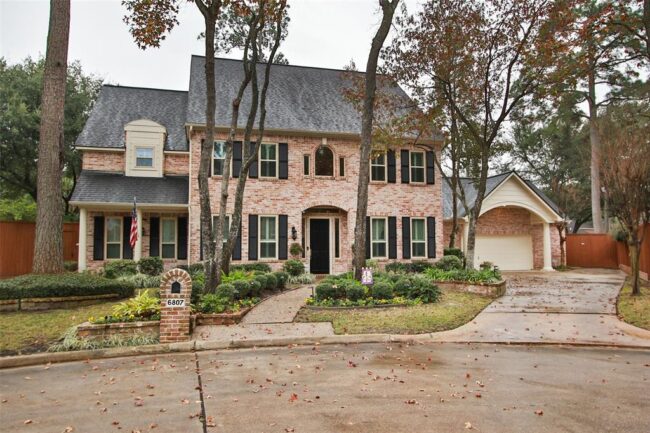 How Heavy Rain Can Affect Your Home’s Foundation
 Comprehensive Home Comfort: HVAC, Plumbing, and Electrical Solutions
 The Best Sewer Line Cleaning Machine for Your Business
 Upgrading Your Home’s Comfort and Functionality
 7 Signs Your Basement May Have a Moisture Problem
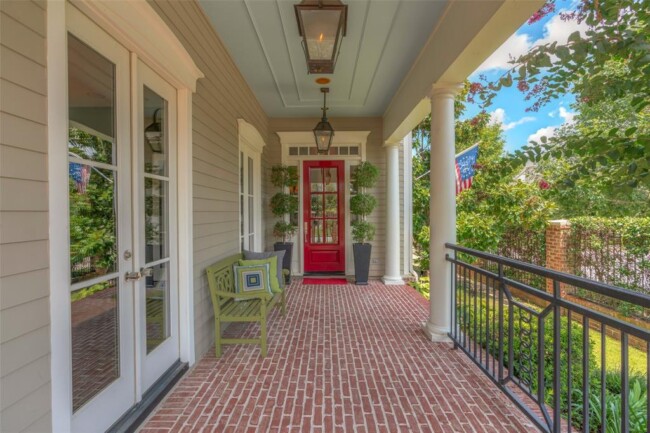 Entry Door Styles that Create a Strong First Impression
I’d love for you to join my email list! You’ll receive a notification straight to your inbox which will include links to my latest home project posts! Simply enter your address below.
Thanks for stopping by! Have a wonderful day/night depending on where you are in the world! Go with God and remember to be kind to one another!
Toodles,

Leave a Reply