Your home is your sanctuary, a place where you should always feel relaxed and at ease. Yet, many of us face common challenges like uneven temperatures, high energy bills, or outdated systems that just don’t keep up. These issues can turn our living spaces into sources of frustration rather than comfort. That’s why considering home comfort upgrades is so important. These improvements go beyond simple fixes; they transform your living environment, making it more enjoyable, healthier, and significantly more energy-efficient. We understand the desire for a home that truly feels good, inside and out. Finding reliable solutions, like those offered by Piggies AC comfort solutions, is key to achieving lasting comfort.

In this extensive guide, we will explore the many ways you can enhance your home’s comfort. We’ll cover everything from smart HVAC choices and understanding efficiency ratings to the critical role of proper installation. We will also discuss how to spot signs it’s time to upgrade versus repair, the benefits of modern heat pumps, and how to maximize energy savings through smart technology and maintenance. Our goal is to provide you with the knowledge needed to make informed decisions for a truly comfortable and efficient home.
Investing in your home’s comfort goes far beyond a simple purchase; it’s a strategic decision that impacts your daily life, long-term finances, and even the planet. When we talk about home comfort upgrades, we’re primarily focusing on your HVAC (heating, ventilation, and air conditioning) system, which is arguably the largest mechanical investment a property will see in two decades. An HVAC system is not just about temperature control; it’s an essential component ensuring comfort, health, and energy efficiency.
Modern HVAC systems are a marvel of engineering, incorporating variable-speed motors and smart technology that allow them to adapt to changing weather conditions and your family’s schedule. This adaptability translates directly into superior comfort and remarkable energy savings. In fact, upgrading to a newer, more energy-efficient model can result in up to 20% savings on heating and cooling costs, with some modern systems reducing energy consumption by up to 30%. Given that the typical home spends more than half its utility bills on heating and cooling, these savings can be substantial.
Beyond the immediate financial benefits, high-impact upgrades also contribute to improved indoor air quality and a reduced carbon footprint, aligning with global efforts towards sustainability. As we look towards June 2026, the landscape of home comfort is rapidly evolving, offering more efficient and environmentally friendly options than ever before.

An infographic illustrating common areas of home energy loss, including air leaks, poor insulation, and inefficient HVAC systems.
Prioritizing Home Comfort Upgrades for Energy Efficiency
When considering home comfort upgrades, energy efficiency should be at the forefront of your decision-making. Understanding key efficiency ratings and certifications is crucial for selecting systems that will deliver the best performance and savings.
- ENERGY STAR Certification: This widely recognized certification indicates that a product meets strict energy efficiency guidelines set by the U.S. Environmental Protection Agency. Upgrading to an ENERGY STAR-certified HVAC model can result in significant cost savings over time – as much as $40 a month. For a holistic approach to home efficiency, the ENERGY STAR Home Upgrade program outlines a coordinated set of six high-impact improvements designed to work together for maximum savings.
- SEER2 (Seasonal Energy Efficiency Ratio 2): Effective since 2023, SEER2 is the current efficiency standard for air conditioners and heat pumps, reflecting more realistic testing conditions than its predecessor. In 2026, the minimum federal standard for new central air conditioners is 15 SEER2. Higher SEER2 ratings (e.g., 17 SEER2) indicate greater efficiency and can lead to more substantial energy savings.
- HSPF2 (Heating Seasonal Performance Factor 2): This rating specifically measures the heating efficiency of heat pumps, particularly in colder conditions. A higher HSPF2 indicates a more efficient heat pump, crucial for homes in regions with significant heating demands.
- AFUE (Annual Fuel Utilization Efficiency): This rating applies to furnaces and boilers, indicating how efficiently they convert fuel into heat. For instance, a 95% AFUE furnace means 95% of the fuel’s energy is converted into usable heat, with only 5% lost. Upgrading from an older 80% AFUE unit to a 95% AFUE unit can save roughly 20% on annual gas usage.
Beyond HVAC, homeowners often overlook other areas where efficiency upgrades can make a big difference. Just as we focus on efficient heating and cooling, considering Home plumbing upgrades can also contribute to overall home efficiency by reducing water heating costs and preventing leaks.
Selecting the Right System Configuration
Choosing the ideal HVAC system configuration involves weighing various factors, including your climate, existing infrastructure, budget, and long-term energy goals. Here’s a look at the key differences and trade-offs between the primary options available in 2026:
Traditional Gas Furnace + Central AC:
- Description: This classic setup involves a gas-fired furnace for heating and a separate air conditioning unit for cooling, both utilizing a shared ductwork system.
- Pros: Natural gas has historically been a more affordable fuel source in many regions, making gas furnaces a popular choice. They provide quick, intense heat.
- Cons: Relies on fossil fuels, contributing to carbon emissions. Less energy-efficient for cooling than modern heat pumps.
- Typical Installed Cost (2026): A standard 3-ton 15-SEER2 central air conditioner paired with an 80 percent gas furnace typically runs between $7,500 to $10,500 installed.
All-Electric Heat Pump (Central or Ductless):
- Description: A heat pump provides both heating and cooling by transferring heat rather than generating it. In winter, it extracts heat from the outside air (even cold air) and moves it indoors; in summer, it reverses the process to cool your home.
- Pros: Highly energy-efficient, especially in moderate climates, as it moves heat rather than creating it. Reduces reliance on fossil fuels. Qualifies for significant federal tax credits and utility rebates. Modern cold-climate heat pumps perform exceptionally well in very low temperatures.
- Cons: Can be less effective in extremely cold temperatures without a backup heat source. Operating costs depend heavily on electricity prices relative to natural gas.
- Typical Installed Cost (2026): A 3-ton 16-SEER2 heat pump with an air handler and electric backup typically runs $9,500 to $14,000. Ductless mini-split systems can cost $1,500 to $5,000 per zone.
- Market Trend: Heat pump sales surpassed gas furnaces in 2022 and by nearly 630,000 units in 2023, indicating a significant shift in homeowner preference. A 2025 Pew Research survey found that 62% of US homeowners had heard of heat pumps, up from 38% in 2020, with 71% considering one for their next heating system.
Ductless Mini-Split System:
- Description: These systems consist of an outdoor compressor/condenser and one or more indoor air-handling units, connected by a conduit rather than ductwork. Each indoor unit can be controlled independently.
- Pros: Ideal for homes without existing ductwork, additions, or for creating zoned heating and cooling. Highly efficient and offers individualized comfort in different rooms.
- Cons: Higher upfront cost per zone compared to central systems. Indoor units are visible.
- Typical Installed Cost (2026): Included in heat pump costs, often $1,500 to $5,000 per zone.
Here’s a comparison table to help visualize the trade-offs:
Feature Traditional Gas Furnace + AC All-Electric Heat Pump Ductless Mini-Split System Heating Source Natural Gas Electricity (heat transfer) Electricity (heat transfer) Cooling Source Electricity (refrigerant) Electricity (heat transfer) Electricity (heat transfer) Ductwork Needed Yes Yes (for central systems) No (zone-specific) Fuel Type Natural Gas Electricity Electricity Efficiency Good (furnace), Moderate (AC) Excellent (both) Excellent (both, zoned) Environmental Fossil Fuel Emissions Low/Zero Emissions Low/Zero Emissions Cost Range $7,500 – $10,500 $9,500 – $14,000 $1,500 – $5,000 per zone Tax Credits Limited (AC only) Significant Significant Best For Homes with natural gas access, prefer intense heat All homes, especially those replacing both heating/cooling Homes without ducts, additions, zoning needs Evaluating HVAC Systems: Repair vs. Replacement
Deciding whether to repair or replace an HVAC system is a common dilemma for homeowners. It’s a significant financial decision, and understanding the key indicators can help you make an informed choice that balances immediate costs with long-term savings and comfort.
Here are the main signs that indicate it’s time to consider a full replacement rather than repeated repairs:
- System Age: Most HVAC systems have an expected lifespan of 15 to 20 years with proper maintenance. If your system is over 10-15 years old, it’s likely nearing the end of its efficient life. Older units often use outdated technology and refrigerants, making them less efficient and more costly to operate.
- Frequent Repairs: If you find yourself calling for repairs every season, or if the cost of a single repair approaches 30-50% of the cost of a new unit, it’s a strong sign that replacement is the more economical option. The “cheapest system on installation day” frequently becomes the most expensive over ten years due to ongoing repair costs.
- Rising Energy Bills: An aging or inefficient system has to work harder to maintain your desired temperature, leading to a noticeable increase in your monthly energy bills. If your heating and cooling costs are steadily climbing, even with consistent usage, it’s a clear indicator of declining efficiency.
- Uneven Temperatures: Are some rooms too hot while others are too cold? This “thermostat war” can be a symptom of an undersized or aging system struggling to distribute conditioned air effectively throughout your home. Oversized AC units, for example, cool air quickly but fail to remove humidity, leaving rooms feeling clammy.
- Operational Noise: While all HVAC systems make some noise, excessive rattling, banging, squealing, or grinding sounds often point to worn-out components or mechanical issues that could be costly to fix.
- R-22 Refrigerant: If your existing AC unit uses R-22 refrigerant (Freon), it’s becoming increasingly expensive and difficult to find due to federal phase-out regulations. Replacing a leaking R-22 system is often more practical than repeatedly recharging it.
When considering a new system, accurate Manual J load calculations are paramount. This detailed assessment, performed by a qualified contractor, precisely determines the heating and cooling requirements for your specific home. It takes into account factors like square footage, insulation R-values, window orientation, air infiltration, and occupancy. Relying on “rule-of-thumb” sizing (e.g., 500 sq ft per ton) can routinely oversize modern, well-insulated homes by 20-40%, leading to inefficient operation, poor humidity control, and shortened equipment lifespan. Insist on a printed copy of this calculation to ensure your new system is perfectly matched to your home’s needs.
Cold-Climate Heat Pump Performance
For homeowners in regions experiencing significant cold, concerns about heat pump performance in very low temperatures are understandable. However, advancements in technology have largely addressed these worries, making modern heat pumps a viable and often superior option even in sub-zero conditions.
- Advanced Performance: Modern cold-climate heat pumps, equipped with variable-speed inverter compressors and flash injection technology, can operate efficiently and maintain significant heating capacity down to -15°F to -25°F (-26°C to -32°C), depending on the specific model. Some high-performance systems can even maintain 100% rated heating capacity at temperatures as low as 5°F. While their efficiency (Coefficient of Performance, or COP) decreases as temperatures drop, they still produce heat far more efficiently than electric resistance heating.
- Efficiency Gains: Air source heat pumps can reach up to 50% greater efficiency than traditional systems, while ground source heat pumps deliver three times the efficiency of oil-fuel systems. This means they deliver two to three units of heat for every one unit of electricity used, making them incredibly cost-effective in operation.
- Backup Options: To ensure continuous comfort and efficiency in the absolute coldest conditions, several backup options are recommended:
- Electric Resistance: This is the simplest and most common backup, often integrated directly into the heat pump’s air handler. While less efficient than the heat pump itself, it provides supplemental heat when outdoor temperatures fall below the heat pump’s optimal operating range. However, relying solely on electric resistance for prolonged periods can lead to significantly higher electricity bills, potentially causing “sticker shock” for homeowners.
- Dual-Fuel System: This configuration pairs a heat pump with a traditional gas furnace. The heat pump handles most of the heating, but when temperatures drop below a pre-set “balance point” (e.g., 20-30°F), the system automatically switches to the gas furnace. This offers the best of both worlds: the high efficiency of a heat pump for most of the season and the robust, low-cost heat of a gas furnace for extreme cold. This dual-fuel approach can prevent those unexpectedly high electric bills in January that some heat pump owners experience if their system is not properly configured or sized for cold climates.
The significant strides in cold-climate heat pump technology, coupled with their environmental benefits and available incentives, make them an increasingly attractive home comfort upgrade.
The Importance of Professional Installation and Commissioning
The performance and longevity of your new HVAC system depend as much on proper installation as on the quality of the equipment itself. Cutting corners on installation can negate efficiency gains, lead to premature system failure, and invalidate warranties.
Here’s how homeowners can ensure a professional and correct installation:
- Verify Contractor Credentials: Before signing any contract, verify your HVAC contractor’s credentials. They should possess a valid state mechanical license, EPA 608 certification (for refrigerant handling), and adequate liability insurance. A bid that is significantly lower (e.g., 40% below) than others often indicates undersized equipment, missing permits, or substandard practices.
- Accurate Manual J Load Calculations: As discussed, insist that your contractor performs and provides a printed copy of a Manual J load calculation. This is the only way to guarantee your new system is correctly sized for your home.
- Permits and Inspections: A reputable contractor will handle all necessary mechanical and electrical permits and schedule the required city inspections. This ensures the installation complies with local building codes and safety standards.
- AHRI Matched-System Certificate: Request an AHRI (Air-Conditioning, Heating, and Refrigeration Institute) matched-system certificate. This document proves that the indoor and outdoor units have been tested together as a complete system, ensuring they are designed to work optimally with each other and achieve their advertised efficiency ratings.
- Proper Refrigerant Handling: Ensure the contractor brazes refrigerant lines under a flow of nitrogen to prevent contamination and copper oxide scale, which can damage compressors. The system must also be evacuated below 500 microns and verified with a digital micron gauge to remove all moisture and non-condensable gases, critical for system performance and longevity.
- Warranty Registration: Most manufacturers offer a standard 10-year parts warranty, but this often requires online registration within 60 days of installation. Failure to register can shorten the coverage to just 5 years. A professional contractor will guide you through this process or handle it for you.
- System Commissioning: This critical final step involves verifying that the newly installed system operates according to design specifications. The contractor should record key metrics such as supply and return air temperatures (to calculate temperature split), subcool and superheat (for proper refrigerant charge), static pressure (for airflow), and blower CFM (cubic feet per minute). This documentation ensures the system is performing optimally from day one and provides a baseline for future maintenance.
- First-Year Tune-Up: Schedule your first annual tune-up between 10-12 months after installation to ensure everything is running smoothly and to address any initial adjustments.
By diligently overseeing these aspects, you can ensure your home comfort upgrade delivers the expected efficiency, comfort, and long-term value.
Smart Technology and Airflow Optimization
Beyond the core HVAC equipment, integrating smart technology and optimizing airflow within your home can significantly enhance comfort and efficiency. These complementary upgrades ensure that the conditioned air is delivered effectively and that your system operates only when and where it’s needed.
A modern smart thermostat displaying a user-friendly interface with temperature, scheduling, and energy usage data.
Integrating Smart Controls with Home Comfort Upgrades
Smart controls offer unparalleled precision and convenience in managing your home’s climate.
- Smart Thermostats: These devices are a cornerstone of modern home comfort. They can learn your schedule, allow remote control via smartphone apps, and integrate with voice assistants. Smart thermostats typically produce 8–15% HVAC energy savings, with some models capable of saving more than 25% per year on heating and cooling costs. Many homeowners report annual savings of about 10-15% on their energy bills after installing a smart thermostat.
- Zoning Systems: For homes with multiple levels or distinct areas, zoning systems are a game-changer. They use motorized dampers within your ductwork to direct conditioned air only to the areas that need it, based on individual thermostat settings in each zone. This eliminates uneven temperatures and prevents you from heating or cooling unoccupied spaces. Adding zoning can add another 5–15% to your energy savings and significantly improve comfort, especially in finished attics or basements that often suffer from temperature imbalances.
- Room Sensors: Paired with smart thermostats, these small sensors can be placed in different rooms to provide more accurate temperature readings than a single central thermostat. This allows the system to average temperatures or prioritize specific rooms, further reducing temperature variance. Smart-vent zoning, for instance, targets air distribution rather than source capacity, delivering a mere 1–2°F temperature variance compared to typical 5–7°F swings.
When evaluating these upgrades alongside a new HVAC installation, consider your home’s layout, typical occupancy patterns, and specific comfort complaints. While a smart thermostat is almost always a worthwhile investment, zoning systems are particularly beneficial for larger homes or those with diverse heating/cooling needs across different areas.
Maintaining System Performance and Airflow
Even the most advanced HVAC system won’t perform optimally without proper maintenance and a well-maintained distribution system. These ongoing tasks deliver the highest ROI for both new and existing systems:
- Air Filter Replacement: This is perhaps the simplest yet most crucial maintenance task. Replacing your air filter every three months can save you up to $100 a year and significantly improve indoor air quality. For 1-inch filters, replacement every 60-90 days is ideal, while thicker 4-inch media filters can last 6-12 months. A clogged filter restricts airflow, forcing your system to work harder and consume more energy.
- Seasonal Tune-ups: Schedule professional tune-ups annually, typically before the heating and cooling seasons begin. These preventative maintenance checks identify small issues before they become major repairs, extend your system’s lifespan, and ensure it operates at peak efficiency. Regular maintenance also helps maintain manufacturer warranties.
- Ductwork Sizing, Sealing, and Insulation: Proper ductwork is critical. Up to 30% of conditioned air can leak out of unsealed residential ductwork before it even reaches your registers. Sealing and insulating your ducts ensures that the air you’ve paid to heat or cool actually reaches its destination. During a new installation, budget for duct sealing and modifications, which can range from $500 to $2,500. It’s essential to evaluate and modify ductwork to keep static pressure below 0.5 inches water column, as excessive static pressure can lead to noisy operation and premature component wear.
- Air Sealing and Insulation: Beyond ductwork, sealing gaps and cracks around windows, doors, and utility penetrations, along with boosting attic and wall insulation, can dramatically improve your home’s thermal envelope. Air sealing and insulation can cut home energy use by around 10%, and properly insulated homes may save up to 20% on heating and cooling costs. Upgrading to ENERGY STAR certified windows can lower household energy bills by an average of 12 percent, and low-emissivity coatings on windows can reduce energy loss by 30-50%.
- Smart Thermostats: While an upgrade, once installed, a smart thermostat continues to deliver ROI through its intelligent scheduling, remote control, and energy-saving features.
- Heat Pump Water Heaters: Although not part of the HVAC system, upgrading to a heat pump water heater can save $200-550 annually on home energy costs, offering another significant ROI for homeowners.
By proactively managing these maintenance tasks and considering complementary upgrades, you can maximize the comfort, efficiency, and longevity of your home comfort systems.
Frequently Asked Questions about Home Comfort Upgrades
How do I know if my home needs a heat pump or a traditional furnace?
The decision between a heat pump and a traditional furnace (paired with an AC) depends on several factors in 2026:
- When to consider a Heat Pump:If your home needs both a new heating and cooling system, as a heat pump provides both functions in one efficient unit.
- If local energy rates favor electricity over natural gas, or if you’re looking to reduce reliance on fossil fuels.
- If you can take advantage of the generous federal tax credits (up to $2,000 annually for qualifying heat pumps) and utility rebates, which significantly reduce the upfront cost.
- If you prioritize environmental benefits, as heat pumps have a lower carbon footprint.
- If you live in a moderate to cold climate, as modern cold-climate heat pumps perform exceptionally well down to very low temperatures.
- When a Traditional Furnace + AC might still make sense:If you have a relatively new and efficient gas furnace that doesn’t need replacement, but only your AC is failing.
- If natural gas prices in your area are consistently very cheap compared to electricity, making a gas furnace more economical to operate for heating.
- If you prefer the intense, rapid heat of a gas furnace and live in an extremely cold climate where you might rely heavily on a backup heat source for a heat pump.
A qualified HVAC contractor can perform a detailed energy audit and Manual J calculation to recommend the best system for your specific home and climate.
What maintenance tasks deliver the highest return on investment?
For both new and existing systems, several ongoing maintenance tasks consistently offer the highest return on investment (ROI) in terms of energy savings, extended system lifespan, and consistent comfort:
- Regular Air Filter Changes: This is the most impactful and easiest task. Replacing your air filter every three months can save up to $100 annually and prevents your system from overworking, thus extending its life.
- Annual Professional Tune-ups: Scheduling seasonal tune-ups (e.g., before summer for AC, before winter for heating) is crucial. These checks prevent small issues from escalating into costly breakdowns, ensure your system runs at peak efficiency, and maintain manufacturer warranties.
- Installing and Properly Using a Smart Thermostat: A smart thermostat can save 8-15% on HVAC energy costs, with some homeowners seeing more than 25% savings. Its ability to learn your schedule, offer remote control, and optimize settings based on occupancy provides continuous energy efficiency.
- Air Sealing and Insulation Upgrades: Sealing air leaks around your home and ensuring adequate insulation (especially in the attic) can cut your home’s energy use by around 10-20%. This foundational improvement significantly reduces the load on your HVAC system, leading to substantial long-term savings.
- Ductwork Inspection and Sealing: Leaky ducts can waste up to 30% of conditioned air. Sealing and, if necessary, insulating your ductwork ensures that the air you’re paying to heat or cool actually reaches your living spaces efficiently.
These tasks are relatively low-cost or one-time investments that yield continuous benefits, making them excellent choices for maximizing your home comfort upgrade ROI.
How does proper duct sealing affect system efficiency?
Proper duct sealing plays an absolutely critical role in achieving the expected efficiency and comfort gains from your HVAC system. Here’s why:
- Prevents Conditioned Air Loss: As much as 30% of the conditioned air (heated or cooled) in a typical home can leak out of unsealed or poorly connected ductwork before it ever reaches your living spaces. This means your HVAC system is working much harder than necessary to maintain the desired temperature, wasting energy and costing you money.
- Ensures Expected Efficiency Ratings: The SEER2, HSPF2, and AFUE ratings of your HVAC equipment are based on the assumption of a well-sealed and properly functioning duct system. If your ducts are leaky, your system will never perform to its rated efficiency, negating much of the benefit of investing in high-efficiency equipment.
- Improves Comfort and Air Quality: Leaky ducts can pull in unconditioned air from attics, crawl spaces, or basements, introducing dust, allergens, and humidity into your home. Proper sealing ensures that only filtered, conditioned air is delivered, leading to more consistent temperatures, better humidity control, and improved indoor air quality.
- Reduces Energy Bills: By preventing the loss of conditioned air, your HVAC system doesn’t have to run as long or as often, directly translating to lower energy consumption and reduced utility bills.
- Extends System Lifespan: When ducts are leaky, the HVAC system has to work harder, putting unnecessary strain on components like the fan motor and compressor. This increased wear and tear can shorten the lifespan of your expensive equipment.
- Maintains Proper Static Pressure: A well-designed and sealed duct system maintains optimal static pressure, which is crucial for efficient airflow and quiet operation. Poorly sealed or undersized ducts can lead to high static pressure, causing noisy airflow and potentially damaging the system’s fan.
During a new HVAC installation or as a standalone upgrade, investing in professional duct inspection, sealing, and potentially insulation is a highly recommended step to ensure your entire home comfort system operates as efficiently and effectively as possible.
Conclusion
A modern, well-insulated home exterior, symbolizing energy efficiency and long-term comfort.
As we navigate the evolving landscape of home comfort in June 2026, it’s clear that investing in strategic upgrades offers far more than just a temporary fix. It’s about creating a living environment that is consistently comfortable, significantly more energy-efficient, and ultimately, a healthier space for you and your family. From understanding the nuances of repair versus replacement to embracing the power of modern heat pumps and smart home technology, every decision contributes to your home’s long-term value and your daily well-being.
The statistics speak for themselves: up to 20% savings on heating and cooling costs with newer models, $40 a month saved with ENERGY STAR-certified systems, and the transformative impact of smart thermostats and proper insulation. Moreover, the federal government’s 2026 tax credit, covering 30% of home energy upgrades up to $3,200 annually for items like new windows, insulation, heat pumps, and efficient HVAC, makes this an opportune time to act.
Making informed choices, verifying contractor credentials, and prioritizing professional installation and ongoing maintenance are the pillars of a successful home comfort upgrade journey. By taking a proactive approach, you’re not just improving your home; you’re investing in a future of enhanced comfort, substantial energy savings, and a more sustainable lifestyle.
©2026 The Dedicated House. All rights reserved. No part of this blog post may be used or reproduced without the written consent of the copyright owner.
Click the links below for any posts you have missed:
 7 Signs Your Basement May Have a Moisture Problem
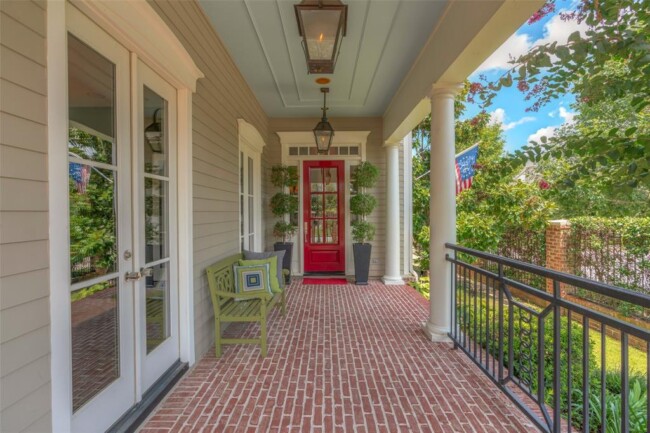 Entry Door Styles that Create a Strong First Impression
 The Modern Science of Carpet Cleaning: Methods, Myths, and Maintenance
 Improving Indoor Air Quality Through Professional Duct Cleaning
 Pros and Cons of Selling Under Financial Stress (Foreclosure, Job Loss): A Seller’s Guide
 Essential HVAC Maintenance for Year-Round Home Comfort
I’d love for you to join my email list! You’ll receive a notification straight to your inbox which will include links to my latest home project posts! Simply enter your address below.
Thanks for stopping by! Have a wonderful day/night depending on where you are in the world! Go with God and remember to be kind to one another!
Toodles,

Leave a Reply