For businesses facing recurring or severe drain issues, understanding the various types of sewer line cleaning machines is the first step toward a strategic investment. Each machine type offers distinct advantages, designed for specific blockage characteristics and pipe configurations. As of June 2026, the market primarily features three robust categories: drum machines, sectional machines, and high-pressure water jetters.
To illustrate their differences and help you identify the best fit for your commercial needs, we’ve compiled a comparison:
Feature Drum Machines Sectional Machines Water Jetters Primary Use Heavy-duty clogs, roots, long lines Versatile for various pipe sizes, tight bends, roots Grease, sludge, scale, complete pipe cleaning Cable/Hose Type Continuous cable, stored in a drum Interlocking cable sections High-pressure water hose with specialized nozzles Pipe Sizes Typically 1.5″ to 10″ Generally 3/4″ to 8″ (with interchangeable cables) 1.5″ to 12″ or larger (depending on model) Portability Can be heavy, often wheeled Lighter, easier to transport in sections Varies from small portable units to truck-mounted Cleaning Action Mechanical cutting, augering, punching through Mechanical cutting, augering, navigating bends Scours pipe walls clean, flushes debris Effectiveness Excellent for hard blockages, roots Adaptable for varied blockages, good for roots Superior for soft blockages, preventative cleaning Safety Concerns Cable kinking, operator injury from rotating cable Cable kinking, operator injury from rotating cable High-pressure water hazards, backflow Maintenance Cable lubrication, drum cleaning Cable inspection, section replacement Nozzle cleaning, pump maintenance Cost Range Mid to high-end Mid-range High-end Drum Machines for Deep Blockages
Drum machines are the workhorses of the sewer cleaning industry, particularly effective for tackling tough, deep-seated blockages and extensive root intrusion over long distances. These machines house a continuous, heavy-duty cable within a protective drum, preventing the cable from kinking or buckling during operation. This design allows for significant torque to be applied directly to the cutting head, making them ideal for breaking through stubborn obstructions.
Models like the Spartan Tool Model 100 or RIDGID K-400 are popular choices, designed for household lines and capable of handling cables up to 75 feet or more. For larger commercial applications, machines such as the Spartan Tool Model 300 or Model 2001 can manage lines up to 10 inches in diameter and extend up to 250 feet. The heavy-duty drum design protects the cable and ensures consistent power delivery, even when encountering difficult blockages. Their motors are often designed to automatically increase power output when resistance is met, ensuring effective clearing without manual intervention.
Sectional Machines for Versatility
Sectional machines, on the other hand, offer unparalleled versatility, particularly for navigating complex pipe systems with multiple bends and turns. Instead of a continuous cable, they use shorter, interlocking cable sections that can be added or removed as needed. This modular design makes them significantly lighter and easier to transport than drum machines, as the full cable length isn’t carried at once.
A key advantage of sectional machines is their adaptability to various pipe sizes. For instance, the BLUEROCK Model S75 is suitable for pipes from 3/4″ to 4″, while the SDS200 can handle 2″ to 8″ lines. This flexibility is achieved by using interchangeable cables of different diameters and lengths. Manufacturers like General Pipe Cleaners also offer robust sectional options, such as the General Sewerooter T-4 Drain Cleaner, which is known for its powerful performance and ability to clear inside drain lines up to 100 feet long. The Sewerooter T-4™ also boasts features like Flexicore cables for superior torque and a self-aligning Flexitube™ distributor to reduce cable tangling, enhancing both efficiency and safety. Further details on its enhanced performance can be found on the Sewerooter T-4™ – General Pipe Cleaners product pages, highlighting its mid-size muscle and improved capabilities for professional use.
Hydro Jetters for Complete Pipe Scouring
While drum and sectional machines excel at mechanically breaking up clogs, hydro jetters offer a fundamentally different approach: high-pressure water scouring. These machines use powerful pumps to propel water through a specialized hose and nozzle at pressures often reaching up to 4,000 PSI. This pressurized water effectively cuts through grease, flushes out sludge, and strips away scale buildup from pipe walls, leaving them thoroughly cleaned.
Hydro jetting is particularly effective for commercial kitchens, restaurants, and any business where grease, food debris, or soap scum are common culprits for blockages. Unlike snaking, which merely punches a hole through a clog, hydro jetting cleans the entire circumference of the pipe, reducing the likelihood of immediate recurrence. This method is also excellent for preventative maintenance, keeping pipes clear before major blockages form. For comprehensive pipe cleaning that restores optimal flow, exploring the benefits of hydro jetting can be a game-changer for businesses.
Why the Admiral Sewer Line Cleaning Machine is a Business Game-Changer
Investing in a high-quality sewer line cleaning machine is a strategic decision for any business that values operational continuity and cost-efficiency. While we cannot speak for specific brands without knowing your unique needs, a top-tier machine, which we’ll refer to conceptually as an Admiral sewer line cleaning machine, represents a significant step towards professional plumbing independence. Such an asset embodies commercial reliability, offering a robust solution for managing your property’s drain and sewer infrastructure.

The true value of owning such equipment lies in its ability to minimize operational downtime, avoid costly emergency service calls, and ensure your facilities remain functional. In June 2026, businesses are increasingly looking for ways to streamline maintenance and reduce reliance on external services for routine issues. A dedicated, high-performance machine provides this autonomy, leading to substantial long-term savings and improved efficiency.
Key Features of the Admiral Sewer Line Cleaning Machine
A truly effective commercial sewer line cleaning machine, like our conceptual “Admiral” model, integrates several key features designed for heavy-duty performance and operator safety. Expect to find powerful motors, often 1.5 HP or more, capable of driving cables through the toughest blockages, including dense tree roots. Auto-feed technology is a crucial advancement, allowing operators to feed and retract cables with minimal effort and increased safety, reducing direct contact with the rotating cable.
Durability is paramount for commercial use. Look for machines built with robust frames, often made from heavy-gauge steel, designed to withstand the rigors of frequent use and transport. Safety clutches are another vital component, preventing cable breakage or machine damage if the cutting head becomes lodged. These features collectively contribute to a machine’s ability to deliver consistent, reliable results, ensuring that your business can tackle any sewer line challenge with confidence.
How It Compares to Standard Rental Equipment
The decision between buying and renting a sewer line cleaning machine often boils down to frequency of use and long-term financial strategy. For businesses that experience frequent drain issues, purchasing a professional-grade machine offers a superior long-term return on investment (ROI). While the initial outlay for a machine like a BLUEROCK SDS200 at $1,299.00 or a RIDGID K-400 at $597.00 (as of June 2026) might seem substantial, it quickly offsets recurring rental costs. Rental fees, often around $75 per day from hardware stores, accumulate rapidly, especially for businesses with multiple properties or persistent problems.
Beyond cost, immediate availability is a significant advantage of ownership. When a blockage occurs, time is of the essence. Owning a machine eliminates the need to travel to a rental store, wait for availability, and return the equipment. This immediate access translates directly into reduced operational downtime and quicker resolution of issues. Furthermore, professional-grade machines offer superior power, cable length, and cutting capabilities compared to typical homeowner rental units, ensuring more effective and lasting results. While rental might be suitable for a one-off, minor clog, for consistent commercial needs, the professional-grade machine represents an investment in efficiency and self-reliance, minimizing asset depreciation through robust construction and proper maintenance.
Crucial Factors to Consider When Choosing a Commercial Machine
Selecting the optimal sewer line cleaning machine for your business requires careful consideration of several critical factors. These choices directly impact the machine’s effectiveness, the safety of its operators, and its overall lifespan. Understanding your specific operational environment and needs is key to making an informed decision.
Pipe Diameter and Cable Compatibility
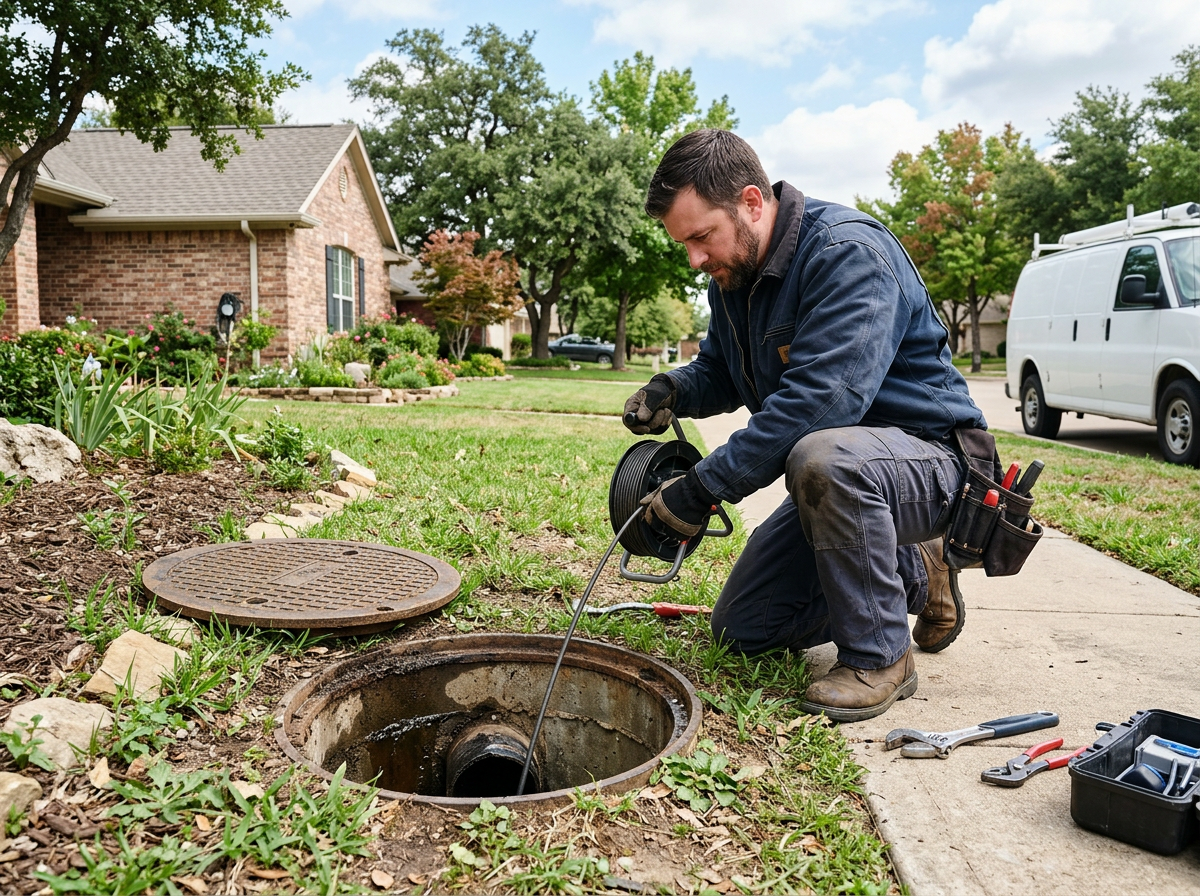
The most fundamental consideration is the range of pipe diameters your business typically encounters. Sewer line cleaning machines are designed for specific pipe sizes, and using an inappropriate machine can be ineffective or even damaging. For instance, smaller drum machines might handle lines from 1.5 to 4 inches, while larger sectional or drum units can tackle pipes from 3 inches up to 8 or even 10 inches.
Cable thickness and type are directly related to pipe size and the nature of blockages. Thinner cables (e.g., 5/16″ or 3/8″) are suitable for smaller drains and lighter clogs, while thicker, more rigid cables (e.g., 1/2″, 5/8″, or 3/4″) are necessary for main sewer lines and severe root intrusion. Sectional machines offer the flexibility of interchangeable cables, allowing businesses to adapt one machine to various pipe sizes by simply swapping out cable sections. Ensuring proper cable compatibility is crucial not only for effective drain cleaning but also for protecting the structural integrity of your pipes and the machine itself.
Safety Mechanisms and Operator Protection
Operating sewer line cleaning machines involves inherent risks, making safety features a non-negotiable consideration. Modern machines incorporate several mechanisms to protect the operator. Ground Fault Circuit Interrupters (GFCIs) are essential, immediately cutting power if an electrical fault is detected, preventing electric shock. Air foot pedals provide hands-free operation, allowing the operator to control the machine while maintaining a safe distance from the rotating cable.
Cable buckling prevention, often achieved through heavy-duty drum designs or specialized guide tubes, minimizes the risk of the cable kinking and causing injury. Beyond machine features, proper operator training is paramount. This includes understanding how to feed the cable correctly, avoiding excessive slack, and always wearing appropriate personal protective equipment, such as thick leather safety gloves with reinforced palms, to prevent severe hand injuries from the powerful rotating cable.
Maintaining Your Admiral Sewer Line Cleaning Machine for Longevity
Proper maintenance is crucial for extending the lifespan and ensuring the reliable performance of any commercial sewer line cleaning machine. Just like any valuable asset, a dedicated “Admiral” machine requires consistent care to prevent premature wear and costly repairs.
One of the most critical aspects of maintenance is rust prevention. Cables, drums, and other metal components are constantly exposed to water and corrosive waste. Regular cleaning and lubrication of cables, perhaps with specialized products like Snake-Oil Classic™, can significantly reduce rust and corrosion. After each use, thoroughly clean the cable and drum, and ensure they are dried as much as possible before storage. For sectional machines, inspecting cable sections for wear and replacing damaged ones promptly is vital. Many machines feature tool-free adjustments for cable feed or drum removal, simplifying routine cleaning and maintenance tasks. Consistent sewer maintenance practices not only protect your investment but also ensure the machine is always ready for its next challenge.
Frequently Asked Questions About Sewer Line Equipment
Businesses often have specific questions when considering the purchase or use of sewer line cleaning equipment. Here, we address some common queries to provide clarity and professional advice on equipment selection and usage.
When is a camera inspection needed before using a sewer line cleaning machine?
A camera inspection is a critical diagnostic tool that should precede the use of a sewer line cleaning machine in several scenarios. If your business experiences recurring blockages, or if the nature of the clog is unknown, a camera inspection can provide invaluable insights. It helps identify the exact cause of the blockage – be it tree roots, a collapsed pipe section, structural damage like offsets or bellies, or simply accumulated debris.
Using a cleaning machine without a prior inspection, especially in cases of suspected structural damage, can exacerbate the problem. For example, a powerful auger could worsen a partially collapsed pipe or get irrevocably stuck in a severely offset joint. A camera inspection prevents guesswork, ensures the correct cleaning method is applied, and helps avoid further damage to your plumbing infrastructure.
Can a sewer line cleaning machine clear tree roots?
Yes, many sewer line cleaning machines are highly effective at clearing tree roots, which are a common cause of commercial sewer line blockages. Drum and sectional machines, particularly those equipped with powerful motors and specialized root-cutting blades or augers, are designed for this purpose. The mechanical action of these cutting heads can effectively sever and remove intruding roots from the pipe.
However, it’s important to understand that while a machine can clear existing roots, it does not provide a permanent solution. Roots will inevitably grow back if the entry points (cracks or loose joints in the pipe) are not addressed. For a lasting solution, businesses may need to consider pipe repair or replacement, which could involve lining the pipe or excavating and replacing damaged sections. Regular sewer services that include root cutting can manage the problem, but a camera inspection can help determine if a more permanent repair is warranted.
Is it better for a business to buy or rent a sewer machine?
The decision to buy or rent a sewer machine hinges on the frequency of use and your business’s long-term operational strategy.
- Buying is generally better for businesses with:
- Frequent Blockages: If your property experiences clogs several times a year, or if you manage multiple properties, the cost of renting quickly surpasses the purchase price.
- Emergency Response Needs: Owning a machine provides immediate access, crucial for businesses where downtime due to a clog can lead to significant financial losses.
- Specialized Needs: If you require specific cable lengths, diameters, or cutting heads not commonly found in rental fleets, purchasing ensures you have the right tool.
- Long-term Cost Savings: While the initial investment is higher, it eliminates recurring rental fees and can offer a better ROI over time.
- Renting is suitable for businesses with:
- Infrequent, Minor Clogs: For occasional, isolated blockages, renting can be a more cost-effective solution.
- Budget Constraints: Renting avoids the large upfront capital expenditure.
- No Storage Space: Larger machines require dedicated storage, which might be an issue for some businesses.
- Uncertainty: If you’re unsure which type of machine best suits your needs, renting different models can help you evaluate before committing to a purchase.
For businesses prioritizing operational efficiency, immediate problem resolution, and long-term cost management, investing in a professional-grade sewer line cleaning machine often proves to be the more advantageous choice in June 2026.
Conclusion
Navigating the complexities of commercial sewer line maintenance requires not just reactive solutions, but a proactive strategy. Choosing the right sewer line cleaning machine is a significant business investment that can profoundly impact your operational efficiency, reduce unexpected costs, and safeguard your property. From the robust power of drum machines for severe blockages to the adaptable nature of sectional machines for varied pipe systems, and the thorough cleaning capabilities of hydro jetters for grease and scale, each type offers distinct advantages.
By carefully considering factors such as pipe compatibility, essential safety features, and the long-term benefits of ownership versus rental, businesses can make an informed decision. Investing in a reliable, high-performance machine empowers your business to address plumbing challenges swiftly, minimizing downtime and protecting your bottom line. In June 2026, proactive maintenance and the right equipment are not just conveniences—they are necessities for sustained commercial success.
©2026 The Dedicated House. All rights reserved. No part of this blog post may be used or reproduced without the written consent of the copyright owner.
Click the links below for any posts you have missed:
 Upgrading Your Home’s Comfort and Functionality
 7 Signs Your Basement May Have a Moisture Problem
 Entry Door Styles that Create a Strong First Impression
 The Modern Science of Carpet Cleaning: Methods, Myths, and Maintenance
 Improving Indoor Air Quality Through Professional Duct Cleaning
 Pros and Cons of Selling Under Financial Stress (Foreclosure, Job Loss): A Seller’s Guide
I’d love for you to join my email list! You’ll receive a notification straight to your inbox which will include links to my latest home project posts! Simply enter your address below.
Thanks for stopping by! Have a wonderful day/night depending on where you are in the world! Go with God and remember to be kind to one another!
Toodles,

Leave a Reply