Material price matters, but it is not the number that decides whether a metal roofing job protects the margin. The better question is what the selected package costs the business from takeoff through closeout, including labor, waste, equipment use, service exposure, and schedule disruption. The True ROI of Quality Metal Roofing Materials in 2026 starts with the same practical point: quality has value when it keeps crews productive and reduces preventable return trips.
For professional contractors, value is not a sales label. It is the ability to install a complete system correctly, keep the job moving, and leave the site without creating a problem that comes back through the service department. A lower material quote can be the right choice, but only when it holds up against the full cost of the work.
Why the Lowest Material Price Can Cost More
A material package should be judged against the entire project budget, not one purchase-order line. Saving on clips, fasteners, panel stock, sealant, or trim does not help if inconsistent dimensions create fitting issues at the eave, ridge, valley, or penetration. Two extra crew hours, an emergency reorder, and a second trip to the site can erase a small upfront savings quickly.
That risk increases when the package forces the crew to make field adjustments that should not be necessary. Reworking flashing, sorting mismatched components, or correcting fastener placement takes attention away from production and makes accurate labor forecasting harder on the next bid.
Build a Full Project Cost, Not Just a Material Quote
Before approving a system, build a job-level cost model that captures the costs most likely to affect margin:
- Purchase cost for panels, underlayment, clips, fasteners, sealants, trim, closures, and accessories.
- Expected installation hours for the roof profile, pitch, deck condition, and detail load.
- Waste from cuts, complex geometry, penetrations, minimum order quantities, and damaged material.
- Delivery, handling, staging, storage, and replacement-material costs.
- A realistic reserve for service calls, repairs, and warranty administration.
A simple project-cost framework can be expressed as: Total Project Cost = Purchase Cost + Labor Cost + Waste Cost + Service/Callback Reserve + Delay Cost. This does not need to be a complicated accounting exercise. It needs to be consistent enough that estimators can compare two viable packages before the order is placed.

Measure Crew Efficiency and Installation Time
Consistent panel widths, predictable clip engagement, compatible flashing details, and clear installation requirements reduce time spent making materials work in the field. On a standing seam job, a panel that seats cleanly and a clip that performs as expected support steady production. A system that requires repeated fitting can slow every course across the roof.
Track planned versus actual labor hours by roof type and system. Separate hours for panel installation, trim work, penetrations, corrections, and cleanup. Over several jobs, the record shows whether a lower-cost package actually installs efficiently or routinely consumes unbid labor.
Account for Waste, Rework, and Equipment Wear
Material Waste
Waste is more than offcuts. It includes damaged panels, incorrect cuts, color or finish mismatches, and material ordered late because the original takeoff missed a detail. Written takeoffs, verified field measurements, and a cut plan for complicated hips, valleys, and dormers reduce the chance that waste becomes a last-minute purchasing problem.
Tool and Equipment Wear
Track equipment costs by job type as well. Material that requires more forming, cutting, or adjustment can increase tool use and maintenance demands for brakes, shears, benders, seaming tools, driver bits, and cutting accessories. Those expenses often land in a separate maintenance budget, which makes them easy to overlook when comparing two material quotes.
Calculate Callback Risk Before Choosing Materials
A callback is not just a repair. It consumes fuel, payroll, scheduling capacity, supervisor time, and crew availability that could have been used on billable work. Review the previous 12 months of service records for repeated causes, including incorrect fasteners, poorly matched accessories, thermal movement issues, unclear installation instructions, flashing failures, and unavailable replacement parts.
Pay close attention to details that manage movement. Fixed and expansion clips, slot orientation, fastener pull-out resistance, sealant placement, and transition flashing all need to match the system requirements. If the same issue shows up across multiple jobs, it is not a one-off service event. It is a purchasing, detailing, training, or installation-control problem.
Compare Warranties, Compatibility, and Documentation
Treat a warranty as a risk document, not a sales feature. Confirm whether coverage applies to a complete system or only an individual component. Review installation requirements, exclusions, maintenance obligations, claim procedures, and whether substitutions can affect coverage.
Compatibility matters just as much. Panels, clips, fasteners, sealants, underlayment, closures, and flashings should be selected as a coordinated assembly. Keep product data, approved details, color records, jobsite photos, and installation notes in the project file. Good documentation makes closeout cleaner and gives the service team a clear record if questions arise later.
Match Roofing Materials to Local Weather Conditions
The roof’s location should influence system selection before the bid goes out. Wind exposure, snow and ice, hail frequency, coastal corrosion, heat, humidity, and seasonal expansion and contraction place different demands on panels and attachment methods. The National Weather Service notes that strong thunderstorms can produce damaging straight-line winds, so local wind exposure should be treated as a detailing and attachment consideration, not an afterthought.
Use local history rather than assumptions. Temperature and precipitation records and historical patterns can help estimators discuss regional conditions with the project team and select details that fit the job. That does not replace engineering, code requirements, or manufacturer instructions, but it improves early planning.
Show Value to Customers Without Overselling
Building owners, facilities managers, and general contractors do not need vague claims about “premium” materials. They need a clear explanation of what changes between options: expected maintenance needs, component compatibility, installation approach, appearance expectations, and potential service exposure. Present two or three suitable systems when possible, then identify the tradeoffs honestly.
“This option costs more at the start, but it uses components designed for this roof profile and exposure. The objective is to reduce field adjustment, avoid material conflicts, and limit future service work.”
Use a Simple Roofing Material ROI Scorecard
Before ordering, score each viable package from 1 to 5 in these categories:
- Upfront cost: Does it fit the project budget without cutting required components?
- Installation speed: Can the crew install it with minimal adjustment?
- Compatibility: Do panels, clips, fasteners, and flashings work together?
- Durability: Is the package suited to the roof design and local exposure?
- Service risk: Are technical information and replacement parts available?
- Customer value: Can the advantages and limitations be explained in the estimate?
Conclusion: Price Is Only One Part of the Decision
The best roofing material choice is not automatically the least expensive or the highest-priced option. It is the system that balances purchase cost, crew efficiency, waste control, durability, documentation, and callback risk for the specific job. Contractors who measure those factors consistently can protect margin, make stronger purchasing decisions, and deliver work that stays off the service schedule.
©2026 The Dedicated House. All rights reserved. No part of this blog post may be used or reproduced without the written consent of the copyright owner.
Click the links below for any posts you have missed:
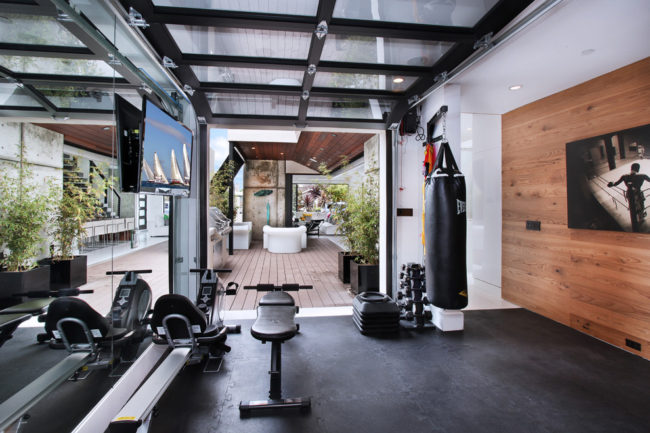 Home Gym Maintenance Plan for St. Louis, Missouri: Simple Care that Keeps Equipment Ready
 Are Class 4 Impact-Resistant Shingles Worth It? A Homeowner’s Guide
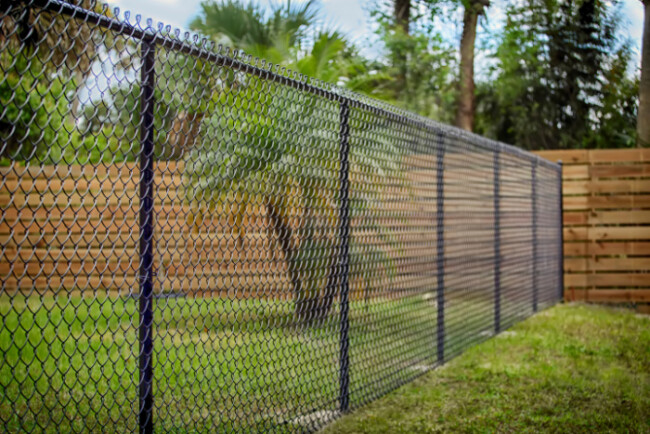 Denco Fence Company: A Clearer Path from Fence Installation Request to Finished Chain Link Fence
 Carpet or Hard Flooring? A Simple Guide for Abu Dhabi Homes
 What’s Changing Behind the Scenes When You Apply for a Rental
 How to Move a Tree Successfully in Rock Hill, South Carolina
I’d love for you to join my email list! You’ll receive a notification straight to your inbox which will include links to my latest home project posts! Simply enter your address below.
Thanks for stopping by! Have a wonderful day/night depending on where you are in the world! Go with God and remember to be kind to one another!
Toodles,

Leave a Reply