If you live anywhere between the Dakotas and Lake Michigan, you know the pattern. Spring brings thunderstorms that can drop hail in minutes, summer brings more of the same, and then winter arrives with subzero nights, ice dams, and heavy snow loads. A roof in Wisconsin or Minnesota takes a beating from both directions.
So when you start collecting reroofing quotes, there’s a good chance someone will mention Class 4 impact-resistant shingles. They cost more, they sound tougher, and you may have heard they can lower your insurance bill. Each of those things can be true, but the details matter. Here’s a plain-language look at what the rating means, what it doesn’t promise, and how to figure out whether the upgrade makes sense for your house.

What “Class 4” Actually Means
The UL 2218 Test
Most impact ratings on residential shingles come from a lab standard called UL 2218. The test is simple to picture. Technicians drop steel balls onto a shingle sample installed on a mock roof deck. There are four ball sizes:
- Class 1: 1.25-inch steel ball
- Class 2: 1.5-inch steel ball
- Class 3: 1.75-inch steel ball
- Class 4: 2-inch steel ball, dropped from roughly 20 feet
Each ball strikes the same spot twice. To pass, the shingle can’t crack through on the back side when examined afterward. If it survives the 2-inch ball, it earns Class 4, the highest rating in the standard.
What Counts as Passing (and What Doesn’t)
This is where many homeowners get surprised. The test looks for damage that would let water through: cracks, splits, or tears in the shingle body. Cosmetic marks on the surface don’t count as failure. A Class 4 shingle can come out of the test with a visible dent and some granules knocked loose and still pass.
It’s also a pass/fail rating, not a sliding scale. Two products can both carry Class 4 labels while one barely squeaked by and the other shrugged off the test. The label tells you a product cleared a bar, not how far above the bar it sits.
You may also see FM 4473 on some product literature. It’s a separate impact standard from FM Approvals that uses ice balls instead of steel, and it has its own class system. It’s broadly similar in purpose, and some products carry both ratings.
How Class 4 Holds Up Against Real Hail
Size Matters More than Labels
Most damaging hail in the upper Midwest falls in the 1- to 2-inch range, roughly quarter size to hen-egg size. That’s the zone where a Class 4 shingle has the clearest advantage over a standard architectural shingle, which can bruise or fracture from stones in that range.
Very large hail is another story. Stones 3 to 4 inches across hit with far more energy than any shingle test simulates, and no asphalt shingle rating promises protection from them. If a softball-size storm parks over your neighborhood, a Class 4 roof will probably still need attention.
What Independent Testing Has Found
The Insurance Institute for Business & Home Safety (IBHS), a research group funded by the insurance industry, runs its own impact testing that’s designed to be tougher and closer to real storms than UL 2218. Rather than dropping steel balls, it uses lab-made hailstones meant to mimic how real ice behaves. IBHS publishes performance ratings for shingle products, and one of its consistent findings is that real-world performance varies quite a bit among products that all carry a Class 4 label.
The practical takeaway: Class 4 is a meaningful minimum, but it isn’t the whole story. If you’re comparing two Class 4 products, it’s worth looking up whether either has been rated by IBHS and how it performed.
How Shingles Earn a Class 4 Rating
Manufacturers generally take one of two approaches.
Polymer-Modified (“Rubberized”) Asphalt
Many Class 4 shingles use asphalt blended with SBS (styrene-butadiene-styrene) polymers. This gives the shingle a slightly rubbery quality, so when hail hits, the material flexes and rebounds instead of cracking. Think of the difference between hitting a dinner plate and hitting a firm rubber mat.
That flexibility is especially useful in northern climates. Standard asphalt gets stiffer and more brittle as temperatures drop, which is part of why hail or even foot traffic can do more harm on a cold roof. Polymer-modified shingles tend to stay more pliable in the cold, which helps during early spring storms and makes them a bit more forgiving overall.
Reinforced Standard Asphalt
The other approach uses conventional asphalt with a reinforcing backing or a heavier, tougher mat that resists cracking through. These can also pass the 2-inch test, though they don’t have the same flex-and-rebound behavior as SBS-modified products.
Check the Specific Product, Not Just the Brand
Most major manufacturers, including GAF, Owens Corning, CertainTeed, and others, offer Class 4 versions of their popular architectural lines. But a brand or even a product family isn’t automatically impact rated. Often there’s a standard version and a separately named impact-resistant version that look nearly identical on the roof. If you want to see how those options compare line by line, this overview of Class 4 impact-resistant shingle options is a helpful starting point. Either way, confirm that the exact product on your quote and on the delivered bundles is labeled Class 4.
What the Upgrade Costs
For most homes, Class 4 shingles typically run roughly 10 to 30 percent more for materials than comparable standard architectural shingles. Labor is usually about the same, since installation methods are very similar. Because materials are only part of a full reroof (tear-off, underlayment, flashing, ventilation, disposal, and labor make up the rest), the increase on your total project is often smaller than that percentage suggests.
Prices vary by region, product line, roof complexity, and supply. The best way to see the real difference for your house is to ask each contractor for side-by-side pricing: the same scope of work, quoted once with a standard shingle and once with a Class 4 shingle. Many roofers in hail country already do this. In fact, many roofing companies in Eau Claire, WI and elsewhere in the hail-prone upper Midwest now quote a Class 4 option alongside the standard shingle as a matter of routine.
The Insurance Side of the Equation
Premium Discounts
In hail-prone states, some insurers offer homeowners premium discounts for a Class 4 roof. Depending on the company and the state, the discount can be modest or fairly significant. Some insurers don’t offer one at all.
If a discount is available, there’s usually paperwork involved. Insurers may ask for:
- A piece of the shingle wrapper showing the Class 4 rating
- The contractor’s invoice listing the specific product
- A certificate or verification form completed by the installer
It’s much easier to collect these during the project than to track them down later, so ask your contractor up front.
Policy Fine Print Worth Knowing
Two other policy details can affect how much value you get from a Class 4 roof:
Cosmetic damage exclusions. Some policies now exclude damage that affects a roof’s appearance but not its function, such as dents or granule loss that don’t let water in. With this kind of exclusion, minor hail marks on any roof may not be covered. A Class 4 shingle’s main advantage is that it’s less likely to suffer the functional damage that actually leads to leaks.
Roof age and claim settlement. Many policies settle roof claims on an actual cash value (ACV) basis once the roof reaches a certain age, meaning you’re paid for the depreciated value rather than the full replacement cost. Others pay replacement cost. Knowing which applies to you helps you weigh how much of a future hail repair would come out of your own pocket.
Before you choose shingles, call your agent. Ask specifically about Class 4 discounts, documentation requirements, cosmetic exclusions, and how roof claims are settled on your policy.
Other Benefits, and Real Limits
The Upside Beyond Hail
Class 4 shingles often hold their granules better over time, which helps protect the asphalt from UV breakdown. Many are also strong performers in wind and come with high wind warranties, usually when installed with the manufacturer’s matching system components like starter strips and ridge caps. Some buyers also see an impact-rated roof as a plus, especially in areas where hail claims are common, though resale value is hard to pin to any one feature.
What Class 4 Can’t Fix
A tough shingle is only one layer of a roof system. It still needs:
- Proper underlayment across the deck
- Ice and water barrier along eaves, valleys, and other vulnerable spots, which is essential in cold climates prone to ice dams
- Balanced attic ventilation to control heat and moisture, which affects both shingle life and ice dam risk
- Correct installation, including nailing pattern and flashing details
It’s also worth knowing that shingles age. Years of sun and freeze-thaw cycles can gradually reduce impact resistance, so a 15-year-old Class 4 roof may not perform like a new one. And a Class 4 shingle over a poorly installed roof is wasted money. Contractor quality matters at least as much as product choice.
A Simple Way to Decide
Strongly Consider Class 4 If:
- You live in a hail-prone area (most of Wisconsin, Minnesota, and the surrounding region qualifies)
- Your insurer offers a meaningful discount
- You plan to stay in the home at least seven years or so
- You’ve had hail claims in the past or neighbors replace roofs after storms regularly
- Your policy has a cosmetic exclusion or settles roofs at ACV, so more repair costs could fall on you
You Might Reasonably Skip It If:
- Hail is genuinely rare where you live
- You expect to sell within a few years
- Your insurer offers no discount and the price gap is large for your roof
A Worked Example
Here’s a purely hypothetical example with round numbers to show how the math can work:
- Standard architectural reroof: $15,000
- Same job with Class 4 shingles: $17,000 (a $2,000 upgrade)
- Annual homeowners premium: $2,000
- Hypothetical Class 4 discount: 15 percent, or $300 per year
At $300 a year, the discount alone would cover the $2,000 upgrade in a little under seven years. Anything after that is savings, and that’s before counting the potential benefit of avoiding a hail claim, a deductible, or a premium increase after a claim. With no discount, the decision rests more on your hail risk and how long you’ll stay. Plug in your own quotes and your agent’s actual numbers to see where you land.
Questions to Ask Before You Decide
For Your Roofer
- What exact Class 4 product are you quoting, and how does its price compare to the standard version for the same scope?
- Is it polymer-modified (SBS) or a reinforced standard shingle?
- Has this product been rated by IBHS, and do you know how it performed?
- What wind warranty applies, and which system components are required to qualify?
- Will you provide the wrapper, an itemized invoice, and any insurance certificate form?
- How will you handle ice and water barrier and attic ventilation on my house?
For Your Insurance Agent
- Do you offer a discount for Class 4 roofs, and how much would it be on my policy?
- What documentation do you need, and by when?
- Does my policy have a cosmetic damage exclusion?
- Are roof claims settled at actual cash value or replacement cost, and does roof age change that?
- Would a Class 4 roof affect my deductible options?
The Bottom Line
Class 4 shingles aren’t hail-proof, and the label alone doesn’t tell you everything about how a product will perform. But in a region where 1- to 2-inch hail is a regular visitor and winters punish brittle materials, they often earn their keep, especially when an insurance discount helps cover the upgrade. Get side-by-side quotes, talk to your agent before you sign anything, and choose a contractor who installs the whole system well. That combination, more than any single rating, is what keeps your roof dry through the next storm season.
©2026 The Dedicated House. All rights reserved. No part of this blog post may be used or reproduced without the written consent of the copyright owner.
Click the links below for any posts you have missed:
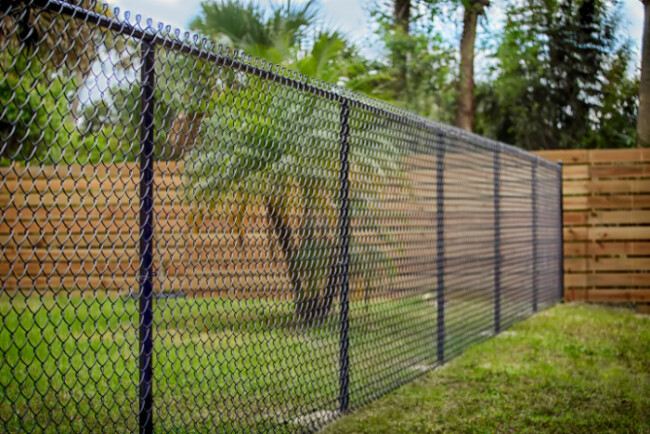 Denco Fence Company: A Clearer Path from Fence Installation Request to Finished Chain Link Fence
 Carpet or Hard Flooring? A Simple Guide for Abu Dhabi Homes
 What’s Changing Behind the Scenes When You Apply for a Rental
 How to Move a Tree Successfully in Rock Hill, South Carolina
 Top 5 Zirconia Dental Implant Providers in New York City and Connecticut
 When Should Raleigh, NC, Homeowners Clean Their Ducts and Vents?
I’d love for you to join my email list! You’ll receive a notification straight to your inbox which will include links to my latest home project posts! Simply enter your address below.
Thanks for stopping by! Have a wonderful day/night depending on where you are in the world! Go with God and remember to be kind to one another!
Toodles,

Leave a Reply