Whether your workout space is in a finished basement in Kirkwood, a garage in St. Charles, or a spare room in the City of St. Louis, equipment care should be part of the training routine. For homeowners who find a problem that goes beyond basic cleaning or inspection, equipment repair in St. Louis, MO can be a practical option for addressing machines that need professional attention.
St. Louis weather can bring humid summers, damp basements, temperature swings, and dusty garage conditions. Those conditions do not automatically damage a home gym, but they make regular checks worthwhile. A short reset after each workout, followed by weekly and monthly inspections, can help you notice small changes before they interrupt your routine.
Why Home Gym Maintenance Belongs on the Calendar
Sweat, dust, movement, and moisture can gather on gym equipment like handles, seats, rails, guide rods, adjustment pins, and racks over time. Routine maintenance keeps the gym tidy and allows owners to spot unstable parts, damaged surfaces, or operational issues. Keep maintenance simple: wipe touchpoints, return accessories, and check for issues after workouts. Annually, review product recalls if machines or parts seem unsafe.
Start with an Equipment Inventory
Before setting reminders, make a simple list of everything in the workout area. Include motorized machines such as treadmills, cardio equipment such as bikes, rowers, and ellipticals, plus benches, racks, cable stations, dumbbells, kettlebells, medicine balls, bands, mats, and storage accessories.
For each item, record the brand, model number, purchase date, warranty details, and the location of the owner’s manual. A phone note or basic spreadsheet is enough. This list makes it easier to find the right instructions when a treadmill needs belt care or a cable station needs a closer inspection.

The After-Workout Reset
This is the most useful part of a repeatable plan because it is quick. After training, complete the following steps:
- Wipe sweat from handles, seats, pads, rails, screens, and other touch points.
- Return weights, clips, bands, and attachments to keep walkways clear.
- Make sure safety pins, collars, and adjustment locks are fully in place.
- Look for new damage, wobbling, unusual resistance, or movement that feels different.
- Allow damp surfaces to dry before covering equipment or closing up a humid room.
Mild soap and water may be appropriate for some surfaces, but the owner’s manual should determine which cleaners are safe. Strong chemicals can damage vinyl, rubber, paint, screens, and protective finishes.
Weekly Checks for Wear and Cleanliness
Set aside weekly minutes for visual checks. Inspect cables for frays, kinks, or broken strands. Check benches and pads for tears, loose seams, and faulty adjustment mechanisms. Examine bolts, knobs, weight pins, collars, mounting points, and resistance bands for wear or cracks. On treadmills, inspect belts and surfaces for damage or wear. Clean vents and open areas without pushing debris deeper. Damaged load-bearing parts require professional service.
Monthly Care for Moving Parts and Metal Surfaces
Monthly maintenance is a more deliberate review. Check frames and bolts for looseness, then inspect rollers, pulleys, guide rods, hinges, and adjustment points. In St. Louis garages and basements, look carefully for rust or condensation around metal components and storage racks.
Clean around the equipment so dust and moisture do not build up beneath the machines. Apply lubricant only when the manual calls for it and only with the recommended product. Too much lubricant can attract debris or create slippery surfaces. For motorized equipment, inspect power cords, plugs, safety keys, and emergency stop features without attempting internal electrical repairs.
Equipment-Specific Maintenance Tips
Treadmills
Keep the walking area free of dust and debris. Check belt alignment, visible cracking, and unusual looseness. Test the emergency stop key before use, and follow the manufacturer’s directions for lubrication or alignment. Stop using the treadmill if it changes speed unexpectedly, produces a burning smell, or develops a new grinding sound.
Bikes, Ellipticals, and Rowers
Inspect pedals, cranks, seat posts, handlebars, rails, moving arms, and adjustment levers. A bike or elliptical that rocks, clicks, or changes resistance unexpectedly deserves attention. For rowers, check the handle, chain or strap, seat rollers, foot straps, and rail. Rough seat movement or a strap that does not retract normally should not be ignored.
Strength Machines, Free Weights, and Bands
Inspect cables, pulleys, hooks, carabiners, weight pins, and attachment points on strength equipment. Never use a frayed cable, a cracked frame, a bent connector, or a damaged locking part. Check dumbbells, kettlebells, plates, collars, and racks for cracks or loose pieces. Keep resistance bands away from direct sunlight, sharp edges, heat, and chemical cleaners.
Control Moisture, Dust, and Electrical Risks
A cool, dry, ventilated workout area is easier to maintain. Use floor mats to reduce vibration and help separate equipment from dusty or damp floors. Keep machines away from leaking windows, wet concrete, and crowded storage. Store bands, mats, and small accessories off the floor, and do not cover equipment until it is dry.
Electrical safety also matters. Avoid damaged cords and improvised power setups, especially in garages or basements where moisture may be present. The University of Michigan provides useful extension cord safety guidance for checking cords and using power strips or extension cords appropriately.
When to Stop Using Equipment
- Frayed, cracked, or damaged cables
- A treadmill belt that slips or changes speed
- Burning smells, smoke, sparks, or hot electrical components
- Cracked frames, welds, handles, or weight plates
- Safety pins, clips, or emergency stops that do not work
- New grinding, popping, scraping, or knocking sounds
- A machine that rocks, shifts, or will not sit level
Unplug motorized equipment before inspecting accessible exterior parts. Leave internal electrical work, structural repairs, and complex adjustments to the manufacturer’s service network or a qualified technician.
A Maintenance Calendar You Can Follow
- After each workout: Wipe surfaces, return accessories, clear walkways, and note changes.
- Weekly: Inspect cables, bands, bolts, pads, belts, plugs, and storage areas.
- Monthly: Clean vents, check moving parts, look for rust, and review manual instructions.
- Every few months: Perform a deeper inspection and arrange service for concerns you cannot safely handle.
- Annually: Review warranty information, recalls, service records, and the overall condition of the gym.
Conclusion
A dependable home gym maintenance plan does not need to be complicated. In St. Louis, a quick wipe-down after training, a weekly inspection, and a more detailed monthly review can help keep equipment cleaner and easier to use. Follow the manual for your specific machine, keep the room dry and organized, and treat changes in sound, movement, or stability as a reason to stop and investigate.
©2026 The Dedicated House. All rights reserved. No part of this blog post may be used or reproduced without the written consent of the copyright owner.
Click the links below for any posts you have missed:
 Are Class 4 Impact-Resistant Shingles Worth It? A Homeowner’s Guide
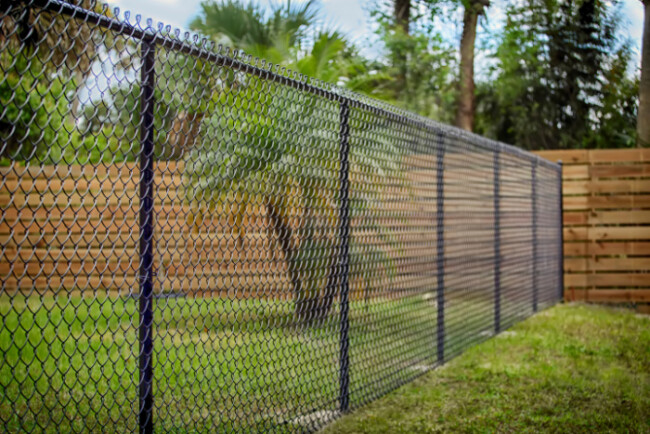 Denco Fence Company: A Clearer Path from Fence Installation Request to Finished Chain Link Fence
 Carpet or Hard Flooring? A Simple Guide for Abu Dhabi Homes
 What’s Changing Behind the Scenes When You Apply for a Rental
 How to Move a Tree Successfully in Rock Hill, South Carolina
 Top 5 Zirconia Dental Implant Providers in New York City and Connecticut
I’d love for you to join my email list! You’ll receive a notification straight to your inbox which will include links to my latest home project posts! Simply enter your address below.
Thanks for stopping by! Have a wonderful day/night depending on where you are in the world! Go with God and remember to be kind to one another!
Toodles,

Leave a Reply