Your home is one of the most significant investments you will ever make. Yet, many homeowners underestimate how much consistent care it requires to hold its value and perform reliably year after year. From the furnace running through a Canadian winter to the roof weathering a summer storm, every component has a lifespan and a point at which neglect becomes costly. Understanding which repairs and installations demand the most attention, and why routine maintenance is non-negotiable, is the foundation of responsible homeownership.
Heating and cooling, plumbing, roofing, water heating, and insulation are the core systems that require the most consistent attention in any North American home. Working with the top HVAC company for residential installation and repairs is one of the most important decisions a homeowner can make, because HVAC systems are among the most expensive to repair or replace when they fail prematurely. Proactive maintenance across all these systems directly protects long-term property value and reduces the likelihood of emergency costs.
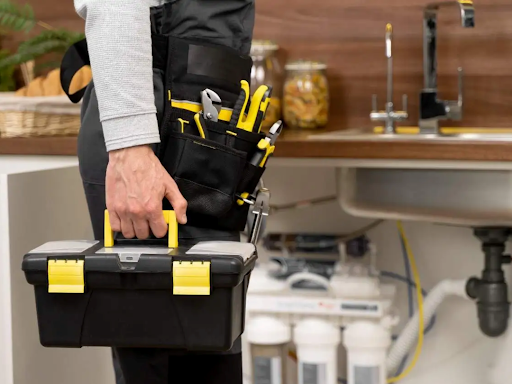
Why Deferred Maintenance Costs More than Routine Upkeep
Putting off home repairs is common, but the financial consequences are severe. Recent data reveals that the average deferred repair now costs over $5,600 to complete, and preventive maintenance can reduce overall repair costs by approximately 30%. Routine maintenance is the most cost-effective strategy for any homeowner who wants to avoid compounding repair bills and protect long-term property value.
The Systems that Need the Most Attention
Most residential properties share the same high-priority systems when it comes to maintenance and professional service. The areas where neglect is most likely to result in significant, costly damage:
- HVAC systems, including furnaces, central air conditioners, and heat pumps
- Roofing and attic insulation, which are vulnerable to moisture infiltration and heat loss
- Plumbing, including drain lines, shut-off valves, and water heaters
- Electrical panels and wiring, particularly in older homes built before current code standards
What Routine Maintenance Actually Involves
For most homeowners, routine maintenance includes seasonal checks, annual professional inspections, and timely replacement of parts. The goal here is consistency. Tasks that fall within a typical annual maintenance schedule include:
- Replacing or cleaning filters on a set schedule
- Inspecting exposed plumbing for signs of corrosion or slow leaks
- Checking roof flashing, gutters, and downspouts for damage
- Scheduling professional inspections for HVAC and water heating equipment
How Maintenance Protects Long-Term Property Value
A home’s long-term property value is closely tied to the condition of its mechanical systems. How a routine professional service protects your property:
- Buyers and home inspectors closely review the age and service history of HVAC, roofing, and plumbing systems
- Properties with visible deferred maintenance require price reductions or repair credits at sale
- Homes with documented maintenance histories perform better in appraisals and attract stronger offers
HVAC Systems: The Core of Residential Comfort and Safety
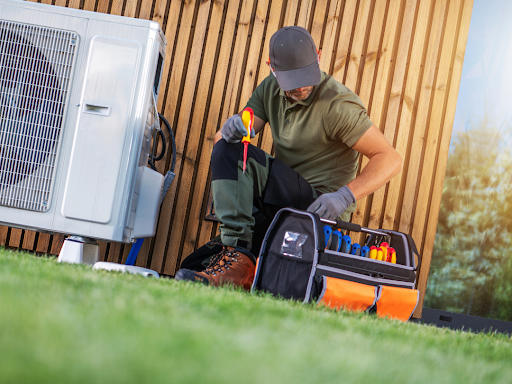
Of all the systems in a residential property, the HVAC system demands the most consistent and informed care. Engaging a top HVAC company for residential installation and repairs ensures this critical system is handled correctly from the moment of installation through its full service life. Their lifespan depends heavily on installation quality and maintenance consistency.
System Lifespans and What Affects Them
Central air conditioners typically last 12 to 15 years, heat pumps 10 to 15 years, and gas furnaces 15 to 25 years with proper care. Additionally, boilers can last 20 to 35 years under the right conditions. Whether a system reaches the higher end of that range depends on installation quality, the frequency of routine servicing, the condition of the home’s insulation and ductwork, and regional climate conditions. Poor installation is a common cause of premature failure. A system incorrectly sized for a home will short-cycle if oversized or run continuously if undersized, wearing out key components well ahead of schedule.
Seasonal Maintenance and What Technicians Check
Seasonal HVAC maintenance goes well beyond a filter change. A professional inspection each spring and autumn covers:
- Refrigerant levels and checks for leaks in the cooling system
- Electrical connections, capacitors, and motor components for signs of wear
- Heat exchanger integrity in furnaces, which is a critical safety concern
- Thermostat calibration and airflow measurements through the duct system
- Drainage lines on cooling units to prevent water damage
Warning Signs that Require Professional Attention
HVAC systems provide clear signals when something is wrong. Signs that warrant a call to a qualified technician:
- Unusual sounds such as banging, rattling, or persistent squealing
- Inconsistent temperatures between rooms or difficulty reaching the set thermostat level
- A sudden increase in energy bills without a change in usage habits
- Visible ice forming on the outdoor unit or refrigerant lines
- Frequent cycling on and off, or failure to start at all
Choosing a top HVAC company for residential installation and repairs means having access to technicians who can accurately diagnose these symptoms on the first visit.
Other Critical Home Systems that Require Regular Professional Service
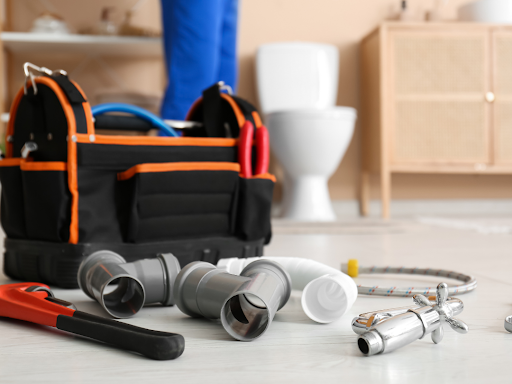
While HVAC systems attract the most attention, a well-maintained home requires consistent professional service across several other key areas. Plumbing, roofing, water heating, and insulation all contribute significantly to a property’s comfort, safety, and long-term property value. Neglecting any one of them creates vulnerabilities that compound over time.
Plumbing Maintenance and Inspections
Residential plumbing is a frequently needed service outside of HVAC. Many of the most costly failures start as small, easily detectable issues. An annual plumbing inspection involves:
- Checking under-sink connections and exposed piping for slow leaks or corrosion
- Inspecting water supply shut-off valves for ease of operation
- Assessing drain performance and identifying early signs of blockage
- Reviewing the condition of seals and fixtures in bathrooms and kitchens
Roof Inspections and Insulation Assessments
Roof maintenance is often overlooked because many issues are not visible from the ground. An annual professional roof inspection identifies missing or damaged shingles, deteriorating flashing, and gutter conditions that contribute to water backup. As covered in this guide to residential and commercial roofing maintenance, unaddressed roof issues can compromise both structural integrity and energy performance simultaneously. Insulation assessments are equally important in colder climates, as inadequate insulation forces HVAC systems to work harder, driving up energy costs and shortening equipment lifespan.
Water Heater Servicing
Water heaters are frequently overlooked until they fail. Key service tasks that protect the water heating system and extend its lifespan:
- Annual flushing to remove sediment buildup that reduces efficiency and accelerates corrosion
- Inspection of the pressure relief valve, which is a critical safety component
- Assessment of the anode rod that protects the tank lining from internal rust
- Evaluation of overall unit age and performance relative to expected lifespan
Most homeowners can handle basic upkeep themselves, but knowing how to maintain a water heater and when professional repair is needed helps avoid water damage and unexpected replacement costs.
Building a Reliable Annual Home Maintenance Routine
Reliable homeownership is built on consistency. Partnering with the top HVAC company for residential installation and repairs is a cornerstone of that commitment, given how central heating and cooling are to daily comfort and energy costs. A sound annual routine covers professional HVAC inspections every spring and autumn, a roof inspection at the change of season, an annual plumbing assessment, and water heater servicing.
Fundamentally, proactive maintenance is the most straightforward strategy for homeowners who want to protect their investment and avoid the compounding cost of deferred repairs. Every inspection scheduled and every early repair completed is a direct investment in your home’s long-term performance and value.
©2026 The Dedicated House. All rights reserved. No part of this blog post may be used or reproduced without the written consent of the copyright owner.
Click the links below for any posts you have missed:
 Moving to a Norfolk Cottage? Read This Before You Touch the Plumbing
 Upgrading Your Property with Durable Concrete Coatings
 Top 10 Things to Do In Winslow, NJ After Visiting Your Favorite Dispensary
 Improving Indoor Air Quality and Comfort
 Family-Owned HVAC Excellence in North Florida
 The Transformative Power of STEAM Education in Early Childhood Development
I’d love for you to join my email list! You’ll receive a notification straight to your inbox which will include links to my latest home project posts! Simply enter your address below.
Thanks for stopping by! Have a wonderful day/night depending on where you are in the world! Go with God and remember to be kind to one another!
Toodles,

Leave a Reply