When considering an upgrade to your garage floor, understanding the various concrete coating options is crucial. Each type offers distinct properties that impact durability, application, and overall performance. The primary categories we often encounter are 100% solids epoxy, high solids epoxy, polyurea, and water-based epoxy. The choice among these depends on your specific needs, budget, and desired longevity. When searching for the Best concrete epoxy for a garage, homeowners must weigh these technical specifications against their daily usage patterns and the environmental conditions of their region.
At its core, epoxy is a two-part system consisting of a resin and a hardener. When mixed, these components undergo a chemical reaction called polymerization, forming a rigid, plastic-like material that chemically bonds to the concrete substrate. This bonding process is what gives epoxy its exceptional adhesion and durability, distinguishing it significantly from mere paint. The “solids” content refers to the percentage of material that remains on the surface after the coating has cured, with higher solids content generally indicating a thicker, more durable film. This thickness is often measured in “mils,” where one mil equals one-thousandth of an inch.
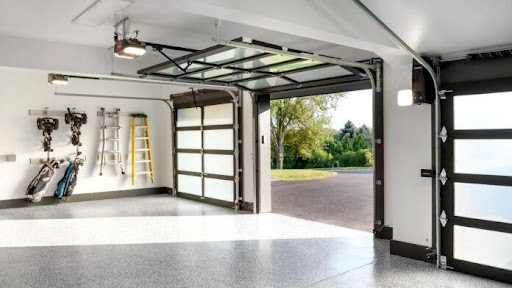
The Science of 100% Solids Epoxy
- 100% Solids Epoxy: As the name suggests, these systems contain no solvents that evaporate during curing. This results in a thick, dense, and highly durable finish. They offer superior chemical, abrasion, and impact resistance, making them ideal for high-traffic areas and industrial environments. The lack of solvents also means minimal odor during application, which is a significant benefit for attached garages where fumes could otherwise migrate into the living space. However, their short “pot life” (the time you have to work with the mixed material before it hardens) and viscosity can make them more challenging for DIY installers without proper experience. Because the material does not shrink as it cures, the thickness you apply is the thickness you keep, providing a robust barrier against heavy vehicles and dropped tools.
High Solids and Water-Based Alternatives
- High Solids Epoxy: These coatings typically contain 60-90% solids. They offer a good balance between the performance of 100% solids epoxy and the easier workability of lower-solids options. They still provide excellent protection but might not achieve the same extreme thickness or chemical resistance as their 100% solids counterparts. They are often used as a mid-tier option for those who want better performance than a DIY kit but are working within a tighter budget.
- Water-Based Epoxy: These are typically the most user-friendly and budget-friendly options, often found in big-box stores. They contain a higher water content, which evaporates during curing, resulting in a thinner film. While they offer better adhesion than standard concrete paints, they provide less protection against hot tire pickup, chemicals, and abrasion compared to high-solids or 100% solids systems. Their service life is generally much shorter, often only 1-3 years, and they are prone to peeling under the heat of high-performance tires.
The Rise of Polyurea and Polyaspartic Technology
- Polyurea: A newer technology in the residential market, polyurea coatings are known for their rapid cure times, flexibility, and excellent UV stability, meaning they are less likely to yellow over time compared to some epoxies. They are highly resistant to abrasion and chemicals and can withstand a wider range of temperature fluctuations. Polyurea systems often have a very short pot life, sometimes as little as 10-15 minutes, which requires quick and efficient application. However, some formulations are designed for extended working times, making them more accessible for experienced DIYers. Polyurea coatings can be walkable in as little as 8 hours and ready for vehicle traffic in 48-72 hours, significantly faster than traditional epoxies, which can take up to 10 days to fully cure. Within the polyurea family, polyaspartics are a specific subset that offers even greater UV resistance and is often used as a topcoat to protect underlying layers from sunlight.
The Critical Importance of Surface Preparation
No matter which coating you choose, the success of the project depends almost entirely on surface preparation. Professional installers use the Concrete Surface Profile (CSP) scale to determine the necessary roughness of the concrete. For most garage coatings, a CSP of 2 or 3 is required, which is typically achieved through mechanical diamond grinding or shot blasting. This process removes the “laitance” (a weak, milky layer of cement dust on the surface). It opens the concrete’s pores, allowing the epoxy to penetrate deeply and form a mechanical bond. Acid etching is a common DIY alternative, but it often fails to provide a consistent profile and can introduce unwanted moisture into the slab, leading to premature coating failure.
Addressing Moisture Vapor Transmission
One of the most common causes of epoxy failure is moisture vapor transmission (MVT). Concrete is a porous material, and moisture from the ground can travel upward through the slab. If a non-breathable coating, such as epoxy, is applied over a slab with high moisture levels, the vapor pressure can build up, causing the coating to blister or delaminate. Professional installers often perform a calcium chloride test or use a moisture meter to check the emission levels before proceeding. If moisture is an issue, a specialized moisture-mitigating primer must be used as the first layer to block vapor and ensure the system’s longevity.
The Multi-Layer System Approach
A truly professional-grade garage floor is rarely a single coat of material. Instead, it is a multi-layer system designed for maximum durability.
- The Primer Layer: This thin layer penetrates the concrete to create a strong bond and seal the pores to prevent “outgassing” (bubbles forming in the thicker layers).
- The Base Coat: This is usually a thick layer of 100% solids epoxy or polyurea that provides the bulk of the system’s strength and carries the color pigment.
- The Broadcast Layer: While the base coat is still wet, decorative vinyl flakes or quartz granules are broadcast to refusal. This adds aesthetic appeal, provides slip resistance, and increases the floor’s impact resistance.
- The Topcoat: A clear layer of polyaspartic or polyurethane is applied over the flakes. This layer is the “sacrificial” shield that resists scratches, UV damage, and chemical spills.
Understanding Film Thickness (Mils)
Understanding the film thickness (mils) is vital. A higher mil thickness directly correlates with increased durability and longevity. For instance, a professional-grade multi-layer system might achieve a total film thickness of 20+ mils, providing robust protection for decades. In contrast, a water-based DIY kit might yield a dry film thickness of only 2–3 mils, which is barely thicker than a few sheets of paper. This thin layer is easily punctured and will wear through quickly in high-traffic areas. Additionally, thicker coatings offer better resistance to impacts, abrasions, and chemical spills, making them ideal for garages, workshops, or commercial settings. They also help mask minor surface imperfections, creating a smoother and more uniform finish. Investing in a higher-mil system upfront can significantly reduce maintenance requirements and extend the surface’s lifespan.
Maintenance and Long-Term Care
Maintaining a coated garage floor is significantly easier than maintaining bare concrete. Because the surface is non-porous, automotive fluids like oil and coolant can be wiped up without leaving a permanent stain. For routine cleaning, a simple solution of water and a pH-neutral cleaner is usually sufficient. It is important to avoid using harsh acidic cleaners or soap-based detergents, as soap can leave a film that makes the floor slippery when wet. For floors with a heavy flake broadcast, a soft-bristle broom or a leaf blower is often the most efficient way to remove dust and debris.
Environmental Considerations and VOCs
When selecting a coating, it is also important to consider Volatile Organic Compounds (VOCs). These are chemicals that off-gas into the air as the coating cures. While 100% solids epoxies are generally low-VOC, some solvent-based polyurethanes and older epoxy formulations can have very high VOC levels, requiring the use of respirators and extensive ventilation. Modern advancements have led to the development of high-performance coatings that meet strict environmental regulations without sacrificing durability, making it easier for homeowners to achieve a professional finish safely. Coating Type Solids Content Key Characteristics 100% Solids Epoxy 98-100% – Most durable and chemical resistant. High build thickness. High Solids Epoxy 60-90% – Good balance of performance and ease of application. Polyurea/Polyaspartic 70-90% – Rapid cure, UV stable, and highly flexible. Water-Based Epoxy 30-40% – Low cost, easy DIY application, but low durability.
Conclusion
In conclusion, transforming a garage floor from a dusty, stained concrete slab into a high-performance workspace requires careful material selection and proper preparation. By understanding the differences between epoxy and polyurea, and the importance of mil thickness and moisture management, you can ensure your investment provides a beautiful, functional surface for many years to come.
©2026 The Dedicated House. All rights reserved. No part of this blog post may be used or reproduced without the written consent of the copyright owner.
Click the links below for any posts you have missed:
 Top 10 Things to Do In Winslow, NJ After Visiting Your Favorite Dispensary
 Improving Indoor Air Quality and Comfort
 Family-Owned HVAC Excellence in North Florida
 The Transformative Power of STEAM Education in Early Childhood Development
 Safe and Efficient Electrical Installation Practices for Modern Homes
 What Southern Renters Actually Look for in an Apartment Today (It’s Not Just Price)
I’d love for you to join my email list! You’ll receive a notification straight to your inbox which will include links to my latest home project posts! Simply enter your address below.
Thanks for stopping by! Have a wonderful day/night depending on where you are in the world! Go with God and remember to be kind to one another!
Toodles,

Leave a Reply