Did you know that we spend around 90% of our lives indoors? For many of us, our homes, workplaces, and schools are where we spend the vast majority of our time. But what if the air inside these spaces is often more polluted than the air outside? Studies show indoor air can be 2 to 5 times more polluted, and in some cases, even up to 100 times worse.
This means poor indoor air quality (IAQ) is a silent threat. It impacts our health, comfort, and overall well-being. From everyday discomforts to serious long-term illnesses, the air we breathe indoors matters profoundly. Experts like the World Health Organization (WHO) have linked indoor air pollution to millions of premature deaths globally each year. As of April 2026, the data continues to highlight this urgent public health concern.
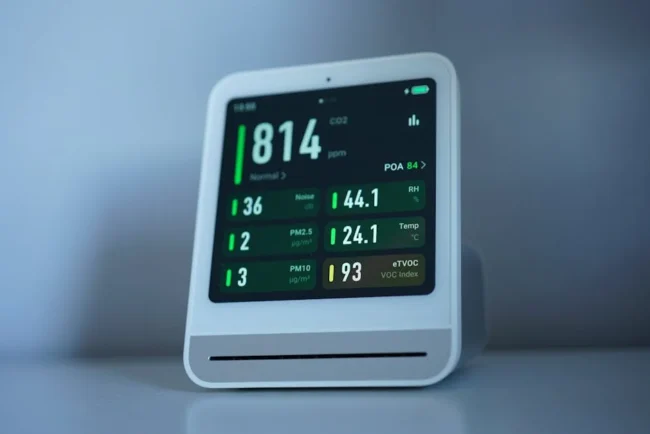
In this comprehensive guide, we will explore what indoor air quality truly means. We will identify common pollutants and their sources. We will also cover their significant health effects. Most importantly, we will share effective, actionable strategies to improve the air in our indoor spaces. Our goal is to help you create healthier and more comfortable environments for everyone.
Indoor air quality (IAQ) refers to the air quality within and around buildings and structures, particularly as it pertains to the health and comfort of their occupants. It’s a critical component of overall environmental health, often overlooked despite its profound implications. We, as humans, spend an astonishing amount of our lives indoors – typically around 90% of our time. This extensive indoor exposure means that the quality of the air within our homes, offices, and schools directly influences our health and productivity.
The stark reality is that indoor air can be significantly more polluted than outdoor air. While we often associate air pollution with industrial emissions or traffic, the concentrations of certain pollutants can be 2 to 5 times higher indoors, and in extreme cases, even up to 100 times more concentrated. This phenomenon is largely due to the continuous release of contaminants from indoor sources combined with inadequate ventilation, trapping pollutants within our living spaces.
The global impact of poor IAQ is staggering. The World Health Organization (WHO) estimates that indoor air pollution, particularly from cooking with solid fuels, is responsible for 3.8 million premature deaths annually worldwide. This figure underscores a critical public health crisis, especially in developing nations where traditional cooking methods are prevalent. Furthermore, the Global Burden of Disease study in 2017 attributed 1.6 million deaths specifically to indoor air pollution, emphasizing the widespread nature of this issue. By 2019, poor indoor air quality had resulted in the loss of an estimated 86 million healthy life years, highlighting not just mortality but also the significant burden of illness and disability it imposes on populations globally.
As we move through April 2026, the trends in environmental health continue to emphasize the importance of understanding and addressing IAQ. Energy-efficient building practices, while beneficial for reducing energy consumption, can inadvertently lead to reduced air exchange rates, trapping pollutants indoors. This makes proactive management of indoor air quality crucial for the well-being of building occupants everywhere.
Identifying Common Pollutants and Health Risks

The air we breathe indoors is a complex mixture, often containing a variety of pollutants that can originate from numerous sources within our immediate environment. Understanding these common indoor air contaminants is the first step toward mitigating their risks and improving our living and working spaces.
Pollutant Type Common Sources Health Impacts Volatile Organic Compounds (VOCs) Paints, varnishes, cleaning supplies, furniture, carpets, adhesives, air fresheners, personal care products Eye, nose, and throat irritation; headaches, dizziness, nausea; liver, kidney, and central nervous system damage; some are suspected carcinogens. Radon Natural breakdown of uranium in soil, rock, and water; enters through cracks in foundations Leading cause of lung cancer among non-smokers; responsible for 3-14% of lung cancer cases globally. Asbestos Older building materials (insulation, floor tiles, roofing, pipe wraps) Asbestosis, mesothelioma, lung cancer. Mold Moisture-damaged materials (walls, ceilings, carpets, fabrics); high humidity Allergic reactions (sneezing, runny nose, red eyes, skin rash), asthma attacks, respiratory problems, headaches. Particulate Matter (PM2.5) Cooking (frying, grilling), burning candles/incense, fireplaces, smoking, outdoor pollution infiltration, dust Respiratory irritation, asthma exacerbation, heart disease, lung disease, premature death. Carbon Monoxide (CO) Unvented kerosene/gas heaters, wood stoves, gas ranges, furnaces, vehicle exhaust from attached garages Headaches, dizziness, nausea, confusion; can be fatal at high concentrations. Nitrogen Dioxide (NO2) Gas stoves, unvented kerosene/gas heaters, tobacco smoke Respiratory irritation, increased susceptibility to respiratory infections, asthma exacerbation. Secondhand Smoke Burning tobacco products Respiratory infections, asthma, lung cancer, heart disease, SIDS in infants. Volatile Organic Compounds (VOCs) are gases emitted from certain solids or liquids. Thousands of products in our homes, from paints and cleaning supplies to furniture and building materials, can off-gas VOCs. These compounds are often present at higher concentrations indoors than outdoors. Exposure can lead to immediate symptoms like eye and respiratory tract irritation, headaches, and dizziness, and long-term exposure is linked to more severe health issues, including liver, kidney, and central nervous system damage, with some VOCs being suspected carcinogens.
Radon is a naturally occurring radioactive gas that is invisible, odorless, and tasteless. It originates from the natural decay of uranium in soil, rock, and water and can seep into homes through cracks in foundations and other openings. Radon is a serious health threat, recognized as the leading cause of lung cancer among non-smokers. Globally, it contributes to 3–14% of lung cancer cases, leading to tens of thousands of deaths annually.
Asbestos is a fibrous mineral once widely used in building materials for its heat resistance and insulating properties. While its use is now heavily regulated, it remains in many older buildings. When asbestos-containing materials are disturbed, they release microscopic fibers into the air, which, if inhaled, can lead to severe lung diseases, including asbestosis, mesothelioma, and lung cancer, often many years after exposure.
Mold thrives in damp, humid conditions and can grow on various surfaces, including walls, ceilings, carpets, and fabrics. It releases spores into the air, which can trigger allergic reactions, asthma attacks, and other respiratory problems in sensitive individuals. Prolonged exposure to mold can also cause headaches and general discomfort.
Particulate Matter (PM2.5) refers to fine inhalable particles, with diameters generally 2.5 micrometers and smaller. These tiny particles can come from indoor activities like cooking (especially frying or grilling), burning candles or incense, using fireplaces, and smoking. Outdoor particulate pollution can also infiltrate indoor spaces. PM2.5 is particularly dangerous because its small size allows it to penetrate deep into the lungs and even enter the bloodstream, contributing to respiratory irritation, asthma exacerbations, heart disease, and increased risk of premature death. A 2017 study even found indoor airborne microfiber concentrations, with about a third being microplastics, indicating another source of particulate exposure.
Carbon Monoxide (CO) is an odorless, colorless gas produced by the incomplete combustion of fuels. Faulty or unvented fuel-burning appliances such as gas heaters, furnaces, wood stoves, and gas ranges are common indoor sources. CO poisoning can cause headaches, dizziness, nausea, and confusion, and at high levels, it can be fatal.
Nitrogen Dioxide (NO2) is another byproduct of combustion, primarily from unvented gas stoves and heaters, and tobacco smoke. Like CO, it can cause respiratory irritation and increase susceptibility to respiratory infections, particularly in children.
Secondhand Smoke, the smoke inhaled by non-smokers from burning tobacco products, is a well-known indoor air pollutant. It contains thousands of chemicals, many of which are toxic or carcinogenic, leading to a range of health issues from respiratory infections and asthma to lung cancer and heart disease. The lingering residue, known as thirdhand smoke, also poses risks.
Beyond individual pollutants, the concept of Sick Building Syndrome (SBS) describes situations where building occupants experience acute health and comfort effects that appear to be linked to time spent in a building, but no specific illness or cause can be identified. Symptoms often include headaches, dizziness, nausea, eye, nose, or throat irritation, and fatigue.
The health effects of poor IAQ are diverse and can range from immediate, acute symptoms to severe, chronic conditions. Immediate effects often mimic common colds or allergies, such as irritation of the eyes, nose, and throat, headaches, dizziness, and fatigue. These symptoms often subside when individuals leave the polluted environment. However, long-term exposure to indoor air pollutants can lead to much more serious health consequences, including debilitating respiratory diseases like asthma and chronic obstructive pulmonary disease (COPD), cardiovascular issues, and various types of cancer, particularly lung cancer.
Vulnerable populations are disproportionately affected by poor IAQ. Children, whose respiratory systems are still developing and who have higher breathing rates, are especially susceptible. The elderly, individuals with pre-existing respiratory conditions like asthma or allergies, and those with compromised immune systems also face elevated risks. Protecting these groups requires a focused effort on improving indoor air quality in all environments they frequent.
Environmental Factors: Combustion, Wildfires, and Climate Change

The quality of our indoor air is not solely determined by what happens within our walls; it is increasingly influenced by broader environmental factors, including indoor combustion, distant wildfires, and the overarching effects of climate change. These elements introduce a dynamic and often unpredictable dimension to IAQ management.
Indoor Combustion remains one of the most significant contributors to indoor air pollution globally. This encompasses a range of activities, from cooking and heating to the use of candles and incense. In many parts of the world, particularly in low-income settings, billions of people—around 3 billion—still rely on open fires or rudimentary cookstoves fueled by biomass (wood, animal dung, crop waste) for daily cooking and heating. This practice generates high levels of harmful particulate matter, carbon monoxide, and other pollutants. The WHO estimates that 3.2 million people die prematurely each year from illnesses attributed to indoor air pollution caused by household cooking. Even in developed nations, gas stoves, fireplaces, and unvented heaters can produce significant levels of nitrogen dioxide, carbon monoxide, and fine particulate matter if not properly maintained or vented. For those seeking to ensure efficient and clean operation of their home’s heating systems, considering Rapid 24/7 comfort solutions can be a proactive step towards mitigating combustion-related indoor air pollution.
The increasing frequency and intensity of wildfires, exacerbated by climate change, present a growing threat to indoor air quality, even for communities far from the blaze. Wildfire smoke contains extremely fine particulate matter (PM2.5) and hazardous gases that can travel hundreds or thousands of miles. This smoke can easily infiltrate homes through windows, doors, and ventilation systems, significantly elevating indoor pollutant levels. During wildfire events, the focus shifts to emergency preparedness, including sealing homes, using high-efficiency air filters, and running air purifiers to create clean air shelters indoors.
Climate change itself plays a multifaceted role in worsening IAQ. Rising global temperatures contribute to more frequent and intense heatwaves, leading to increased demand for air conditioning. While AC systems can filter air, they can also become sources of mold and bacteria if not properly maintained, especially in humid conditions. Furthermore, higher temperatures and humidity can increase the off-gassing rates of certain chemicals from building materials and products, such as VOCs. Changes in weather patterns, including more extreme rainfall, can also lead to increased instances of water damage and subsequent mold growth in buildings.
The drive for greater energy efficiency in modern construction, while laudable, often results in “tighter” homes with reduced air exchange rates. Without adequate mechanical ventilation, these homes can trap indoor-generated pollutants, leading to higher concentrations. This reduced infiltration of outdoor air, combined with increased indoor humidity in warmer climates, creates an ideal environment for mold and other biological contaminants to thrive. The overall impact of these environmental factors underscores the need for comprehensive IAQ strategies that consider both internal and external influences on the air we breathe.
Proven Methods for Improving Indoor Air Quality
Improving indoor air quality is a multi-faceted endeavor that requires a strategic approach. While the challenges posed by various pollutants and environmental factors are significant, there are proven methods and technologies that can effectively mitigate risks and create healthier indoor environments. The core strategies revolve around source control, enhanced ventilation (dilution), and effective filtration. These approaches are often guided by standards and recommendations from organizations like the U.S. Environmental Protection Agency (EPA), the World Health Organization (WHO), the American Conference of Governmental Industrial Hygienists (ACGIH), and the National Institute for Occupational Safety and Health (NIOSH).
The foundation of any IAQ improvement plan is source control. This involves identifying and eliminating or reducing the sources of pollution. For instance, choosing low-VOC paints and furnishings, opting for non-toxic cleaning products, and ensuring proper ventilation for combustion appliances are all examples of source control. Regular maintenance protocols for appliances and building systems also fall under this category, preventing issues before they arise.
Source Control and Ventilation for Better Indoor Air Quality
Effective source control is arguably the most impactful strategy for improving indoor air quality. If a pollutant isn’t introduced into the indoor environment, it can’t harm us. This means being mindful of the products we bring into our homes and how we use them. For example, selecting building materials and consumer products that are certified as low-VOC can significantly reduce chemical off-gassing. Similarly, ensuring that gas stoves, furnaces, and water heaters are properly installed, maintained, and vented to the outside prevents the buildup of dangerous combustion byproducts like carbon monoxide and nitrogen dioxide. Eliminating indoor smoking is another crucial source control measure, as it removes a major source of particulate matter and numerous toxic chemicals.
Ventilation plays a critical role in diluting indoor pollutants and bringing in fresh outdoor air. There are several ways to achieve good ventilation:
- Natural Ventilation: This involves opening windows and doors to allow fresh air to enter and stale air to exit. It’s most effective when outdoor air quality is good, and temperatures are moderate. Creating cross-breezes by opening windows on opposite sides of a building can significantly enhance air exchange.
- Mechanical Ventilation: This uses fans and ducts to actively bring in outdoor air and exhaust indoor air. HVAC systems often include ventilation modes, and dedicated exhaust fans in kitchens and bathrooms are essential for removing moisture, odors, and cooking fumes directly at the source.
- Humidity Control: Managing indoor humidity is vital for preventing mold growth. Exhaust fans in bathrooms and kitchens, along with dehumidifiers in damp areas like basements, can keep relative humidity below 60%, which is typically recommended to inhibit mold.
While houseplants are often touted as natural air purifiers, research suggests their impact on overall indoor air quality is often limited compared to robust ventilation systems. They may offer aesthetic benefits, but relying on them for significant pollutant removal is generally not effective, and overwatering can even contribute to mold growth.
Here is a list of ventilation best practices:
- Regularly open windows and doors when outdoor air quality is good.
- Use exhaust fans in kitchens and bathrooms during and after activities that generate moisture or pollutants.
- Ensure clothes dryers are vented to the outside.
- Maintain and clean HVAC systems, including air ducts, to ensure efficient air circulation and proper ventilation.
- Consider installing a balanced ventilation system, such as an Energy Recovery Ventilator (ERV) or Heat Recovery Ventilator (HRV), especially in energy-efficient or “tight” homes, to bring in fresh air without excessive energy loss.
Advanced Filtration and Monitoring for Indoor Air Quality
Beyond source control and ventilation, filtration is a crucial line of defense against airborne pollutants. HVAC systems are typically equipped with air filters, and upgrading to higher-efficiency filters can make a significant difference.
- HEPA Filters: High-Efficiency Particulate Air (HEPA) filters are considered the gold standard for removing airborne particles. They can capture 99.97% of particles 0.3 microns in size, including dust, pollen, mold spores, and pet dander. HVAC systems can often accommodate HEPA-grade or high-MERV (Minimum Efficiency Reporting Value) filters, with MERV ratings typically ranging from 17-21 for true HEPA performance.
- Air Purifiers: Standalone air purifiers, especially those with HEPA filters, can effectively clean the air in specific rooms. Many models also incorporate activated carbon filters to absorb gases and odors, ionizers to aggregate particles for easier filtration, and UV lights to kill airborne bacteria and viruses.
- UV Lights: When integrated into HVAC systems or air purifiers, UV-C lights can sterilize coils and destroy airborne microorganisms, preventing their circulation throughout the home.
Monitoring indoor air quality is becoming increasingly accessible and important.
- Real-time Sensors: A variety of consumer-grade and professional real-time sensors are available to measure levels of common pollutants like PM2.5, VOCs, CO2, and even formaldehyde. These devices can provide immediate feedback, allowing individuals to take prompt action if pollutant levels rise.
- DIY Test Kits: For specific concerns like radon, DIY test kits are widely available and can provide accurate results, prompting professional mitigation if needed.
- Professional Assessment: For complex IAQ issues or when symptoms persist, a professional IAQ assessment can identify hidden problems and recommend tailored solutions.
Integrating smart home technologies with IAQ monitoring and control systems can offer a seamless way to manage indoor environments. These systems can automatically adjust ventilation, filtration, or humidity levels based on real-time sensor data, ensuring optimal air quality with minimal manual intervention. For those looking to understand how to achieve Better breathing indoor air quality, exploring advanced filtration and monitoring options is a vital step.
Frequently Asked Questions about IAQ
How much more polluted is indoor air compared to outdoor air?
Indoor air can be significantly more polluted than outdoor air. Research consistently shows that concentrations of certain pollutants can be 2 to 5 times higher indoors. In more extreme cases, particularly in homes with specific pollutant sources or very poor ventilation, indoor air pollution levels can be up to 100 times greater than outdoor levels. This elevated concentration is a major concern given the vast amount of time we spend inside.
Do houseplants effectively remove indoor air pollutants?
While popular belief suggests houseplants are excellent natural air purifiers, scientific research indicates their effectiveness in removing common indoor air pollutants is quite limited. While some studies in controlled laboratory settings have shown certain plants can absorb small amounts of VOCs, the sheer number of plants required to make a measurable difference in a typical home or office environment is impractical. Furthermore, overwatering houseplants can inadvertently contribute to mold growth, which then becomes an indoor air pollutant itself. Effective ventilation and filtration systems are far more impactful for improving IAQ.
What is the primary cause of lung cancer among non-smokers?
Radon is unequivocally identified as the primary cause of lung cancer among non-smokers. This naturally occurring radioactive gas seeps into homes from the ground and is invisible, odorless, and tasteless, making it undetectable without specific testing. The EPA estimates that radon is responsible for approximately 21,000 lung cancer deaths in the U.S. each year, with about 2,900 of these occurring among people who have never smoked. Testing your home for radon and taking mitigation steps if levels are high is crucial for protecting lung health.
Conclusion
The journey to understanding and improving indoor air quality is a vital one for our collective health and well-being. As we navigate through April 2026, the data and insights continue to underscore the critical importance of the air we breathe within our homes, workplaces, and schools. We’ve seen that indoor environments, where we spend the vast majority of our lives, can harbor pollutant concentrations far exceeding those found outdoors, leading to a spectrum of health issues from minor irritations to life-threatening diseases.
By recognizing the common culprits—from VOCs and radon to mold and particulate matter—and understanding their sources, we empower ourselves to take meaningful action. The interplay of indoor combustion, the increasing threat of wildfires, and the broader implications of climate change further highlight the dynamic nature of IAQ challenges, demanding both individual and community-level responses.
Fortunately, the strategies for creating healthier indoor environments are well-defined and effective. Through diligent source control, ensuring adequate ventilation, and employing advanced filtration technologies, we can significantly reduce our exposure to harmful pollutants. Proactive monitoring, whether through DIY kits or professional assessments, provides the necessary insights to tailor interventions and maintain optimal conditions.
Prioritizing indoor air quality is an investment in long-term wellness, comfort, and productivity. It’s about fostering sustainable living practices that protect not only our immediate health but also contribute to a healthier planet. By embracing strategic intervention and continuous improvement, we can ensure that our indoor spaces are sanctuaries of clean, fresh air, promoting a better quality of life for everyone.
©2026 The Dedicated House. All rights reserved. No part of this blog post may be used or reproduced without the written consent of the copyright owner.
Click the links below for any posts you have missed:
 Family-Owned HVAC Excellence in North Florida
 The Transformative Power of STEAM Education in Early Childhood Development
 Safe and Efficient Electrical Installation Practices for Modern Homes
 What Southern Renters Actually Look for in an Apartment Today (It’s Not Just Price)
 How to Set Up Your Home Efficiently After a Long-Distance Move
 Declutter, Pack, and Settle In: A Stress-Free Guide to Moving Into Your New Home
I’d love for you to join my email list! You’ll receive a notification straight to your inbox which will include links to my latest home project posts! Simply enter your address below.
Thanks for stopping by! Have a wonderful day/night depending on where you are in the world! Go with God and remember to be kind to one another!
Toodles,

Leave a Reply