Drought used to sound like a bad season. A town would ask residents to water less, wait for rain, and hope reservoirs recovered before the next summer. That pattern feels less reliable now. Dry periods last longer. Heat pushes demand higher. Repairs seem to happen at the worst possible week.
That is why water storage is starting to look like local climate infrastructure. It is not only a utility asset behind a fence. For drought-prone towns, a well-planned potable water tank can help keep drinking water available during dry spells, outages, repairs, and sudden demand spikes.
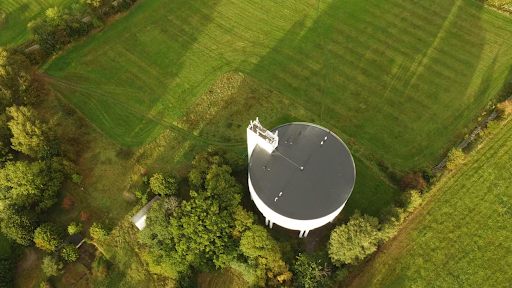
Water Storage Is Becoming Climate Infrastructure
Climate infrastructure often brings to mind flood walls, wildfire plans, or grid upgrades. In smaller towns, though, a storage tank can be just as practical. It helps the community carry usable water through the gap between supply and demand.
That gap can appear quickly. A well slows down. A treatment plant needs maintenance. A hot weekend brings heavy outdoor use. A fire call pulls water while the system is already under restriction. Storage gives operators time to respond instead of jumping straight into emergency mode.
For towns with limited budgets, the best storage plan is not the biggest one on paper. It is the one that fits risk and growth.
Why Drought Exposes Weak Local Systems
Drought rarely creates every weakness by itself. More often, it reveals weak points that were already there. Low rainfall reduces supply, while heat raises demand. Older mains may leak treated water before it reaches customers. New homes, seasonal visitors, farms, or local industry can push peak use above what the system was built to handle.
Small towns often feel this sooner than large cities. They may depend on a few wells, one treatment plant, or storage sized for normal days. When conditions shift, there is less backup.
Common trouble spots include:
- wells that produce less during long dry periods
- reservoirs that drop faster during heat waves
- older mains with leak losses
- pump stations with limited backup power
- treatment plants close to capacity
- tanks sized for daily use, not drought response
The real danger is not always running out of water. Sometimes it loses flexibility. Once storage is thin, every repair becomes urgent. Every demand spike feels bigger. Every restriction feels sharper. A town with more usable reserves can make calmer choices. A town with no buffer has to react.
The Role of Storage in Emergency Planning
Stored potable water supports more than showers, taps, and daily household use. During a dry spell or interruption, it becomes part of the emergency plan. That is especially true when drought overlaps with fire risk, power outages, or treatment problems.
Water has to be available for ordinary life, but also for places that cannot simply pause. Schools need sanitation and food service. Clinics need hygiene and basic operations. Shelters need safe water when residents are displaced. Firefighters need dependable reserves when dry conditions make response more urgent.
During drought or supply stress, stored water can help cover:
- drinking water for households
- sanitation for schools and public buildings
- fire protection reserves
- water access for clinics and shelters
- limited continuity for essential local services
This does not mean towns can avoid restrictions. It means restrictions can be managed with more control, and residents are less likely to face service disruptions.
How Towns Can Plan Smarter Capacity
Drought-proofing is not just adding storage wherever land is available. Capacity has to match how the town uses water, where growth is happening, and which neighborhoods or facilities are hardest to serve during stress.
A good planning process starts with demand forecasting. Historic averages are useful, but they are not enough. Towns need to study peak summer use, dry-year demand, fire flow needs, population growth, and repair scenarios. The question is simple: what happens when several problems arrive in the same week?
Several planning details deserve attention:
- Demand forecasting: model peak use, dry-year conditions, and future growth instead of relying only on old averages.
- Modular storage: expandable capacity can help towns add reserve over time instead of overbuilding too early.
- Maintenance access: tanks, valves, pumps, and inspection points need to be reachable during busy or emergency periods.
- Water quality controls: stored potable water has to be circulated, monitored, disinfected, and protected.
- Strategic placement: storage near growing or pressure-sensitive areas can improve response.
- Emergency coordination: utilities, fire departments, schools, and local officials should understand how reserves will be used.
Some details sound small until they are missed. A tank that is hard to inspect can drift into deferred maintenance. Storage that is poorly placed may not help pressure where the town needs it most.
A Resilient Future Starts with Local Investment
Drought-proofing is not only about finding more water. In many towns, it is also about storing and protecting the water already available. That includes keeping reserves safe, managing pressure, reducing leaks, and knowing which users need support first when supply gets tight.
Storage is not always visible to residents. Most people notice it only when something fails, when pressure drops, or when restrictions arrive. But quiet infrastructure is often what keeps a dry season from turning into a public crisis.
Before approving new capacity, towns should ask better questions:
- Is the current storage sized for drought, not just normal use?
- Can critical facilities stay supplied during an interruption?
- Are tanks easy to inspect, clean, and maintain?
- Does storage placement support growth and fire response?
- Is water quality protected while reserves sit in place?
Communities that ask these questions early have more options later. They can use restrictions carefully, protect essential services, and give operators room to manage repairs or demand spikes without panic.
A hotter, less predictable climate will keep testing local water systems. Towns that treat storage as climate infrastructure will be better prepared to adapt. Safe water stays available. Fire reserves are less fragile. Schools, clinics, and households have more stability. That is what drought-proofing should mean at the local level.
©2026 The Dedicated House. All rights reserved. No part of this blog post may be used or reproduced without the written consent of the copyright owner.
Click the links below for any posts you have missed:
 Optimizing Outdoor Living and Indoor Comfort
 How Seasonal Changes Impact Your Home’s Air Conditioning System
 Picture-Perfect Listings: The ROI of Real Estate Visual Strategy
 How Growing Minds Begin at Home
 A Coast-to-Coast Look at America’s Breakfast Identity
 Upgrading to Energy-Efficient Windows: A Comprehensive Guide for Homeowners
I’d love for you to join my email list! You’ll receive a notification straight to your inbox which will include links to my latest home project posts! Simply enter your address below.
Thanks for stopping by! Have a wonderful day/night depending on where you are in the world! Go with God and remember to be kind to one another!
Toodles,

Leave a Reply