Hidden leaks can be especially frustrating because the first clue is often small: a higher bill, a faint musty smell, or a cabinet floor that feels slightly damp. For homeowners who need water leak detection in St George UT, knowing what to watch for can make it easier to respond before a slow leak damages finished surfaces or spreads into neighboring areas.
In St. George, outdoor watering, pools, and seasonal changes in household water use can make it harder to tell whether a bill increase is normal. That is why it helps to look beyond the bill itself. A leak can occur behind drywall, beneath flooring, inside a vanity, under a concrete slab, or along a buried outdoor line, often without producing an obvious puddle.
Why Hidden Leaks Deserve Quick Attention
Water does not always travel straight down from the damaged pipe. It can follow framing, pipes, insulation, or the underside of flooring before becoming visible somewhere else. A ceiling stain below an upstairs bathroom, for example, may come from a toilet seal, shower drain, supply line, or tub overflow rather than the exact point directly above the stain.
Even a modest leak can affect drywall, baseboards, flooring, cabinets, and insulation over time. Moisture may also cause paint to bubble, wood trim to swell, and flooring materials to lose their shape. Addressing a persistent damp area early is generally less disruptive than waiting for visible damage to expand.
Early Warning Signs to Watch For
Unexplained Changes in Water Use
A higher water bill does not prove there is a leak, since guests, irrigation schedules, and appliance use also change consumption. Still, a bill that rises without a clear explanation deserves attention. Compare the same season from year to year when possible, especially if outdoor watering has changed.
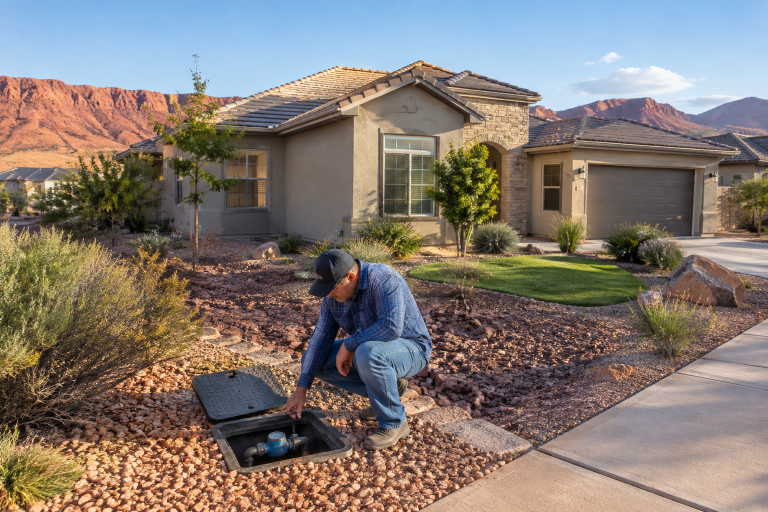
If a home uses a well, a pump that cycles when no fixtures are running may also signal a problem. For city water customers, a meter that continues moving while every fixture and water-using appliance is off is another important clue.
Sounds, Odors, and Surface Changes
During a quiet time, listen near bathrooms, kitchens, laundry rooms, and utility spaces for hissing, dripping, trickling, or the sound of water moving through a wall. A running toilet can be easier to hear than a pipe leak, but both can contribute to wasted water.
Also watch for bubbling paint, peeling wallpaper, swollen baseboards, soft flooring, warped boards, darkened grout, or a cabinet bottom that keeps getting damp. A musty smell can indicate trapped moisture even when no water is visible. Air fresheners may cover the odor temporarily, but they do not resolve its cause.
How to Perform a Safe Water Meter Test
A meter test is a useful first step because it does not require opening a wall or pulling up flooring. The home maintenance guidance from the EPA also recommends checking a meter during a period when no water is being used.
- Turn off faucets, showers, washing machines, dishwashers, ice makers, and irrigation systems.
- Make sure toilets are not refilling after a flush.
- Record the meter reading or take a clear photo of it.
- Avoid using water for at least 30 minutes. A longer test period can be useful when practical.
- Check the meter again for movement or a changed reading.
- Repeat the test if an automatic appliance or irrigation controller may have run during the first attempt.
Meter movement means water is flowing somewhere, but it does not identify the source. Check obvious fixtures first, then consider concealed plumbing or outdoor lines if the meter continues to change.
Common Places Where Leaks Begin
- Toilet flappers, fill valves, tank seals, and supply connections.
- Kitchen and bathroom sink drains, shutoff valves, and supply hoses.
- Shower valves, tub drains, overflow assemblies, and failed caulk around wet areas.
- Water heater connections, corrosion around fittings, and pressure-relief discharge piping.
- Washing machine hoses, dishwasher connections, and refrigerator ice maker lines.
- Outdoor faucets, irrigation valves, drip lines, and buried service lines.
- Pipes concealed behind finished walls, below floors, or under slabs.
Simple Checks Homeowners Can Do
Test Toilets for Silent Leaks
Add a few drops of food coloring to the toilet tank, then wait 10 to 15 minutes without flushing. If color appears in the bowl, water may be passing through a worn flapper or another tank component. Flush afterward so the dye does not sit in the tank.
Inspect Visible Connections
Use a flashlight under sinks and behind accessible appliances. Look for mineral buildup, rust, dampness, puddling, loose fittings, or discoloration around pipes. Run water briefly while watching exposed drain connections. Avoid removing wall panels or flooring based only on a guess, since hidden electrical wiring and plumbing may be present.
Check Outdoor Areas Carefully
Look for soft soil, standing water, erosion, or a patch of vegetation that stays unusually green compared with nearby areas. Before assuming there is an underground leak, consider recent rain and irrigation timing. Do not dig near buried utilities without obtaining appropriate location information.
When a Leak Becomes an Emergency
Act quickly when water is spreading rapidly, a ceiling is bulging or sagging, water is near outlets or electrical equipment, sewage is entering the home, or a supply line is releasing a steady stream. If it is safe to do so, close the nearest shutoff valve or turn off the main water supply. Keep clear of wet electrical equipment, move valuables away from the area, and document visible damage with photos.
Why Mold Prevention Starts with Leak Control
Mold can grow where moisture remains on materials such as drywall, wood, insulation, carpet, and fabric. The CDC advises homeowners to fix plumbing leaks and dry wet materials quickly, rather than focusing only on the visible stain or odor. Never mix bleach with ammonia or other cleaners, and seek qualified help when moisture or mold is extensive, hidden, or difficult to access safely.
Tools Used for Difficult Leak Detection
When the source is not visible, professionals may use moisture meters, acoustic listening equipment, thermal imaging, pressure testing, camera inspections, or flow-monitoring devices. The best method depends on the type of pipe, the building layout, and whether the suspected leak is in a pressurized supply line, a drain, or an outdoor system. These tools can help narrow the search before unnecessary demolition begins.
How to Reduce the Risk of Future Leaks
- Review monthly water use and investigate unexplained increases.
- Inspect sink cabinets, toilet connections, and appliance hoses several times each year.
- Test toilets periodically for silent leaks.
- Check irrigation zones and outdoor faucets at the start of each watering season.
- Consider moisture sensors near water heaters, washing machines, and under-sink cabinets.
- Learn where the main water shutoff is located and make sure household members can identify it.
Final Thoughts
A recurring damp spot, moving meter, unexplained water use, or musty odor is worth investigating. Safe checks can rule out simple causes, while fast action during a major leak can help protect a St. George home from more extensive water damage. When the source remains hidden, a focused inspection can provide a clearer path to repair.
©2026 The Dedicated House. All rights reserved. No part of this blog post may be used or reproduced without the written consent of the copyright owner.
Click the links below for any posts you have missed:
 A Practical Guide to Tax Installments for Canadian Business Owners
 What Does Professional Gutter Cleaning Include? A Homeowner’s Walkthrough
 How Can You Help a Dog in Pain at Home? A Practical Guide for Pet Owners
 Decorating for the Seasons: How to Refresh Your Home Without Replacing Everything
 How to Choose Paintings for Your Living Room
 Practical Ways to Manage Fine Dust and Debris After Major Home Additions
I’d love for you to join my email list! You’ll receive a notification straight to your inbox which will include links to my latest home project posts! Simply enter your address below.
Thanks for stopping by! Have a wonderful day/night depending on where you are in the world! Go with God and remember to be kind to one another!
Toodles,

Leave a Reply