You probably aren’t going to see your plumbing system day-to-day, but there are a few signs that it’s in good or bad repair.
In Michigan, even small leaks or clogs can grow into very costly problems quickly, so it’s in your best interest to recognize these signs. Then, you can call a plumbing professional as soon as you see them.
 Residential plumbing fixtures
Warning Signs
If you’ve got a leak, for instance, your home may be showing signs of structural water damage. Here are a few of the subtle indications of leaks, something the EPA walks through at www.epa.gov/watersense, and other problems that should prompt a service call:
- Dripping under sinks or toilets, or moisture or softness where pipes join at seams
- Recurring clogs and a toilet that won’t stop running
- Slow or spotty water pressure or gurgling from drains or toilets when other fixtures are in use
- Discolored water from taps, unexplained stains on walls or ceilings, a musty smell or bubbling paint in an area that was dry before
- Sudden dampness or softness around cabinets, toilets, bathtubs, sinks or the water heater
When water leaks from a pipe, it flows along studs and framing, behind walls, and along the ground where it’s hard to spot. A minor leak can mean extensive structural repair in wood or drywall, so act quickly. If you see several of these problems at once, it could be a bigger issue, too.
A toilet that runs constantly or drains slowly, or drains that back up when the toilet flushes, might be caused by a worn-out part. But when you have a recurring clog in the same fixture, or two or more of these problems at once, there may be a bigger problem.
The source of a backup can be a damaged pipe, a line that isn’t sloped to drain properly, debris or minerals or another issue that a plumber can identify for you. Grease, soap and hair residue cause most drain clogs; other drains can back up when tree roots or ground materials intrude into your sewer line.
Drain Blockages
A plunger or hand-operated drain snake is fine to remove clogs that form near drains or other fixtures. However, you probably wouldn’t see a blockage that’s farther down a line or find the cause of a recurring problem with a simple tool.
Chemical cleaners can damage your drains, and you shouldn’t let them linger in a pipe where children or pets might access them later.
A plumbing technician in Tri-Cities Michigan, for example, can clear a blockage or replace a damaged part and then inspect your lines for debris, damaged or worn pipes, and other issues that might be contributing to the problem.
Water Heater Warnings
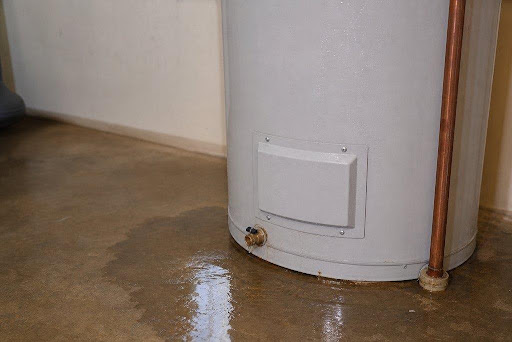 Residential water heater
If your hot water seems lukewarm or takes longer than usual to heat up, you may need to drain sediment from your water heater. But you should have a professional look into it if you also have fluctuating temperatures, a strange noise from the tank, a leak or other problems.
Any of these problems can mean a failing component, sediment build-up, or incorrect tank pressure. Water heaters are also vulnerable to problems from faulty electrical connections, failing gas or fuel valves, and corrosion.
Never remove a panel from your water heater, open or adjust any valves, or interfere with the water, fuel or electrical connections unless you’re qualified to do so. The water heater should have a clear 18 inches of space around it to allow the technician to inspect and repair it safely.
A leak in your water heater is an emergency, however. When you see water collecting under it, shut the power or gas off, call your plumber, and drain the tank if you know how to do so safely. If you’re not sure, leave the system alone and get out of the area until help arrives. A small seep from a heater can escalate into a large leak very quickly, as the tank or the joints fail.
Plumbing Emergencies
If you ever find yourself dealing with a burst or leaking pipe, overflowing toilet, or ceiling leak or stain, turn off the water in the immediate area or at the main valve and move pets and possessions out of the way. If you haven’t done it already, find your main water valve and learn how to turn it off in case of an emergency.
If you call for help when there’s a leak or clog that’s not flooding your home, you can still help out by clearing the area under sinks and around your water heater. Gather information for your plumber, too. Let them know what fixtures have backed up, when the problem started and whether it seems to be getting worse.
Tells your plumber if you had recent remodeling or repair work done on the water heater or pipes, or have new appliances added to any of your lines. That information can help your technician solve the problem more quickly the first time.
©2026 The Dedicated House. All rights reserved. No part of this blog post may be used or reproduced without the written consent of the copyright owner.
Click the links below for any posts you have missed:
 How to Transition Your Front Porch From Halloween to Thanksgiving
 The Ultimate Guide to a Clutter-Free Home
 The Future of Turnkey Property Staging and Fast Logistics
 A Season-Based Guide to Yacht Maintenance Planning
 Greater Toronto Area, Ontario Commercial Property Owner’s Checklist for Smarter Building Operations
 When Should Connecticut Homeowners Replace a Roof? A Seasonal Guide
I’d love for you to join my email list! You’ll receive a notification straight to your inbox which will include links to my latest home project posts! Simply enter your address below.
Thanks for stopping by! Have a wonderful day/night depending on where you are in the world! Go with God and remember to be kind to one another!
Toodles,

Leave a Reply