Living in Cape Coral, FL means we depend a lot on our air conditioning, especially in the long, hot summers. If your AC unit is having trouble keeping your home cool, runs all the time, or makes your electric bills too high, it might be time to think about AC replacement. An old AC system can make your home uncomfortable and cost you more money. We know how Cape Coral’s weather affects AC systems. This guide will show you what signs to look for, help you compare choices, and make smart decisions about AC replacement. This will bring comfort and savings back to your home.
For a deeper dive into overall home comfort solutions, check out our Pillar Page on Home HVAC Solutions. If you’re ready to explore your options, contact us today.
Understanding when your AC system is signaling distress is crucial, especially in a climate like Cape Coral’s. Ignoring these signs can lead to more significant problems, higher energy bills, and a complete system breakdown when you need it most. Recognizing these indicators early can help you make an informed decision about repair versus replacement.
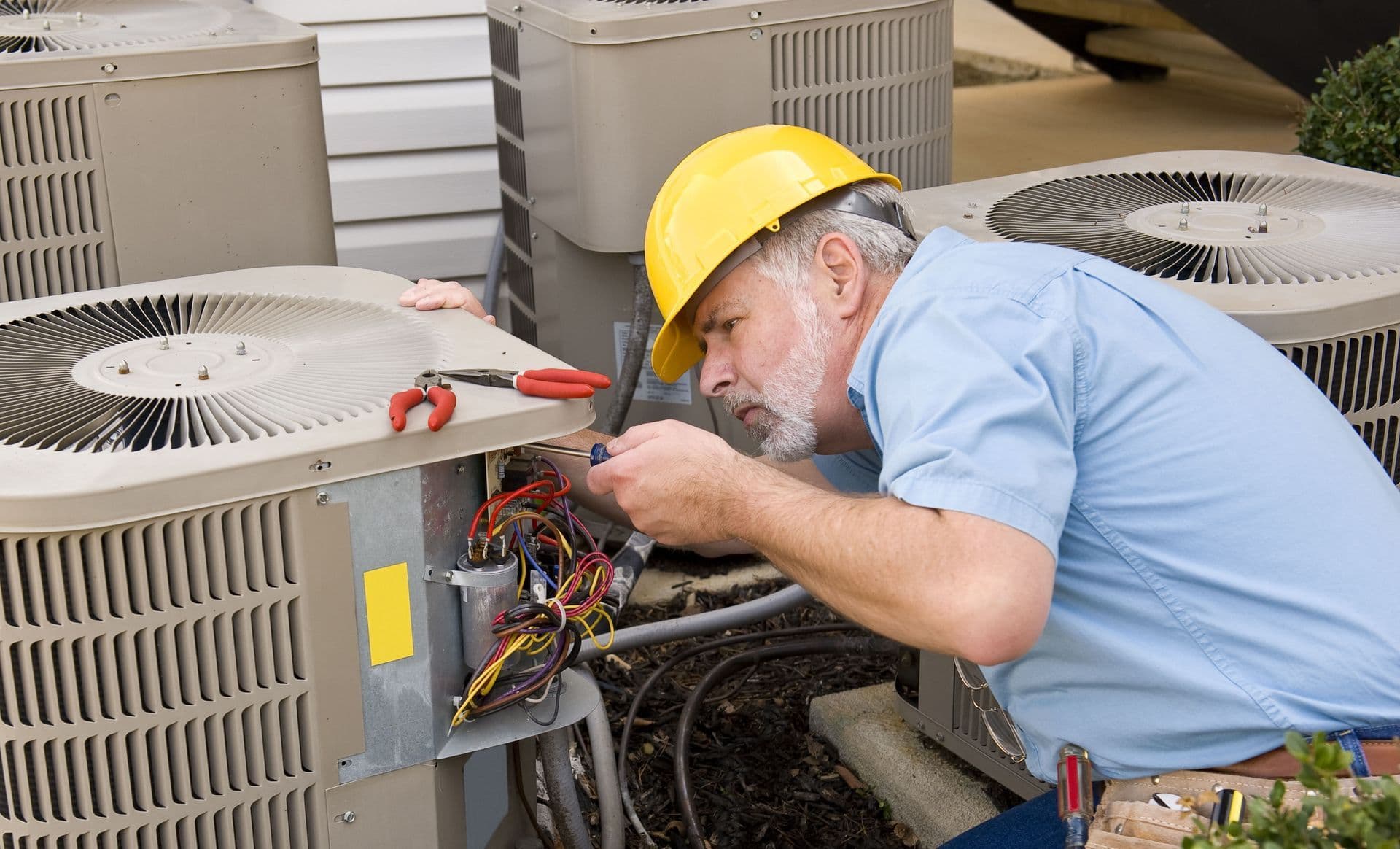
Warning Signs Requiring Immediate Plumbing and HVAC Repair
Your air conditioning system often gives clear warnings before it completely fails. Paying attention to these signals can save you from unexpected discomfort and potential damage.
One of the most concerning signs is a leaking air handler unit. While some condensation is normal, excessive water pooling around your indoor unit, or even dripping from the ceiling, indicates a serious issue. This could be due to a clogged condensate drain line, a frozen evaporator coil, or a crack in the drain pan. If left unaddressed, this can lead to water damage, mold growth, and compromise the structural integrity of your home.
Persistent leaks anywhere in the system, including refrigerant leaks, are also red flags. Refrigerant is essential for cooling, and a leak means your system is losing its ability to cool efficiently, leading to increased run times and higher energy consumption.
Unusual system noises are another common indicator of trouble. While all AC units make some noise, grinding, banging, squealing, or clanking sounds often point to mechanical failures within the compressor or fan motor. A persistent buzzing sound could indicate an electrical issue. These noises are not just annoying; they signify components under stress that could fail completely.
Have you noticed unexpected energy spikes on your utility bills without a change in usage? This is a strong sign that your AC system is working harder than it should to maintain the set temperature. Older or malfunctioning units lose efficiency over time, consuming more electricity to achieve the same cooling effect. This increased energy consumption can quickly negate any perceived savings from delaying a replacement.
Poor airflow from your vents is another clear symptom. If some rooms are colder than others, or if the air coming out feels weak, it could be due to issues with the fan, blocked ductwork, or a failing compressor. In Cape Coral’s heat, inadequate airflow means your home simply won’t get cool enough, leading to discomfort.
Finally, excessive humidity indoors, even when your AC is running, suggests your system is no longer effectively dehumidifying the air. AC units are designed to remove moisture as well as cool. If your home feels clammy or has a musty odor, your AC might be struggling to manage the high humidity levels characteristic of our coastal environment. This not only affects comfort but can also encourage mold and mildew growth. When these warning signs become frequent or severe, it’s often more cost-effective in the long run to consider a replacement rather than continuous repairs.
Evaluating System Lifespan and the $5,000 Rule
Deciding whether to repair or replace your AC unit often comes down to an economic and practical assessment. A key factor in this decision is the age of your system. The life of an air conditioner is generally around 10 to 15 years. Beyond that age, your AC could start requiring constant expensive repairs, making replacement a more sensible option.
As your system approaches or exceeds this typical 10 to 15 year lifespan, its efficiency naturally degrades. Components wear out, and newer refrigerants and technologies offer significantly better performance. When considering repairs, it’s wise to apply what professionals often refer to as the “$5,000 rule” (though the exact figure can vary based on current economic conditions and local costs, the principle remains). This rule suggests that if your system’s age in years multiplied by the repair cost equals more than a total of $5,000, you should replace it. For example, if your 12-year-old system needs a repair costing $500, then 12 * $500 = $6,000, which exceeds the $5,000 threshold, indicating replacement is likely more economical. This calculation helps homeowners evaluate the financial replacement thresholds.
Think about the cumulative repair costs. A series of small repairs can quickly add up, and these costs are often spent on an aging unit that will likely face other issues soon. Investing significant money into an old system can be like throwing good money after bad. A new system, while a larger upfront investment, offers improved unit efficiency degradation, lower operating costs, and peace of mind for years to come.
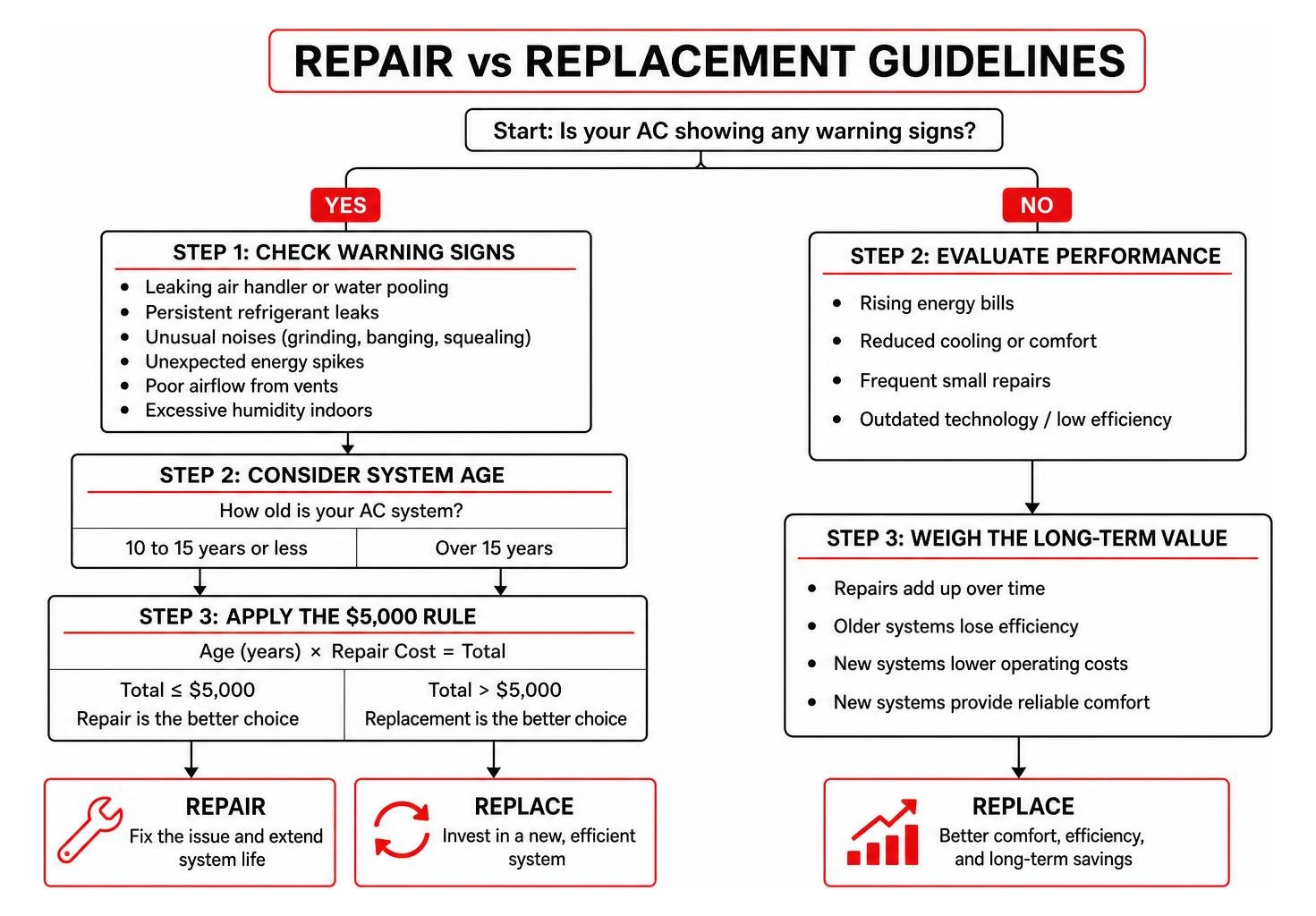
This diagnostic approach helps homeowners understand when it’s time to shift from a repair mindset to a replacement strategy, ensuring long-term comfort and cost savings.
System Selection, Climate Impact, and Performance Factors
Choosing the right AC system for your Cape Coral home requires careful consideration of our unique climate and your specific needs. The goal is not just to cool your home, but to do so efficiently and effectively, maintaining optimal comfort levels year-round.
Climate Stress and Sizing Requirements
Cape Coral’s climate is characterized by intense heat and extremely high humidity for much of the year, especially during the summer months leading up to August 2026. This environment places an immense Cape Coral climate impact and stress on air conditioning systems. Units here work harder and longer than in cooler, drier regions, which can shorten their lifespan if not properly selected and maintained.
Proper AC sizing is paramount in this climate. An undersized unit will struggle to cool your home, running constantly without reaching the desired temperature, leading to excessive wear and tear and high energy bills. Conversely, an oversized unit, while seemingly powerful, will cycle on and off too frequently. This “short cycling” prevents it from adequately removing humidity from the air, leaving your home feeling damp and clammy, and can also lead to premature component failure.
To determine the right size AC for your home, professionals perform detailed load calculations. These calculations consider various factors such as:
- The square footage of your home
- Ceiling height
- Number and type of windows (e.g., impact-resistant, low-E glass)
- Insulation levels in walls, attic, and floors
- Orientation of your home relative to the sun
- Number of occupants
- Heat-generating appliances
- Ductwork integrity
These factors influence your home’s cooling loads – the amount of heat that needs to be removed. Accurate load calculations ensure your new AC system is perfectly matched to your home’s needs, providing optimal cooling and crucial humidity control. A properly sized unit will run efficiently, maintain consistent temperatures, and effectively dehumidify the air, making your home truly comfortable.
System Types and Indoor Air Quality Benefits
When considering AC replacement in Cape Coral, you’ll encounter several primary types of systems, each with unique advantages. Understanding these options is key to making an informed decision for your home’s comfort and efficiency.
Central systems are the most common in Florida, using a network of ducts to distribute cooled air throughout your entire home from a single outdoor unit and an indoor air handler. They are excellent for whole-home cooling and can be integrated with advanced filtration systems.
Heat pumps are versatile systems that provide both heating and cooling. In cooling mode, they operate much like a central AC, extracting heat from inside your home and expelling it outdoors. In cooler months, they reverse the process, extracting heat from the outdoor air and transferring it indoors. Given Cape Coral’s mild winters, a heat pump is an energy-efficient solution for year-round comfort, eliminating the need for a separate furnace.
Ductless mini-splits offer a flexible alternative, particularly for additions, specific zones, or homes without existing ductwork. They consist of an outdoor compressor/condenser and one or more indoor air-handling units, each controlling a specific zone. This allows for individualized temperature control in different areas of your home, leading to significant energy savings by only cooling occupied spaces.
Here’s a quick comparison of these system types:
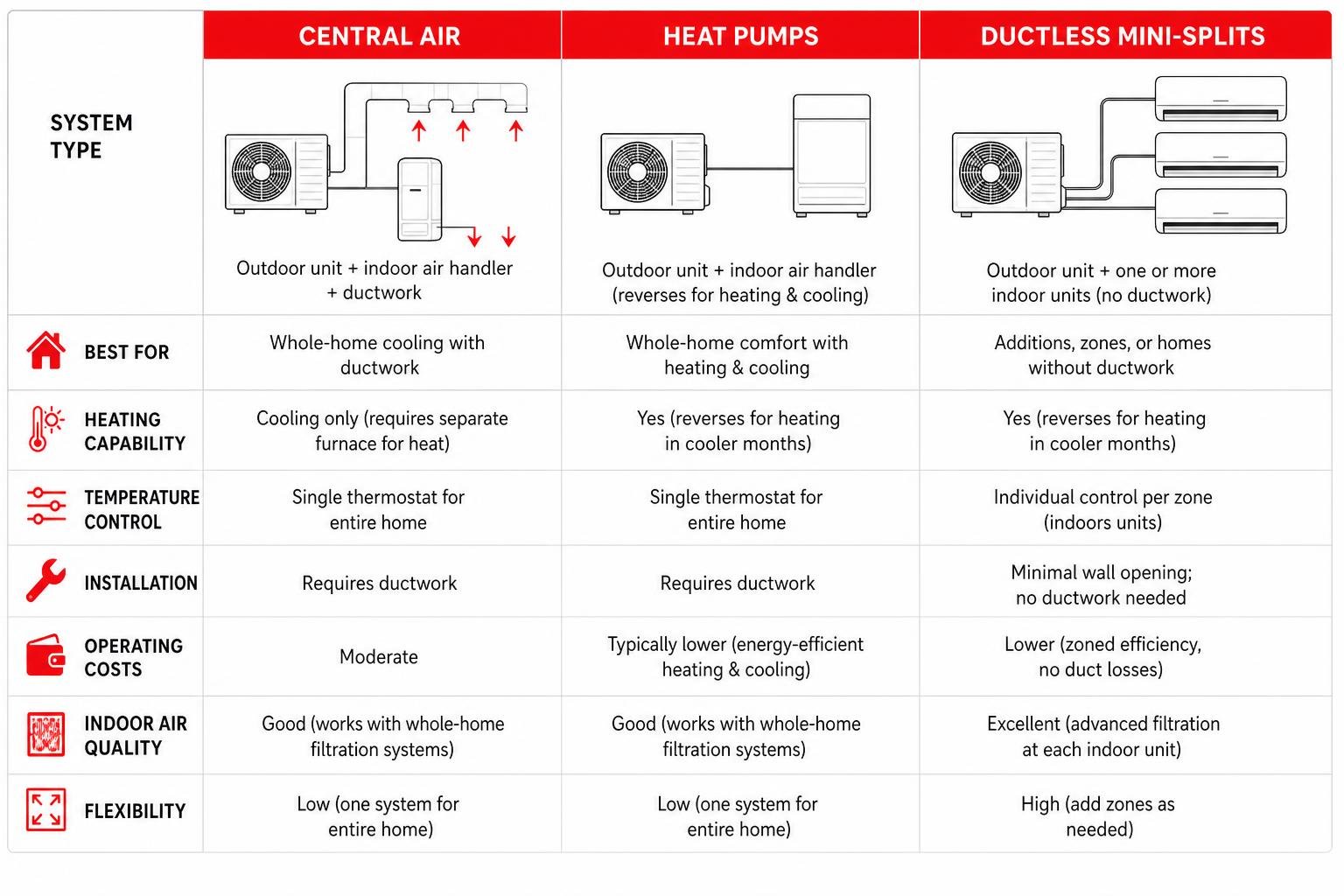
allergen filtration capabilities. High-efficiency particulate air (HEPA) filters, UV lamps, and advanced air purification technologies can be integrated to remove dust, pollen, pet dander, mold spores, bacteria, and viruses from your indoor environment. This is particularly beneficial in Cape Coral, where high humidity can contribute to mold growth and increased allergen levels. By effectively filtering the air and controlling humidity, a new AC system can create a healthier, more comfortable living space for you and your family.
Diagnostic Steps Before Booking Plumbing and HVAC Repair
Before reaching out to a professional for AC repair or replacement, there are several simple diagnostic steps you can take. These checks can often resolve minor issues, saving you a service call, or at least help you provide valuable information to your technician.
First, always check your thermostat settings. Ensure it’s set to “Cool” and the temperature is lower than the current room temperature. Sometimes, a simple oversight like accidentally switching to “Heat” or “Fan Only” can be the culprit. Also, check the batteries if it’s a battery-powered thermostat.
Next, perform an air filter inspection. A dirty or clogged air filter is one of the most common reasons for poor AC performance. It restricts airflow, making your system work harder, reducing efficiency, and potentially leading to freezing coils. Replace disposable filters monthly, especially during peak cooling season in Cape Coral, or clean reusable filters as recommended by the manufacturer.
If your unit isn’t turning on, check your home’s circuit breaker resets. The outdoor unit (condenser) and indoor unit (air handler) typically have separate breakers. A tripped breaker means the unit isn’t receiving power. Flip the breaker completely off, wait a moment, and then flip it back on. If it trips again immediately, there’s an electrical issue that requires professional attention.
Finally, inspect your drain line clearance. The condensate drain line removes moisture collected by your AC. If it becomes clogged with algae or debris, water can back up, triggering a safety switch that shuts down the system to prevent overflow. A small amount of white vinegar can sometimes clear minor clogs, but if the problem persists or you see significant water backup, it’s best to call a technician. These preliminary steps can help you identify obvious problems or confirm that a more complex issue requires expert intervention.
Financial Considerations, Warranties, and Choosing Contractors
Investing in a new AC system is a significant decision for any homeowner in Cape Coral. Understanding the financial aspects, warranty protections, and how to select a trustworthy contractor are crucial steps in ensuring a smooth and satisfactory replacement experience.
Replacement Costs, Warranties, and Financing Options
The overall installation pricing for a new AC system can vary widely based on several factors, including the type of system (central, heat pump, ductless), its size (tonnage), energy efficiency rating (SEER2), brand, and the complexity of the installation. For instance, upgrading ductwork or making electrical modifications will add to the total cost. While we cannot provide specific figures, it’s important to seek out contractors who offer transparent and honest upfront pricing, ensuring you understand all costs involved before any work begins. This approach helps avoid hidden fees and provides clarity on your investment. For more insights into managing your AC replacement project, you might find valuable information on ensuring transparency in service.
Most new air conditioning systems come with a manufacturer’s warranty—typically ranging from 5 to 10 years on parts. This warranty covers defects in manufacturing for major components like the compressor, coils, and other internal parts. It’s often contingent on the homeowner registering the product with the manufacturer shortly after installation. Many reputable HVAC providers also offer extended warranties. For example, some systems we install include a generous 10–12 year manufacturer parts warranty (when registered at install) and often a 10-year labor warranty coverage is also available. This extended protection provides significant peace of mind, safeguarding your investment against unforeseen repair costs for a substantial period. Always clarify the specifics of both parts and labor warranties with your chosen contractor.
Recognizing that an AC replacement is a significant investment, many providers offer financing plans to make it more accessible. These options can include various payment schedules, low-interest rates, or deferred payment plans, allowing you to enjoy the comfort and energy savings of a new system immediately while spreading the cost over time. Inquire about these options to find a plan that fits your budget.
Selecting Qualified Local Technicians
Choosing the right AC contractor in Cape Coral is as important as selecting the right unit. A professional and experienced team ensures proper installation, which is critical for your system’s efficiency, longevity, and warranty validity.
First and foremost, verify that any potential contractor has the necessary licensing credentials and is fully insured. Licensing ensures they meet state and local standards for technical expertise, while insurance protects you from liability in case of accidents or damage during the installation process. Don’t hesitate to ask for proof of both.
Look for companies with extensive local experience in the Cape Coral area. Contractors who have been serving the community for decades understand the unique challenges posed by our climate, including high humidity, salt air, and specific building codes. Their familiarity with local conditions means they can recommend systems best suited for your home and ensure installations meet regional requirements.
Consider their response time standards and availability for service. In the peak of Cape Coral’s summer, a quick response to an AC emergency is invaluable. Many reliable companies pride themselves on prompt service, with some even completing a high percentage of their service calls the same day. This commitment to same-day service availability can be a critical factor when your comfort is on the line.
Additionally, check online reviews and testimonials. A contractor with a strong reputation for professionalism, quality workmanship, and excellent customer service is a reliable choice. When you select a qualified local technician, you’re not just getting an AC installation; you’re gaining a partner in maintaining your home’s comfort system for years to come.
What to Expect During Installation and Post-Service Maintenance
Understanding the AC replacement process and the subsequent maintenance requirements can help homeowners feel more prepared and confident in their investment. A professional installation sets the stage for optimal performance, while diligent maintenance ensures that performance lasts.
The Installation Process and Timeline
Once you’ve selected your new AC system and contractor, the installation process typically begins. While the exact installation duration can vary based on the complexity of the job, the size of your home, and the type of system being installed, most standard AC replacements can be completed within one to two days.
Here’s a general overview of what you should expect during the AC replacement process:
- Initial Assessment and Preparation: The technicians will confirm the details of the new system and prepare the work area. This includes protecting your floors and furniture.
- Old Equipment Removal: The existing outdoor condenser unit and indoor air handler will be carefully disconnected and removed. Responsible contractors will ensure proper disposal of old refrigerants and equipment.
- New Unit Placement: The new outdoor condenser unit will be placed on a level pad, and the new indoor air handler will be installed in its designated location (e.g., attic, closet, garage).
- Connecting Refrigerant Lines and Electrical: New refrigerant lines will be run and connected between the indoor and outdoor units. Electrical connections will be made, and a new disconnect box may be installed at the outdoor unit.
- Ductwork Inspection and Modification: Technicians will inspect your existing ductwork inspection for leaks, proper sizing, and integrity. Any necessary repairs or modifications to ensure optimal airflow and efficiency with the new system will be performed. This is a critical step to prevent energy loss and ensure even cooling.
- System Commissioning: Once all components are connected, the system will be charged with the appropriate refrigerant, and a vacuum will be pulled to remove any moisture or contaminants from the lines.
- Testing and Calibration: The new AC system will be thoroughly tested to ensure it’s operating correctly, cooling efficiently, and maintaining proper pressures and temperatures. The thermostat will be calibrated, and the technicians will walk you through the operation of your new system.
- Cleanup: The work area will be cleaned, and all debris and old equipment will be removed.
Throughout this process, skilled technicians work diligently to minimize disruption to your home while ensuring every aspect of the installation meets the highest standards.
Post-Installation Maintenance Strategy
Installing a new AC system is an investment in your home’s comfort and efficiency. To protect that investment and ensure your unit performs optimally for its full lifespan, a consistent post-installation maintenance strategy is essential. The longevity of an air conditioning unit, typically 10 to 15 years, is largely dependent on regular maintenance.
Here is a list of essential post-replacement maintenance practices:
- Seasonal Tune-Ups: Schedule professional seasonal tune-ups at least once a year, ideally in the spring before the peak cooling season in Cape Coral. A technician will inspect, clean, and test all components, ensuring your system is running efficiently and identifying potential issues before they become major problems.
- Filter Replacement Schedules: Regularly replace your air filters according to manufacturer recommendations, typically every 1-3 months. In a dusty or pet-heavy home, or during peak usage, you might need to change them more frequently. A clean filter ensures good airflow, improves indoor air quality, and prevents strain on your system.
- Condensate Drain Cleaning: Periodically check and clean your condensate drain cleaning line to prevent clogs. Algae and mold can build up, causing water backups and potential system shutdowns. Pouring a cup of distilled white vinegar down the access port a few times a year can help keep it clear.
- Keep Outdoor Unit Clear: Ensure the outdoor condenser unit is free from obstructions. Trim back any vegetation, remove debris, and keep at least two feet of clearance around the unit to allow for proper airflow. A clear unit operates more efficiently.
- Monitor Performance: Pay attention to your system’s performance. Note any unusual noises, changes in cooling ability, or spikes in energy bills. Addressing these issues promptly can prevent minor problems from escalating.
By adhering to these maintenance practices, you can significantly contribute to your new AC system’s system lifespan extension, ensuring it provides reliable, efficient cooling and comfort for many years in your Cape Coral home.
Frequently Asked Questions About Plumbing and HVAC Repair
Homeowners often have specific questions when considering AC replacement. Here, we address some of the most common inquiries to provide clarity and peace of mind.
How long does a typical AC replacement installation take?
The timeframe for an AC replacement can vary, but most standard installations are completed within one to two days. This installation timeframe depends on several factors, including the type and size of the new system, the complexity of removing the old unit, and whether any ductwork modifications or electrical upgrades are required. For instance, replacing a like-for-like central AC might be quicker than installing a new heat pump system that requires additional wiring. The labor requirements involve skilled technicians who will meticulously connect refrigerant lines, electrical components, and ensure proper airflow. The system setup procedures include vacuuming the lines, charging with refrigerant, and comprehensive testing to ensure optimal performance. While we strive for efficiency, our priority is always a thorough and correct installation to guarantee your long-term comfort and system reliability.
What warranty coverage comes standard with new cooling systems?
New cooling systems typically come with robust warranty coverage to protect your investment. Most manufacturers offer a parts warranty terms that ranges from 5 to 10 years, covering major components like the compressor, coils, and other internal parts against manufacturing defects. It’s crucial to register your new unit with the manufacturer shortly after installation to activate this warranty. Beyond the manufacturer’s parts warranty, many reputable HVAC contractors also offer their own labor coverage, which can extend for several years (e.g., 10 years). This covers the cost of labor for repairs on covered components. Always inquire about the specifics of both parts and labor warranties, including any registration requirements, to understand your full coverage and ensure peace of mind for years to come.
How does coastal humidity affect overall system performance and lifespan?
Cape Coral’s coastal humidity significantly impacts both the overall system performance and lifespan of air conditioning units. High humidity forces your AC system to work harder not only to cool the air but also to extract moisture. This constant effort can lead to increased wear and tear on components, potentially shortening the unit’s lifespan if it’s not properly sized or maintained.
The continuous presence of moisture can also lead to issues like mold and mildew growth within the system, affecting indoor air quality. Moreover, the humid air can impact equipment corrosion over time, particularly on outdoor components exposed to the elements. For optimal performance, AC systems in humid climates need to have excellent humidity extraction capabilities. Properly sized units achieve better load balancing by running long enough to effectively dehumidify the air without short-cycling. Newer, high-efficiency systems are often designed with advanced features specifically to combat high humidity, ensuring your home remains cool, dry, and comfortable, even during the most oppressive August 2026 days. Regular maintenance, including condensate drain cleaning, is even more critical in this environment to prevent humidity-related problems.
Conclusion
Navigating the decision of AC replacement in Cape Coral, FL, can feel daunting, but understanding the key indicators, system options, and professional processes can empower you to make the best choice for your home. Recognizing the warning signs of a failing unit, such as unusual noises, poor airflow, or escalating energy bills, is the first step towards ensuring your home’s comfort.
Investing in a new, energy-efficient AC system offers more than just cooling; it provides improved indoor air quality, superior humidity control, and significant long-term savings on your utility bills. Given Cape Coral’s demanding climate, selecting a properly sized system and ensuring professional installation are paramount for optimal system reliability and efficiency.
Timely professional service, from initial diagnosis to expert installation and ongoing maintenance, is key to maximizing your investment. By partnering with qualified local technicians, you ensure your new AC system contributes to the long-term home efficiency and comfort of your Cape Coral residence for many years to come.
©2026 The Dedicated House. All rights reserved. No part of this blog post may be used or reproduced without the written consent of the copyright owner.
Click the links below for any posts you have missed:

 From Concept to Creation: The Process of Metal Manufacturing
 Maximizing Your Home’s Appeal: Tips for a Quick Sale
 How to Choose the Right Plumbing Fixtures for Your Bathroom Renovation
 How Adaptive Construction Techniques Revolutionize Home Interiors
 The Ultimate Guide to Choosing the Right Tree for Your Backyard
I’d love for you to join my email list! You’ll receive a notification straight to your inbox which will include links to my latest home project posts! Simply enter your address below.
Thanks for stopping by! Have a wonderful day/night depending on where you are in the world! Go with God and remember to be kind to one another!
Toodles,

Leave a Reply