
The journey into aquatic husbandry often begins with enthusiasm, but for many, it quickly encounters obstacles that lead to frustration and, unfortunately, sometimes abandonment. A common scenario we observe is the “new tank syndrome,” a period of biological instability that plagues many nascent aquariums. This syndrome is characterized by a cascade of issues: fluctuating water parameters, dangerously high levels of ammonia and nitrite, and consequently, immense stress on the fish and other inhabitants. Without a stable biological foundation, the delicate ecosystem within the tank struggles to establish itself.
The root cause often lies in a piecemeal approach to setup and maintenance. Imagine building a house without a blueprint, adding components as you go, without considering how they interact. This is akin to setting up an aquarium by adding a filter here, some substrate there, and then introducing fish without a fully cycled biological system. The result is an environment ripe for biological instability. Uncycled filters, for instance, lack the beneficial bacteria necessary to process fish waste, leading to toxic ammonia spikes. Fish, subjected to these harsh conditions, exhibit signs of stress, become susceptible to disease, and their vibrant colors may fade. This cycle of instability not only harms the aquatic life but also diminishes the joy of the hobby for the aquarist.
To truly appreciate the benefits of a holistic approach, understand the common pitfalls that lead to these early failures.
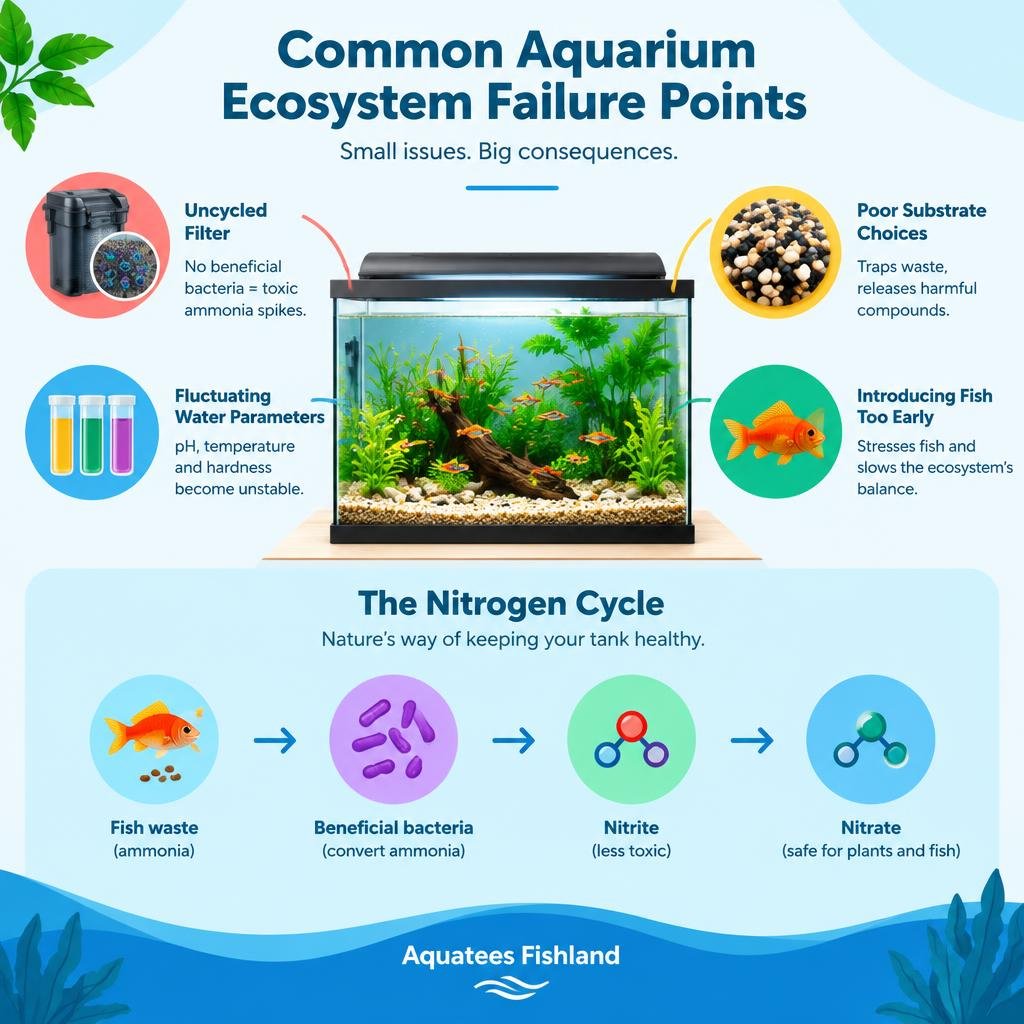
These failure points highlight a critical need for a more integrated strategy, one that addresses the aquarium as a complete, interconnected system rather than a collection of individual parts.
The Core Science of Stable Aquarium Biology
At the heart of every successful, low-maintenance aquarium lies a profound understanding and careful management of its biological processes, primarily the nitrogen cycle. This natural phenomenon is the bedrock upon which aquatic life thrives, transforming harmful waste products into less toxic forms. Without a robust biological filtration system, even the most diligent aquarist will struggle to maintain healthy water parameters.
Nitrogen Cycle Fundamentals for Beginners
The nitrogen cycle is a complex yet beautiful natural process that converts fish waste, uneaten food, and decaying plant matter—all sources of ammonia—into progressively less harmful substances. For beginners, grasping this concept is paramount. It begins with ammonia (NH3), which is highly toxic to fish. Specialized beneficial bacteria, primarily Nitrosomonas species, colonize filter media and substrate, converting ammonia into nitrite (NO2-). While less toxic than ammonia, nitrite is still very dangerous to aquatic life. A second group of beneficial bacteria, Nitrobacter species, then takes over, transforming nitrite into nitrate (NO3-). Nitrate is far less toxic and can be managed through regular water changes and by live plants, which absorb it as a nutrient.
The success of this cycle hinges on the presence of these beneficial bacteria colonies. They require ample surface area to grow and thrive, which is where effective biological filtration comes into play. Without sufficient biological surface area, the bacteria cannot establish in adequate numbers, leading to incomplete waste breakdown and the accumulation of toxic compounds. This is why a well-designed biological filter, often a key component of an Aqua Pack, is indispensable. It provides the ideal environment for these microscopic heroes to perform their vital work, ensuring that ammonia and nitrite spikes are prevented, and the water chemistry remains stable.
Water Chemistry and Parameter Stability
Beyond the nitrogen cycle, maintaining stable water chemistry is crucial for the long-term health and vitality of an aquarium. Parameters such as pH, carbonate hardness (kH), and general hardness (gH) directly impact the well-being of fish and plants. Fluctuations in these parameters can cause significant stress, weaken immune systems, and make aquatic life more susceptible to disease.
pH buffering, for instance, refers to the water’s ability to resist changes in pH. Carbonate hardness plays a significant role here, acting as a buffer against pH swings. When kH is too low, the pH can crash, leading to a phenomenon known as “pH shock,” which can be fatal to fish. Aqua packs often include components designed to stabilize these parameters, providing a consistent and safe environment.
Organic waste, even after being processed by the nitrogen cycle, can still contribute to overall water quality degradation if not properly managed. Over time, decaying organic matter can lower pH, consume oxygen, and contribute to algae growth. An integrated system, like those found in comprehensive aqua packs, works to continuously break down and remove these organic compounds, ensuring environmental stability and reducing stress on the aquatic inhabitants. This proactive management of water chemistry is a cornerstone of a truly low-maintenance setup, minimizing the need for constant intervention and allowing the natural processes to maintain equilibrium.
Feature Piecemeal Chemical Treatments (Traditional) Integrated Biological Systems (Aqua Packs) Approach Reactive; addresses symptoms as they arise Proactive; prevents issues through ecological balance Focus Chemical neutralization, temporary fixes Fostering beneficial bacteria, long-term stability Duration of Effect Short-term, often requires reapplication Continuous, self-regulating Maintenance Effort Frequent testing, dosing, monitoring Less frequent intervention, stable parameters Fish Stress High, due to parameter fluctuations Low, due to consistent, healthy environment Cost Over Time Potentially higher (constant chemical purchases) Lower (initial investment, then reduced consumables) Ecosystem Health Can disrupt natural processes Enhances natural biological processes Learning Curve Requires understanding of various chemicals Requires understanding of biological principles
Beginner Aquarium Aqua Packs: Building a Layered Ecosystem
The concept of an “aqua pack” in the context of aquariums isn’t about a single product, but rather a thoughtfully assembled collection of essential components designed to work in harmony. These packs embody an ecosystem approach, providing a layered foundation for biological synergy and optimal water conditioning right from the start. For those embarking on their first aquatic adventure, or seeking to simplify an existing setup, exploring comprehensive solutions like Beginner aquarium aqua packs can dramatically improve the chances of success and enjoyment. These curated systems remove much of the guesswork, ensuring that critical elements are compatible and effective together.
Biological Filtration Layer in Beginner Aquarium Aqua Packs
The cornerstone of any healthy aquarium is its biological filtration, and aqua packs excel in optimizing this vital function. They typically include high-quality porous media, sometimes referred to as bio balls or ceramic rings, specifically chosen for their immense surface area. This intricate, textured surface provides countless microscopic nooks and crannies, creating an ideal habitat for the beneficial bacteria (Nitrosomonas and Nitrobacter) that drive the nitrogen cycle.
The design of these media is crucial. Unlike simple sponges or gravel, specialized bio-media offers a vastly expanded colonization site, allowing a larger and more robust bacterial population to establish. This increased nitrification capacity means that ammonia and nitrite, the toxic byproducts of fish waste, are processed more efficiently and rapidly. When setting up a new tank, having this pre-selected, high-performance biological filtration layer significantly accelerates the cycling process, reducing the dangerous “new tank syndrome” phase and creating a safer environment for aquatic inhabitants much sooner. It’s a proactive step that ensures the tank can handle the biological load from the outset, minimizing stress and maximizing the health of your fish.

Substrate Foundation and Conditioning in Beginner Aquarium Aqua Packs
Beyond filtration, the substrate plays a pivotal role in the aquarium’s ecosystem, often overlooked in piecemeal setups. Aqua packs frequently incorporate specialized substrates, such as volcanic rock or mineral-rich sands, chosen not just for aesthetics but for their functional benefits. These substrates provide additional surface area for beneficial bacteria, further enhancing biological filtration directly within the tank bed.
Moreover, certain substrates can actively condition the water. Volcanic substrates, for example, can slowly release beneficial minerals, contributing to the overall hardness and stability of the water parameters. Some aqua packs might also include natural tannins, derived from botanicals like catappa leaves or alder cones, which can soften water, lower pH slightly, and release natural compounds that have anti-bacterial and anti-fungal properties, benefiting fish health. This botanical conditioning creates a more naturalistic and stable environment, mimicking the conditions found in many natural aquatic habitats. By integrating these elements, aqua packs ensure that the foundation of your aquarium actively contributes to its long-term health and balance, reducing the need for constant chemical adjustments and creating a more resilient ecosystem.

Why Systematic Aqua Packs Outperform Piecemeal Maintenance
The allure of a low-maintenance aquarium is strong, and systematic aqua packs deliver on this promise by offering a holistic management approach that fundamentally outperforms traditional, piecemeal maintenance methods. Instead of constantly reacting to problems, aqua packs establish a resilient ecosystem designed to prevent them.
At its core, a systematic aqua pack focuses on bio-load regulation. By providing superior biological filtration and a balanced substrate from day one, the system is better equipped to handle the waste produced by fish and decaying organic matter. This proactive management significantly reduces the accumulation of toxins, stabilizing water parameters and minimizing the need for frequent, drastic interventions.
The most immediate benefit for the aquarist is a substantial reduction in maintenance. Less time spent battling algae, performing emergency water changes due to ammonia spikes, or adjusting pH means more time enjoying the serene beauty of your underwater world. The chemical stability fostered by an integrated system translates into fewer instances of “new tank syndrome” and a more consistent, healthy environment for your aquatic inhabitants. This stability also means less reliance on chemical additives, as the biological processes are robust enough to manage the tank’s chemistry naturally.
Perhaps one of the greatest advantages for both beginners and experienced hobbyists is the elimination of guesswork. With a curated aqua pack, you’re not left wondering which filter media to combine, what substrate is best for your chosen fish, or how to kickstart the nitrogen cycle effectively. The components are pre-selected to work synergistically, providing a clear path to a balanced tank. This integrated approach reduces the likelihood of common beginner mistakes and provides a reliable framework for success.
Here’s a look at the advantages of embracing a low-maintenance ecosystem approach:
- Reduced Water Changes: With efficient biological filtration and stable parameters, the frequency and volume of necessary water changes can often be decreased.
- Fewer Algae Outbreaks: A balanced ecosystem with proper nutrient cycling naturally suppresses excessive algae growth.
- Healthier, Happier Fish: Stable water conditions and reduced stress lead to more vibrant, active fish less prone to disease.
- Less Reliance on Chemicals: The natural biological processes manage water chemistry, minimizing the need for chemical buffers, detoxifiers, or clarifiers.
- Simplified Cycling Process: Integrated packs often accelerate the establishment of beneficial bacteria, making tank cycling faster and safer.
- Time Savings: Less time spent on troubleshooting and reactive maintenance means more time for enjoyment.
- Sustainable Aquascaping: A stable environment encourages plant growth and allows for more creative and sustainable aquascaping designs.
- Enhanced Learning: By observing a stable ecosystem, aquarists can gain a deeper understanding of aquatic biology without the distraction of constant problems.
Frequently Asked Questions About Aquarium Aqua Packs
As the concept of aquarium aqua packs gains traction, many aquarists have questions about their composition, suitability, and long-term benefits. We aim to address some of the most common inquiries to provide clarity and confidence in this holistic approach to aquarium management.
What components make up an aquarium aqua pack?
While the exact contents can vary depending on the specific pack and its intended purpose (e.g., freshwater, planted, specific fish species), a typical aquarium aqua pack is designed as a foundational system. Key components almost always include:
- Biological Media: High-surface-area materials like porous ceramic rings, bio balls, or specialized sintered glass media. These are crucial for housing the beneficial bacteria responsible for the nitrogen cycle.
- Natural Botanicals: Often included to mimic natural habitats, these can be catappa leaves, alder cones, or other plant-derived materials. They release beneficial tannins, which can lower pH, provide natural anti-bacterial properties, and offer hiding spots for fish.
- Mineral Substrate: More than just decorative gravel, these substrates are chosen for their active role in water chemistry. They can include volcanic rock, mineralized soil, or specialized sands that provide trace elements, buffer pH, or offer additional surface area for bacterial colonization.
- Water Conditioning Elements: These might be in the form of specialized additives that jump-start beneficial bacteria, stabilize pH, or dechlorinate tap water, ensuring the initial environment is safe and conducive to life. Some packs might also include specific minerals or buffers to achieve a desired water hardness or alkalinity.
The synergy between these components is what defines an aqua pack, ensuring that each element supports the others in creating a balanced and resilient aquatic ecosystem.
Are aqua packs suitable for complete beginners?
Absolutely, aqua packs are exceptionally well-suited for complete beginners, arguably even more so than for experienced aquarists. For novices, the sheer volume of information and choices in aquarium setup can be overwhelming, leading to costly mistakes and discouragement. Aqua packs simplify this process dramatically by offering pre-matched components.
The greatest advantage for beginners is the inherent biological balance these packs aim to establish. By providing the right biological media and substrate from the start, they significantly aid in simplified tank cycling. This means the critical period where beneficial bacteria establish themselves is often smoother and faster, reducing the risk of ammonia and nitrite spikes that can be devastating to new fish. The curated nature of aqua packs means that beginners don’t have to research and select each individual component, reducing decision fatigue and the potential for incompatible choices. This leads to significantly reduced error rates, allowing beginners to focus on the enjoyable aspects of fishkeeping rather than constantly troubleshooting water quality issues. It’s akin to receiving a well-designed starter kit with all the essential pieces that are guaranteed to work together.
How do aqua packs reduce long-term tank maintenance?
The primary way aqua packs reduce long-term tank maintenance is by establishing a fundamentally stable and self-regulating ecosystem. This stability stems from several key factors:
- Established Bio-Colonies: By providing optimal conditions for beneficial bacteria from the outset, aqua packs ensure robust bio-colonies are established. These colonies efficiently process fish waste, preventing the accumulation of toxic ammonia and nitrite, which are common triggers for emergency maintenance.
- Stable Water Parameters: The integrated components, particularly specialized substrates and botanicals, work to buffer pH and maintain consistent water hardness. This inherent stability minimizes the need for frequent chemical adjustments and reduces the stress on fish caused by fluctuating conditions.
- Organic Waste Breakdown: Beyond the nitrogen cycle, aqua packs contribute to the breakdown of other organic waste. A healthy microbial community, supported by the pack’s components, helps to decompose uneaten food and decaying plant matter, preventing water cloudiness and foul odors.
- Lower Water Change Frequency: With efficient waste processing and stable water chemistry, the build-up of nitrates (the end product of the nitrogen cycle) is slower, and the overall water quality remains higher for longer. This often translates to a reduced need for frequent or large water changes, saving time and effort for the aquarist.
Aqua packs shift the aquarium from a system that demands constant intervention to one that largely manages itself, allowing for a truly low-maintenance and enjoyable aquatic experience.
Establishing Long-Term Aquarium Balance
Achieving and maintaining long-term aquarium balance is the ultimate goal for any aquarist, and it’s where the foundational benefits of aqua packs truly shine. An aquarium that operates in harmony is not just aesthetically pleasing; it’s a thriving, resilient ecosystem that requires minimal intervention.
The concept of ecosystem balance is central to this. When all components – the biological filtration, the substrate, the water chemistry, and the inhabitants – are working together synergistically, the tank becomes remarkably stable. This means fewer unexpected problems, less stress for the fish, and a more consistent environment for plant growth. Aqua packs lay the groundwork for this balance by ensuring that the critical biological processes are robust from day one, allowing the natural cycles to take over and maintain equilibrium.
Preventive care becomes much simpler in a balanced system. Instead of constantly reacting to issues, aquarists can focus on routine tasks like feeding, observing their fish, and occasional water top-offs. The need for aggressive chemical treatments or frequent, large water changes diminishes significantly because the system is already designed to handle its own waste and maintain its parameters. This proactive approach not only saves time and money but also fosters a deeper connection with the aquatic environment.
Sustainable aquascaping is another natural outcome of a balanced tank. With stable water parameters and efficient nutrient cycling, live plants thrive, further contributing to the ecosystem by absorbing nitrates and providing oxygen. This creates a lush, natural environment that is both beautiful and beneficial for the fish. The long-term stability offered by an aqua pack allows aquarists to create and maintain complex, vibrant aquascapes without the constant struggle against instability.
Aqua packs are not just products; they are a philosophy for creating stable aquatic environments. By embracing this integrated approach, we empower both novice and experienced aquarists to build resilient, self-sustaining underwater worlds that provide endless enjoyment with truly low maintenance. The dream of a vibrant, thriving aquarium that practically takes care of itself is, indeed, within reach.
©2026 The Dedicated House. All rights reserved. No part of this blog post may be used or reproduced without the written consent of the copyright owner.
Click the links below for any posts you have missed:
 How to Plan Weather-Ready Home Improvement Projects in Longmont, Colorado
 How to Build a Custom Lake Home In Minnesota with the Right Team and Resources
 How to Choose the Right Renovation Scope for Your Home
 Five Things to Fix Before You Renovate a Bathroom (Learned the Hard Way)
 Bathroom Design Trends to Elevate Your Home
 Which Michigan Plumbing Problems Need Immediate Attention?
I’d love for you to join my email list! You’ll receive a notification straight to your inbox which will include links to my latest home project posts! Simply enter your address below.
Thanks for stopping by! Have a wonderful day/night depending on where you are in the world! Go with God and remember to be kind to one another!
Toodles,

Leave a Reply