Finding your ideal “houses to let near me” can often feel like a complex puzzle. We understand the challenges of navigating countless listings and varying information. Thankfully, the real estate market is undergoing a significant transformation. We are witnessing the strong emergence of transparent home search platforms. These advanced tools are designed to simplify the rental process, making it more straightforward and understandable for everyone involved. This shift towards clarity is crucial. It empowers renters and buyers by providing them with comprehensive, easy-to-access information upfront.
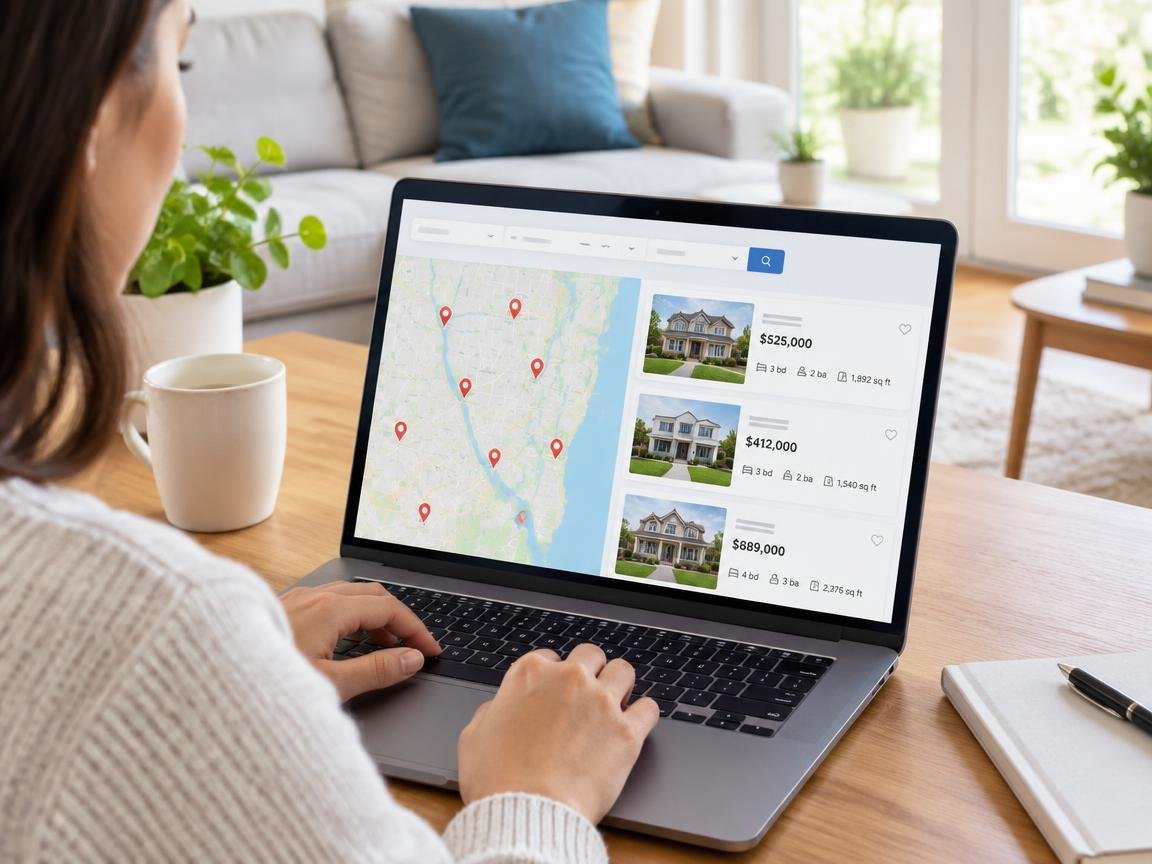
We will dive into how these innovative platforms are empowering individuals in their housing search. We will detail the essential data points modern property seekers now expect. Furthermore, we will examine how digital search tools, including those available on any robust national real estate platform, are evolving to meet these higher demands for information. Our aim is to illustrate how increased transparency can lead to more confident and informed housing decisions for you.
The digital age has fundamentally reshaped how we search for rental properties. Gone are the days of sifting through newspaper classifieds or relying solely on word-of-mouth. Today, transparent home search platforms are at the forefront, offering a wealth of information that empowers renters and buyers in unprecedented ways. These platforms prioritize clarity, ensuring that critical details are readily available, helping users make informed decisions without hidden surprises.
One of the most significant advancements is the increased pricing transparency. Modern platforms clearly display the monthly rental cost, often breaking it down to a weekly equivalent for easy comparison. For instance, a two-bedroom flat in Ilford, London, IG1, might be listed at £2,325 per month, which translates to approximately £537 per week. This level of detail allows prospective tenants to quickly assess affordability and compare different properties. Beyond the headline rent, comprehensive fee disclosure is now a standard expectation. This includes detailing holding deposits, security deposits, and any administrative fees. For example, a two-bedroom semi-detached house in Chatteris, PE16, might require a holding deposit of £230.75, with a full deposit of £1,153. Such upfront information prevents unexpected costs down the line.
Furthermore, these platforms provide access to verified listings, which significantly reduces the risk of encountering fraudulent or outdated information. Many platforms integrate directly with property management systems or utilize government databases, like the Georgia Department of Community Affairs (DCA) statewide rental housing tool, to ensure the accuracy and availability of listings. This official backing lends credibility and peace of mind to users searching for safe and affordable housing.
Understanding tenancy terms has also become much clearer. Platforms often outline key aspects such as lease duration, pet policies, and whether the property is furnished or unfurnished. For example, while a four-bedroom single-family residence in Chesapeake, VA 23324, explicitly states “no pets allowed,” a two-bedroom flat in Aquifer House, Ilford, proudly advertises pet-friendly apartments and even mentions resident events like ‘puppy yoga.’ This level of detail allows renters to quickly filter properties that align with their lifestyle needs.
Finally, transparent platforms shed light on credit baselines and income requirements, helping applicants understand their eligibility before investing time and money into applications. A two-bedroom house in Chatteris, for instance, requires a collective gross income of £30,000 per annum for referencing, while a four-bedroom home in Chesapeake, VA, mandates a minimum credit score of 620. By providing these criteria upfront, platforms reduce wasted effort for both tenants and landlords, streamlining the application process. The overall effect is a more efficient, less stressful, and ultimately more successful housing search experience.

Essential Data Points Modern Property Seekers Expect
In today’s competitive rental market, simply knowing the rent and location is no longer sufficient. Modern property seekers, whether looking for “houses to let near me” or across a wider region, expect a comprehensive breakdown of essential data points that influence both their lifestyle and their budget. This includes a clear understanding of upfront costs, detailed insights into space utilization, accurate energy performance metrics, and precise information regarding transit proximity. Transparent platforms deliver on these expectations, offering a holistic view of each property.
Evaluating Upfront Financial Commitments
One of the most critical aspects for any prospective renter is understanding the full financial commitment required to secure a property. Transparent platforms excel in detailing these upfront costs, moving beyond just the monthly rent to include all associated fees.
Holding deposits are typically the first financial step, reserving a property while references are checked. As seen with a three-bedroom house in Central Cambridge (CB1), a holding deposit of £461.54 might be required, which is usually a fraction of the total deposit. Following successful referencing, a larger security deposit becomes due. For the Cambridge property, this would be £1,845.15, while the Chatteris house requires £1,153. These deposits serve as security for landlords and are typically protected by government-backed schemes in regions like the UK.
Beyond deposits, platforms clearly outline referencing criteria, which often include income thresholds, credit score requirements, and previous landlord references. For example, the Chatteris property specifies a collective gross income of £30,000 per annum, no County Court Judgements (CCJs) or Individual Voluntary Arrangements (IVAs), and a positive landlord reference if applicable. In the US, a property in Chesapeake, VA, requires a minimum credit score of 620 and proof of renters insurance. This transparency allows applicants to self-assess their eligibility and prepare necessary documentation, such as proof of income or Right-to-Rent documentation in the UK.
Some forward-thinking platforms and property developments also offer attractive incentives. Rent credits are a notable example; the Ilford flat, for instance, provides a £500 rent credit for tenants who book by early September 2026 and move in by the end of that month, applied to the third month’s rent. Furthermore, the availability of zero-deposit options or deposit replacement schemes is gaining traction, offering an alternative to traditional lump-sum security deposits and easing the financial burden on new tenants. By meticulously detailing these financial aspects, transparent platforms empower renters to budget effectively and avoid unexpected expenses.

Verifying Property Specifications and Energy Metrics
Beyond the financial aspects, the physical characteristics and operational costs of a rental property are paramount. Transparent platforms provide detailed specifications that help renters visualize their potential new home and understand its long-term expenses.
Detailed room dimensions and floor plans are increasingly common, allowing tenants to assess if their furniture will fit or if a particular room can serve a specific purpose. For example, a listing for a Cambridge house might highlight an attic office, explicitly noting it “cannot be used as a bedroom,” which is crucial for those seeking dedicated workspaces without misinterpreting its classification. This level of detail is invaluable for planning and ensuring the property meets specific needs, such as accommodating remote work setups.
Pet policies are another critical feature, as highlighted by the contrasting examples of the pet-friendly Aquifer House in Ilford versus the no-pets policy in Chesapeake, VA. Transparent platforms clearly state these rules, preventing disappointment and ensuring compliance. Other amenities, such as parking availability (attached garage in Chesapeake, designated spaces in Cambridge), in-unit laundry, and access to communal facilities like gyms, concierge services, or co-working spaces (as offered in Aquifer House), are also prominently featured.
Crucially, EPC (Energy Performance Certificate) ratings are a key data point, especially in regions like the UK where they are a legal requirement. These ratings, ranging from A (most efficient) to G (least efficient), provide an immediate indication of a property’s energy efficiency. The Cambridge house has an EPC rating of D (67) with potential to improve to C (79), while the Chatteris property boasts a current C (67) with a potential for 88. This information is vital because it directly impacts utility costs. A higher EPC rating generally means lower energy consumption for heating and cooling, leading to more affordable monthly bills. Transparent platforms often present these ratings clearly, sometimes even estimating potential savings if improvements were made, allowing renters to factor energy costs into their overall budget.

The Evolution of Regional and Digital Search Tools
The landscape of rental property search has undergone a profound evolution, moving from localized, fragmented information to integrated, comprehensive digital platforms. This transformation is not just about convenience; it’s about providing depth and breadth of information that caters to diverse needs, from local searches for “houses to let near me” to cross-border relocations. The rise of sophisticated digital tools has enabled everything from statewide databases to detailed insights into build-to-rent amenities and the nuances of community living.
Navigating Regional Disclosures on Transparent Home Search Platforms
One of the most significant benefits of transparent home search platforms is their ability to integrate and present region-specific disclosures and requirements, which can vary dramatically between countries and even within different states or localities. This integration is crucial for ensuring renters are fully aware of their obligations and rights, regardless of where they choose to live.
For instance, in the UK, understanding local council tax bands is essential, as this is a separate monthly payment determined by the property’s valuation. The Chatteris property, for example, is in Council Tax Band A. Transparent platforms often include this detail, allowing tenants to factor it into their budget. Another critical UK-specific requirement is the Right-to-Rent check, which verifies a tenant’s legal status to reside in the country. Platforms that guide applicants through this process, or whose associated agents clearly state this requirement, simplify compliance for both parties.
In contrast, US rental markets often focus on different criteria. While credit scores and income verification are universal, specific background screening processes can vary by state or landlord. Transparent platforms clearly outline these requirements, such as the minimum credit score of 620 and the need for renters insurance for the Chesapeake, VA property.
The Georgia Department of Community Affairs (DCA) provides an excellent example of a state-level resource designed to enhance regional transparency. Their free online search tool allows individuals to find rental housing across Georgia by city, county, or zip code. This official .gov domain database offers a trusted alternative to private sites, focusing on safe and affordable housing. Such government-backed initiatives, when linked or referenced by broader platforms, contribute significantly to regional compliance and user confidence by providing authoritative data.
The ability of transparent home search platforms to synthesize and present these diverse regional disclosures ensures that renters are not caught off guard by unexpected administrative hurdles or financial obligations. They serve as a crucial bridge, making complex regional regulations accessible and understandable, empowering tenants to navigate different markets with confidence.
The Technology Powering Transparent Home Search Platforms
The seamless experience offered by today’s transparent home search platforms is underpinned by sophisticated technology that continuously evolves. These innovations are designed to provide real-time, accurate, and highly interactive information, moving far beyond static listings of the past.
At the core of these platforms is real-time sync capability. This means that as soon as a property becomes available, is rented, or has its details updated, the information is immediately reflected on the platform. This dynamic updating prevents the frustration of inquiring about properties that are no longer on the market, a common issue with less advanced systems. This is often achieved through direct integration with property management APIs (Application Programming Interfaces), which allow rental agencies and landlords to feed their inventory directly into the search platforms. This direct connection ensures data accuracy and up-to-the-minute availability, significantly enhancing the user experience.
Beyond basic availability, modern platforms leverage technology to provide a richer, more immersive view of properties. Interactive floorplans allow users to virtually walk through a property, understand its layout, and even measure spaces to plan furniture placement. This is particularly useful for properties that highlight specific room uses, like the attic office in the Cambridge house. Complementing these are virtual tours, often 360-degree videos or high-resolution photo walkthroughs, which offer a realistic sense of the property’s interior and exterior without requiring a physical visit. This is invaluable for renters searching from a distance or those with limited time for viewings.
Furthermore, advanced filtering options, map-based searches, and personalized recommendations driven by artificial intelligence contribute to a highly efficient search process. These technological advancements collectively empower renters by providing them with an unprecedented level of detail and interactivity, making the search for “houses to let near me” not just easier, but more insightful and reliable.
Frequently Asked Questions About Transparent Real Estate Search
As the real estate market continues its shift towards greater transparency, prospective tenants often have specific questions about how these new platforms and practices benefit them. Here, we address some of the most common inquiries, providing clarity on how transparent search tools empower renters.
How do upfront fee disclosures protect prospective tenants?
Upfront fee disclosures are a cornerstone of transparent real estate platforms, offering significant protection to prospective tenants. Historically, renters often encountered unexpected costs late in the application process, leading to frustration and financial strain. With clear disclosures, this is largely mitigated.
Firstly, deposit caps ensure that landlords cannot demand excessive security deposits. In many regions, regulations now limit the maximum amount that can be charged for a security deposit (e.g., typically five weeks’ rent in the UK). Transparent platforms highlight these limits and ensure listed properties comply, preventing landlords from overcharging.
Secondly, the clear articulation of screening fees (such as the $35 Zillow application fee for the Chesapeake property) means tenants know exactly what they are paying for during the application stage. This prevents the imposition of arbitrary or inflated charges.
Finally, by detailing all potential costs—from holding deposits and security deposits to potential pet fees or amenity charges—transparent platforms eliminate hidden costs. This comprehensive financial overview allows tenants to accurately calculate the total move-in cost and overall budget for a property. This budget protection is invaluable, enabling renters to make financially sound decisions without fear of unforeseen expenses derailing their plans. It fosters trust and ensures a fairer, more predictable rental journey.
What impact does an energy efficiency rating have on monthly housing expenses?
An energy efficiency rating, such as an EPC score, has a direct and significant impact on a tenant’s monthly housing expenses, primarily through utility bills. These ratings provide a standardized measure of how energy-efficient a property is, influencing heating, cooling, and overall energy consumption.
A higher EPC score (closer to ‘A’) indicates better heating efficiency and overall energy performance. Properties with good ratings typically have superior insulation standards, modern heating systems, and energy-efficient windows. This means less heat loss in winter and better cooling retention in summer, directly translating to lower energy usage.
Conversely, a property with a lower EPC rating (closer to ‘G’), like the Cambridge house with a D (67) rating, might have poorer insulation or older heating systems, leading to higher energy consumption to maintain comfortable indoor temperatures. While the Cambridge property has the potential to improve to C (79), its current rating suggests higher utility bills compared to a more efficient home. The Chatteris property, with a C (67) and potential for 88, illustrates how even modest improvements can lead to significant long-term savings.
Transparent platforms highlight these ratings, allowing prospective tenants to factor potential energy costs into their budget alongside rent. This empowers renters to choose properties that not only fit their aesthetic and location preferences but also align with their financial goals for managing ongoing household expenses.
How do search tools verify listing accuracy and availability?
The credibility of transparent home search platforms hinges on the accuracy and real-time availability of their listings. To achieve this, these tools employ several robust mechanisms.
One primary method is real-time updates. Many advanced platforms are designed to refresh their data frequently, often every few minutes, as highlighted by Zillow’s practice. This ensures that when a property is rented or its status changes, the listing is updated almost instantaneously, preventing users from pursuing unavailable homes.
A key enabler of this real-time accuracy is the use of direct landlord feeds. Instead of relying on manual inputs that can become outdated, many platforms integrate directly with property management systems and landlords’ databases. This direct data exchange ensures that the information displayed, including availability dates, rental prices, and property features, is sourced directly from the primary providers. For instance, the Georgia DCA’s statewide database is continuously updated by various housing providers across the state, offering reliable information.
Furthermore, some platforms implement inventory validation processes. This might involve automated checks for discrepancies, cross-referencing information with public records, or even requiring landlords and agents to periodically confirm the status of their listings. While no system is entirely foolproof, these measures collectively work to minimize errors and ensure that the information presented to prospective tenants is as accurate and current as possible. This commitment to accuracy builds trust and makes the rental search process significantly more efficient and reliable.
Conclusion
The journey to find “houses to let near me” has been fundamentally transformed by the rise of transparent home search platforms. We have moved from an opaque, often frustrating process to one characterized by clarity, comprehensive information, and genuine consumer empowerment. These platforms are not just listing services; they are sophisticated tools designed to equip renters with every piece of information needed to make confident, informed decisions.
From detailed upfront financial commitments, including holding deposits, security deposits, and income criteria, to the granular specifics of property dimensions, pet policies, and crucial energy efficiency ratings, every data point contributes to a clearer picture. The integration of regional disclosures, such as council tax bands and Right-to-Rent checks, alongside advanced technological features like real-time syncing and virtual tours, ensures that the search experience is both efficient and reliable.
This shift towards transparency fosters greater market efficiency, benefiting both tenants and landlords by streamlining processes and reducing wasted time. It also elevates listing standards, pushing property providers to offer more complete and accurate information. By providing comprehensive and easily accessible data, these platforms enable individuals to make truly informed decisions about one of the most significant aspects of their lives—their home. As we look to the future, the continued evolution of these transparent platforms promises an even more seamless and trustworthy rental market for everyone.
©2026 The Dedicated House. All rights reserved. No part of this blog post may be used or reproduced without the written consent of the copyright owner.
Click the links below for any posts you have missed:
 Tired of Setting Traps That Don’t Work? How Rat Pest Control Can Actually Solve the Problem
 Why Your Dishwasher Leaves Dishes Dirty (and When It’s Time to Call a Pro)
 Renovation Permits in Edmonton: What Needs Approval and What Doesn’t
 Securing What Matters Most: What Services to Expect from a Professional Home Security Company
 What to Do with the Bare Wall After Removing Overgrown Foundation Shrubs
 How We Sold Our San Antonio House for Cash
I’d love for you to join my email list! You’ll receive a notification straight to your inbox which will include links to my latest home project posts! Simply enter your address below.
Thanks for stopping by! Have a wonderful day/night depending on where you are in the world! Go with God and remember to be kind to one another!
Toodles,

Leave a Reply