Removing overgrown foundation shrubs can completely change the appearance of a home. What once looked like a lush, green border may suddenly reveal a long stretch of bare siding, faded paint, stained stucco, or an uneven foundation. For many homeowners, this transformation is unexpected. The landscaping may look cleaner and more spacious, but the exposed exterior can make the property feel unfinished.
Fall is a popular time for landscaping improvements, especially when homeowners want to remove unhealthy plants, reduce maintenance, or prepare their yards for new designs. However, removing mature shrubs often reveals areas that have been hidden for years.
Instead of immediately planting replacements or repainting the exterior, homeowners should take time to assess the newly exposed space. A few thoughtful decisions can help improve curb appeal, protect the home’s exterior, and create a more balanced landscape.
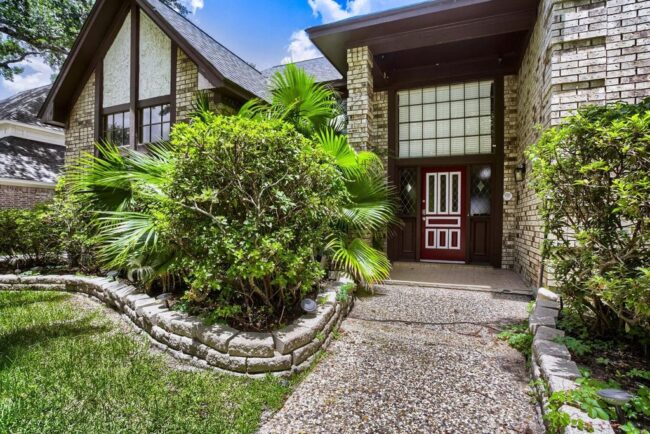
Why Removing Foundation Shrubs Changes the Look of a Home
Foundation shrubs are commonly planted along exterior walls to soften the transition between a house and its surrounding landscape. Over time, these plants can grow much larger than originally intended.
Tall shrubs may cover windows, block architectural details, restrict airflow, and make exterior maintenance difficult. Their removal can make a property appear more open and allow natural light to reach previously shaded areas.
However, mature plants also hide imperfections. Once removed, homeowners may notice discoloration, dirt accumulation, peeling paint, or differences in the appearance of exterior materials.
A wall that looked perfectly acceptable behind dense greenery may suddenly appear worn when fully exposed.
This does not necessarily mean the house needs extensive renovation. In many cases, the exposed surface simply needs cleaning, minor repairs, or time to become part of a new landscaping design.
Start by Inspecting the Newly Exposed Exterior
Before making cosmetic improvements, carefully examine the wall that was previously covered by shrubs.
Look for cracks, loose siding, deteriorating caulk, peeling paint, moisture stains, and other signs of wear. Pay particular attention to areas near windows, doors, vents, and the foundation.
Dense vegetation can sometimes trap moisture against exterior surfaces, especially when branches grow directly against the house. Limited airflow may contribute to persistent dampness and biological growth.
Check whether the shrubs caused scratches or other physical damage to the exterior finish. Branches moving against siding during windy weather can gradually wear down painted surfaces.
It is also worth examining the lower sections of the wall for signs of insects or other pests.
If there are significant cracks, soft wood, recurring moisture problems, or signs of structural movement, these issues should be evaluated before cosmetic work begins.
An inspection helps homeowners distinguish between ordinary dirt and problems that require professional attention.
Evaluate the Condition of the Foundation and Surrounding Soil
Removing mature shrubs exposes more than the exterior wall. It also reveals the condition of the soil and foundation area.
Large root systems may leave uneven ground, empty spaces, or compacted soil. These conditions can affect how water moves around the property.
Homeowners should check whether the ground slopes away from the house. Poor drainage can allow rainwater to collect near the foundation, increasing the risk of moisture-related problems.
In some cases, removing plants makes existing drainage issues easier to identify.
Look for standing water, exposed irrigation lines, damaged edging, and areas where soil has washed away.
Avoid piling new soil or mulch directly against siding, stucco weep screeds, or other drainage openings. Maintaining appropriate clearance helps protect exterior materials from prolonged moisture exposure.
Correcting drainage and grading concerns before installing new landscaping can prevent unnecessary work later.
Clean the Wall Before Deciding Whether It Needs Painting
One of the most common surprises after shrub removal is the amount of dirt left behind.
Exterior walls covered by plants may accumulate dust, pollen, algae, mildew, and other environmental residue. Because these surfaces receive less sunlight and airflow, discoloration can become particularly noticeable.
Before assuming the wall needs repainting, determine whether cleaning could restore its appearance.
Homeowners in Florida’s humid coastal communities may encounter algae growth and other moisture-related staining on exterior surfaces. In these situations, residential pressure washing services in Vero Beach may be worth considering when evaluating appropriate methods for cleaning newly accessible siding, stucco, or other exterior materials.
However, cleaning methods must match the surface condition. High-pressure water can damage aging paint, force moisture behind siding, or harm delicate stucco finishes.
A professional should assess the material and use a suitable approach, which may involve low-pressure washing and surface-appropriate cleaning solutions rather than aggressive pressure.
Once the wall is clean and completely dry, it becomes much easier to determine whether additional cosmetic work is necessary.
Decide Whether Cosmetic Repairs Are Actually Necessary
An exposed exterior wall may initially look worse simply because homeowners are not accustomed to seeing it.
Before investing in repainting or major repairs, consider whether the imperfections are visible from the street or only noticeable during close inspection.
Minor differences in color, small marks, and ordinary weathering may become less obvious once the surrounding landscape is restored.
On the other hand, peeling paint, damaged trim, and deteriorating sealant should not be ignored merely because new plants will eventually cover them.
The distinction is between cosmetic imperfections and conditions that could allow further deterioration.
For example, a faded but intact painted surface may not require immediate attention. Exposed wood, failing caulk, or damaged siding may need more timely repairs.
Prioritizing necessary maintenance before aesthetic improvements can help homeowners avoid spending money on work that offers little practical benefit.
Consider Whether Replacement Shrubs Are Needed
Removing overgrown plants does not automatically mean the area needs another row of shrubs.
Many traditional foundation landscapes were designed around dense plantings that eventually became difficult to maintain.
Modern landscaping often favors a more open appearance, with carefully selected plants that complement the home’s architecture without hiding it.
Before choosing replacements, consider the purpose of the original shrubs.
Were they intended to provide privacy, soften the foundation, add seasonal color, or conceal an unattractive wall?
Understanding their purpose makes it easier to decide whether new plants are necessary.
If the goal is simply to improve curb appeal, a combination of smaller shrubs, ornamental grasses, and flowering plants may create a more balanced appearance.
If privacy is important, strategically positioned plants may be more effective than a continuous hedge.
Leaving some sections open can also highlight windows, entryways, and other architectural features.
Choose Plants Based on Their Mature Size
One of the biggest mistakes in foundation landscaping is selecting plants based only on how they look at the nursery.
A small shrub may appear perfectly suited to a narrow planting bed but eventually grow several feet taller and wider.
This can recreate the same problems that led to removing the original landscaping.
Research the mature height and spread of each plant before making a selection.
Consider how much space it will need near windows, walkways, air-conditioning equipment, and exterior walls.
In coastal Florida, factors such as heat, humidity, sandy soil, and salt exposure may also influence plant selection.
Native and regionally adapted plants can be useful options when their growing requirements match the site.
Homeowners should also consider maintenance needs. Some plants require frequent trimming to maintain their shape, while others naturally remain compact.
Choosing plants that fit the available space can reduce long-term maintenance and help preserve the open appearance created by removing the old shrubs.
Give the Exterior Wall Room to Breathe
Proper spacing between plants and exterior walls is an important part of foundation landscaping.
Shrubs planted too close to a house can restrict airflow, retain moisture, and make cleaning or repairs difficult.
Branches may also rub against siding or painted surfaces as plants grow.
Leaving sufficient space helps improve access for inspections and routine maintenance.
It also makes it easier to identify issues such as pest activity, drainage problems, and deteriorating exterior materials.
The appropriate distance depends on the mature size of the plants and the home’s construction.
Instead of planting directly against the foundation, consider arranging vegetation so it can grow naturally without constantly touching the building.
This approach can produce a cleaner landscape design while reducing the likelihood of future maintenance problems.
Use Mulch, Edging, and Ground Cover to Finish the Space
Not every exposed foundation area needs large plants.
Mulch, decorative edging, and low-growing vegetation can help create a finished appearance without blocking the exterior wall.
Mulch can improve the appearance of planting beds and help regulate soil moisture. However, it should be kept away from direct contact with siding and other vulnerable exterior materials.
Decorative edging can establish a clear boundary between the lawn and planting areas.
Low-growing ground covers may also be appropriate in certain locations, particularly where homeowners want greenery without tall shrubs.
The choice of materials should complement the house rather than compete with its architectural features.
For example, a simple planting bed with restrained colors and clean borders may look more intentional than a crowded arrangement of unrelated plants.
The goal is to create visual balance while keeping the foundation accessible.
Consider Architectural Features Instead of More Plants
Sometimes the newly exposed wall provides an opportunity to improve the home’s appearance without adding significant landscaping.
Exterior lighting, refreshed trim, decorative planters, or updated house numbers may help create visual interest.
For example, a blank wall near an entryway might benefit from a thoughtfully positioned outdoor light fixture.
A long stretch of siding could look more balanced with a few well-spaced container plants rather than another dense hedge.
However, decorative improvements should be appropriate for the home’s architecture and existing exterior materials.
Avoid attaching heavy decorations or fixtures without considering weatherproofing and proper installation.
The purpose of these additions should be to complement the building, not simply fill every empty space.
A cleaner, more open exterior can be attractive on its own.
Why Fall Is a Good Time to Reevaluate Foundation Landscaping
Fall landscaping provides an opportunity to observe the property before making long-term changes.
With overgrown shrubs removed, homeowners can better understand how sunlight reaches the exterior, where water collects, and which areas need attention.
Seasonal conditions also influence planting decisions.
In many parts of Florida, fall can provide favorable conditions for establishing suitable landscape plants because temperatures are generally less intense than during peak summer.
However, watering requirements and plant selection still depend on local weather, soil conditions, and the species being installed.
Homeowners should avoid rushing into replacement planting simply because the exposed wall feels unfamiliar.
Taking time to evaluate the area can lead to a landscape that better suits the home and requires less maintenance.
Know When It Is Better to Wait Before Making Changes
An empty foundation bed can create pressure to complete the landscaping immediately.
However, waiting may be the most practical decision.
After removing mature shrubs, the soil may need attention, drainage problems may require correction, and the exterior wall may need cleaning or repairs.
Allowing time between removal and replacement also gives homeowners an opportunity to observe the space from different angles.
A wall that initially seemed too bare may begin to look attractive once the surrounding area is cleaned and organized.
Temporary improvements such as fresh edging or a carefully maintained planting bed can make the property appear intentional while longer-term decisions are considered.
There is no requirement to replace every removed shrub immediately.
In fact, a thoughtful delay can prevent expensive planting mistakes and unnecessary cosmetic work.
Create a Long-Term Maintenance Plan
Once the exterior and surrounding landscape have been improved, ongoing maintenance helps preserve the results.
Inspect foundation plantings periodically to ensure branches are not growing against the house.
Keep gutters and downspouts functioning properly so rainwater moves away from the foundation.
Monitor mulch levels, remove accumulated debris, and check for signs of moisture problems.
Exterior cleaning should also be considered when dirt or biological growth becomes noticeable, using methods appropriate for the wall material.
For homeowners evaluating residential pressure washing services in Vero Beach, the condition of the siding or stucco should guide the cleaning method rather than relying on a fixed washing schedule.
Routine inspections can help identify small problems before they require more extensive repairs.
A manageable landscape design makes these tasks easier and reduces the risk of another overgrown foundation bed developing over time.
Final Thoughts
Removing overgrown foundation shrubs can reveal an unexpected stretch of bare exterior wall, but that newly exposed space should be viewed as an opportunity rather than an immediate problem.
The first priority is understanding the condition of the wall, foundation, and surrounding soil. Cleaning may improve the appearance of stained surfaces, while necessary repairs should be addressed before new landscaping conceals them.
©2026 The Dedicated House. All rights reserved. No part of this blog post may be used or reproduced without the written consent of the copyright owner.
Click the links below for any posts you have missed:
 How We Sold Our San Antonio House for Cash
 Sober in Texas: Building a Life that Feels Good Without Alcohol
 Top 10 Criminal Defense Attorneys In Coastal Georgia
 Navigating Compliance with Asbestos Consulting Services
 When to Call a Plumber: Leaks, Low Pressure, and Slow Drains
 What Makes a Property a Good Long-Term Investment in Ottawa?
I’d love for you to join my email list! You’ll receive a notification straight to your inbox which will include links to my latest home project posts! Simply enter your address below.
Thanks for stopping by! Have a wonderful day/night depending on where you are in the world! Go with God and remember to be kind to one another!
Toodles,

Leave a Reply