Wildfire season in Nevada County, CA, brings unique challenges for homeowners. The smoke and ash fill the air, making us wonder how often to change air filters to keep our homes safe. Ignoring these air quality issues can harm your family’s health and your HVAC system.

We know you want clean, breathable airindoors, especially when outdoor air is poor. This guide will explore The Benefits of Routine HVAC Maintenance Programs. We will show you how consistent care can protect your home and system during fire season and all year long.
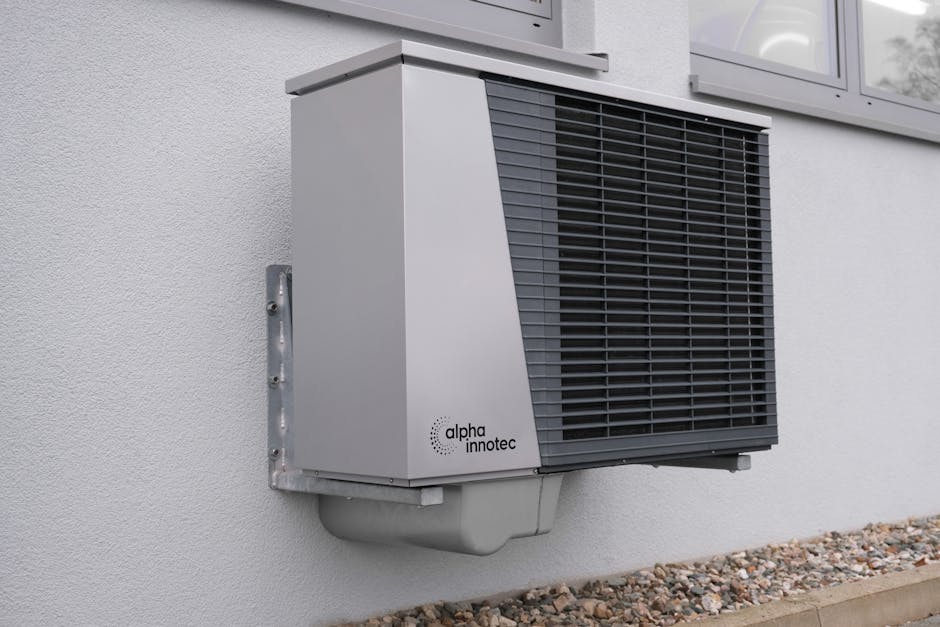
The Sierra Foothills, including Nevada County, present a distinct set of environmental factors that place exceptional demands on our home heating, ventilation, and air conditioning (HVAC) systems. Unlike regions with more moderate climates, we contend with significant seasonal shifts, persistent high-desert dust, pervasive pollen during spring and summer, and, most critically, the annual threat of wildfire smoke. These elements combine to create a challenging environment for maintaining optimal indoor air quality and system efficiency.
Wildfire smoke, in particular, is a formidable adversary for HVAC systems. It carries fine particulate matter, known as PM2.5, which is incredibly small—roughly 30 times thinner than a human hair. These microscopic particles are not only a serious health concern, capable of penetrating deep into our lungs and even entering the bloodstream, but they are also highly efficient at clogging air filters. Research indicates that wildfire smoke particles, often oily in nature, can create a glaze that seals filter fibers much faster than typical household dust. This rapid accumulation of particulates leads to restricted airflow, forcing your HVAC system to work harder and less efficiently.
Beyond smoke, the local environment contributes its own share of airborne contaminants. The high-desert dust common to our area, sometimes containing abrasive crystalline silica, can wear down system components over time. During peak allergy seasons, such as the cottonwood bloom, pollen adds another layer of burden to your HVAC filters, making them less effective at trapping new allergens once clogged.
Under normal conditions, a standard air filter might last up to 90 days. However, in our unique Nevada County climate, these recommendations simply don’t apply. The combined assault of dust, pollen, and especially wildfire smoke, necessitates a much more proactive approach to filter maintenance. During heavy smoke events, for instance, some homeowners may find themselves needing to change their HVAC filters as frequently as every two weeks to maintain breathable indoor air and prevent system strain. Understanding the specific needs for Baehr HVAC filter maintenance in regions like Nevada County is crucial for homeowners.
Choosing the right filter type and MERV (Minimum Efficiency Reporting Value) rating also becomes paramount. While standard MERV 8 filters might suffice for basic dust and pollen, they are largely ineffective against the fine PM2.5 particles found in wildfire smoke. Experts recommend a minimum of MERV 13-rated filters for residential HVAC systems during wildfire season, as these are designed to capture particles as small as 0.3 micrometers, including the most dangerous smoke particulates. However, it’s important to ensure your specific HVAC system can handle a higher MERV filter without unduly restricting airflow, which could lead to other system issues. This is where routine professional maintenance becomes indispensable, as technicians can assess your system’s compatibility and provide tailored recommendations.
Key Advantages of Enrolling in a Routine HVAC Maintenance Program
Enrolling in a routine HVAC maintenance program offers a multitude of benefits that extend far beyond simply changing a filter. For homes in the Sierra Foothills, where environmental stressors are high, these programs are not just a convenience but a necessity for ensuring long-term comfort, safety, and efficiency. We find that a consistent, professional approach to HVAC care provides significant advantages in terms of energy efficiency, extending equipment lifespan, proactive breakdown prevention, and optimizing airflow throughout your home.
One of the most immediate and tangible benefits is improved energy efficiency. Over time, HVAC systems accumulate dust and grime on critical components like evaporator and condenser coils. Even a thin layer, such as 1/16th inch of dust on evaporator coils, can reduce system efficiency by over 20%. A well-maintained system, with clean coils and properly calibrated components, doesn’t have to work as hard to heat or cool your home, leading to lower energy bills. During periods of heavy smoke or extreme temperatures, when your system is running more frequently, these efficiency gains can translate into substantial savings.
Secondly, routine maintenance significantly extends the lifespan of your equipment. We often see that a dirty filter is the number one cause of HVAC system failure. By addressing issues like clogged filters, dirty coils, and worn-out parts before they escalate, technicians prevent premature wear and tear on expensive components like compressors and blower motors. This proactive care ensures your system operates within its intended parameters, postponing the need for costly replacements.
Breakdown prevention is another cornerstone of maintenance programs. Small problems, if left unaddressed, can quickly spiral into major malfunctions. A technician can identify loose electrical connections, refrigerant leaks, or minor component wear during a routine visit, correcting them before they lead to a complete system failure, often at the most inconvenient times—like during a heatwave or a cold snap. This foresight saves homeowners from unexpected repair costs and uncomfortable interruptions to their indoor climate.
Finally, airflow optimization is critical for both system performance and indoor air quality. Proper airflow ensures that conditioned air reaches every corner of your home effectively and that your filtration system can adequately process airborne contaminants. Restricted airflow, often caused by dirty filters or blocked vents, not only reduces comfort but also puts undue strain on the blower motor and can lead to uneven temperatures throughout your living spaces. Regular maintenance ensures that your system’s airflow is unobstructed and balanced, maximizing its ability to filter out dust, pollen, and wildfire smoke.
To illustrate the stark difference, consider the following comparison:
Feature Maintained HVAC System Neglected HVAC System Energy Efficiency Optimized, lower utility bills Reduced, higher energy consumption and costs Equipment Lifespan Extended, fewer premature replacements Shortened, increased risk of early failure Breakdown Frequency Minimized, fewer unexpected repairs Increased, frequent and costly malfunctions Indoor Air Quality Improved, effective filtration of pollutants Compromised, accumulation of dust, allergens, and smoke System Performance Consistent, reliable heating and cooling Erratic, uneven temperatures, poor comfort Airflow Optimized, even distribution and filtration Restricted, reduced comfort and filtration effectiveness Safety Components checked, reduced fire/carbon monoxide risk Unchecked, potential safety hazards Preventing Major Breakdowns Through Routine HVAC Maintenance
The peace of mind that comes with knowing your HVAC system is less likely to fail is invaluable, especially in the extreme weather conditions often experienced in Nevada County. Routine maintenance plays a pivotal role in preventing a range of common and often costly breakdowns.
One frequent issue we encounter is short-cycling, where your furnace or air conditioner turns on and off too frequently, often running for only five minutes or less. This isn’t just an annoyance; it indicates a problem that can lead to increased energy consumption and accelerated wear on the compressor or heat exchanger. Dirty air filters are a primary culprit, as they restrict airflow, causing the system to overheat or freeze and trigger safety mechanisms that shut it down prematurely. Regular filter changes, as part of a maintenance program, directly combat this problem.
Another common breakdown, particularly during our hot summers, is frozen coils. If you’ve ever experienced your AC unit blowing warm air or completely shutting down in July, neglected filters or low refrigerant levels are often to blame. When airflow over the evaporator coil is severely restricted by dirt, the refrigerant inside can’t absorb enough heat, causing the coil’s surface temperature to drop below freezing. This ice buildup further blocks airflow, creating a vicious cycle that can damage the compressor. Maintenance includes checking refrigerant levels and ensuring coils are clean, preventing this damaging scenario.
The compressor, often considered the heart of your air conditioning system, is an expensive component to replace. Overheating due to restricted airflow, operating with low refrigerant, or continuous short-cycling can put immense strain on the compressor, leading to its premature failure. During a maintenance visit, technicians can identify and rectify the underlying issues that stress the compressor, significantly extending its operational life.
Furthermore, electrical connections within your HVAC system can loosen over time due to vibrations or corrosion. These loose connections can lead to inefficient operation, system malfunctions, and even pose a fire hazard. A professional tune-up includes checking and tightening all electrical terminals, ensuring safe and reliable operation. Lastly, general wear and tear on moving parts like blower motors and fan belts is inevitable. Lubrication of moving parts, inspection of belts for cracks, and cleaning of the blower assembly are all standard maintenance tasks that reduce friction and heat, preventing component failure and extending the overall life of your HVAC system.
Enhancing Indoor Air Quality with Routine HVAC Maintenance
In Nevada County, where wildfire smoke can make outdoor air hazardous for extended periods, the quality of our indoor air becomes critically important. Routine HVAC maintenance is a cornerstone of maintaining a healthy indoor environment, actively working to enhance your home’s indoor air quality (IAQ).
The most direct impact of maintenance on IAQ is through air filtration. Your HVAC filter is the first line of defense against airborne pollutants. Regular inspection and timely replacement of these filters, especially with appropriate MERV ratings for our local conditions, ensure that dust, pollen, pet dander, and fine particulate matter from wildfire smoke are effectively captured before they circulate throughout your home. A clogged filter, as we’ve discussed, cannot trap new allergens or pollutants, rendering your system’s filtration efforts largely useless.
Beyond filters, maintenance addresses dust accumulation within the system itself. Ducts, coils, and blower components can become coated with dust and debris over time. When the system operates, these accumulated particles can be dislodged and recirculate into your living spaces. Professional cleaning of these components during maintenance reduces this source of indoor air pollution.
Mold prevention is another vital aspect of IAQ addressed by routine HVAC care. The condensate drain line, which removes moisture collected by your air conditioner, can become clogged with algae or debris. A blocked drain can lead to water backup, creating a breeding ground for mold and mildew within your HVAC unit and ducts. These mold spores can then be distributed throughout your home, causing respiratory issues and unpleasant odors. Maintenance includes checking and clearing this drain line, preventing moisture-related problems.
The integrity of your ductwork also plays a significant role in IAQ. Many HVAC ducts are poorly sealed and maintained, allowing unfiltered air from attics, crawl spaces, or wall cavities to be drawn into your home. This means that even with a high-quality filter, your indoor air can be compromised by dust, insulation fibers, and outdoor pollutants, including wildfire smoke. During a maintenance check, technicians can identify and recommend sealing leaky ducts, ensuring that all the air circulating through your system passes through the filter.
Finally, for those in your home who suffer from seasonal allergies, allergen reduction is a major benefit. By ensuring your filters are clean and effective, your ducts are sealed, and your system is running optimally, maintenance helps to significantly reduce the concentration of pollen, dust mites, and pet dander indoors. This creates a cleaner, more comfortable environment, especially during peak allergy seasons or when outdoor air quality is poor due to smoke.
What to Expect During a Professional Maintenance Visit
When you schedule a professional HVAC maintenance visit, especially in a region like Nevada County with its unique environmental challenges, you’re investing in a comprehensive inspection and tune-up designed to optimize your system’s performance and longevity. Our technicians follow a meticulous checklist to ensure every critical component is functioning correctly and efficiently.
The visit typically begins with an overall assessment of your system’s operation, including checking the thermostat calibration. An improperly calibrated thermostat can lead to inaccurate temperature readings, causing your system to run longer or shorter than necessary, wasting energy and impacting comfort. The technician will ensure it’s accurately reflecting and controlling your home’s temperature.
Next, a crucial step involves coil cleaning. Both the indoor evaporator coil and the outdoor condenser coil are inspected and cleaned. The evaporator coil, located inside your home, can accumulate dirt and dust, reducing its ability to absorb heat from the indoor air. The condenser coil, part of the outdoor unit, can become caked with dirt, leaves, and other debris, especially in dusty or wildfire-prone areas, hindering its ability to release heat to the outside. Clean coils are essential for efficient heat transfer and optimal system performance.
The condensate drain line is also thoroughly inspected and cleared. This line is responsible for draining away the moisture that your air conditioner removes from the air. A clogged drain can lead to water leaks, potential water damage, and the growth of mold and mildew, which can negatively impact indoor air quality.
Safety controls are meticulously tested to ensure they are functioning correctly. This includes components like limit switches, flame sensors (for furnaces), and pressure switches, all of which are vital for preventing dangerous operating conditions and protecting your equipment from damage.
The blower motor is another key component that receives attention. The technician will inspect its condition, ensure it’s clean, and lubricate any moving parts to reduce friction and wear. A well-maintained blower motor is essential for consistent and efficient airflow throughout your home, which is critical for both comfort and effective air filtration.
Finally, all electrical connections are checked for tightness and signs of wear or corrosion. Loose connections can lead to intermittent operation, electrical shorts, and even fire hazards. The technician will also measure voltage and amperage draws on motors to ensure they are operating within manufacturer specifications. This comprehensive approach ensures your system is not only running efficiently but also safely, giving you peace of mind year-round.
Frequently Asked Questions About HVAC Care
Homeowners often have questions about how best to care for their HVAC systems, especially in areas like Nevada County where environmental factors add complexity. Here, we address some of the most frequently asked questions, offering practical tips and guidance for maintaining your system and ensuring optimal indoor air quality and comfort.
How often should routine HVAC maintenance be performed?
For most homes, including those in Nevada County, we generally recommend semi-annual HVAC maintenance. This typically involves a “spring tune-up” for your air conditioning system before the summer heat arrives and a “fall service” for your heating system before winter. This two-pronged approach ensures that both primary components of your HVAC system are inspected, cleaned, and optimized for their respective peak seasons.
However, this is a general guideline. Our regional climate, with its intense summers, cold winters, and prolonged wildfire seasons, often warrants more frequent attention, particularly concerning filter changes. While the standard recommendation for filter replacement might be every 90 days, we’ve found that homes with pets may need changes every 60 days, and those with allergy sufferers could benefit from monthly or every 30-45 day changes during peak seasons. During heavy wildfire smoke events, filter changes may be required as frequently as every two weeks. Regular professional maintenance helps assess your system’s specific needs based on these local conditions and your household’s unique factors.
Can I perform routine HVAC maintenance tasks myself?
While professional maintenance is crucial for the complex aspects of your HVAC system, there are several homeowner tasks you can and should perform regularly to complement professional service and keep your system running smoothly.
The most important DIY task is filter replacement. We encourage homeowners to check their air filters monthly, especially during periods of high dust, pollen, or smoke, and replace them as needed. This simple step is vital for maintaining good indoor air quality and preventing system strain. You can also visually inspect your outdoor unit and clear debris such as leaves, grass clippings, and twigs from around the condenser coil to ensure proper airflow.
However, for tasks involving electrical components, refrigerant levels, coil cleaning, and system diagnostics, it’s best to rely on professional diagnostics. These require specialized tools, training, and knowledge to perform safely and effectively. Attempting complex repairs or adjustments without the proper expertise can lead to further damage, void warranties, or even create safety hazards. Think of it like changing your car’s oil versus rebuilding its engine—some tasks are homeowner-friendly, while others demand a certified professional.
How does routine HVAC maintenance protect my system during wildfire season?
Wildfire season presents unique and severe challenges for your HVAC system, making routine maintenance an indispensable defense. Here’s how it helps:
Firstly, maintenance ensures your system is equipped to handle smoke particulates. Technicians can advise on and install the appropriate MERV-rated filters (typically MERV 13 or higher) that are capable of capturing the fine PM2.5 particles from wildfire smoke. They also check for proper filter fit, ensuring that smoke isn’t bypassing the filter through gaps. During heavy smoke events, you may need to change your filter every two weeks. Even after the smoke dissipates, it’s recommended to change your furnace or HVAC filter monthly until any lingering smoke smell goes away, using MERV 11 or 12-rated filters.
Secondly, maintenance addresses ash accumulation. Wildfire smoke often carries fine ash particles that can settle on outdoor condenser coils and even infiltrate indoor components. Professional cleaning of these coils and internal components during maintenance prevents ash from building up, which would otherwise impede heat transfer and reduce system efficiency.
Thirdly, it protects your fan motor and other moving parts. The increased resistance from clogged filters and the constant battle against airborne particulates put extra strain on the blower motor. During maintenance, the motor is inspected, cleaned, and lubricated, ensuring it can handle the increased workload during wildfire season without overheating or failing prematurely.
Finally, maintenance contributes to emergency filtration readiness. A technician can assess the overall integrity of your HVAC system, including ductwork, to minimize smoke infiltration from outside. They can also ensure your system’s fan can be set to run continuously during smoke events, providing constant air filtration, and advise on additional indoor air quality solutions like portable air purifiers or creating “clean rooms” within your home. By ensuring your system is in peak condition, routine maintenance gives you the best possible defense against the harmful effects of wildfire smoke on your indoor air quality and your HVAC equipment.
Conclusion
In Nevada County, where the beauty of the Sierra Foothills is balanced by environmental challenges like wildfire smoke, dust, and seasonal allergens, routine HVAC maintenance is not merely a suggestion—it’s a critical investment in your home’s health and comfort. We’ve seen how a proactive approach to HVAC care directly translates into significant benefits, from ensuring cleaner indoor air during hazardous smoke events to extending the lifespan of your valuable equipment and reducing energy costs.
By understanding the unique demands placed on our systems in this region and embracing the comprehensive care offered by professional maintenance programs, homeowners can navigate the complexities of our local climate with greater confidence. Regular inspections, timely filter changes, and expert tune-ups prevent costly breakdowns, optimize system performance, and, most importantly, safeguard the indoor air quality that is so vital for our well-being. Investing in routine HVAC maintenance is an investment in long-term reliability, peace of mind, and the comfort of your home, ensuring that your system is always ready to protect you, no matter what the season brings.
©2026 The Dedicated House. All rights reserved. No part of this blog post may be used or reproduced without the written consent of the copyright owner.
Click the links below for any posts you have missed:
 Choosing a Customer-Focused Heating and Plumbing Contractor
 Building and Maintaining Strong Structural Foundations
 Essential Tips for Buying a Home in a Master-Planned Community
 The Homeowner’s Seasonal Maintenance Checklist: Protecting Your House Year-Round
 Selling in a Slower Market: The Indianapolis Homeowner’s Playbook for 2026
 Florida Home Design Trends for 2026: Creating Coastal, Connected, and Sustainable Spaces
I’d love for you to join my email list! You’ll receive a notification straight to your inbox which will include links to my latest home project posts! Simply enter your address below.
Thanks for stopping by! Have a wonderful day/night depending on where you are in the world! Go with God and remember to be kind to one another!
Toodles,

Leave a Reply