Termites are one of the most concerning pest problems for homeowners because they can stay hidden while damage develops behind walls, under flooring, near foundations, or inside structural wood. Unlike ants, roaches, or spiders, termites are not always noticed right away. By the time visible signs appear, the colony may already be active in or around the home.
For San Antonio homeowners, proactive termite inspection is especially important because warm weather, soil contact, moisture, slab foundations, landscaping, and wood around the home can all create conditions that support termite activity. Waiting until damage is obvious can make the problem more expensive and more stressful to address.
A better approach is to understand the warning signs, reduce risk factors, and schedule professional inspections before termites have time to spread.

Why Termite Problems Often Go Unnoticed
Termites do not usually move through the open like many other pests. Subterranean termites, one of the most common termite concerns for homeowners, often travel through soil, hidden tunnels, and protected pathways. They may enter a home through foundation cracks, expansion joints, plumbing penetrations, or areas where wood and soil are close together.
Because of this, homeowners may not see live termites even when activity is present.
Common hidden termite activity areas include:
- Wall voids
- Baseboards
- Door frames
- Window frames
- Flooring edges
- Crawl spaces
- Garages
- Fence lines
- Porch posts
- Plumbing areas
- Slab edges
- Mulch beds
- Wood piles
- Tree stumps
This hidden behavior is one reason inspections matter. A professional can look for signs that may not be obvious during normal household routines.
Early Warning Signs of Termite Activity
Termite damage can be subtle at first. Some signs may look like moisture damage, aging wood, or normal wear.
Homeowners should watch for:
- Mud tubes near the foundation
- Discarded wings
- Swarming insects near windows or lights
- Soft or hollow-sounding wood
- Bubbling or blistered paint
- Damaged trim or baseboards
- Tight doors or windows
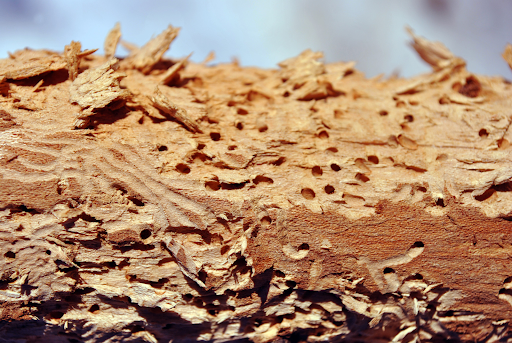
- Small holes or surface changes in wood
- Wood that sounds papery when tapped
- Frass or debris near damaged areas
- Activity near moisture-prone spaces
One sign alone does not always confirm termites, but it should be investigated. Mud tubes, swarmers, and unexplained wood damage are especially important to address quickly.
Why San Antonio Homes Can Be Vulnerable
San Antonio homes may face termite risk because many properties have conditions that support moisture, soil contact, and hidden access points. Even newer homes are not immune.
Common risk factors include:
- Slab foundation gaps
- Irrigation near the home
- Mulch close to exterior walls
- Wood fencing connected near the structure
- Firewood stored against the home
- Leaky outdoor faucets
- Poor drainage
- Plumbing leaks
- Dense landscaping
- Tree stumps or buried wood
- Cracks around the foundation
- Expansion joints
- Garage and porch areas
A home does not need to be old or poorly maintained to have termite risk. Termites are attracted to conditions, not the age of the home alone.
Why Visual Damage Is a Late Signal
Many homeowners call for help only after they see visible damage. The problem is that visible damage may mean termites have already had time to work inside hidden areas.
A small damaged trim board may be connected to activity behind a wall. A mud tube near the foundation may indicate termites are moving from soil into the structure. Discarded wings may show that swarmers have been active near the home.
This is why termite control should not be based only on what can be seen from the living room. A full inspection should include the exterior, foundation edge, garage, moisture areas, wood features, and other vulnerable points.
What a Termite Inspection Should Include
A termite inspection should be thorough and practical. The goal is to identify signs of current activity, previous damage, and conditions that could increase risk.
A professional inspection may include checking:
- Foundation edges
- Exterior walls
- Garage areas
- Door frames
- Window frames
- Baseboards
- Crawl spaces if present
- Attics when accessible
- Moisture-prone areas
- Plumbing penetrations
- Wood-to-soil contact
- Fence connections
- Porches and patios
- Mulch and landscaping
- Visible structural wood
- Previous treatment indicators
A good inspection should also include clear communication. Homeowners should understand what was found, what it means, and what the next step should be.
Why Moisture Control Matters
Termites are often connected to moisture. Leaks, drainage problems, irrigation overspray, and damp wood can all make a property more attractive.
Homeowners can reduce termite risk by:
- Repairing plumbing leaks
- Fixing leaking outdoor faucets
- Keeping irrigation away from the foundation
- Improving drainage
- Reducing standing water
- Avoiding excessive mulch near exterior walls
- Keeping gutters clear
- Maintaining visible foundation edges
- Replacing damaged wood
- Improving ventilation in enclosed areas
Moisture control does not guarantee that termites will never appear, but it helps reduce favorable conditions.
Landscaping Can Increase or Reduce Risk
Landscaping choices can affect termite risk around the home.
Mulch, wood borders, dense shrubs, and constant irrigation close to the foundation can make inspection harder and increase moisture. Tree stumps, buried wood, and untreated wood features may also create termite-friendly areas.
A safer approach includes:
- Keeping mulch away from direct foundation contact
- Trimming vegetation away from walls
- Moving firewood away from the house
- Removing dead wood
- Keeping the foundation edge visible
- Checking fence and deck connections
- Avoiding constant moisture near exterior walls
The goal is not to remove all landscaping. The goal is to create a cleaner, more inspectable area around the structure.
Why DIY Termite Control Is Risky
Termites are not a pest homeowners should try to manage only with surface-level products. Spraying visible insects or damaged wood may not reach the colony or the hidden entry routes.
DIY termite control can be risky because:
- The visible damage may not show the full problem
- The colony may be outside the structure
- Termites may be entering from multiple points
- Incorrect treatment can delay proper control
- Hidden damage may continue
- Some products may not be appropriate for the situation
- Ongoing monitoring may be needed
Professional termite control is different from general household insect treatment. It requires correct identification, inspection, treatment planning, and follow-up.
Treatment Should Match the Property
There is no single termite solution that fits every home. The right approach depends on the structure, activity level, soil conditions, foundation type, access points, previous treatments, and whether the goal is active control, prevention, or long-term monitoring.
Common termite control strategies may involve treatment methods such as baiting systems, liquid treatments, localized treatments, or integrated plans depending on the situation.
Before treatment begins, homeowners should ask:
- Is there active termite activity?
- Where are termites entering?
- Is this a prevention plan or active treatment?
- What type of termite is involved?
- What treatment method is recommended?
- How long does the treatment take?
- Is monitoring included?
- Are follow-up visits needed?
- Is there a warranty or protection plan?
- What should the homeowner change around the property?
The answers should be clear and easy to understand.
Why Proactive Inspections Are Worth It
A proactive termite inspection can help homeowners identify issues before major damage appears. This is especially useful before buying a home, after noticing swarmers, when renovating, or when a property has never been professionally inspected.
Inspections can also be valuable when:
- There is wood near the foundation
- The home has moisture issues
- Landscaping touches the house
- There are cracks near the slab
- The property has had termites before
- Neighboring homes have had termite activity
- The homeowner sees wings, mud tubes, or unexplained damage
Termite inspections are not only for emergencies. They are part of responsible home maintenance.
Termite Protection Is a Long-Term Strategy
Even after treatment, termite protection should be viewed as an ongoing strategy. Conditions around the home can change. Landscaping grows. Irrigation systems develop leaks. Wood is stored near the house. Cracks appear. Moisture problems return.
Long-term termite protection may include:
- Regular inspections
- Monitoring stations
- Maintenance of treatment systems
- Moisture correction
- Landscape adjustments
- Repair of damaged wood
- Foundation visibility
- Clear documentation
- Follow-up service when needed
Homeowners looking for termite protection for San Antonio homes should focus on both treatment and prevention. A plan should address current termite risk while also reducing future conditions that could attract activity.
Questions San Antonio Homeowners Should Ask
Before choosing a termite provider, homeowners should ask direct questions.
Useful questions include:
- Do you inspect the full structure and exterior?
- What signs of activity did you find?
- Is the activity active or old?
- What type of termite is involved?
- What treatment method do you recommend?
- Why is that method right for this property?
- Is prevention included?
- Is monitoring included?
- Is there a warranty or service agreement?
- What should I change around the home to reduce risk?
A professional should be willing to explain the findings and the treatment plan clearly.
When to Schedule a Termite Inspection
Homeowners should consider scheduling an inspection if they notice warning signs or if the home has not been checked in a long time.
Inspection is especially important when:
- Swarmers are seen indoors or near the home
- Mud tubes appear near the foundation
- Wood sounds hollow
- Baseboards or trim look damaged
- Doors or windows suddenly stick
- Moisture problems are present
- The home is being bought or sold
- Renovation work exposes hidden wood damage
- The property has a history of termite activity
Early inspection can make the next steps clearer and prevent guesswork.
Protecting the Home Before Damage Spreads
Termites can create serious stress for homeowners because they often work quietly. The best time to think about termite protection is before damage becomes obvious.
A proactive plan should include inspection, moisture control, landscaping awareness, treatment when needed, and ongoing monitoring. It should also include clear communication so homeowners understand what was found and how the property can be protected.
For homeowners who need San Antonio termite inspection and treatment, iPest Solutions provides termite-focused services across Central and South Texas, including San Antonio, Waco, College Station, and Temple/Killeen. Current iPest pages describe prevention-focused pest proofing inspections, subterranean termite protection, and termite control using the Sentricon termite baiting system.
By taking termite risk seriously before damage becomes visible, San Antonio homeowners can better protect the structure, reduce long-term repair concerns, and make more informed decisions about treatment and prevention.
©2026 The Dedicated House. All rights reserved. No part of this blog post may be used or reproduced without the written consent of the copyright owner.
Click the links below for any posts you have missed:
 Back-to-School Begins at Home: OVIOS Reimagines Everyday Living for a New Season
 Understanding the Role of Masonry in Sustainable Home Design
 How to Choose the Right City Apartment Location
 The Importance of Soft Skills in the Skilled Trades
 The Importance of Same-Day Appointments for HVAC Emergencies
 Thinking About a Bathroom Remodel? Avoid DIY Mistakes that Can Cost You Thousands
I’d love for you to join my email list! You’ll receive a notification straight to your inbox which will include links to my latest home project posts! Simply enter your address below.
Thanks for stopping by! Have a wonderful day/night depending on where you are in the world! Go with God and remember to be kind to one another!
Toodles,

Leave a Reply