Effective communication is the cornerstone of any successful service interaction, especially in skilled trades like plumbing and HVAC. When technicians actively listen, they gain a deeper understanding of a homeowner’s concerns, often identifying underlying issues that might otherwise be overlooked. Empathy allows them to connect with clients on a human level, acknowledging the stress or inconvenience caused by a malfunctioning system. Clarity in explanations builds trust, ensuring homeowners feel informed and respected. This transparent approach fosters a strong, reliable relationship between service provider and client.
Explaining Technical Issues Simply
One of the most common frustrations homeowners face is understanding complex technical jargon. A skilled tradesperson, while possessing deep technical knowledge, must also excel at translating that expertise into understandable language. This means avoiding industry-specific terms where possible, or explaining them clearly when necessary. Using visual aids, such as diagrams or even pointing to components on the actual unit, can significantly enhance comprehension. Transparency in explaining the problem, the proposed solution, and the potential outcomes empowers homeowners to make informed decisions. This customer education is invaluable, turning a potentially confusing situation into a collaborative one.
Setting Clear Expectations
Setting clear expectations from the outset is crucial for a smooth service experience. This includes discussing realistic timelines for diagnosis, repair, or installation, outlining the steps involved in the service, and informing the homeowner about any preparation needed on their part. For instance, knowing that a water heater installation might require clearing a path or ensuring access to utility lines can prevent delays. Furthermore, a professional will always discuss what to expect after the service, including follow-up procedures or maintenance recommendations. For homeowners seeking detailed guidance on various aspects of water heater installations, including considerations for efficiency and local regulations in Anaheim, a comprehensive resource like the Power Pro Anaheim water heater guide can provide valuable insights.
Problem-Solving and Adaptability on the Job
Beyond communication, a technician’s ability to problem-solve and adapt is paramount. Every home presents a unique set of challenges, from the age and layout of the property to the specific nuances of its plumbing or HVAC systems. Critical thinking allows technicians to accurately diagnose issues, while flexibility ensures they can adjust their approach when unexpected obstacles arise. Resilience is key when troubleshooting complex problems, ensuring they remain focused and dedicated to finding a solution.
Navigating Unexpected Home Layouts
No two homes are exactly alike, and this reality often requires technicians to be highly adaptable. They must possess spatial awareness to navigate tight crawl spaces, attics, or basements, and understand how a home’s unique structure might impact system installation or repair. This includes adhering to safety codes and local building regulations, even when faced with unconventional setups. Developing custom solutions that respect structural limits and aesthetic preferences, while still delivering optimal performance, is a hallmark of a truly skilled and adaptable tradesperson.
Managing Complex Plumbing and HVAC Maintenance Challenges
Modern homes, historical properties, and everything in between present a spectrum of maintenance challenges. Technicians must be adept at system diagnostics across various generations of equipment. For example, maintaining an HVAC system in a historic Anaheim home might involve different considerations than servicing a new, energy-efficient unit. They must also be aware of regional demands, such as the impact of Southern California’s climate on air conditioning systems, or local water quality on water heaters. This expertise ensures that whether it’s a routine check or a major overhaul, the work is performed with precision and an understanding of the broader context.
Professionalism and Reliability as Trust Builders
Trust is earned through consistent professionalism and reliability. Punctuality demonstrates respect for a homeowner’s time, while maintaining a clean workspace shows consideration for their property. Accountability, from transparent explanations to standing behind the quality of their work, solidifies this trust. These traits transform a service interaction into a positive experience, fostering long-term relationships.
Respecting the Homeowner’s Space
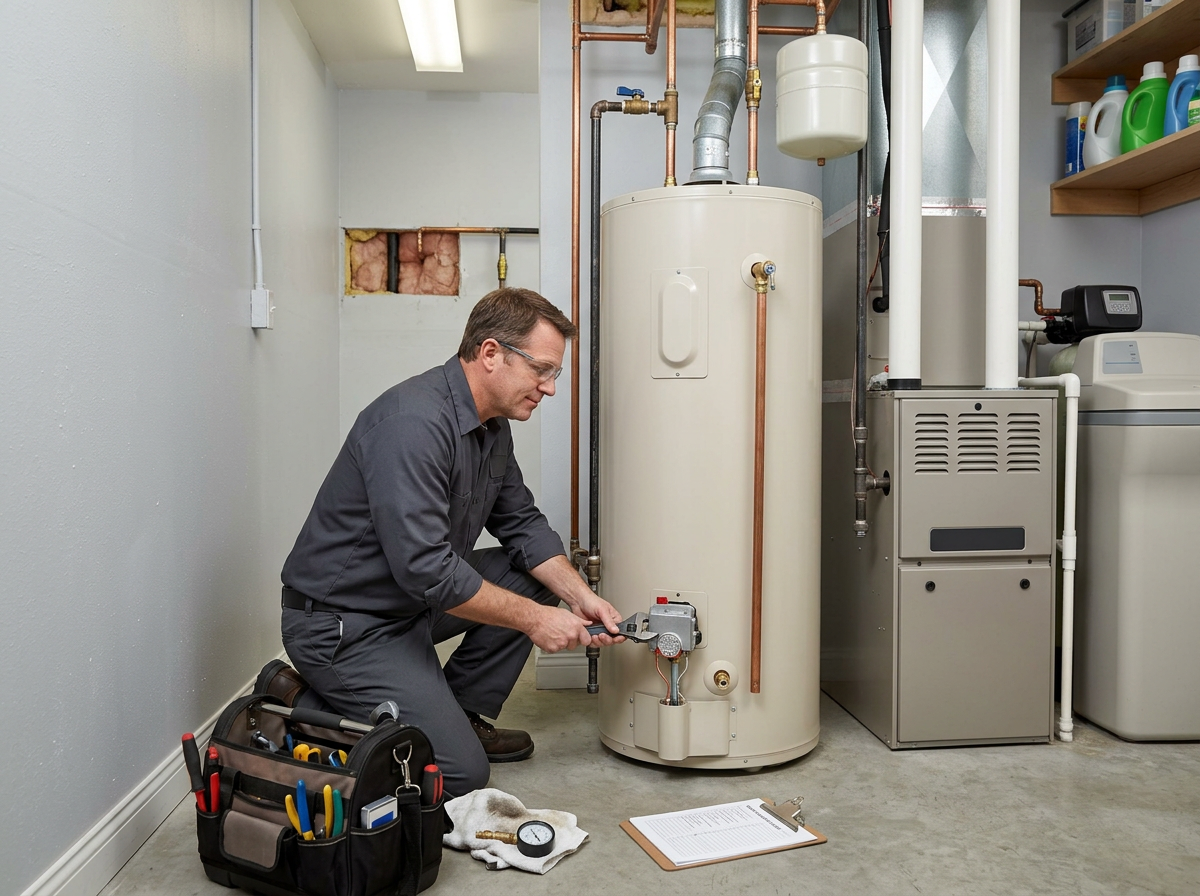
A professional technician understands that they are guests in someone’s home. This respect is demonstrated through simple yet significant actions: wearing shoe covers to protect flooring, laying down drop cloths to contain any mess, and meticulously cleaning up after the job is complete. Protecting the homeowner’s property from accidental damage or unnecessary disruption is not just good practice; it’s a fundamental aspect of customer service.
Maintaining Consistency in Plumbing and HVAC Maintenance
Consistency in service delivery is vital for building and maintaining a reputation for reliability. This means adhering to routine checks, upholding the highest safety standards, and ensuring quality assurance in every task. Whether it’s a minor repair or a significant installation, the same level of diligence and expertise should be applied. This unwavering commitment to quality ensures long-term reliability of the installed systems and peace of mind for the homeowner.
Frequently Asked Questions about Home Maintenance
Homeowners often have many questions when it comes to the maintenance and replacement of their essential home systems. Here, we address some common inquiries, providing general guidance to help you understand what to expect.
What are the signs that a water heater needs replacement?
Several indicators suggest that your water heater might be nearing the end of its lifespan and could require replacement. These include:
- Age: Most traditional tank water heaters last between 8 and 12 years. If your unit is older than this, it’s generally a good idea to start considering a replacement, even if it’s still functioning. Tankless units can last longer, often up to 20 years with proper maintenance.
- Lack of Hot Water: If you’re consistently running out of hot water faster than usual, or if the water isn’t getting as hot as it used to, the heating elements or burner might be failing, or the tank might be too small for your needs.
- Leaking: Any visible leaks around the base of the water heater are a serious sign. While some leaks might be from loose connections that can be tightened, a leak from the tank itself usually means internal corrosion and necessitates replacement.
- Rusty or Discolored Water: If you notice rusty or discolored water coming from your hot water taps (but not your cold water taps), it often indicates that the inside of your water heater tank is corroding.
- Strange Noises: Popping, rumbling, or banging sounds coming from your water heater can signal sediment buildup at the bottom of the tank. This sediment reduces efficiency and can eventually damage the tank.
- Higher Energy Bills: An aging or inefficient water heater has to work harder to heat water, which can lead to a noticeable increase in your utility bills.
If you observe any of these signs, it’s wise to have a qualified professional inspect your unit to determine the best course of action.
How long does a typical water heater installation take?
The duration of a water heater installation can vary depending on several factors, including the type of water heater being installed, the complexity of the job, and whether any modifications are needed.
- Standard Tank Water Heater: A straightforward replacement of a traditional tank water heater with a similar model in the same location typically takes between two and three hours. This includes draining and removing the old unit, positioning the new one, connecting water and gas/electrical lines, and testing the system.
- Tankless Water Heater: Installing a tankless water heater, especially if it’s replacing a traditional tank unit, can take longer. This is because tankless systems often require new venting, gas lines, or electrical connections to accommodate their higher demands. A complex tankless installation might take anywhere from four to eight hours, or even a full day, depending on the extent of the modifications required.
- Hybrid or Solar Water Heaters: These systems often involve more intricate installations due to their specialized components (e.g., heat pump for hybrid, roof-mounted panels for solar) and can take longer than standard tank or tankless units.
Factors that can extend installation time include:
- Relocating the water heater to a new spot.
- Upgrading gas or electrical lines to meet new unit requirements.
- Addressing unforeseen plumbing or venting issues.
- Ensuring compliance with local building codes, which may require additional steps like earthquake strapping.
A professional installer will provide a more accurate time estimate after assessing your specific situation.
What maintenance is required after a new system installation?
Even after a new water heater or HVAC system is installed, regular maintenance is essential to ensure its longevity, efficiency, and safe operation. The specific tasks will depend on the type of system, but general best practices include:
For Water Heaters (Tank and Tankless):
- Annual Flushing (Tank Units): For traditional tank water heaters, it’s crucial to drain and flush the tank annually to remove sediment buildup. This prevents corrosion, improves efficiency, and extends the unit’s life.
- Anode Rod Inspection (Tank Units): The anode rod, often called the “sacrificial rod,” protects the tank from corrosion. It should be inspected every 3-5 years (or annually in areas with hard water) and replaced when significantly corroded.
- T&P Valve Testing: The temperature and pressure relief (T&P) valve is a critical safety device. It should be tested annually by a professional to ensure it’s functioning correctly and can release excessive pressure or temperature.
- Descaling (Tankless Units): Tankless water heaters require periodic descaling (typically annually, depending on water hardness) to remove mineral buildup from the heat exchanger. This maintains efficiency and prevents damage.
- External Inspection: Regularly check for any leaks, corrosion on connections, or unusual noises.
For HVAC Systems (Furnaces, ACs, Heat Pumps):
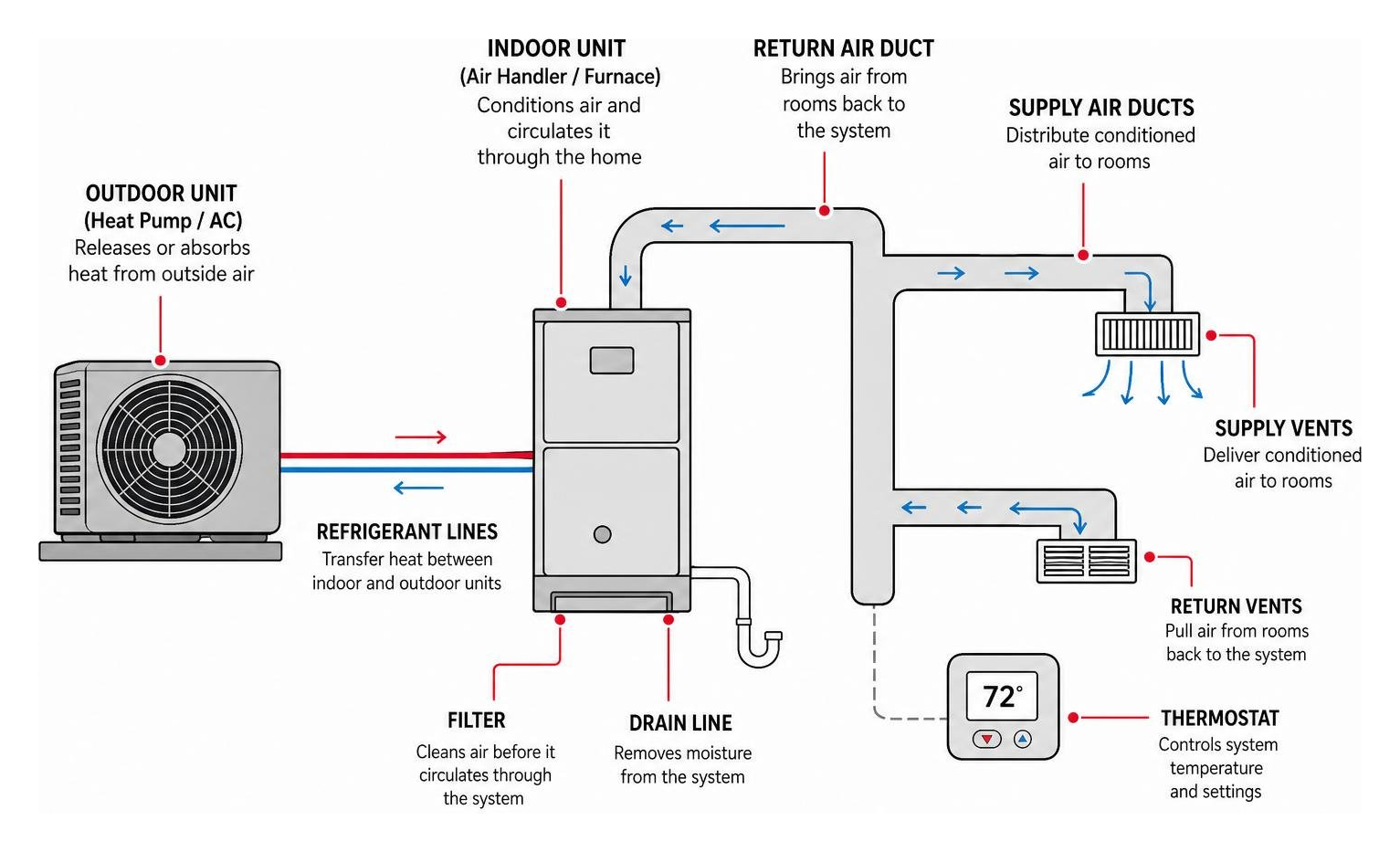
- Filter Replacement: Replace or clean air filters every 1-3 months, or more frequently if you have pets, allergies, or high usage. A clean filter is vital for air quality and system efficiency.
- Annual Tune-Ups: Schedule professional maintenance for your AC in the spring and your furnace in the fall. These tune-ups involve cleaning coils, checking refrigerant levels, inspecting electrical connections, lubricating moving parts, and ensuring all components are operating safely and efficiently.
- Clear Outdoor Unit: Keep the area around your outdoor AC or heat pump unit clear of debris, foliage, and obstructions to ensure proper airflow.
- Thermostat Check: Ensure your thermostat is functioning correctly and programmed for optimal energy savings.
Regular professional maintenance not only helps prevent costly breakdowns but also ensures your warranties remain valid and your systems operate at peak performance.
Conclusion
In skilled trades, technical prowess is non-negotiable. Yet, as we’ve explored, the true measure of service excellence extends far beyond the ability to turn a wrench or wire a circuit. Soft skills—active listening, clear communication, empathy, problem-solving, and unwavering professionalism—are the threads that weave together a positive customer experience. They build trust, foster understanding, and transform a transactional service into a valuable relationship. When you choose a tradesperson for any home service, from a simple repair to an affordable water heater installation in Anaheim, CA, their soft skills are just as important as their hard skills. They are the key to ensuring not just a functional home, but a comfortable and reassuring service journey. Investing in service providers who prioritize these qualities means investing in peace of mind and lasting satisfaction.
©2026 The Dedicated House. All rights reserved. No part of this blog post may be used or reproduced without the written consent of the copyright owner.
Click the links below for any posts you have missed:
 The Importance of Same-Day Appointments for HVAC Emergencies
 Thinking About a Bathroom Remodel? Avoid DIY Mistakes that Can Cost You Thousands
 Specialized Maintenance for High-End Refrigeration Systems
 8 Best Calgary Realtors for Buying, Selling, and Investing
 What Home Buyers Notice in the First Five Minutes (That Sellers Usually Miss)
 The 2026 Homebuyer’s Guide to Trustworthy Mortgage Paperwork
I’d love for you to join my email list! You’ll receive a notification straight to your inbox which will include links to my latest home project posts! Simply enter your address below.
Thanks for stopping by! Have a wonderful day/night depending on where you are in the world! Go with God and remember to be kind to one another!
Toodles,

Leave a Reply