When your heating, ventilation, and air conditioning (HVAC) system falters, it’s more than just an inconvenience; it can quickly become a serious safety concern. An HVAC emergency arises when a system failure poses risks to health, property, or both. Imagine a furnace ceasing to function during a deep winter freeze, leaving your home vulnerable to burst pipes and your family exposed to dangerously low temperatures. Or consider an air conditioner breaking down in the peak of a scorching summer, creating an environment ripe for heat exhaustion, especially for vulnerable populations like the elderly, young children, or those with pre-existing health conditions. These scenarios underscore why prompt, professional intervention is not just desired, but often critical.
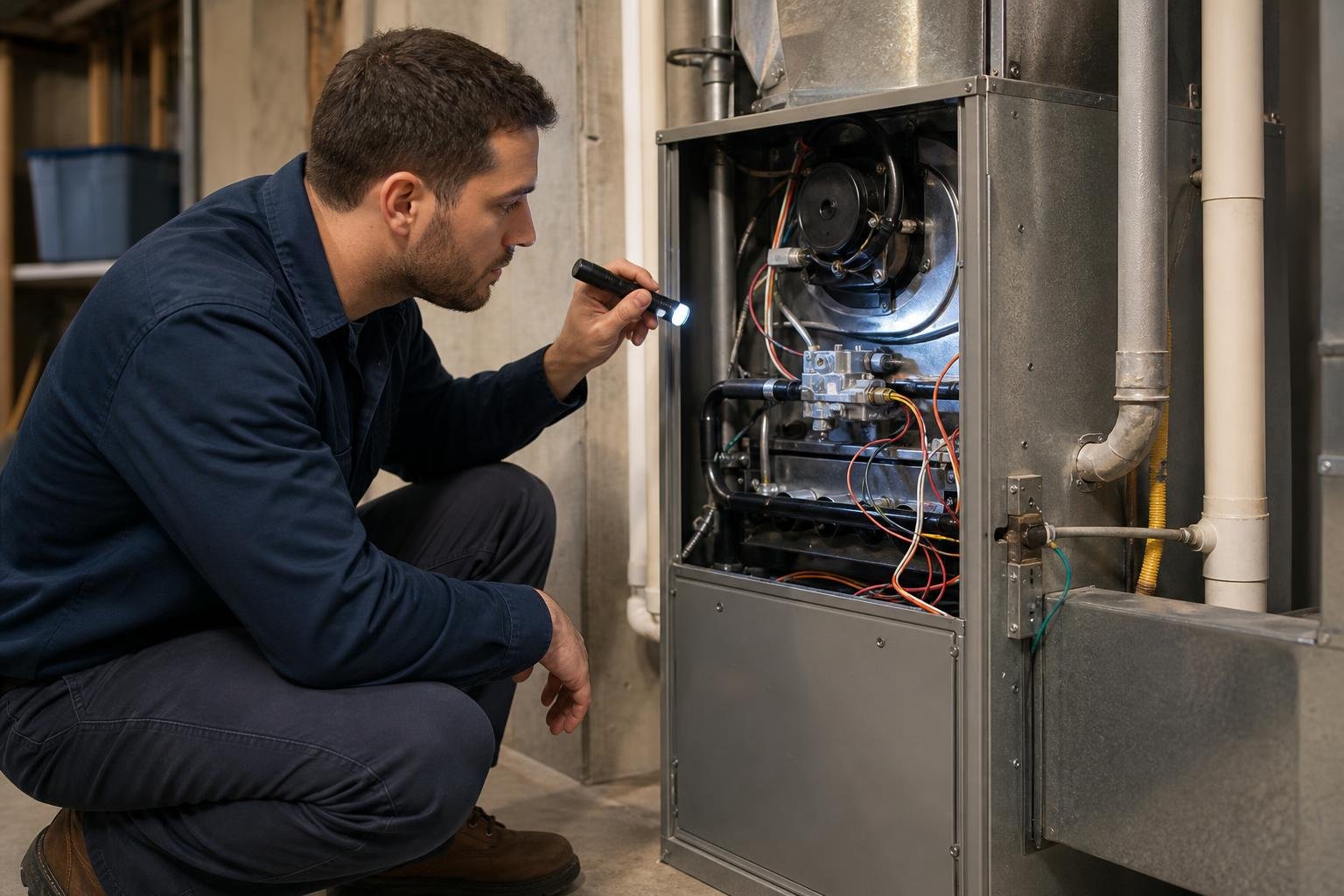
Such emergencies are often characterized by a complete system failure, where your home loses its ability to maintain a safe and comfortable indoor climate. Beyond temperature extremes, certain malfunctions can introduce immediate hazards, demanding urgent attention from qualified professionals.
Critical Signs You Need Emergency HVAC Services
Identifying a true HVAC emergency is key to knowing when to call for immediate help. While some issues can wait for business hours, others require swift action. Here are the critical signs that indicate you need emergency HVAC repair:
- Burning Smells: A persistent burning odor, especially a metallic or electrical smell, can indicate overheating components or wiring issues. This is a fire hazard and requires immediate shutdown and professional inspection.
- Electrical Sparking or Repeated Breaker Trips: If you see sparks coming from your unit or your circuit breaker repeatedly trips when the HVAC system attempts to run, it points to a serious electrical fault. Do not repeatedly reset the breaker, as this can worsen the problem or create a fire risk.
- Suspected Gas Leaks: If you smell rotten eggs or sulfur, particularly near your furnace, it could be a gas leak. This is extremely dangerous. Evacuate your home immediately, turn off your gas supply if safe to do so, and contact your gas provider and emergency services from a safe distance.
- Carbon Monoxide Alarms: If your carbon monoxide detector sounds, it’s an urgent warning. Carbon monoxide is an odorless, colorless gas that can be deadly. Open windows, evacuate the premises, and call emergency services. Do not re-enter until cleared by professionals.
- Active Water Flooding: While a small drip might be manageable, active water flooding from your indoor unit can cause significant property damage to ceilings, walls, and flooring, and could pose an electrical hazard. Shut down the system and call for emergency service to prevent further damage.
- Complete Loss of Heating or Cooling During Extreme Weather: As mentioned, if your heating fails in freezing temperatures or your air conditioning fails during a heatwave, it creates unsafe living conditions and warrants an emergency call.
Non-Emergency Situations vs. Urgent Hazards
It’s important to distinguish between issues that require immediate emergency service and those that can typically wait for a scheduled appointment. Calling for emergency service for a non-urgent issue can incur unnecessary costs and divert resources from true emergencies.
| Scenario | Emergency HVAC Service Needed? | Why? An HVAC problem is an actual emergency when it causes unsafe conditions, heavy water leakage, or complete loss of climate control during extreme temperatures, such as strong burning smells, large water leaks, or complete power loss.
Pre-Call Troubleshooting: Steps to Take Before Calling a Technician
Before reaching out for professional assistance, there are several basic checks you can perform that might resolve the issue or at least help the technician diagnose the problem faster. These simple troubleshooting steps can save you valuable time and potentially the cost of an emergency call. When dealing with an urgent situation, knowing what to do and what not to do is crucial. For reliable guidance and professional support, especially when facing complex issues, qualified experts are always ready to provide emergency HVAC service.
Quick Triage Checklist for Homeowners
Here’s a quick checklist to run through before making that emergency call:
- Thermostat Settings: Double-check that your thermostat is set to the correct mode (heat/cool) and desired temperature. Ensure it has fresh batteries, as dead batteries are a surprisingly common cause of system inactivity.
- Tripped Breakers: Go to your electrical panel and see if the circuit breaker for your HVAC system has tripped. If it has, reset it once. If it trips again immediately, do not reset it repeatedly, as this indicates a more serious electrical issue.
- Clogged Filters: A severely clogged air filter can restrict airflow, causing your system to overheat or freeze up. Check your filter and replace it if it’s dirty.
- Outdoor Unit Blockages: Ensure the outdoor unit (condenser) is clear of debris like leaves, grass clippings, or overgrown bushes. Blocked airflow can cause the unit to malfunction.
- Airflow Restriction: Check that all supply and return vents inside your home are open and unobstructed by furniture or drapes.
When to Shut Down Your System Immediately
While basic troubleshooting is encouraged, certain warning signs demand immediate system shutdown to prevent further damage or ensure safety. If you encounter any of the following, turn off your HVAC system at the thermostat and, if necessary, at the circuit breaker:
- Loud Banging or Screeching Noises: These sounds often indicate a serious mechanical failure, such as a loose or failing motor component. Continuing to run the system can lead to catastrophic damage to the compressor or other expensive parts.
- Electrical Faults (Sparks, Burning Smells): As discussed, these are fire hazards. Shutting off power immediately is paramount.
- Frozen Coils: If you notice ice forming on your indoor or outdoor unit, turn off the system. A frozen coil usually points to a severe airflow problem or a refrigerant issue. Running a system with a frozen coil can damage the compressor.
- Water Leaks Near Electrical Components: If water is pooling near any electrical parts of your unit, shut off the power to prevent electrocution or electrical damage.
What to Expect When You Call for Emergency HVAC Services
When you’re facing an HVAC emergency, the last thing you need is uncertainty about what happens next. Reputable emergency HVAC companies understand this and strive to provide a clear, reassuring process from your initial call to the completion of the repair.
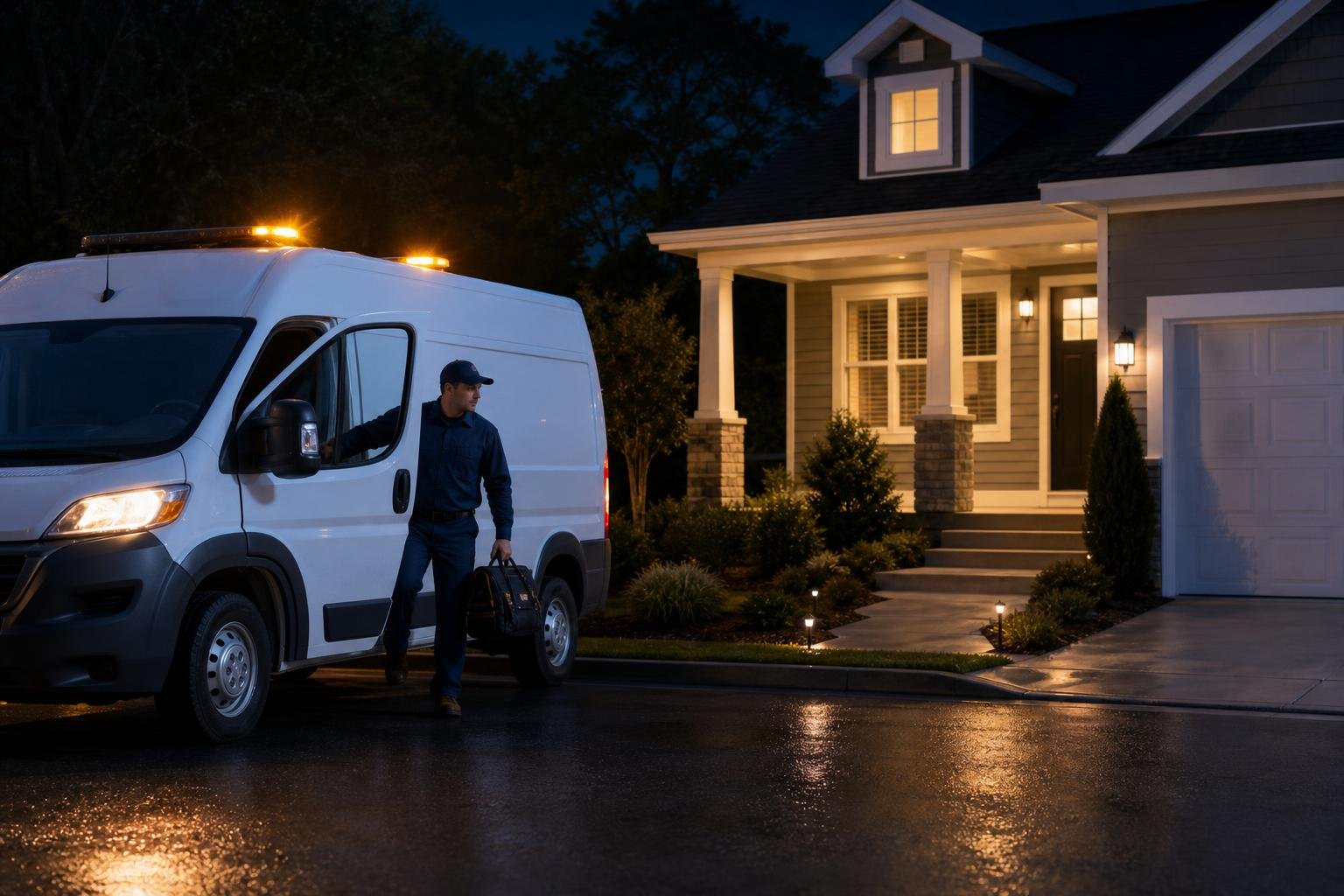
Upon contacting an emergency service, you should expect to speak with a live dispatcher, even after hours or on holidays. They will ask you about the nature of your emergency, any symptoms you’ve observed, and your location. This initial conversation helps them triage the urgency and dispatch the most appropriate technician. When the technician arrives, they should be in a clearly marked company vehicle and present identification for your security. Their priority will be to safely diagnose the problem, explain their findings, and outline the necessary repairs.
Response Times and After-Hours Pricing Structures
One of the most common questions during an emergency is, “How quickly can someone get here?” Response times for emergency HVAC services can vary based on factors like your location, the time of day, and the company’s staffing levels. Many companies boast average response times under 60 minutes for local dispatches, especially if they have a large fleet of technicians. Companies with a significant team, like those with 13 licensed technicians, often have an advantage in dispatch speed during peak demand.
Regarding pricing, it’s common for emergency HVAC services to have different structures than routine appointments. Some companies pride themselves on offering flat-rate pricing, meaning the cost is the same whether it’s during business hours or the middle of the night, with no overtime charges. Others may have premium fees or surcharges for after-hours, weekend, or holiday calls. It’s crucial to clarify the pricing structure, including any diagnostic fees, upfront before authorizing any work. Reputable providers will always offer transparent, upfront estimates.
Choosing the Right Emergency HVAC Provider
Selecting the right emergency HVAC company is paramount for a swift, effective, and trustworthy resolution. Here are key factors to consider:
- Technician Certifications: Look for companies whose technicians are NATE-certified (North American Technician Excellence) or hold other industry-recognized certifications. For any work involving refrigerants, EPA 608 certification is a mandatory legal requirement. These certifications indicate a high level of training and expertise.
- Customer Reviews and Community Reputation: Check online reviews and ratings (e.g., Google, Yelp) to gauge customer satisfaction, especially regarding emergency response times and transparency. A company with a long-standing positive reputation in the community, often with decades of service, is a strong indicator of reliability.
- Parts Availability and Fully Stocked Trucks: A well-prepared emergency technician will arrive in a fully stocked service vehicle with commonly needed replacement parts. This significantly increases the chances of a first-visit resolution, saving you time and discomfort.
- 24/7 Availability and Live Answering: For true emergencies, you need a company that offers 24/7/365 service and, critically, has a live person answering the phone rather than an automated voicemail system.
- Warranty Coverage: Inquire about warranties on emergency repairs, including both parts and labor. A two-year parts and labor warranty, for instance, provides significant peace of mind.
Proactive Measures to Prevent Future HVAC Breakdowns
While emergency services are invaluable when disaster strikes, the best approach is always prevention. Proactive maintenance is the cornerstone of a reliable HVAC system, significantly reducing the likelihood of unexpected breakdowns and extending the lifespan of your equipment. Regular maintenance ensures your system operates at peak efficiency, helps detect minor issues before they escalate into costly emergencies, and often preserves manufacturer warranty coverage.
Seasonal Maintenance and Clearances
One of the simplest yet most effective preventative measures is ensuring proper clearance around your outdoor unit and regular seasonal maintenance.
- Outdoor Unit Clearance: Your outdoor unit (condenser) needs adequate space to breathe. Ensure it is clear of debris such as leaves, grass clippings, dirt, and untrimmed bushes. A blockage restricts airflow, forcing the system to work harder, which can lead to overheating and premature failure. Aim for at least two feet of clearance on all sides.
- Coil Cleaning: Over time, outdoor coils can become caked with dirt and grime, reducing their ability to dissipate heat. Professional coil cleaning, typically part of an annual tune-up, is essential for maintaining efficiency and preventing system strain.
- Professional Tune-ups: Schedule professional inspections and tune-ups at least once a year, ideally before the peak heating and cooling seasons (spring for AC, fall for heating). During these visits, technicians can identify potential problems, clean components, lubricate moving parts, and verify proper operation, catching small issues before they become major emergencies.
The Role of Surge Protection and Filter Changes
Beyond professional tune-ups, there are simple steps homeowners can take to protect their HVAC investment.
- Surge Protection: Electrical surges, often caused by lightning or power grid fluctuations, can severely damage your HVAC system’s sensitive electronic components. Installing a whole-home surge protector or a dedicated surge protector for your HVAC unit can safeguard against this electrical damage, potentially saving you thousands in repair or replacement costs.
- Filter Replacement Intervals: A dirty air filter is one of the leading causes of HVAC inefficiency and breakdowns. A clogged filter restricts airflow, making your system work harder, which can lead to overheating, frozen coils, and reduced indoor air quality. Replace your air filter every 1 to 3 months, or more frequently if you have pets, allergies, or live in a dusty environment. This simple task can significantly impact your system’s performance and longevity.
Frequently Asked Questions About Emergency HVAC Services
Navigating an HVAC emergency can be stressful, and many questions often arise. Here, we address some of the most common inquiries homeowners have when faced with an urgent heating or cooling issue.
Can emergency technicians repair all brands and models of HVAC equipment?
Generally, yes. Reputable emergency HVAC companies employ technicians trained to service and repair a wide range of major HVAC brands and models. They often utilize brand-specific diagnostics and carry a selection of universal parts that fit various systems. Whether you have a central AC, gas furnace, heat pump, boiler, or ductless mini-split, a well-equipped emergency technician should be able to diagnose and repair the issue. However, for very old or obscure systems, specialized parts might be required, which could extend the repair timeline.
Do emergency HVAC services charge extra for after-hours or holiday calls?
This varies by company. Some providers, emphasizing transparency and customer convenience, offer flat-rate pricing that remains consistent regardless of the time of day, with no additional charges for nights, weekends, or holidays. They believe that an emergency is an emergency, and pricing shouldn’t fluctuate. Other companies may implement premium fees, overtime charges, or a higher diagnostic fee for after-hours or holiday calls. It’s crucial to inquire about their specific pricing policy when you first call for emergency service. Many companies offer service agreements or maintenance plans that include priority scheduling and waived or reduced after-hours fees.
Is the pricing for emergency HVAC repairs upfront and guaranteed?
A hallmark of a trustworthy emergency HVAC provider is transparent, upfront pricing. You should expect a detailed estimate for the repair cost before any work begins. This estimate should clearly outline parts, labor, and any diagnostic fees. Many companies provide flat-rate quotes per job, rather than hourly billing, which gives you a guaranteed price for the entire repair. This approach ensures financial peace of mind, as you know the total cost before committing to the service, preventing unexpected charges. Always request and review a written estimate.
Conclusion

Preparing your HVAC system for extreme weather and knowing how to respond to an emergency is crucial for maintaining a safe and comfortable home. By understanding what constitutes an emergency, performing basic troubleshooting, and taking proactive preventative measures, you can significantly reduce stress and potential damage. When an unexpected breakdown occurs, choosing a reliable, transparent, and responsive professional is paramount. Prioritize your family’s safety and comfort by being prepared, and remember that professional support is always available to restore your peace of mind.
©2026 The Dedicated House. All rights reserved. No part of this blog post may be used or reproduced without the written consent of the copyright owner.
Click the links below for any posts you have missed:
 Zoned Out: Why South Boston Businesses Need HVAC Zoning Systems
 A Seasonal Home Pest Checkup: What to Inspect In Every Room
 Affordable Same-Day Junk Removal for Homes, Offices, and Cleanouts
 What to Consider Before Building a Custom Cottage
 Links Bridge Agency High Authority Backlinks
 How Hiring plumber.com Can Solve Your Plumbing Emergencies Quickly
I’d love for you to join my email list! You’ll receive a notification straight to your inbox which will include links to my latest home project posts! Simply enter your address below.
Thanks for stopping by! Have a wonderful day/night depending on where you are in the world! Go with God and remember to be kind to one another!
Toodles,

Leave a Reply