A seasonal pest checkup is one of the simplest ways to spot small problems before they turn into a difficult infestation. Homeowners who want help assessing recurring activity or hard-to-reach areas can visit the website for additional information.
Changing temperatures, rain, humidity, and outdoor food availability can push pests toward the food, water, and shelter inside a home. A consistent room-by-room routine makes it easier to notice new droppings, damaged seals, moisture, or insect activity while the issue is still manageable.
Why a Seasonal Pest Checkup Makes Sense
Pest activity is not identical throughout the year. Ants may become more noticeable during warm, wet periods, while rodents often look for protected indoor shelter as temperatures cool. A single insect does not always mean there is an infestation, but a sighting paired with droppings, damaged food packaging, moisture, or a recurring trail deserves attention.
Prevention is usually easier than reacting after pests have settled into cabinets, wall voids, insulation, or stored belongings. The basic goal is to remove the conditions pests need most: food, water, hiding places, and entry routes.
Start with a Simple Inspection Plan
Walk through the house in the same order each time so no area is forgotten. Carry a flashlight, gloves, paper towels, a phone camera, and a notebook. Look for droppings, shed skins, dead insects, gnaw marks, webs, stains, odors, and torn screens. Record the room, date, and exact location of every sign. Do not reach into dark gaps or disturb a nest by hand.
Kitchen: Check Food, Water, and Hidden Gaps
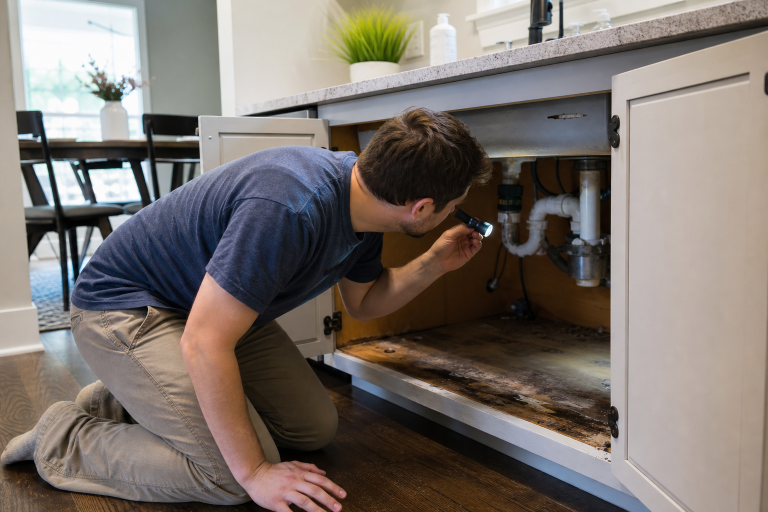
The kitchen is often the first place to inspect because it provides food, warmth, and plumbing. Check beneath the sink for leaks, damp wood, and gaps around pipes. Pull out the refrigerator, stove, and dishwasher when practical, then look for crumbs, grease, droppings, or insect remains.
Inspect pantry shelves and cabinet corners for damaged packaging, fine debris, or small insects. Store dry goods in sealed containers, wipe up spills promptly, and empty indoor trash before odors build up. These habits support the approach of keeping pests away from food, water, and shelter outlined in the EPA’s guidance for residents.
Bathrooms and Laundry Areas: Control Moisture
Bathrooms and laundry rooms can support pest activity even when food is limited. Check around toilets, tubs, washing machines, utility sinks, floor drains, and water heaters. Look for slow leaks, peeling caulk, damp cabinetry, condensation, and standing water.
Make sure exhaust fans vent properly, repair plumbing issues quickly, and avoid leaving wet towels or laundry in piles for long periods. Moisture control also protects finishes and reduces the damp hiding places that insects may use.
Bedrooms and Living Spaces: Look Along Edges
Focus on baseboards, window frames, closet corners, furniture backs, and the areas under beds and sofas. Look for droppings, shed skins, webs, unusual odors, or signs that something has been nesting. Vacuum cracks and edges with a narrow attachment, especially around pet areas and behind furniture.
Clutter makes inspections harder and gives pests quiet places to hide. Keep storage boxes off the floor when possible, move them slightly away from walls, and check door seals and window screens for holes or gaps.
Basements, Garages, Attics, and Crawl Spaces
Less-used spaces often reveal activity before pests spread into occupied rooms. Inspect foundation walls, vents, utility penetrations, garage door edges, cardboard boxes, firewood, stored fabrics, and unused equipment. Watch for gnaw marks, nesting material, rub marks, droppings, damaged insulation, or fine sawdust.
Store belongings on shelves rather than directly on the floor, discard unneeded cardboard, and address dampness with repairs, ventilation, or a properly sized dehumidifier. A dry, organized storage area is easier to monitor and less appealing to pests.
Walk the Exterior Before Sealing Anything
- Start at one door and walk around the structure in a single direction.
- Inspect the foundation, siding seams, roof edges, vents, doors, windows, and utility openings.
- Repair torn screens and replace worn weatherstripping or damaged door sweeps.
- Trim branches and plants that touch the house.
- Move firewood, leaf piles, mulch buildup, and yard debris away from exterior walls.
Take photographs before making repairs, especially if a gap, stain, or damaged area appears to be getting worse. Sealing an opening is valuable, but it works best when paired with indoor cleaning and moisture control.
Match the Clue to the Possible Pest
- Small dark droppings: May indicate rodents or cockroaches, depending on their shape, size, and location.
- Greasy rub marks: Can develop along rodent travel routes near walls and openings.
- Fine sawdust or frass: May indicate insect activity or wood damage.
- Trails of small insects often point toward a nearby food or moisture source.
- Webs: Can show where spiders have shelter and access to prey.
Signs can overlap, so avoid guessing based on a single clue. A clear photo, the exact location, and notes about when the activity occurs can make identification more accurate. For broader seasonal scouting ideas, consult research-based guidance on home and garden pests from a university extension program.
Seasonal Tasks
Spring
Repair winter damage around windows, doors, vents, and foundation joints. Clean gutters, remove damp debris near the home, and watch for early ant activity around plumbing.
Summer
Remove standing water from containers and low spots. Check screens, patio doors, outdoor lights, trash storage, wasp nesting areas, and exterior spider webs.
Fall
Seal new gaps before cooler conditions arrive. Inspect attics, basements, garages, and crawl spaces, and keep firewood and leaves away from walls.
Winter
Check warm, quiet areas where rodents may shelter. Inspect food storage, rarely used rooms, and ceilings or walls for repeated scratching or movement.
When DIY Prevention Is Not Enough
Call for qualified help when sightings continue after cleaning and repairs, droppings appear in multiple rooms, pests are active inside walls or vents, or a nest contains stinging insects. Avoid disturbing nests, mixing cleaning products, or applying pesticides without carefully reading the full label.
A 30-Minute Monthly Checklist
- Inspect the kitchen sink, pantry, trash, and appliance edges.
- Check bathroom plumbing and laundry connections for moisture.
- Scan baseboards, closets, furniture, and window frames.
- Walk through storage spaces and inspect the exterior perimeter.
- Record any new signs and compare them with the previous month.
Conclusion
A seasonal home pest checkup does not need to take all day. By checking each room, managing food and moisture, reducing clutter, and repairing exterior gaps, homeowners can make their property less welcoming to pests throughout.
©2026 The Dedicated House. All rights reserved. No part of this blog post may be used or reproduced without the written consent of the copyright owner.
Click the links below for any posts you have missed:
 Affordable Same-Day Junk Removal for Homes, Offices, and Cleanouts
 What to Consider Before Building a Custom Cottage
 Links Bridge Agency High Authority Backlinks
 How Hiring plumber.com Can Solve Your Plumbing Emergencies Quickly
 Paperwork Before Shingles: An Armour Shield Interview on Vetting a Roofing Contractor in Ontario
 Attic Bypasses that Make Your Denver HVAC System Look Too Small
I’d love for you to join my email list! You’ll receive a notification straight to your inbox which will include links to my latest home project posts! Simply enter your address below.
Thanks for stopping by! Have a wonderful day/night depending on where you are in the world! Go with God and remember to be kind to one another!
Toodles,

Leave a Reply