Owning a home often means maintaining a growing list of repairs and upgrades. Maybe the kitchen feels outdated, the bathroom could use a remodel, the roof is nearing the end of its lifespan, and the windows aren’t as energy efficient as they once were. When several projects need attention at the same time, deciding where to begin can feel overwhelming.
The good news is that you don’t have to tackle everything at once. By prioritizing projects based on safety, function, long-term value, and your family’s needs, you can create a realistic plan that makes the best use of your budget.
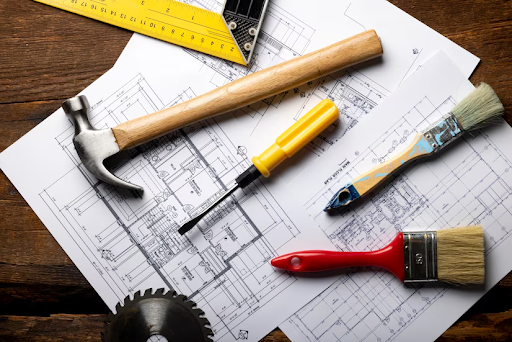
Start with Projects that Protect Your Home
Some improvements simply can’t wait.
Problems involving the roof, foundation, plumbing, electrical system, or HVAC equipment should usually take priority over cosmetic upgrades. Small issues in these areas often become much more expensive if they’re ignored.
For example, replacing kitchen countertops can wait a few months, but repairing a roof leak before it causes water damage to insulation, drywall, or flooring is usually the wiser investment.
Think of these projects as protecting everything else you own.
Address Safety Concerns Next
After your home’s major systems are secure, focus on anything that could affect your family’s safety.
Examples include:
- Faulty electrical panels or outdated wiring
- Broken stairs or damaged railings
- Mold caused by moisture problems
- Failing decks or balconies
- Windows and doors that no longer lock properly
Correcting safety issues not only provides peace of mind but may also prevent more costly repairs in the future.
Improve Energy Efficiency
Many homeowners focus on appearance first, but energy-efficient upgrades can provide benefits every month.
Replacing drafty windows, improving insulation, installing a high-efficiency HVAC system, or upgrading exterior doors may reduce utility costs while making your home more comfortable throughout the year.
In many cases, these improvements also make future remodeling projects more effective by creating a better-performing home overall.
Consider Your Daily Routine
Once essential repairs have been addressed, think about which spaces affect your everyday life the most.
A growing family may benefit from a more functional kitchen, additional storage, or an updated laundry room. Someone working remotely might prioritize creating a dedicated home office. Empty nesters may decide it’s finally time to build the primary bathroom they’ve always wanted.
Rather than asking which room looks the oldest, ask which improvement would have the biggest positive impact on your daily routine.
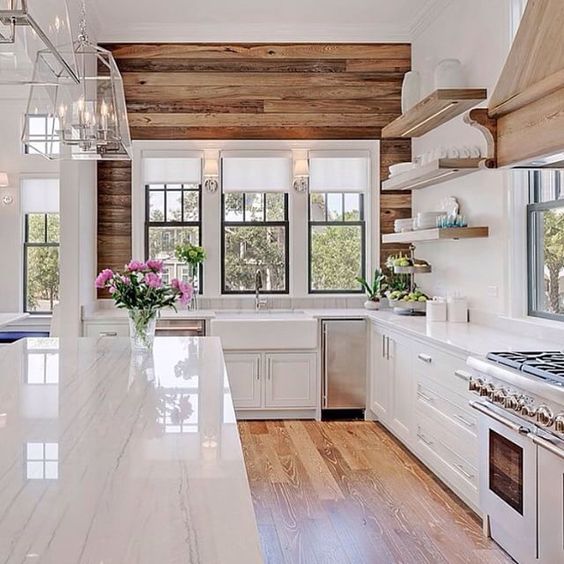
Create a Long-Term Renovation Plan
Even if your budget only allows one project this year, it’s helpful to think several years ahead.
For example, if you eventually plan to remodel both your kitchen and flooring, it often makes sense to coordinate those projects rather than installing new flooring only to remove part of it during the kitchen renovation later.
Looking at your home as a long-term investment helps prevent unnecessary work and duplicate expenses.
Understand the Full Cost Before You Commit
Before scheduling a major renovation, request detailed estimates and take time to understand exactly what’s included.
Beyond labor and materials, your budget may also need to account for permits, inspections, demolition, temporary accommodations, appliance upgrades, landscaping repairs, or other project-specific costs. Building a contingency fund into your budget can also help if unexpected issues are discovered after construction begins.
Understanding your financing options before requesting estimates can make conversations with contractors much easier. Pasha Funding explains how contractor financing works and what homeowners should know before starting a project.
Save Cosmetic Updates for Last
Fresh paint, decorative lighting, new flooring, and stylish fixtures can dramatically change the appearance of a home, but they’re often best completed after structural repairs and major system upgrades are finished.
There’s little benefit in installing beautiful finishes if they later need to be removed because of plumbing repairs or electrical work behind the walls.
Completing cosmetic improvements last also gives you a better sense of how the finished home will come together.
Focus on Progress, Not Perfection
Very few homeowners renovate their entire home at once, and that’s perfectly normal.
Creating a thoughtful plan allows you to spread projects over time while still making meaningful improvements each year. As each renovation is completed, your home becomes safer, more comfortable, and better suited to your family’s needs.
Instead of feeling pressured to update everything immediately, focus on the projects that deliver the greatest benefit today while keeping your long-term goals in mind. With careful planning and realistic budgeting, even a long renovation wish list becomes much more manageable.
©2026 The Dedicated House. All rights reserved. No part of this blog post may be used or reproduced without the written consent of the copyright owner.
Click the links below for any posts you have missed:
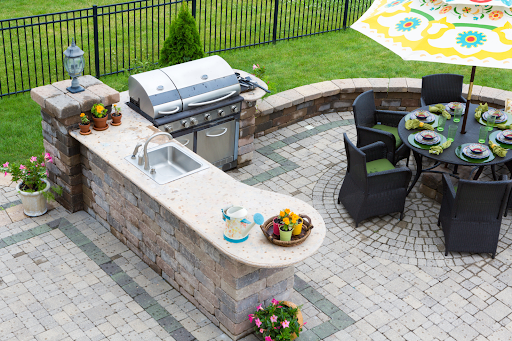 Outdoor Kitchens Are the New Home Theater: Why Buyers Want to Cook Outside
 Why Homeowners Start Looking Up More After Buying Their First House
 Stop Paying to Clear the Same Drain Every Spring
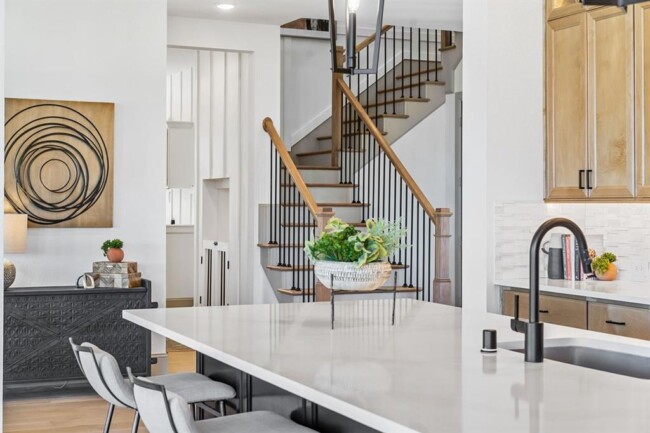 Signs a Metal Shop Will Get Your Custom Railing Right the First Time
 How Travel Surgical Techs Stay Booked When Every Center Runs a Different Console
 A Pre Trip Inspection Is the Cheapest Insurance Before a Summer Family Road Trip
I’d love for you to join my email list! You’ll receive a notification straight to your inbox which will include links to my latest home project posts! Simply enter your address below.
Thanks for stopping by! Have a wonderful day/night depending on where you are in the world! Go with God and remember to be kind to one another!
Toodles,

Leave a Reply