A barn door can appear flawlessly installed but malfunction by the end of the week. This disparity is always due to hardware alignment, not the door panel. For property managers, facility managers, and building owners, the sliding door’s functionality is not a cosmetic issue. A door that sticks, stalls, rattles, or shifts out of position is a daily source of aggravation for tenants and a maintenance headache for facility staff. Barn door systems require precise alignment along the track, at the mounting points, with the rollers, stops, and floor guide. If this alignment is slightly off, the door will still move, but not smoothly.
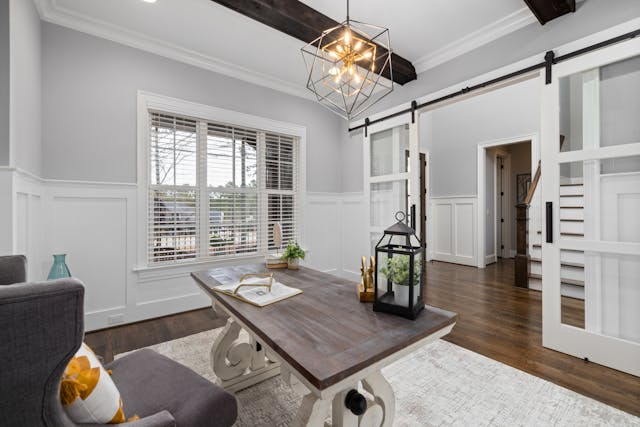
Why Track Geometry Determines Daily Performance
1. Sliding Performance Starts with Geometry
Barn door hardware is effective because multiple pieces work together to share a path. The track has to be level, the mounting point has to be secure, the rollers have to distribute the weight, and the floor guide has to keep the door in place without pushing it. If any of these components are out of alignment, the system begins to compensate, accelerating wear.
This is why contractors and millwork specialists assess barn door systems differently than hinged openings like French Interior Doors, where the path of swing and hinge location are more important than track geometry. In a sliding system, the path is the product of the velocities. If the path is not in line, the user will know right away.
This is important for both residential and commercial interior design because users do not assess a door based on a picture. They assess it based on whether it opens easily every time.
2. Track Level Controls the Entire System
The track is the baseline for the entire system. If the track is not level, the door will want to roll on its own, stick in one spot, or stick harder on one stop than the other. Even a slight tilt will cause the door to drift, especially if the door panels are heavy and the rollers have little friction.
If the track is slightly tilted, the door may seem to work, but the problem will be evident in use. The passengers will complain that the door is closing on its own, slamming into the stop, or sticking in place when they try to pass through the opening. Over time, this will cause the roller bearings, stop screws, and soft-close mechanisms to wear out faster if installed. A level track is not just a preference when installing the system.
3. Mounting Surface Stability Changes Alignment over Time
A barn door track can be mounted directly and still go out of alignment. This is a frequent cause of performance issues in retrofits, where the finish surfaces appear clean but the underlying mounting substrate is inconsistent. Cosmetic trim, drywall, or non-structural panels are not suitable for dynamic loads from a door without a mounting substrate.
As the door opens and closes, small movements at the fasteners can cause enough misalignment of the track to affect the rollers’ path. This problem can begin with a subtle clicking noise, a wobble, or an uneven gap at the door. Later, the same problem can manifest as visible misalignment or loose hardware. For facility managers, this is an important distinction because tightening the visible bolts may temporarily correct the problem while the underlying issue persists in the mounting structure.
4. Roller Alignment Affects Effort and Noise
The rollers are intended to move the door easily, but this only happens when they are properly aligned on the track and square to the door panel. Misaligned rollers at different heights, not parallel to each other, or not centered properly, will cause the door to stick as it moves or create a pattern of sounds indicating an uneven distribution of weight.
A common complaint about this problem is that it is like having a door that is heavy in one part of the slide and light in another. This weight difference is a good indicator of the problem. It indicates that the system is not distributing the weight evenly along the track. This means the hardware is compensating itself as it moves along the track. This compensation is experienced as drag, vibration, and wear. Even in high-traffic areas, these small problems will become maintenance issues sooner than most people expect, particularly when solid-core panels are used for privacy or sound reduction.
5. Floor Guides Prevent Side Loading Problems
In barn-door conversations, the overhead track is often the focus, but the floor guide is an important part of the alignment process. The purpose of the floor guide is to manage lateral motion without introducing friction that could push the door off track. When the floor guide is set too tightly, too far off-center, or not in line with the overhead track, it can push the door to the sides and introduce resistance throughout the slide.
This type of misalignment can be difficult to detect because the door still seems to be traveling along the track. The person using the door will notice a scrape, intermittent drag, or a slight twist near the open or closed position. Sometimes, the people using the door will simply push harder, which puts additional stress on the rollers and the stops.
A properly aligned floor guide will support the door silently and smoothly. An improperly aligned floor guide will make the overhead system a constant source of friction.
Alignment Is What Occupants Actually Feel
Alignment of barn door hardware significantly affects the door’s sliding performance because it determines how the door supports the weight, follows the path, and comes to a stop at the end of the journey. If the hardware components, such as the track, rollers, mounting points, and floor guide, are aligned as a system, the door will be stable, quiet, and predictable. If not, the door will still function, but it will create resistance, noise, and repeat maintenance, which defeats the purpose of the installation.
For the building owner or facility manager, this is an operational consideration and not a cosmetic issue. Proper alignment will result in a longer-lasting door, fewer callbacks, and a better experience for the building occupants. Ultimately, the difference between a barn door that looks good and one that functions well comes down to one thing: hardware that is installed on a true line.
©2026 The Dedicated House. All rights reserved. No part of this blog post may be used or reproduced without the written consent of the copyright owner.
Click the links below for any posts you have missed:
 How to Talk to Your Doctor About Joining a Clinical Trial
 Advanced Plumbing Solutions for Modern Homes
 Elevating the Standard of Luxury Apartment Amenities
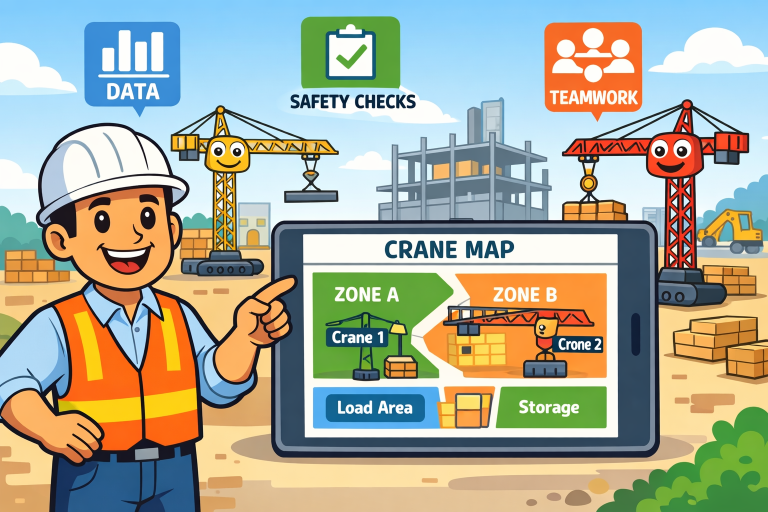 Benefits of Modern Crane Mapping Solutions for Project Managers
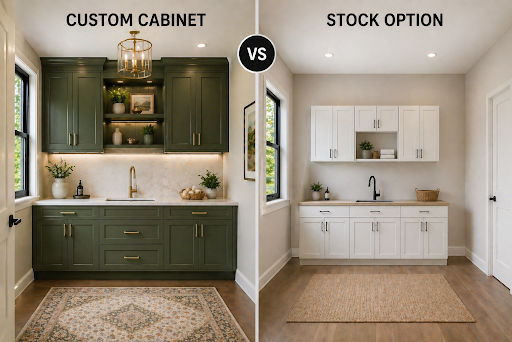 Custom Cabinets vs. Stock Options: What Suits Your Home Best?
 Under-Cabinet Lighting and Small Kitchen Upgrades that Quietly Win over Buyers
I’d love for you to join my email list! You’ll receive a notification straight to your inbox which will include links to my latest home project posts! Simply enter your address below.
Thanks for stopping by! Have a wonderful day/night depending on where you are in the world! Go with God and remember to be kind to one another!
Toodles,

Leave a Reply