Are you dreaming of adding a new bathroom to your home? It’s a popular project that can significantly improve comfort and convenience. A well-planned bathroom addition can even boost your property’s value.
But before you pick out tiles and fixtures, understand the complexities involved. Adding a new bathroom is a major undertaking, especially when it comes to integrating new plumbing systems into your existing home.
In this extensive guide, we will break down the true cost of adding a new bathroom in 2026. We’ll cover everything from budget half-baths to luxurious primary suites. We’ll also explore the main factors that impact expenses, like location, materials, and labor. You’ll learn about permits, timelines, and how to maximize your return on investment.
We believe that strategic planning and expert advice are key to a successful project. For those seeking Baethke Plumbing solutions for modern homes, understanding the technical aspects is paramount. We aim to equip you with all the knowledge needed to navigate this exciting home improvement journey with confidence.
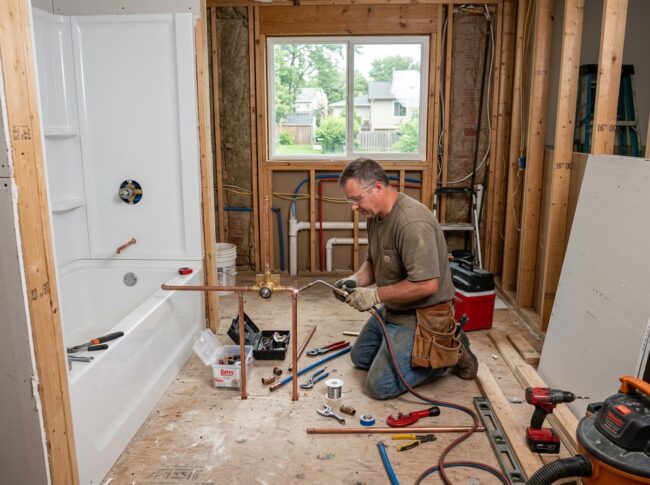
Strategic Planning for New Bathroom Plumbing Solutions
Embarking on a bathroom addition requires meticulous planning, especially concerning the plumbing infrastructure. The type of bathroom you envision, its size, and its proximity to existing utility lines will profoundly influence the project’s complexity and cost. Understanding these variables upfront is crucial for a smooth and budget-friendly execution.
Consider the various types of bathrooms and their typical space requirements:
| Bathroom Type | Typical Square Footage | Key Features | Cost Impact | Half Bath (Powder Room) | 20-30 sq ft | Toilet, sink | Lower cost, especially if near existing plumbing. Ideal for converting closets or small unused spaces. | | Full Bath (Standard) | 50-60 sq ft | Toilet, sink, shower, tub (or shower/tub combo) | Mid-range cost. Often involves extending existing plumbing or creating new connections. | | Primary (Luxury) Bath | 80-150 sq ft | Toilet, dual sinks, large shower, freestanding tub, sometimes separate commode | Highest cost. Often involves structural changes and extensive new plumbing. | | Wet Room | 30-60 sq ft | Toilet, sink, fully open shower (no curb/curtain), waterproofed room | Mid-high cost. Requires extensive waterproofing and specialized drainage. | | Jack and Jill Bath | 60-100 sq ft | Toilet, sink(s), shower/tub, accessible from two bedrooms | Mid-high cost. Requires careful layout for dual access and often involves more fixtures. | | Jack and Jill Bath | 60-100 sq ft | Toilet, sink(s), shower/tub, accessible from two bedrooms | Mid-high cost. Requires careful layout for dual access and often involves more fixtures. | | Jack and Jill Bath | 60-100 sq ft | Toilet, sink(s), shower/tub, accessible from two bedrooms | Mid-high cost. Requires careful layout for dual access and often involves more fixtures. Jack and Jill Bath | 60-100 sq ft | Toilet, sink(s), shower/tub, accessible from two bedrooms | Mid-high cost. Requires careful layout for dual access and often involves more fixtures. Jack and Jack and Jill bathrooms are a popular choice for families, offering both privacy and shared access. These bathrooms are typically situated between two bedrooms, with separate access from each room. This arrangement makes them ideal for siblings, or for children who have outgrown a shared bathroom.
Cost Analysis of Bathroom Conversions vs. New Additions
The decision to convert an existing space or build a brand new addition is one of the most significant cost drivers for your bathroom project. The costs per square foot can vary dramatically, reflecting the extent of structural and utility work required.

Converting an existing space, such as a large closet, a portion of a bedroom, or a laundry room, generally costs between $200 and $250 per square foot. This approach leverages existing walls and often some nearby plumbing, minimizing the need for extensive structural changes. For instance, a half-bath conversion in a small closet might be one of the most budget-friendly options, especially if it’s located near an existing waste line.
On the other hand, building a new bathroom addition – which involves extending the footprint of your home – typically ranges from $400 to $550 per square foot, or even more for complex projects. This higher price point accounts for new foundation work, framing, roofing, exterior finishes, and the extensive extension of plumbing, electrical, and HVAC systems.
Specific challenges can further escalate costs:
- Foundation Work: If your home has a concrete slab foundation, adding new plumbing lines requires saw-cutting the slab, trenching, installing new pipes, and then patching the concrete. This process is labor-intensive and adds significantly to the plumbing budget.
- Attic Drainage: Creating a bathroom in the attic means extending water supply and drain lines upwards, often requiring new structural support for the added weight of fixtures and water. Proper ventilation is also crucial to prevent moisture issues.
- Basement Sump Pumps: For basement bathrooms, gravity drainage might not be possible, necessitating the installation of an ejector pump system to push wastewater up to the main sewer line. This is a specialized plumbing task that adds to the overall expense.
- Garage Utility Lines: Adding a bathroom to a garage often means running new water and sewer lines from the main house, which can involve trenching through concrete or exterior walls. Insulation and heating/cooling also become considerations.
To help mitigate costs and maximize functionality within existing spaces, consider these space-saving layout options:
- Pocket Doors: These slide into the wall, eliminating the swing space required by traditional doors, ideal for small bathrooms.
- Corner Sinks and Toilets: Designed to fit snugly into corners, freeing up central floor space.
- Wall-Mounted Fixtures: Toilets and sinks mounted directly to the wall create a more open feel and simplify cleaning the floor.
- Shower Nooks or Wet Rooms: Instead of a bulky shower enclosure, a wet room or a shower area integrated seamlessly into the bathroom floor can save space and offer accessibility.
- Recessed Shelving: Utilizing wall cavities for storage keeps toiletries off countertops and maintains a clutter-free environment.
Technical Requirements and Labor Breakdown
The technical demands of adding a new bathroom are substantial, encompassing a range of specialized trades. Labor typically constitutes a significant portion of the total project cost, often ranging from 40% to 55%. This percentage can fluctuate based on regional labor rates, project complexity, and the need for highly skilled professionals.
Hourly rates for skilled tradespeople in 2026 generally fall within these ranges:
- Plumbers: $75–$150 per hour
- Electricians: $50–$150 per hour
- General Contractors: Often charge 10-25% of the total project cost for project management and oversight.
Key technical components and their associated labor include:
- Plumbing Rough-in: This involves installing all the water supply lines (hot and cold), drainpipes, and vent pipes before the walls are closed up. It’s a critical phase that requires precision and adherence to local codes. The cost for a plumbing rough-in alone can range from $1,000 to $10,000, depending on how far new lines need to be run and the complexity of connections.
- Electrical Wiring: New bathrooms require dedicated electrical circuits for outlets, lighting, exhaust fans, and potentially heated floors or smart mirrors. Electricians ensure all wiring meets safety standards and local building codes.
- Ventilation Standards: Proper ventilation is non-negotiable for a bathroom. An exhaust fan connected to an exterior vent is essential to remove moisture and odors, preventing mold growth and maintaining air quality.
- Timeline: A typical bathroom addition project, from design to final inspection, can take anywhere from 5 to 12 weeks. Half-baths are generally quicker, while complex primary suites or additions requiring structural changes will take longer. Delays can occur due to permit approvals, material availability, or unexpected structural issues.
- Material Tariffs: Global supply chain dynamics and potential tariffs on imported materials (e.g., from Canada and China, as noted in 2025 data) can impact the cost of fixtures, tiles, and other finishes. Obtaining up-to-date material pricing is crucial for accurate budgeting.
- Regional Pricing Variations: Costs for labor and materials can vary significantly based on your geographic location. Major metropolitan areas and regions with high demand often see higher prices compared to more rural areas.

Integrating Sustainable Plumbing Solutions
Modern homeowners are increasingly prioritizing sustainability, and bathroom additions offer excellent opportunities to integrate eco-friendly plumbing solutions that save water, energy, and money in the long run.
- Low-Flow Fixtures: Installing low-flow toilets, showerheads, and faucets can drastically reduce water consumption without sacrificing performance. Toilets, for example, can use as little as 1.28 gallons per flush, significantly less than older models.
- PEX Piping: Cross-linked polyethylene (PEX) piping is a flexible, durable, and corrosion-resistant alternative to traditional copper. It’s often easier and quicker to install, reducing labor costs, and its flexibility minimizes the number of connections, lowering the risk of leaks.
- Copper Reliability: While PEX offers advantages, copper remains a reliable and highly durable option for plumbing. Its longevity and resistance to bacterial growth make it a premium, albeit more expensive, choice for those prioritizing traditional quality.
- Smart Leak Detectors: These devices can be installed near water sources (toilets, sinks, water heaters) and alert you via a smartphone app at the first sign of a leak, preventing potentially catastrophic water damage and costly repairs.
- Water-Efficient Toilets: Beyond low-flow, consider models with dual-flush technology, allowing users to choose between a full flush for solids and a reduced flush for liquids.
- Greywater Systems: For the truly eco-conscious, a greywater recycling system can capture water from sinks and showers to be reused for toilet flushing or irrigation, significantly reducing overall water usage.
- Energy-Efficient Water Heaters: Upgrading to a tankless water heater or a highly efficient traditional tank model can reduce energy consumption for heating water, lowering utility bills.
Professional vs. DIY Plumbing Solutions
While the allure of saving money through DIY might be strong, especially for a bathroom addition, it’s critical to distinguish between tasks suitable for a homeowner and those that absolutely require professional expertise.
- Code Compliance: Plumbing and electrical work are heavily regulated by local building codes designed for safety and public health. Professionals are intimately familiar with these codes and ensure all installations meet the required standards.
- Permit Inspections: Most bathroom additions, particularly those involving new plumbing and electrical, will require permits and subsequent inspections at various stages of the project. Attempting to bypass these can lead to fines, forced demolition, and difficulty selling your home later.
- DIY Risks: Improper plumbing can lead to leaks, water damage, mold, and even structural issues. Incorrect electrical work poses fire hazards and risks of electrocution. These are not areas where cutting corners is advisable.
- Finishing Tasks: Homeowners can successfully tackle many finishing tasks, such as painting, installing shelving, hanging mirrors, or even laying some types of flooring (with proper guidance). These tasks allow for cost savings without compromising critical infrastructure.
- Structural Integrity: If your bathroom addition involves altering load-bearing walls or adding significant weight (like a large tub), a structural engineer’s assessment and professional execution are paramount.
- Insurance Requirements: Many home insurance policies require that major renovations, especially those involving plumbing and electrical, be performed by licensed professionals. DIY work that leads to damage might not be covered.
- Master Plumber Expertise: Complex pipe routing, connecting to main sewer lines, or installing specialized systems like ejector pumps demand the skills of a licensed master plumber. Their experience ensures long-term reliability and prevents costly future repairs. For complex plumbing needs, relying on established experts is invaluable. For example, Baethke Plumbing solutions can provide the necessary expertise for intricate installations and code compliance.
- Safety Protocols: Professionals adhere to strict safety protocols, using appropriate tools and protective gear, minimizing risks of injury on the job site.
While DIY can save money on superficial elements, the core plumbing, electrical, and structural work of a bathroom addition should always be entrusted to licensed and insured professionals.
Hidden Costs and Financial Optimization
Even with meticulous planning, bathroom additions often come with unexpected expenses. Being prepared for these “hidden costs” is vital for staying within budget and avoiding financial stress.
- Unexpected Repairs: During demolition or rough-in, contractors might uncover unforeseen issues with existing plumbing, electrical, or structural elements. Old, corroded pipes, outdated wiring, or water-damaged subflooring are common culprits that require immediate, unbudgeted attention. These repairs can significantly inflate costs.
- 10%–20% Budget Buffer: Experienced homeowners and contractors universally recommend setting aside an additional 10% to 20% of your total project budget specifically for unexpected contingencies. This buffer acts as a safety net, allowing you to address surprises without derailing the entire project.
- Material Quality Tiers: While you might budget for mid-range materials, you could fall in love with a luxury tile or a high-end vanity. These upgrades, while appealing, can quickly add up. Understanding the cost differences between budget, mid-range, and luxury options is crucial. For instance, basic ceramic tiles might be $2-$5/sq ft, while natural stone or designer tiles could be $15-$50+/sq ft. Similarly, a standard vanity might be $400-$1,000, but custom cabinetry or a double vanity can easily exceed $2,000-$4,000.
- Resale Value (53%–70% ROI): Adding a bathroom generally increases home value. A midrange bathroom addition can recoup about 53% of its cost at resale, while some sources suggest ROI can be as high as 60-70% for well-executed projects that meet market demand. However, an upscale addition might only recoup roughly 36%. It’s important not to over-improve for your neighborhood.
- Luxury vs. Budget Finishes: Decide early on where you want to splurge and where to save. Budget-friendly options like laminate countertops or composite showers can look great and offer good functionality, reserving funds for areas like a quality faucet or durable flooring.
- Long-Term Maintenance: Consider the maintenance requirements and durability of your chosen materials. While a cheaper material might save money upfront, it could cost more in repairs or replacement down the line. For example, opting for durable, moisture-resistant materials like porcelain tile and plywood cabinets can prevent future issues.
- Moisture Prevention: Investing in proper waterproofing, ventilation, and quality sealants during construction will prevent costly mold and water damage issues in the future. This includes ensuring proper slope for wet room floors and adequate exhaust fan capacity.

Frequently Asked Questions about Bathroom Additions
What is the average cost to add a new bathroom in 2026?
The average cost to add a new bathroom in 2026 typically falls around $35,000. However, this is a broad national average, and the actual cost can vary significantly, ranging from as low as $5,000 for a very basic half-bath conversion to over $75,000 for a luxurious primary suite addition. Some high-end projects can even exceed $100,000.
Several factors influence this wide range:
- Material Impact: The choice of fixtures, tiles, cabinetry, and countertops plays a huge role. Budget-friendly options will keep costs down, while luxury materials like marble, custom vanities, or smart tech can quickly escalate expenses.
- Labor Inflation: Labor costs continue to rise, and in 2026, they remain a significant component of the total project. Regional demand and the availability of skilled tradespeople can also impact hourly rates.
- Scope of Work: A simple powder room (half-bath) addition might cost $4,000–$12,000, while a full standard bathroom could be $10,000–$45,000. A primary bathroom, with its larger size and often more elaborate features, typically ranges from $22,000–$90,000.
Can a bathroom be added to any location in a home?
In theory, a bathroom can be added almost anywhere in a home, provided there’s sufficient space and proper planning. However, the feasibility and cost are heavily dependent on several critical factors:
- Plumbing Access: The closer your new bathroom is to existing water supply lines and waste stacks, the less expensive and complex the plumbing work will be. Running new pipes long distances or through difficult structural elements significantly increases labor and material costs.
- Ventilation Needs: All bathrooms require adequate ventilation to prevent moisture buildup and mold. This usually means installing an exhaust fan vented directly to the outside, which can be challenging in interior spaces or basements without easy exterior access.
- Floor Joist Capacity: For upstairs additions, especially those including heavy fixtures like cast iron tubs, the existing floor joists must be strong enough to support the added weight. Structural reinforcement might be necessary.
- Basement Ejector Pumps: If adding a bathroom in the basement where the fixtures are below the main sewer line, a sewage ejector pump system will be required to lift wastewater to the main drain. This adds considerable cost and complexity.
- Attic Head Height: Attic conversions require sufficient head height and often structural modifications to create a safe and comfortable space, including reinforcing the floor and ensuring proper insulation.
While possible, adding a bathroom in a challenging location will inevitably be more expensive due to the increased labor, materials, and specialized equipment required.
How long does the typical bathroom addition take to complete?
The timeline for adding a new bathroom can vary based on its size, complexity, and whether it’s a conversion or a new build. Generally, you can expect the entire process to take between 5 and 12 weeks, though larger or more complex projects can extend beyond this.
Here’s a breakdown of the typical phases:
- Design Phase (1-4 weeks): This involves consulting with designers or architects, finalizing the layout, selecting fixtures and materials, and generating detailed plans.
- Permit Approval (2-6 weeks): Obtaining necessary permits from your local municipality can be a lengthy process, as plans need to be reviewed for compliance with building codes. This timeframe can fluctuate significantly based on local government efficiency.
- Construction Timeline (3-8 weeks): This is the hands-on phase, including demolition (if converting), framing, rough-in plumbing and electrical, insulation, drywall, flooring, fixture installation, and painting.
- Half-baths: Generally on the shorter end, around 3-5 weeks of construction.
- Full baths: Typically 5-8 weeks.
- Primary/Luxury baths or new additions: Can take 8 weeks or more, especially if structural changes or extensive new utility lines are involved.
- Inspection Delays: Various inspections (framing, plumbing, electrical, final) are required throughout the construction process. Scheduling these can sometimes lead to short delays, especially in busy periods.
Effective project management and clear communication with your contractors can help keep the project on track and minimize unexpected delays.
Conclusion
Adding a new bathroom to your home in 2026 is a strategic investment that offers substantial benefits, from enhanced functional living and comfort to a significant boost in property value. While the average cost hovers around $35,000, understanding the nuances of bathroom types, conversion versus new build costs, and the critical role of plumbing and electrical infrastructure is paramount.
By carefully considering factors like location, material choices, and the expertise of licensed professionals, you can navigate this project with confidence. Integrating modern, sustainable plumbing solutions not only contributes to a greener home but also ensures long-term efficiency and durability. Remember to budget for unexpected costs and prioritize professional installation for the core components to ensure safety, code compliance, and lasting quality.
A well-planned bathroom addition is more than just a renovation; it’s an investment in your home’s future, providing both immediate enjoyment and enduring value. For expert guidance on advanced plumbing solutions for your modern home, consider consulting with a reputable plumbing service.
©2026 The Dedicated House. All rights reserved. No part of this blog post may be used or reproduced without the written consent of the copyright owner.
Click the links below for any posts you have missed:
 Elevating the Standard of Luxury Apartment Amenities
 Benefits of Modern Crane Mapping Solutions for Project Managers
 Custom Cabinets vs. Stock Options: What Suits Your Home Best?
 Under-Cabinet Lighting and Small Kitchen Upgrades that Quietly Win over Buyers
 The Hidden Effects of Tree Pollen and Debris on Your Roof Each Spring
 What Are Pressure-Treated Deck Boards?
I’d love for you to join my email list! You’ll receive a notification straight to your inbox which will include links to my latest home project posts! Simply enter your address below.
Thanks for stopping by! Have a wonderful day/night depending on where you are in the world! Go with God and remember to be kind to one another!
Toodles,

Leave a Reply