Beyond their fundamental role as property boundaries, modern customisable fencing and gate solutions are engineered solutions designed to integrate seamlessly with a property’s architecture while providing robust perimeter security. Our approach considers structural integrity, barrier engineering, and intruder prevention, all while ensuring architectural harmony and enhancing the overall aesthetic of residential and commercial estates.
Evaluating Materials for Custom Fencing Solutions
The choice of material is paramount when designing artistic metal gates, as it dictates both the aesthetic possibilities and the long-term performance. Each metal offers unique characteristics that influence its artistic potential, security level, weight dynamics, and maintenance requirements. With proper care, architectural metal gates can offer a lifetime of reliable service, representing a significant long-term investment in property equity and safety.
Historically, wrought iron has graced properties for over two centuries, celebrated for its malleability, allowing for intricate scrollwork, forged finials, and ornate custom designs. Cast iron, while less malleable and more brittle under lateral impact, permits highly detailed, repeated patterns through precision foundry casting. Today, advancements in metallurgy and fabrication offer alternatives like solid structural steel, known for its exceptional yield strength and security, and tubular steel, a lighter, more cost-effective option that can still achieve impressive geometric profiles and clean architectural lines. Aluminum, a lightweight and naturally corrosion-resistant metal, provides incredible versatility in modern fabrication, laser cutting, and architectural louvers while requiring minimal ongoing maintenance.
When evaluating alloys, engineering specifications such as tensile strength, ductility, and resistance to environmental degradation must be weighed against aesthetic objectives. Solid steel sections offer superior impact resistance against forced entry or vehicular impact, making them ideal for high-security perimeters. Conversely, high-grade architectural aluminum alloys, such as 6061-T6 or 6063-T5, offer optimal strength-to-weight ratios that significantly reduce strain on automated motors and mechanical hinge assemblies.
The “Total Cost of Ownership” for any metal gate extends beyond the initial purchase to include installation, maintenance, and expected lifespan. Factors such as site access, ground conditions (especially challenging in areas with reactive soils like Melbourne’s clay), terrain slopes, local wind-load classifications, and the complexity of custom design requirements all significantly impact the overall investment. For a tailored assessment, we recommend contacting a specialist for a bespoke quote.

To help in understanding the differences, consider the following comparison:
Material Artistic Potential Security Level Corrosion Resistance (Coated) Weight Characteristics Lifespan (Proper Care) Wrought Iron Very High (hand-forged, intricate) High Moderate Very Heavy Lifetime Cast Iron Very High (detailed, repeatable patterns) High Moderate Very Heavy Lifetime Solid Steel High (robust, can be laser-cut, forged) Very High Moderate Very Heavy Lifetime Tubular Steel Moderate (clean lines, geometric, some curves) High Moderate Moderate 20+ years Aluminum High (versatile, modern, laser-cut, lightweight) Moderate Excellent (rust-proof) Lightweight Lifetime For all iron and steel options, protective coatings such as hot-dip galvanizing, zinc-rich epoxy primers, and architectural-grade powder coating are crucial. Powder coating, a superior alternative to traditional wet paint, provides a durable, chip-resistant, UV-stabilized finish that extends the gate’s aesthetic appeal and longevity, protecting base substrates against rust, salt spray, and harsh weathering.
Integrating Artistic Metal Gates and Advanced Access Control
Artistic metal gates transcend mere security features; they are statements of personal style and architectural intent. The benefits of custom-designed metal gates are extensive, offering unparalleled opportunities to reflect unique visions, themes, or even corporate branding. From nature-inspired motifs like trees, leaves, and flowing organic curves to abstract geometric patterns or historical influences such as Art Nouveau, Mid-Century Modern, or Gothic revival styles, the possibilities are virtually limitless. Custom gates significantly enhance a property’s curb appeal and can notably increase its market valuation.
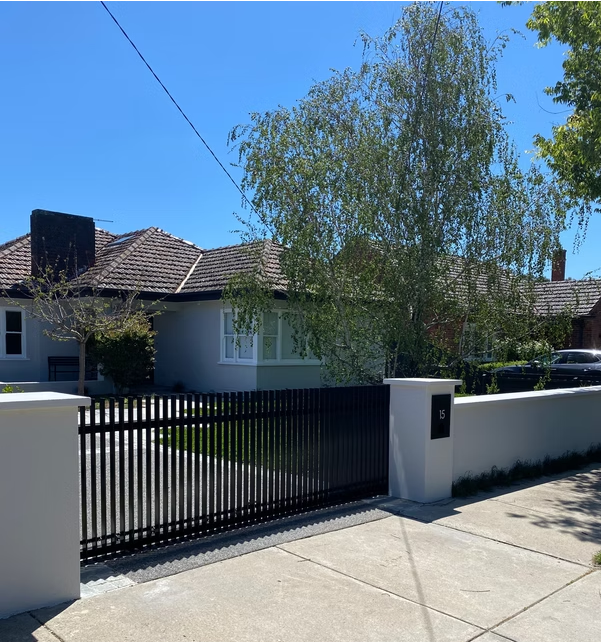
Beyond their visual impact, these gates seamlessly integrate with modern access control systems. Whether opting for classic dual-swing gates, bi-folding configurations, or space-saving cantilever and sliding gates, operational functionality is key. High-torque electromechanical or hydraulic gate operators, magnetic locking latches, self-closing commercial hinges, and advanced automation systems provide seamless daily convenience and enhanced perimeter security. Modern access control architecture allows for smart integration via encrypted radio remotes, illuminated digital keypads, biometric readers, video intercoms, or smartphone application interfaces connected to home automation hubs. Decorative finials, anti-climb spear tops, integrated LED pillar illumination, and custom backlit address plates further personalize the entrance, ensuring that the gate is not just a barrier but a welcoming, secure, and aesthetically pleasing portal. The ability to tailor every aspect, from the core structural metallurgy to the finish and intricate details, ensures a truly unique and high-performance solution.
Tailoring Custom Fencing Solutions to Terrain and Architectural Profiles
The effectiveness and aesthetic integration of a metal gate depend significantly on how well it is tailored to its immediate environment. Local microclimates and environmental conditions, such as coastal marine salt spray, high humidity, or extreme inland temperature fluctuations, necessitate careful material selection, welding standards, and specialized finishing processes to guarantee structural longevity. For instance, aluminum’s natural oxide layer provides outstanding corrosion resistance, making it an excellent choice for coastal environments, while robust steel, protected through thorough zinc pre-treatments, can withstand harsh inland structural loads and high-wind zones.
Architectural harmony is also a critical consideration. A majestic arched wrought iron gate might perfectly complement a Victorian or French Provincial estate, while sleek, geometric laser-cut steel panels or horizontal slat infills enhance contemporary minimalist homes. The design should resonate with the property’s overall architectural vernacular, whether it is a rustic country homestead, an industrial urban loft conversion, or a classic suburban residence.

Challenging terrain, such as steeply sloped driveways and undulating property boundaries, requires specialized design and engineering installation techniques. Solutions like slope rackability (where fence panels follow the gradient without horizontal steps) or precision stepped panels ensure that the fence line follows the natural topography without leaving unsecure ground gaps or compromising structural balance. Incorporating reinforced masonry pillars, brick piers, or combining architectural metal with natural stone or hardwood timber infills can further enhance the gate’s visual weight and privacy balance, creating a cohesive and striking entrance. The ultimate goal is to create a bespoke fencing system that not only secures the perimeter but also elevates the property’s distinctive architectural character.
Installation and Maintenance Standards for Long-Term Integrity
The longevity and performance of any artistic metal gate are directly tied to the quality of its installation and the consistency of its maintenance. Investing in high-performance custom fencing solutions means ensuring structural stability from the ground up, weather resistance throughout its lifecycle, and proactive rust prevention.
Professional Anchoring and Structural Site Preparation
Proper installation is the bedrock of a durable and secure metal gate. Unlike simpler DIY boundary fencing, custom metal gates—especially those fabricated from heavy-gauge solid steel or dense wrought iron—demand precise structural engineering and professional installation expertise. This process begins with meticulous site preparation, including surveying boundary lines, underground utility mapping, and analyzing local soil mechanics. Posts must be engineered to resist both gravitational dead loads and horizontal wind shear, requiring concrete footings excavated to appropriate depths (often exceeding 900mm to 1200mm in unstable or reactive clay substrates) to prevent leaning, shifting, or gate sag over time.
For installations anchoring to existing concrete slabs, retaining walls, or masonry pillars, specialized heavy-duty base plates, threaded chemical anchor studs, and structural fasteners ensure long-term stability. Hinge alignment must be executed with millimeter precision; even minor misalignments in heavy gate leaves can cause premature motor burnout, latch jamming, or excessive mechanical wear on pivot bearings.
The complexity of custom designs, the extreme weight of structural metals, and the integration of motorized automation systems often mean that professional installation is essential. Certified installers understand dynamic load-bearing calculations, the mechanical physics of cantilever sliding gates, terrain elevation challenges, and the safety compliance standards required for automated gates (such as infrared safety photo-eyes and obstruction-sensing pressure edges), ensuring that your investment provides maximum security and lasts for decades.
Preventive Maintenance and Corrosion Protection
Even the most robust metal gates require ongoing preventative care to preserve their artistic integrity, structural strength, and functional longevity. The “Total Cost of Ownership” includes routine maintenance, which remains relatively low for well-chosen and properly installed metal gates but is crucial for preventing premature environmental degradation.
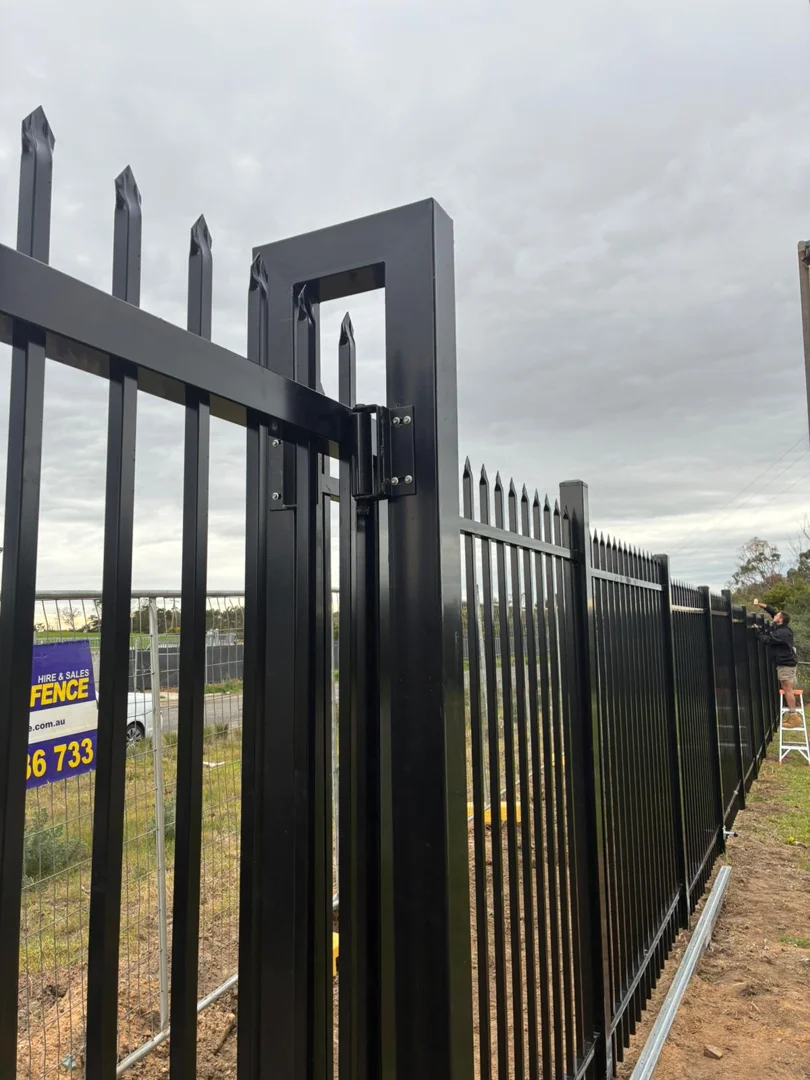
Here are essential seasonal maintenance tasks for metal gates and fencing:
- Regular Cleaning: Periodically wash down the gate surfaces with mild, pH-neutral soap and clean water to remove dirt, road grime, airborne salts, and environmental pollutants that can chemically degrade powder-coated finishes over time. Rinse thoroughly with fresh water.
- Rust Inspection & Remediation: For iron and carbon steel gates, conduct biannual inspections for any micro-fissures, stone chips, or early signs of oxidation, especially around welded joints, hinges, and bottom rails. Address rust spots immediately by wire brushing or sanding the affected area down to bare metal, applying an anti-corrosive zinc-rich primer, and recoating with a color-matched topcoat.
- Protective Coating Touch-Ups: Annually check the powder coating or protective paint finish for mechanical abrasion, impact chips, or UV chalking. Promptly touch up exposed edges with recommended sealant pens or paint to maintain the impervious barrier against moisture intrusion.
- Hinge & Bearing Lubrication: Lubricate heavy-duty ball-bearing hinges, pivot assemblies, and internal locking mechanisms every six months with a high-performance marine-grade grease or dry silicone spray to ensure effortless movement and prevent metal-on-metal friction.
- Hardware & Automation Calibration: For automated sliding and swing gates, periodically inspect gate track cleanliness, clean optical safety beams, clear debris from ground tracks, and test the motor’s sensitivity settings, backup batteries, and manual release clutches to maintain continuous safety and compliance.
- Foundation & Drainage Checks: Verify that surface runoff and garden irrigation systems drain away from gate posts, masonry footings, and automated motor housings to avoid pooling water that can accelerate subsurface metal oxidation or undermine footing stability.
By establishing a proactive inspection schedule and adhering to recommended maintenance protocols, property owners can ensure their custom metal gates and architectural fencing remain beautiful, safe, and dependable assets for decades to come.
©2026 The Dedicated House. All rights reserved. No part of this blog post may be used or reproduced without the written consent of the copyright owner.
Click the links below for any posts you have missed:
 How Long Does It Take to Build a Pool? Why December Signers Swim First
 The Rise of Transparent Home Search Platforms
 Tired of Setting Traps That Don’t Work? How Rat Pest Control Can Actually Solve the Problem
 Why Your Dishwasher Leaves Dishes Dirty (and When It’s Time to Call a Pro)
 Renovation Permits in Edmonton: What Needs Approval and What Doesn’t
 Securing What Matters Most: What Services to Expect from a Professional Home Security Company
I’d love for you to join my email list! You’ll receive a notification straight to your inbox which will include links to my latest home project posts! Simply enter your address below.
Thanks for stopping by! Have a wonderful day/night depending on where you are in the world! Go with God and remember to be kind to one another!
Toodles,

Leave a Reply